Artwork
Slottiwhoswho
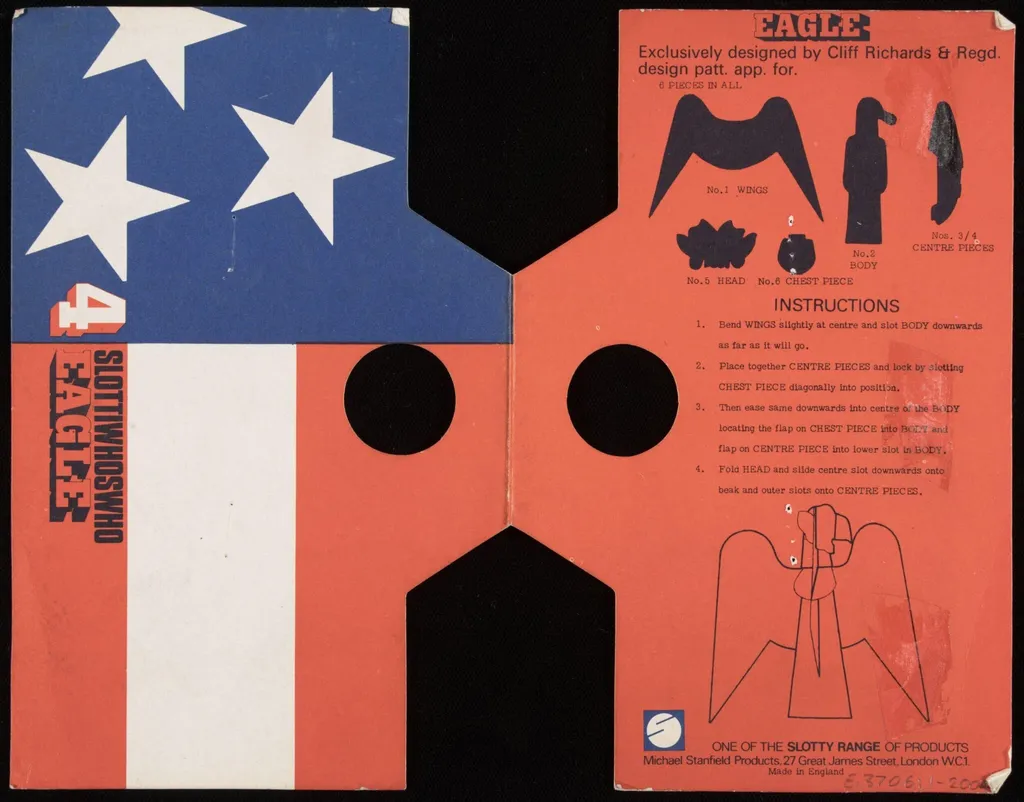
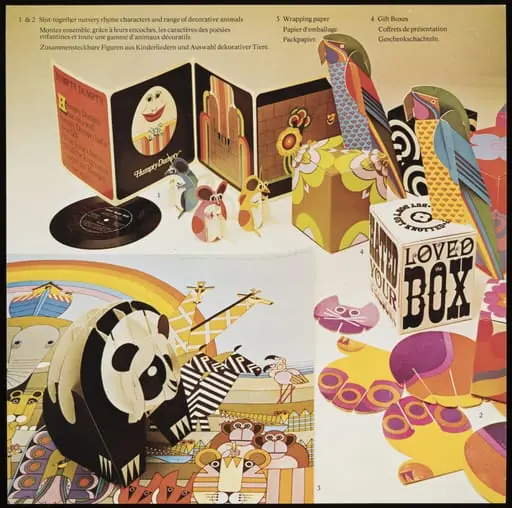
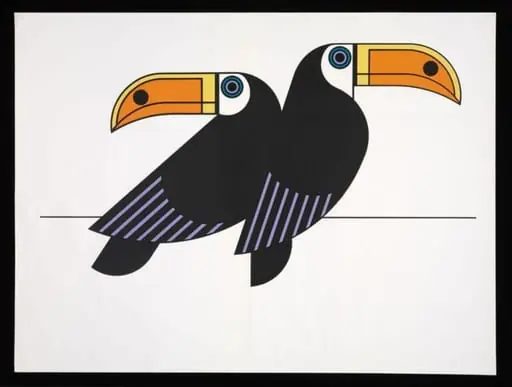
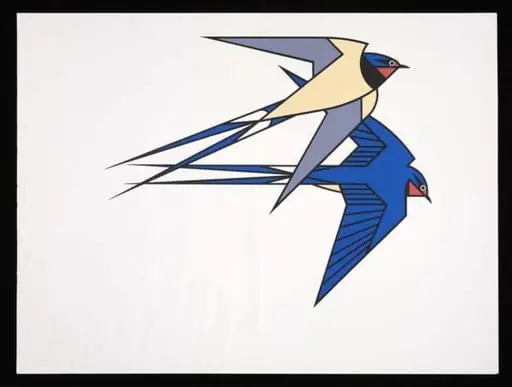
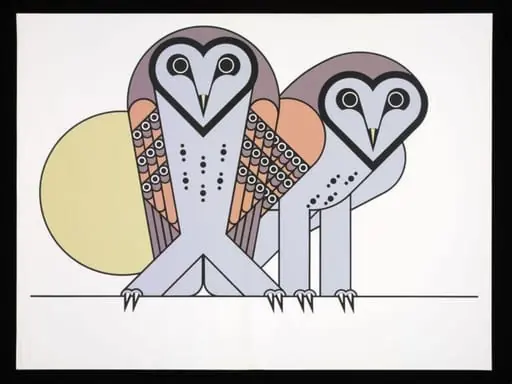
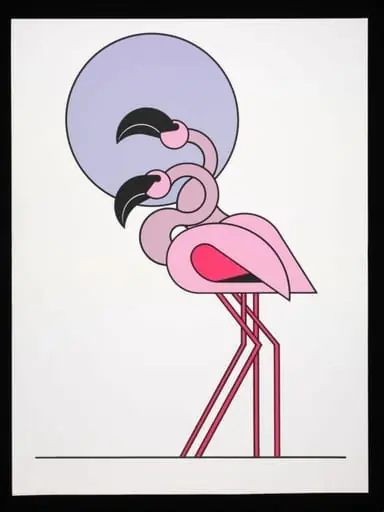
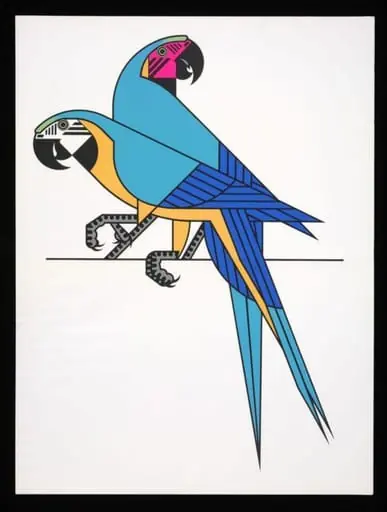
Slottiwhoswho is a print by Clifford Richards. It dates from 1967 and is held in the collection of the Victoria and Albert Museum.
About this work
Overview
Clifford Richards, a prominent British graphic designer of the 1960s, created a series of paper-toy animals known as Slottiwhoswho for Austin Reed.
Clifford Richards, a prominent British graphic designer of the 1960s, created a series of paper-toy animals known as Slottiwhoswho for Austin Reed. These slot-together prints combined playful design with political satire, reflecting the era’s playful engagement with public figures. Produced by Michael Stanfield Products, the set stood out for its witty fusion of pop culture and political caricature.
Subject & Meaning
The Slottiwhoswho series reimagined contemporary political leaders as animals, drawing on cultural symbolism and folklore. Lyndon B. Johnson appeared as an eagle, Harold Wilson as a lion, Edward Heath as a unicorn, and Charles de Gaulle as a chicken—each choice referencing national identity or popular sayings. George Brown, depicted as an owl, alluded to the Brownies youth group, amplifying the humor through layered cultural references.
Technique & Style
Richards employed bold, flat colors and clean linework typical of 1960s graphic design, optimized for mass printing on cardstock. The toys were designed for easy assembly, with interlocking tabs that required no glue. The style balanced whimsy with precision, turning political satire into an accessible, tactile experience for consumers.
History & Provenance
Originally ordered in quantities of 6,000, the Slottiwhoswho set sold out rapidly, prompting restocking due to unexpected demand. Distributed exclusively through Austin Reed, the toys became a cultural footnote of the mid-1960s. Several examples are held in the Victoria and Albert Museum’s collection under catalog numbers E.3704-2004, E.3705-2007, E.3707-2004, and E.3708-2004.
Context
Emerging during a period of heightened political visibility and youth-driven pop culture, Slottiwhoswho mirrored the era’s fascination with blending the serious and the absurd. The toys capitalized on public familiarity with political figures and their media portrayals, offering a lighthearted counterpoint to the era’s tensions through humor and interactivity.
Legacy
Though short-lived as a commercial product, Slottiwhoswho remains a notable example of how graphic design intersected with political commentary in everyday objects. Its preservation in museum collections underscores its significance as a material artifact of 1960s British visual culture and the democratization of satire through consumer goods.
Artist & collection
Artist
Clifford Richards treated printmaking like a playground—he kept a studio above a London pub, where the smell of ink mixed with stale beer.