Artwork
Toucans
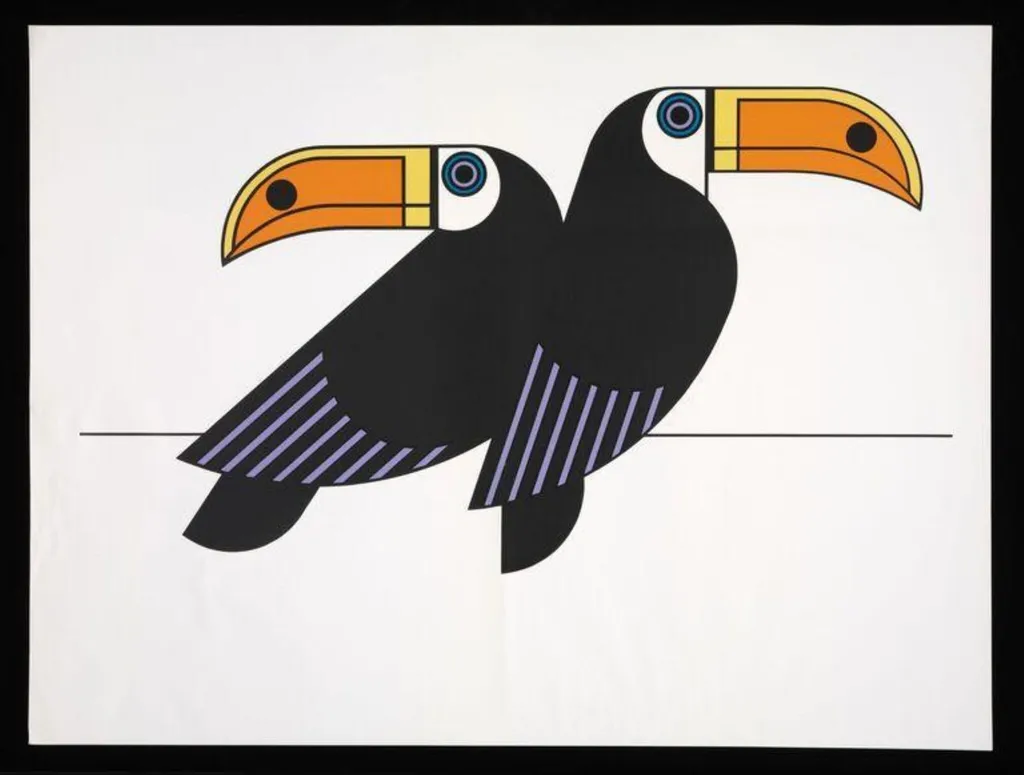
Toucans is a print by Clifford Richards. It dates from 1964 and is held in the collection of the Victoria and Albert Museum.
About this work
Overview
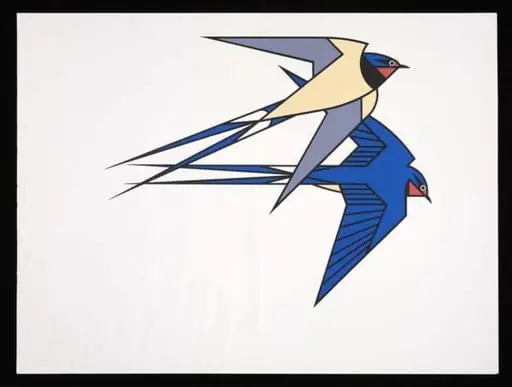
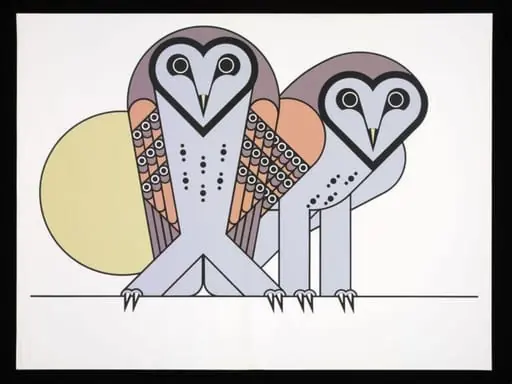
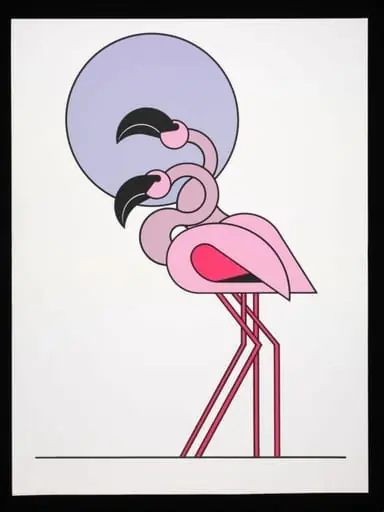
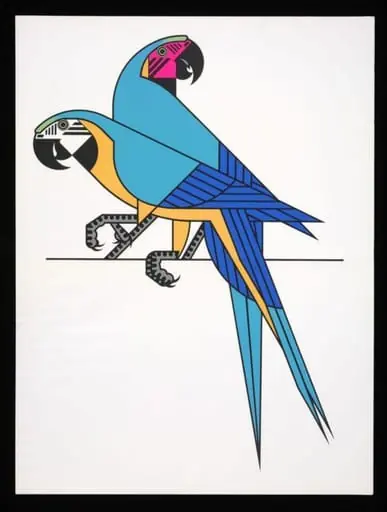
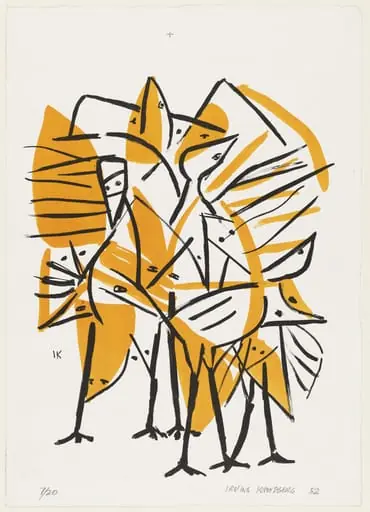
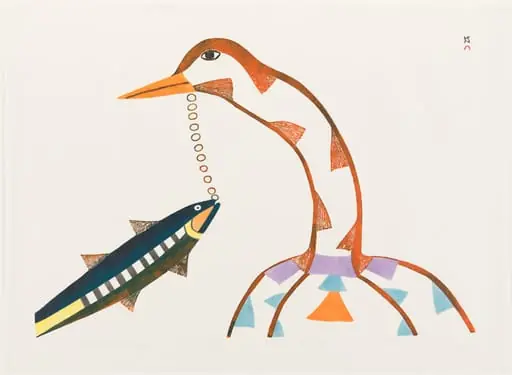
This silkscreen print depicts a group of vividly coloured toucans, derived from a 1960s wrapping‑paper pattern. The image was originally created for a children’s product line and reflects the playful aesthetic typical of mid‑century commercial design.
Subject & Meaning
The toucans serve as a whimsical motif, intended to capture the imagination of young audiences. Their bright plumage and stylised forms convey a sense of fun and exuberance, aligning with the product’s aim of making everyday items appealing to children.
Technique & Style
Executed in silkscreen, the work employs flat areas of saturated colour and bold outlines characteristic of pop‑inspired graphics. The design’s simplicity and graphic clarity echo the commercial printing methods of the era, while its lively palette underscores the period’s fascination with eye‑catching visual communication.
History & Provenance
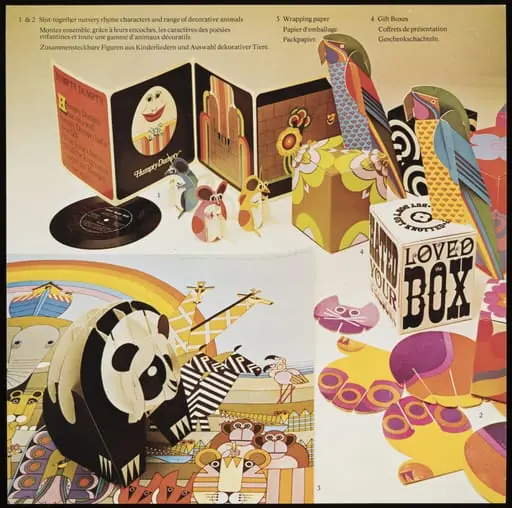
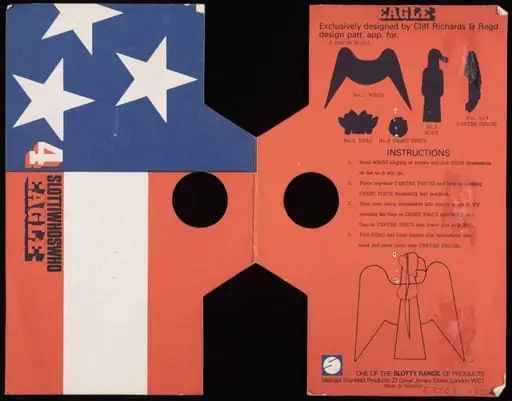
The image originates from a wrapping‑paper design titled “Noah’s Ark,” produced by graphic designer Clifford Richards for Polypops Products Limited. Polypops, a small design‑driven company backed by Polycell, employed three designers—Richards handling graphics, Stephen Bartlett on furniture, and Roger Limbrick on toys—during the 1960s.
Context
Richards’ work exemplifies the integration of pop‑art aesthetics into everyday consumer goods in the 1960s. His packaging and printed ephemera were part of a broader movement that brought bold, graphic art into domestic spaces, blurring the line between fine art and commercial design.
Legacy
The toucan print remains a representative example of mid‑century commercial illustration, illustrating how graphic designers of the period contributed to the visual culture of the decade. Richards’ designs continue to be studied for their role in shaping the visual language of post‑war consumerism.
Artist & collection
Artist
Clifford Richards treated printmaking like a playground—he kept a studio above a London pub, where the smell of ink mixed with stale beer.