Artwork
Abraham Ogden, Jr.
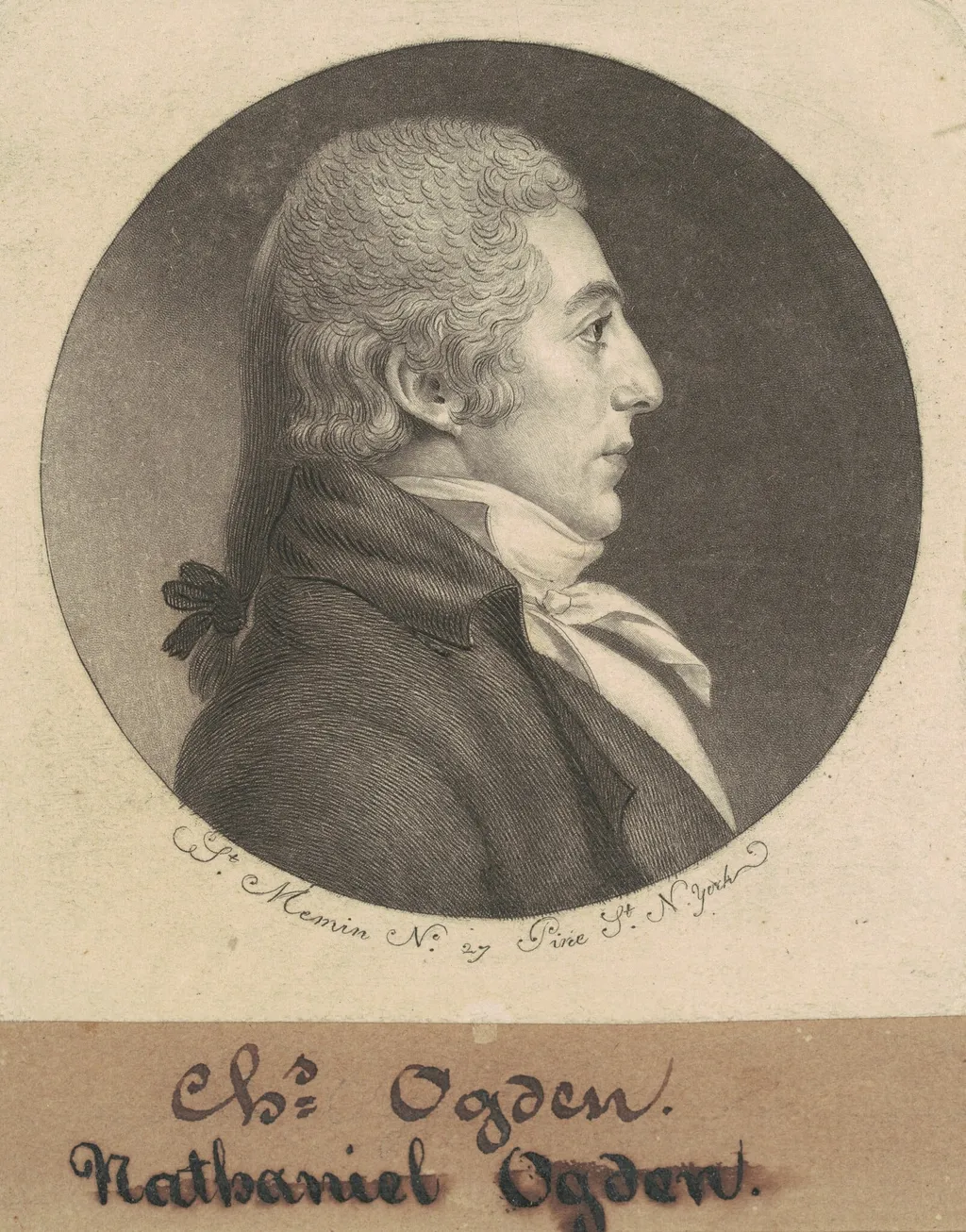
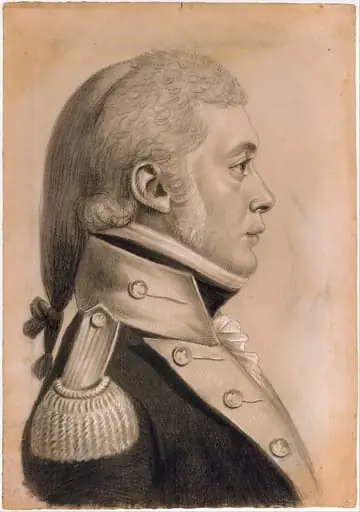
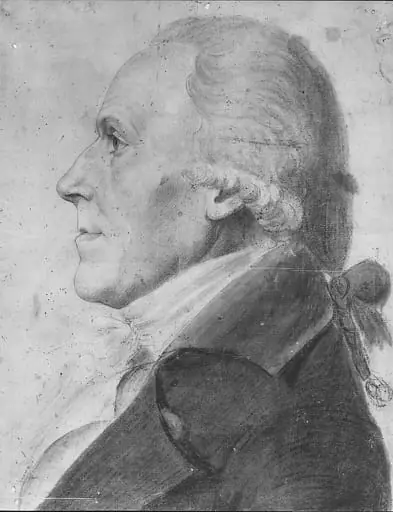
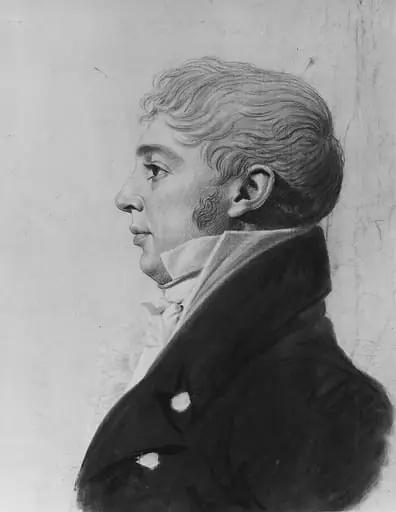
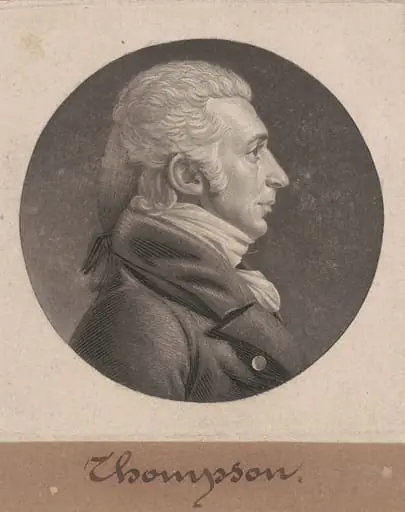
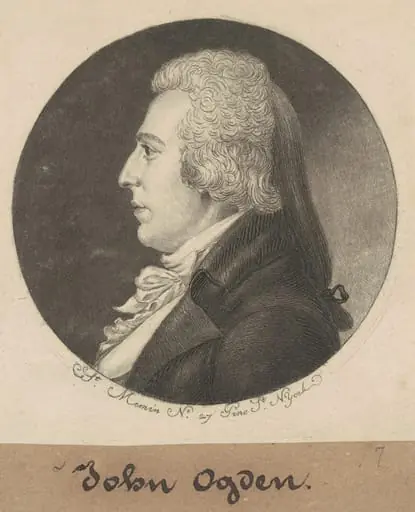
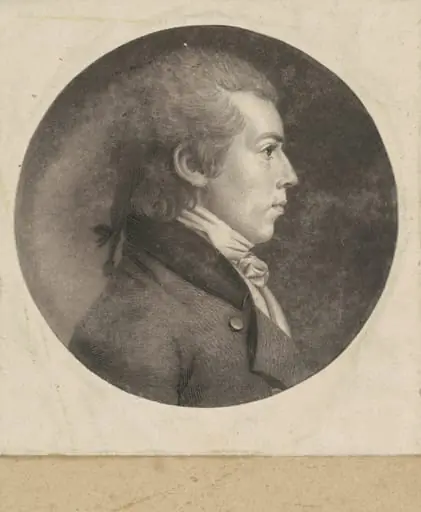
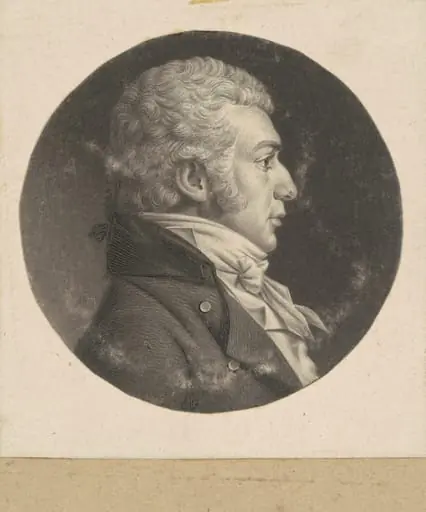
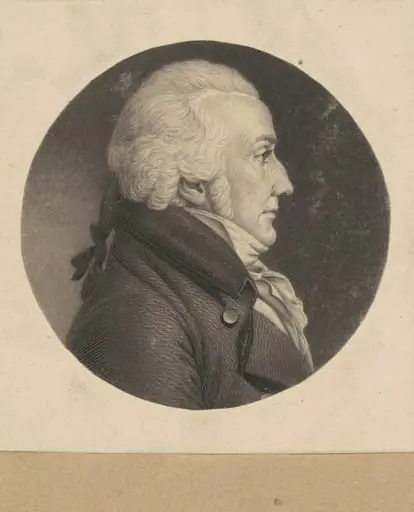
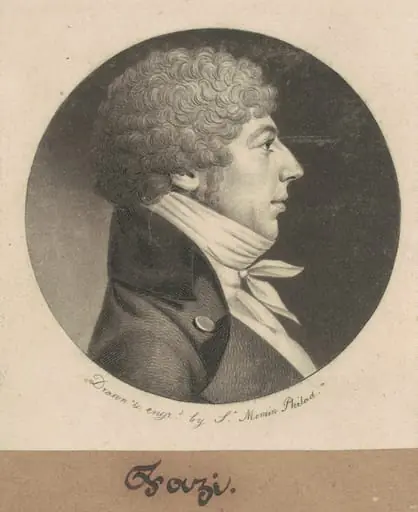
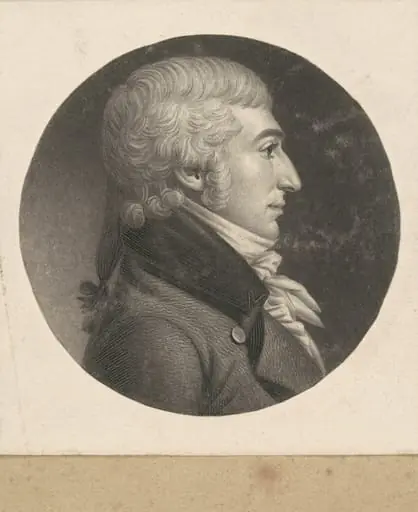
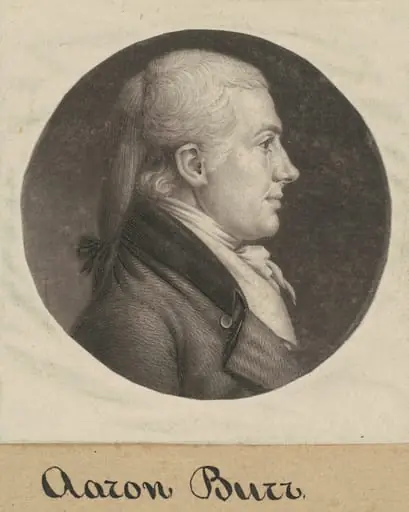
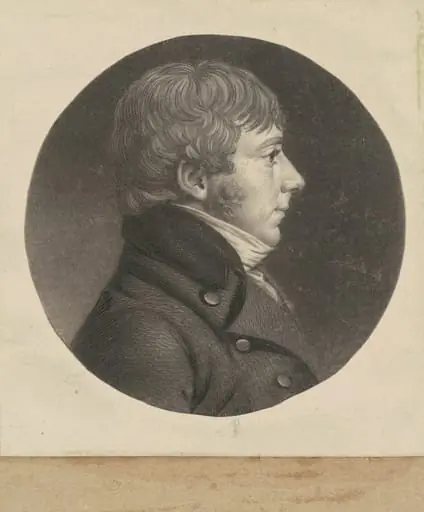
Abraham Ogden, Jr. is an ink print by the Romanticist artist Charles Balthazar Julien Févret de Saint-Mémin. It dates from 1798 and is held in the collection of the National Gallery of Art.
About this work
Overview
This print is a mezzotint and engraving on wove paper, mounted to a brown wove support, depicting Abraham Ogden, Jr.
This print is a mezzotint and engraving on wove paper, mounted to a brown wove support, depicting Abraham Ogden, Jr. in profile. Created by Charles B. J. Févret de Saint-Mémin, it belongs to the Corcoran Collection now held by the National Gallery of Art. The work exemplifies early American portraiture through its precise line work and tonal gradation, capturing a civilian figure of social standing in the late 18th century.
Subject & Meaning
Abraham Ogden, Jr., a New Jersey lawyer and public official, is portrayed without attributes or background, emphasizing his social identity through dress alone. The powdered wig and high-collared coat reflect formal conventions of the era, signaling status and conformity to elite norms. The profile view, common in portraiture of the time, conveys dignity and restraint, aligning with Enlightenment ideals of rationality and decorum.
Technique & Style
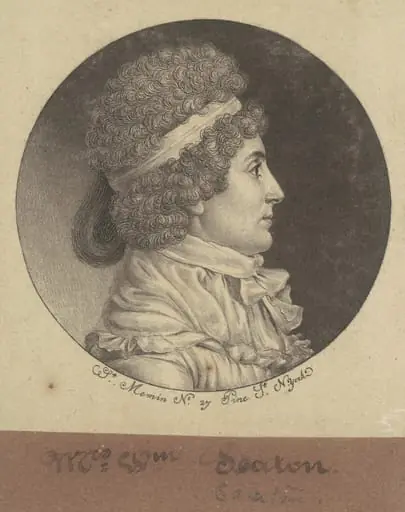
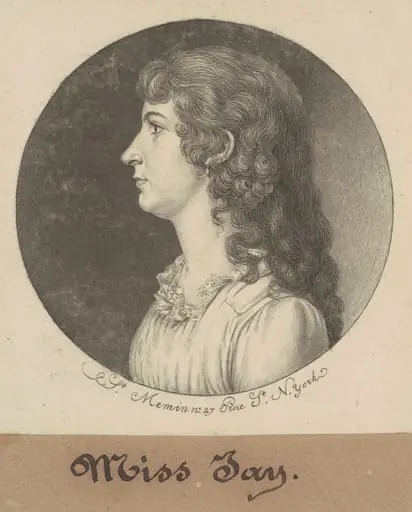
Saint-Mémin employed mezzotint to achieve subtle tonal transitions, particularly in the wig and coat, while engraving defined sharp contours and fine details like the collar and facial features. The combination allowed for both richness of shadow and clarity of form. The portrait’s restrained composition and meticulous execution reflect the artist’s training in European academic traditions, adapted for American patrons seeking refined likenesses.
History & Provenance
The print was produced during Saint-Mémin’s time in the United States, between 1793 and 1802, when he made hundreds of profile portraits for prominent individuals. This work entered the Corcoran Collection in the 19th century and was later transferred to the National Gallery of Art. Its preservation reflects its value as a document of early American civic life and the dissemination of European printmaking techniques in the young republic.
Context
In the post-Revolutionary period, profile portraits like this one were popular among the American elite as affordable, reproducible alternatives to oil paintings. Saint-Mémin’s practice catered to a growing class of professionals seeking to assert their status through visual representation. The format’s simplicity and clarity resonated with republican ideals, favoring individual character over aristocratic ornamentation.
Legacy
Saint-Mémin’s profile portraits, including this one, helped standardize a visual language for American civic identity in the early republic. Though stylistically rooted in European traditions, his works became touchstones for documenting the nation’s emerging leadership class. Today, they serve as primary sources for understanding how social standing was visually constructed in the decades following American independence.
Artist & collection

Artist
Charles Balthazar Julien Févret de Saint-Mémin
Charles Balthazar Julien Févret de Saint-Mémin (French pronunciation: ; 1770–1852) was a French portrait painter and museum director.