Artwork
Prince Hoare Esq.
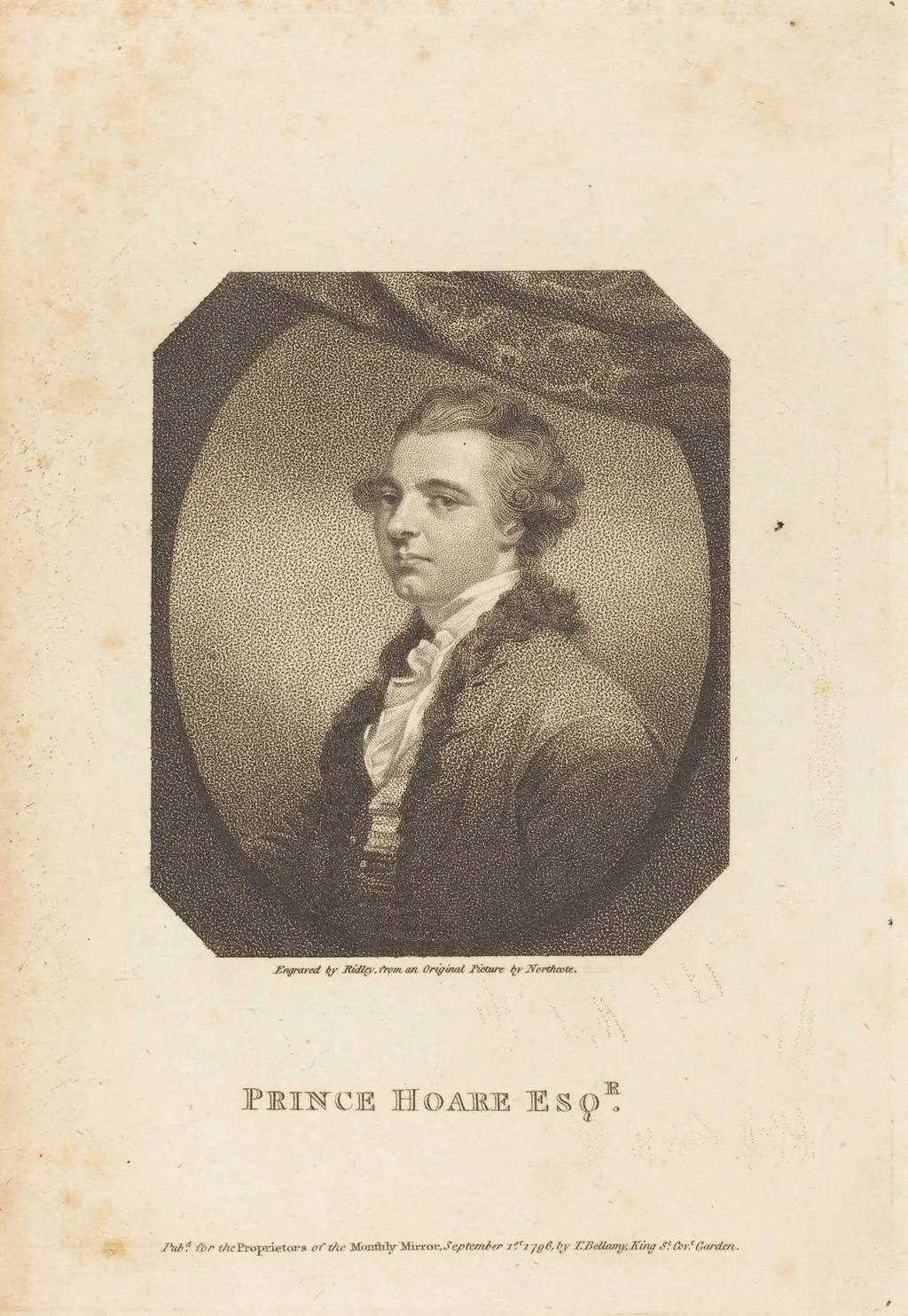
Prince Hoare Esq. is an ink print by the Romanticist artist William Ridley. It dates from 1796 and is held in the collection of the National Gallery of Art.
About this work
The print was made using a method that creates texture with tiny lines—this is called cross-hatching.
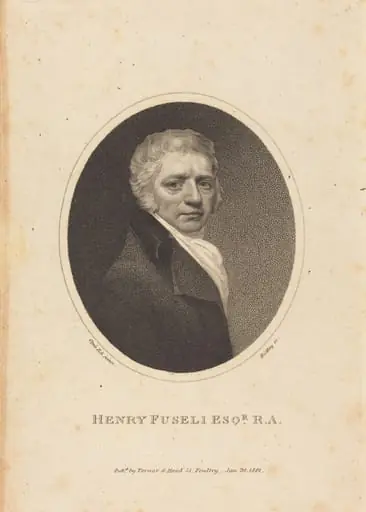
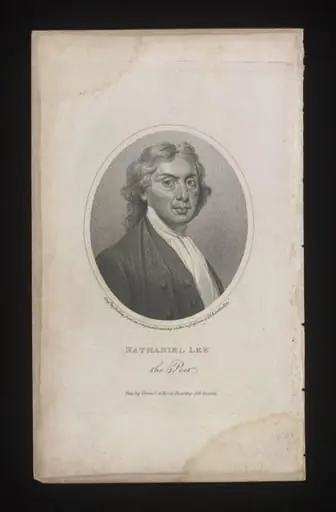
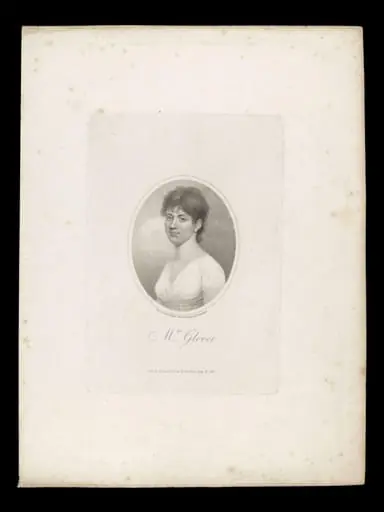
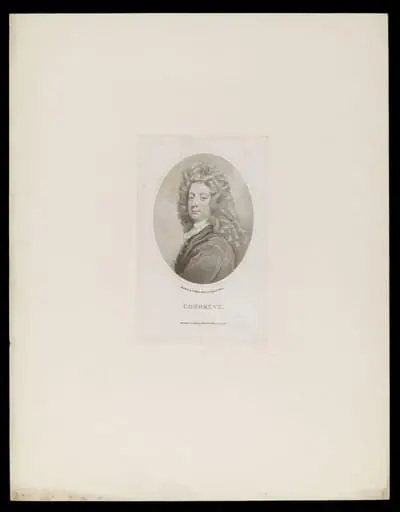
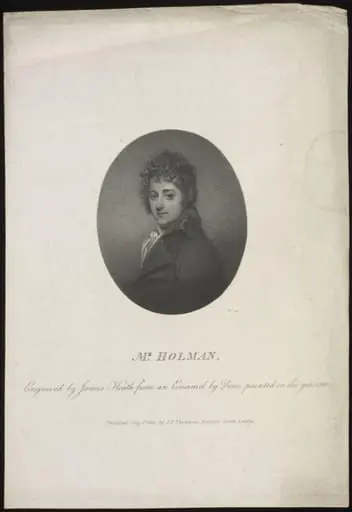
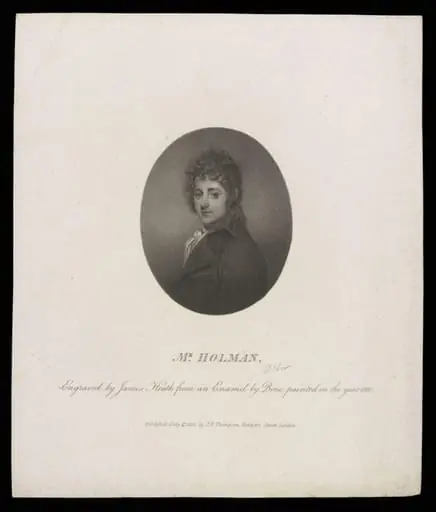
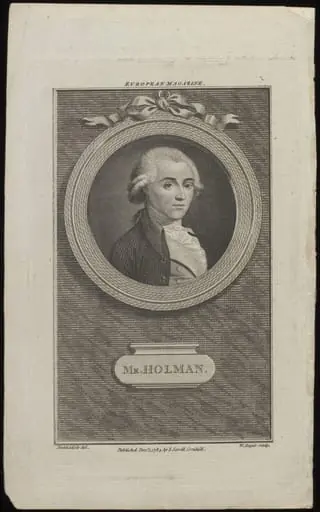
This is a black-and-white portrait of a man in a dark coat and white cravat. His hair is neatly tied back, and he’s looking straight ahead with a serious expression. The edges of the image are framed by a rough, dotted border.
The print was made using a method that creates texture with tiny lines—this is called cross-hatching. It was published in 1796 for a magazine called the *Monthly Mirror*.
Next, look up engraving to see how artists build shadows and depth with just lines.
Overview
William Ridley’s 1796 stipple engraving, titled *Prince Hoare Esq.*, presents a monochrome portrait of a gentleman in a dark coat and white cravat. The sitter’s hair is pulled back neatly, his gaze directed forward, and his expression is solemn. The image is bounded by a faint, dotted frame that separates the portrait from the surrounding paper.
Subject & Meaning
The work depicts Prince Hoare, a figure known in late‑eighteenth‑century literary circles. The restrained attire and direct stare convey a sense of decorum and intellectual seriousness, reflecting the cultural expectations of a gentleman of his standing during the period.
Technique & Style
Ridley employed stipple engraving, a method that builds tonal variation through dense clusters of fine dots and cross‑hatching lines. This approach allows subtle gradations of light and shadow without the use of ink washes, giving the portrait a delicate, almost painterly texture despite being a print.
History & Provenance
The print was issued in 1796 as an illustration for the *Monthly Mirror*, a contemporary periodical that featured literary and artistic content. Its appearance in the magazine suggests the portrait was intended for a readership interested in current cultural figures.
Context
Stipple engraving enjoyed popularity in the late eighteenth century as a means of reproducing portraits for a growing market of print collectors. Ridley’s work aligns with this trend, offering an accessible yet refined representation of a notable individual for the magazine’s audience.
Artist & collection