Artwork
William Hayley, Esq.
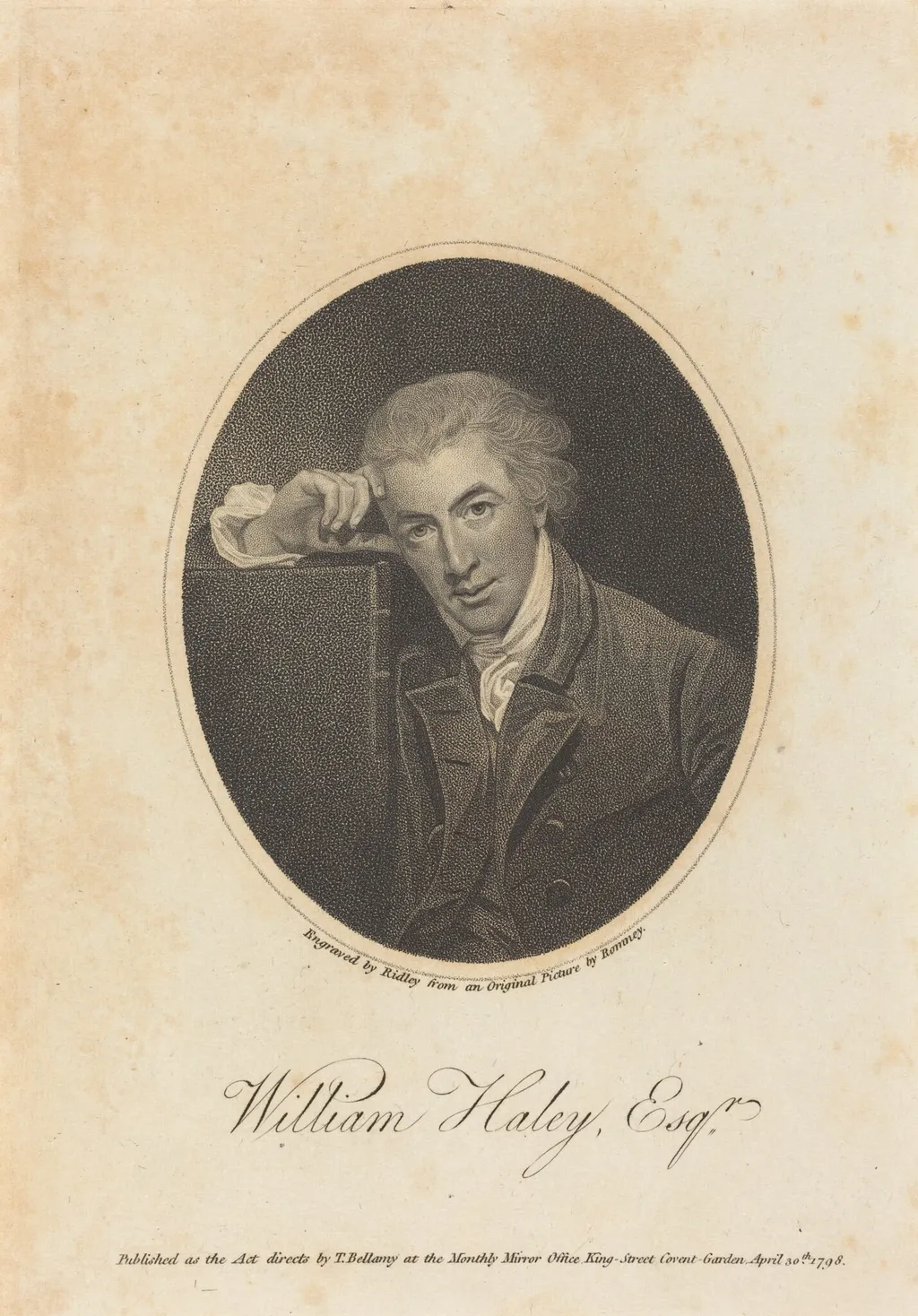
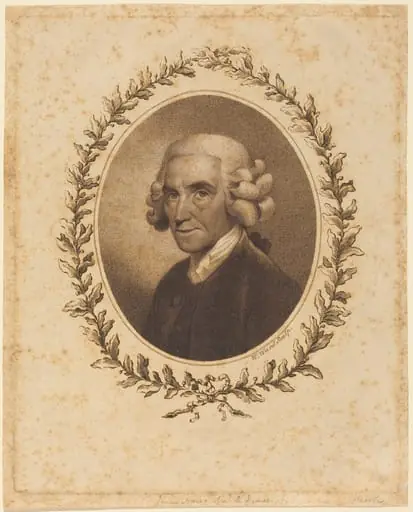
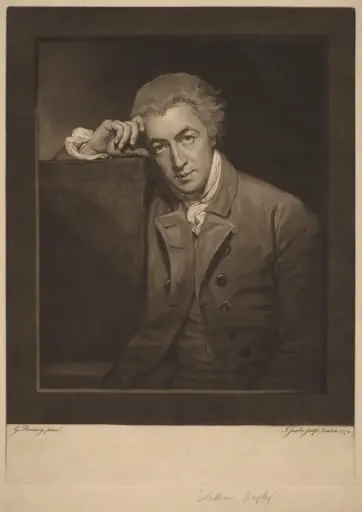
William Hayley, Esq. is an ink print by the Romanticist artist William Ridley. It dates from 1798 and is held in the collection of the National Gallery of Art.
About this work
Overview
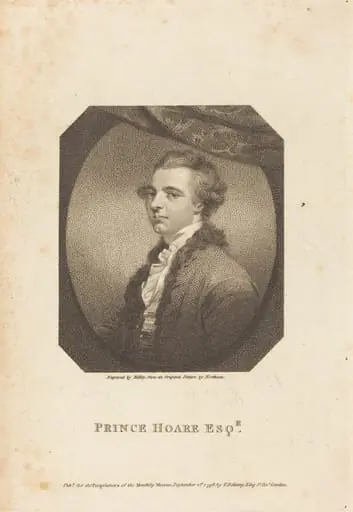
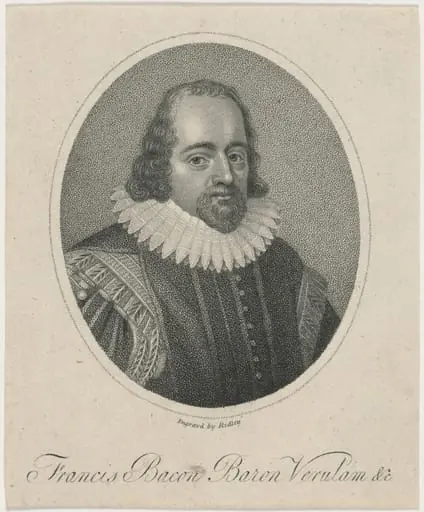
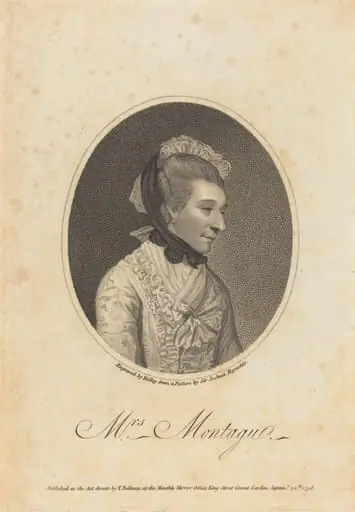
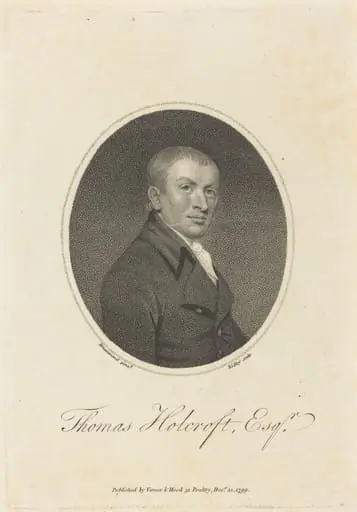
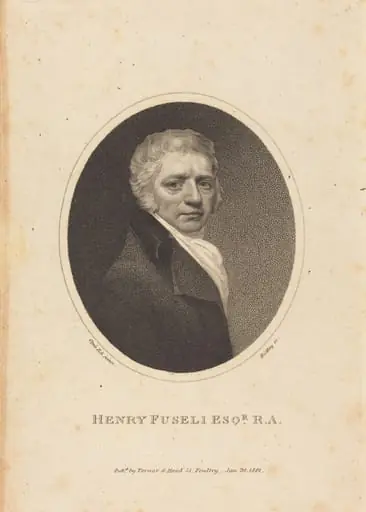
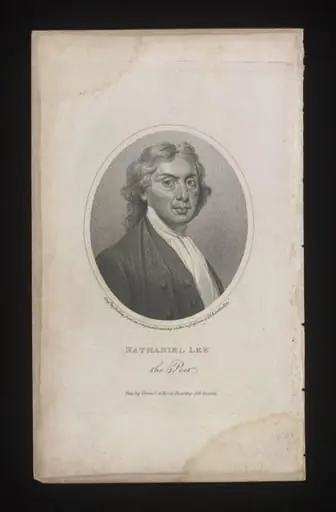
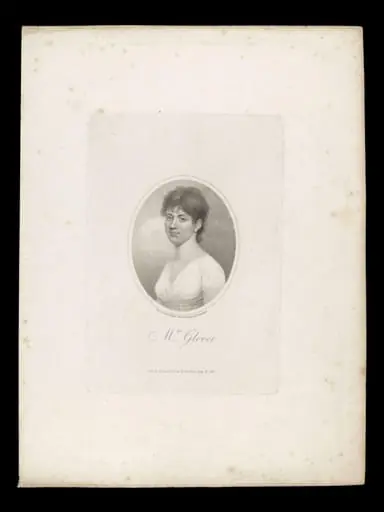
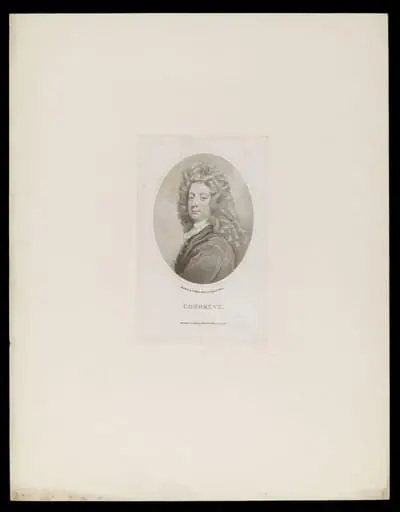
Rendered in monochrome, the portrait is contained within a circular border, emphasizing the sitter’s upper body and facial expression.
This 1798 stipple engraving by William Ridley depicts William Hayley, a British writer and patron of the arts. Rendered in monochrome, the portrait is contained within a circular border, emphasizing the sitter’s upper body and facial expression. The image relies entirely on fine dots and incised lines to model form and texture, characteristic of stipple engraving techniques popular in the late 18th century as a means of reproducing likenesses before photographic methods emerged.
Subject & Meaning
William Hayley is shown in a moment of quiet self-adjustment, his hand gently touching his cravat while his gaze lifts slightly, suggesting contemplation or attentiveness. The gesture conveys a sense of composed dignity rather than theatricality. The plain background eliminates distraction, directing focus to his demeanor and the refined detail of his attire, aligning with the era’s preference for portraits that conveyed intellectual character over social display.
Technique & Style
Ridley employed stipple engraving, a method using small dots and fine lines etched into a metal plate to create tonal gradations. Unlike broad strokes of paint or broad etched lines, this technique allowed for subtle modeling of skin and fabric, mimicking the softness of a drawn portrait. The precision required reflects the craft’s role in producing high-fidelity reproductions for literary and aristocratic circles, where accuracy and elegance were valued.
History & Provenance
Created in 1798, the engraving was likely commissioned to commemorate Hayley’s literary contributions or his role as a supporter of artists like William Blake. It circulated among his contemporaries and may have been included in published works or private collections. Its survival suggests it was valued as both a likeness and a cultural artifact, representative of the period’s print culture and the intersection of literature and visual art.
Context
In the late 1790s, stipple engraving was a dominant method for reproducing portraits among the educated elite, offering a middle ground between costly oil paintings and crude woodcuts. Hayley, known for his biographies and patronage, was a fitting subject for such a refined medium. The portrait reflects a broader trend in which literary figures were visually documented to reinforce their public identity and intellectual stature.
Legacy
Though not widely exhibited today, the engraving remains a representative example of how 18th-century printmakers translated personal presence into reproducible form. It contributes to the historical record of Hayley’s life and illustrates the technical sophistication of pre-photographic portraiture. Its preservation in institutional collections underscores its value as a document of cultural practice rather than artistic novelty.
Artist & collection