Artwork
Carl Fasch
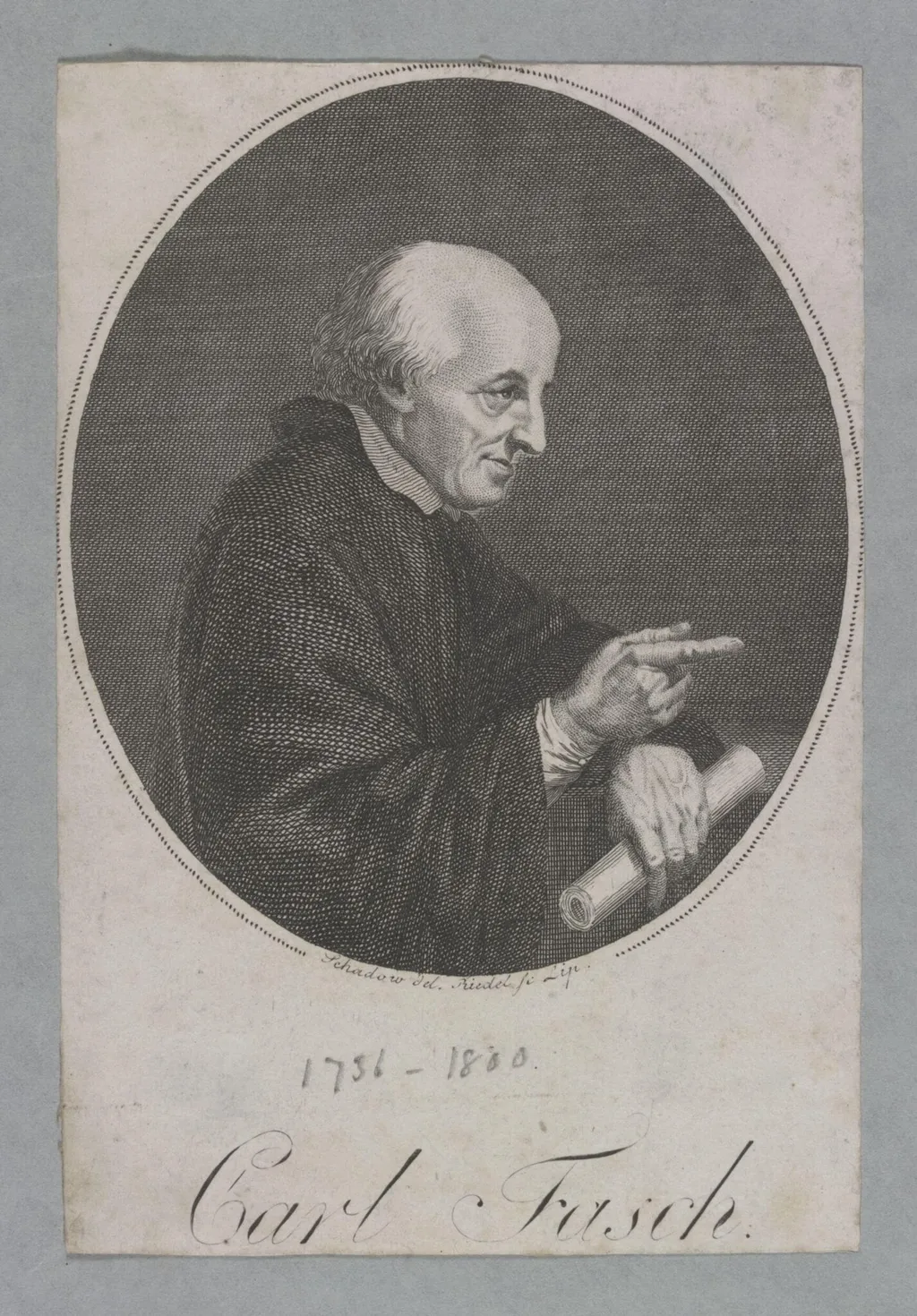
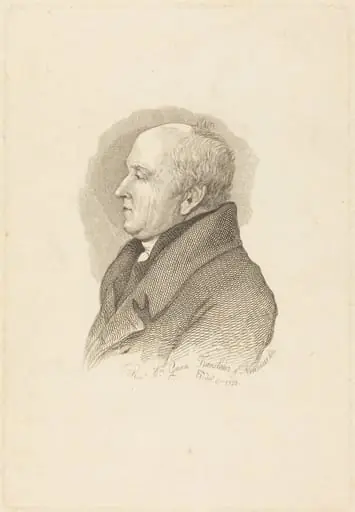
Carl Fasch is a print by J. Riedel. It dates from 1850 and is held in the collection of the Victoria and Albert Museum.
About this work
Overview
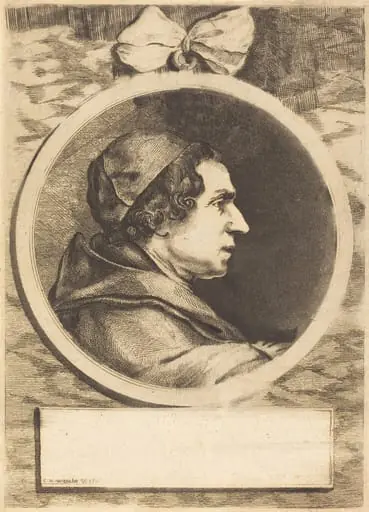
A 19th-century German print depicts Carl Fasch, a composer and music educator. The image was produced by J. Riedel, a known printer active during this period. The work belongs to a broader tradition of portraiture in print form, intended for dissemination among musical circles and academic institutions rather than as fine art for private collectors.
Subject & Meaning
Carl Fasch is portrayed as a figure of intellectual authority, likely reflecting his role in Berlin’s musical education scene. His attire and composed posture suggest respectability and scholarly demeanor. The print served to memorialize his contributions to music pedagogy and choral training, reinforcing his reputation among contemporaries and students.
Technique & Style
The print employs line engraving or etching, typical of German commercial portraiture in the 1800s. Details are rendered with precision but without elaborate ornamentation. The tonal range is restrained, emphasizing clarity over dramatic effect, aligning with the functional purpose of the image as an informational portrait rather than an expressive work.
History & Provenance
Produced by J. Riedel in Germany, the print likely originated in Berlin, where Fasch taught and directed musical societies. Copies may have been distributed to students, conservatories, or music societies. No known museum holdings or extensive archival records exist, suggesting limited circulation beyond professional networks.
Context
In early 19th-century Germany, printed portraits of musicians were common tools for institutional recognition. Fasch’s image would have appeared alongside those of other educators and composers, reinforcing a culture of musical pedagogy. The medium allowed for affordable reproduction, making such portraits accessible within academic and amateur music communities.
Legacy
The print remains a material trace of Fasch’s influence in German musical education. Though not widely known today, it documents the visual culture of 19th-century music pedagogy. Its survival offers insight into how musical authority was visually constructed and transmitted before the era of photography.
Artist & collection
Artist
This 19th-century artist made crisp, detailed prints of Berlin’s musical life. Their only confirmed work here is the print "Carl Fasch," a portrait of the composer that mirrors the era’s taste for civic pride in local…