Artwork
Johann Adam Hiller
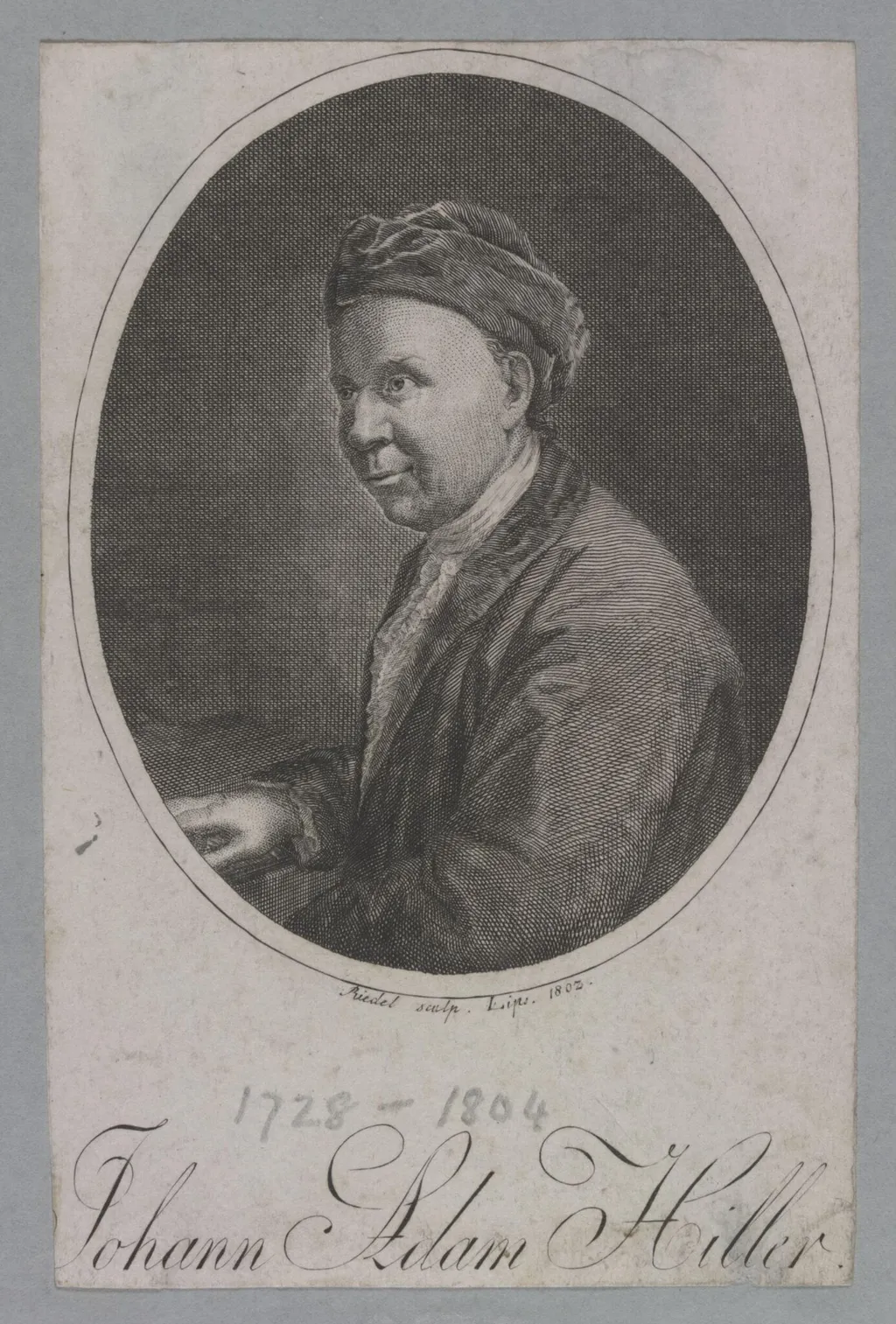
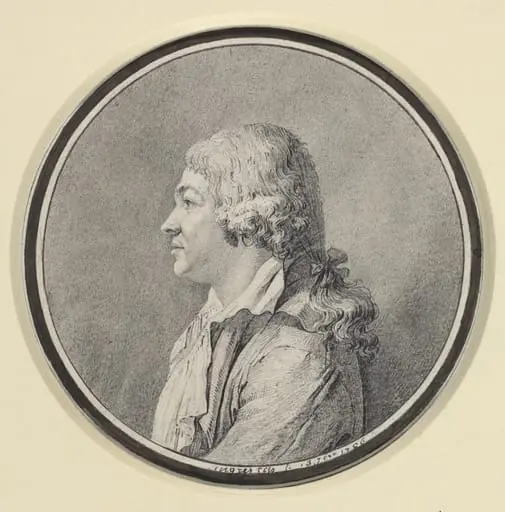
Johann Adam Hiller is a print by the Romanticist artist Riedel, C. J.. It dates from 1802 and is held in the collection of the Victoria and Albert Museum.
About this work
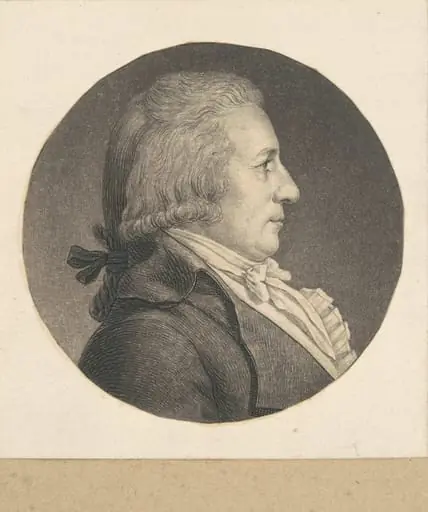
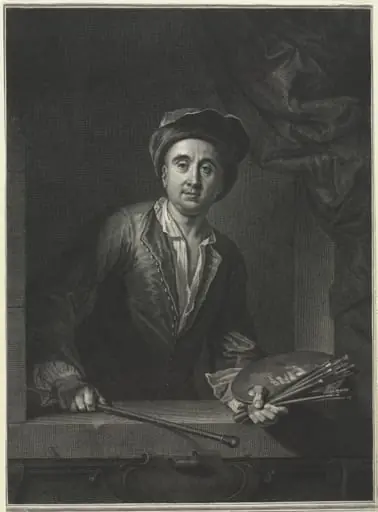
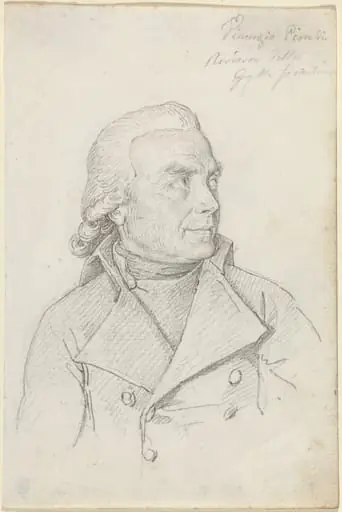
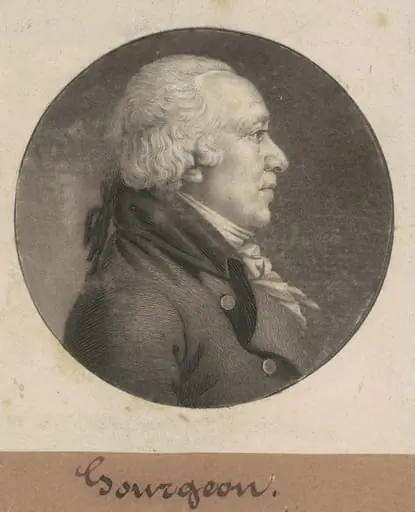
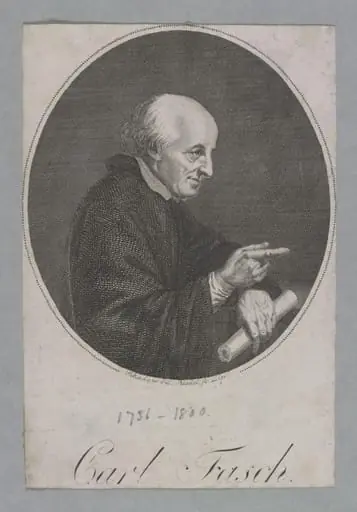
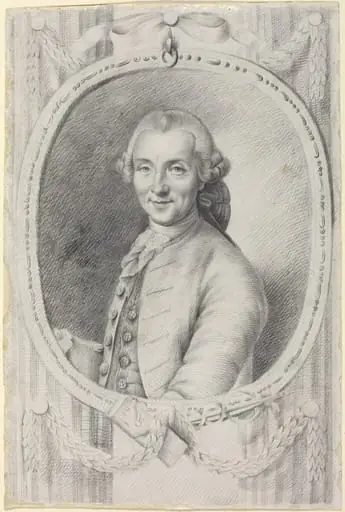
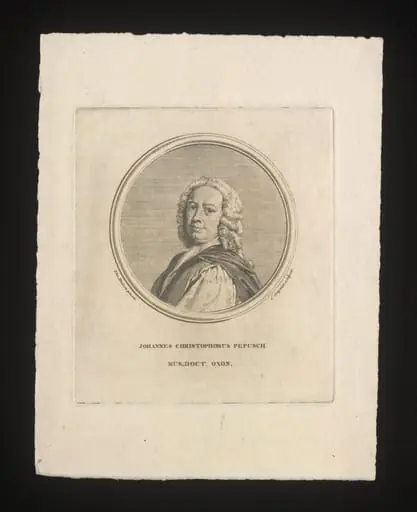
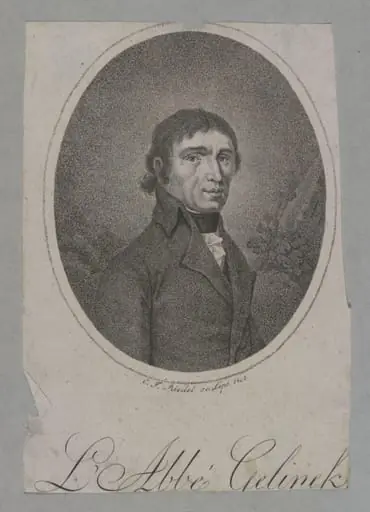
This print shows a portrait of Johann Adam Hiller. He was a real person, not a made-up figure. C. J. Riedel made the print in 1802.
This was the Romantic era, so feelings and personality mattered more than perfect detail. Prints let regular people own art, not just rich folks.
Look up the Victoria and Albert Museum to see more prints like this.
Overview
This 1802 print depicts Johann Adam Hiller, a noted figure of his time, rendered by the engraver C. J. Riedel. Executed in Europe, the image is a portrait in the medium of print, allowing for multiple copies to be distributed beyond the confines of a single original work.
Subject & Meaning
Johann Adam Hiller, a real individual rather than an allegorical or fictional character, is presented in a straightforward manner that emphasizes his personal identity. The portrait serves to commemorate his presence and status within the cultural milieu of the early nineteenth century.
Technique & Style
The image was produced through a printmaking process typical of the period, likely involving copperplate engraving or etching. The style reflects Romantic sensibilities, favoring expressive line work and a focus on the sitter’s character over meticulous anatomical exactness.
History & Provenance
Created in 1802, the print was issued by C. J. Riedel, a known publisher of portrait prints in Europe. Its survival in museum collections indicates it was circulated widely enough to be preserved as a representative example of early nineteenth‑century portraiture.
Context
During the Romantic era, artistic interest shifted toward the inner life and emotions of individuals, a trend evident in this portrait’s emphasis on personality. Print media played a crucial role in making such images accessible to a broader public, extending cultural consumption beyond elite patrons.
Artist & collection
Artist
Portrait prints from early 1800s Vienna capture composers and clerics in crisp black lines.