Artwork
Portrait of an Abbot
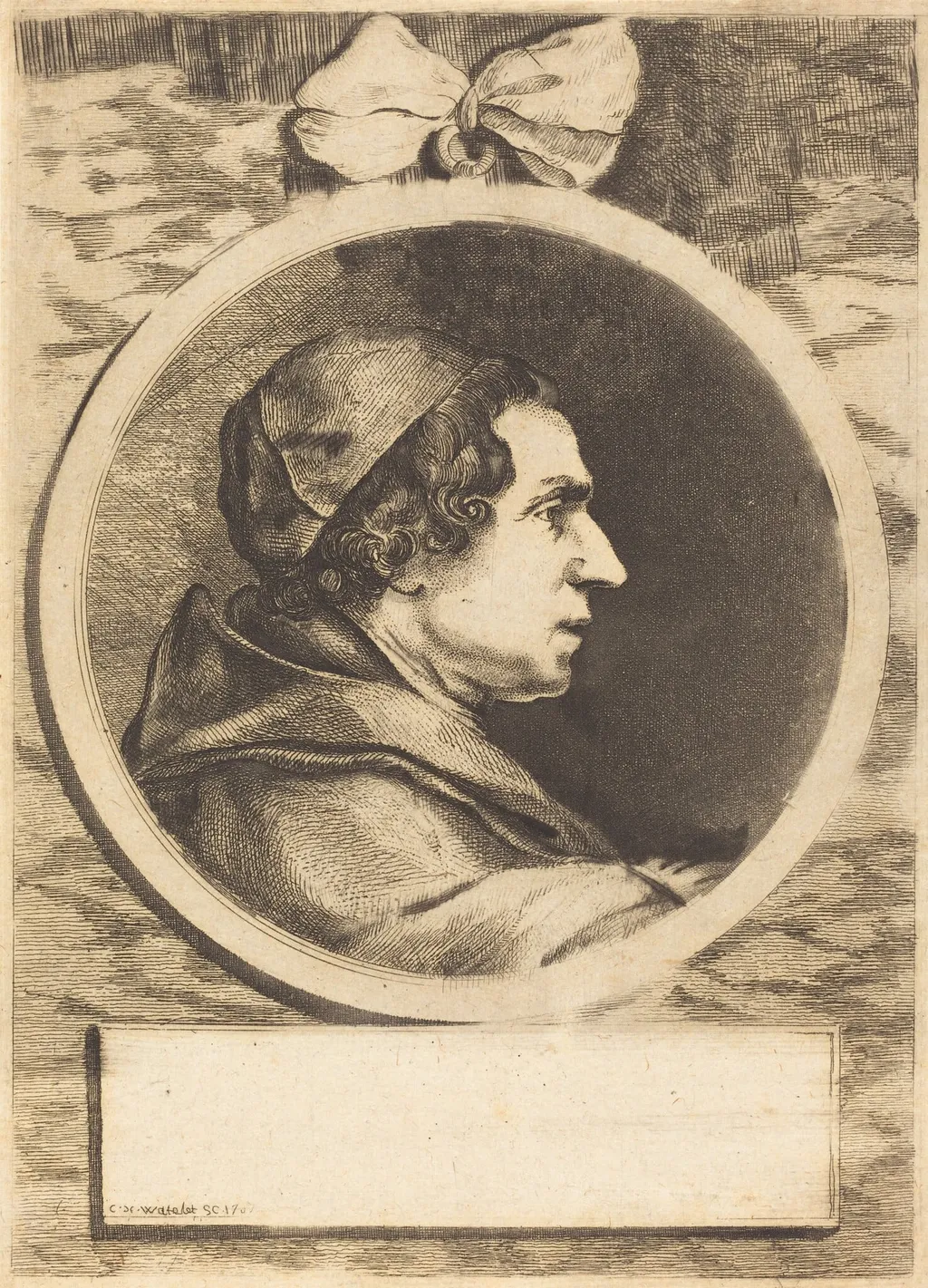
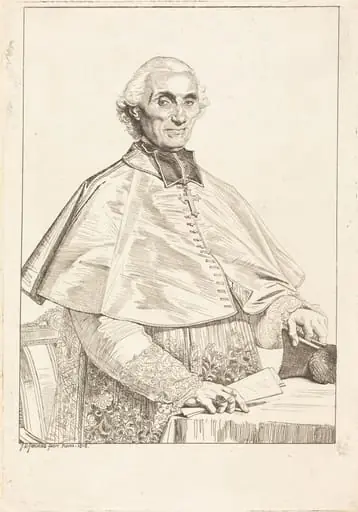
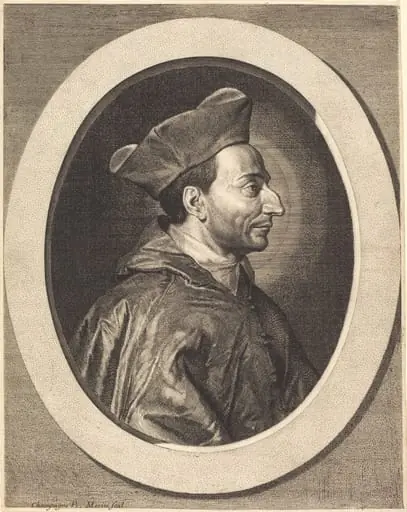
Portrait of an Abbot is an ink print by the Romanticist artist Claude Henri Watelet. It dates from 1767 and is held in the collection of the National Gallery of Art.
About this work
Overview
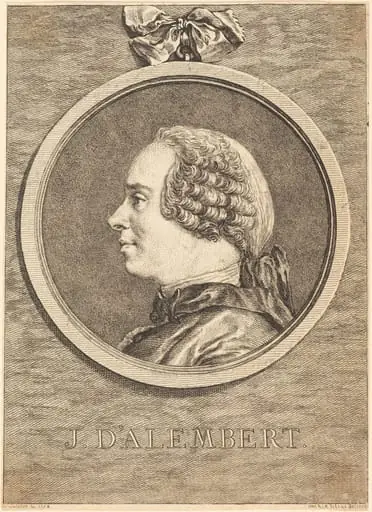
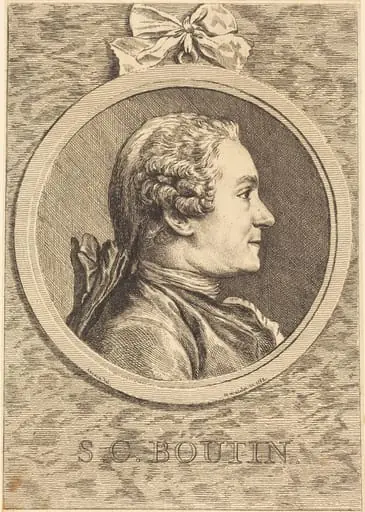
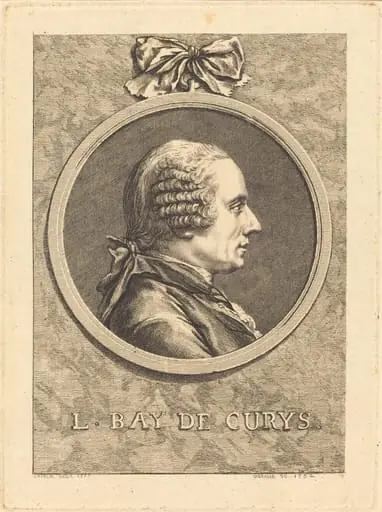
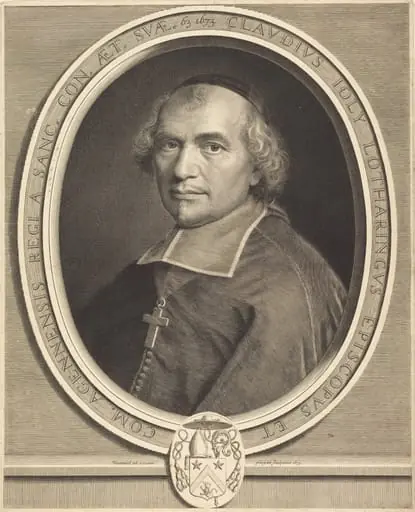
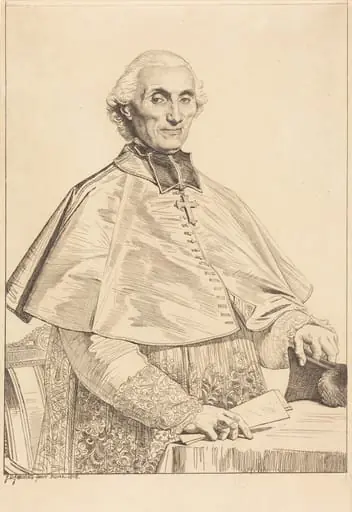
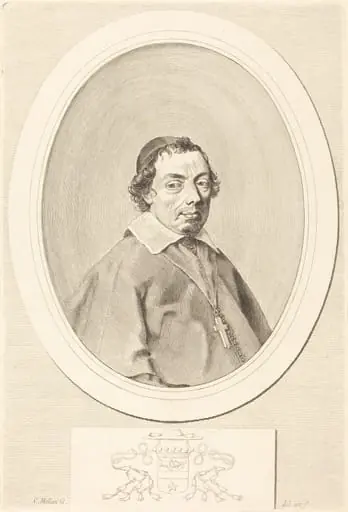
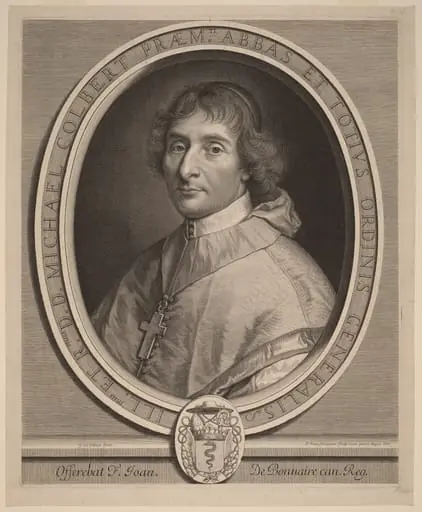
Created in 1767, this etching by Claude Henri Watelet depicts a clerical figure in profile, rendered in monochrome on laid paper.
Created in 1767, this etching by Claude Henri Watelet depicts a clerical figure in profile, rendered in monochrome on laid paper. The composition is contained within a circular frame, emphasizing the subject’s solemn presence. Fine, controlled lines define facial features and fabric, characteristic of etching’s capacity for delicate detail. The background mimics the texture of aged paper, enhancing the work’s quiet, intimate tone.
Subject & Meaning
The subject is identified as an abbot, a senior monk or religious superior, distinguished by his attire and dignified bearing. His serious expression, trimmed beard, and feather-adorned hat suggest both spiritual authority and a touch of personal distinction. The portrait avoids overt symbolism, instead conveying status through restraint and composure, typical of 18th-century ecclesiastical portraiture.
Technique & Style
Watelet employed etching, a printmaking method involving acid-bitten lines on a metal plate, to achieve fine gradations of tone and texture. The folds of the abbot’s robe and the texture of his hair are rendered with precise, deliberate strokes. The circular border and woven-texture background reflect a deliberate aesthetic choice, aligning the image with the tactile quality of handwritten manuscripts and early printed books.
History & Provenance
The work originates from Watelet’s circle of French intellectual and artistic patrons in the mid-1760s. Though specific ownership records are sparse, its production aligns with the period’s interest in engraved portraits of religious and scholarly figures. As a print, it was likely circulated among collectors, reflecting the era’s appetite for intimate, hand-produced images of notable individuals.
Context
In 1767, France was marked by a cultural fascination with clerical authority and Enlightenment-era rationality. Portraits of abbots, often produced as prints, served as both devotional objects and symbols of institutional stability. Watelet’s restrained style reflects a broader trend away from Baroque grandeur toward quieter, more introspective representations of character and status.
Legacy
While not widely known today, this etching exemplifies the quiet precision of 18th-century French printmaking. It stands as a modest but thoughtful record of how religious figures were visually framed during a time of shifting social and intellectual currents. Its survival in collections underscores its role as a representative artifact of artisanal portraiture beyond major painted commissions.
Artist & collection