Artwork
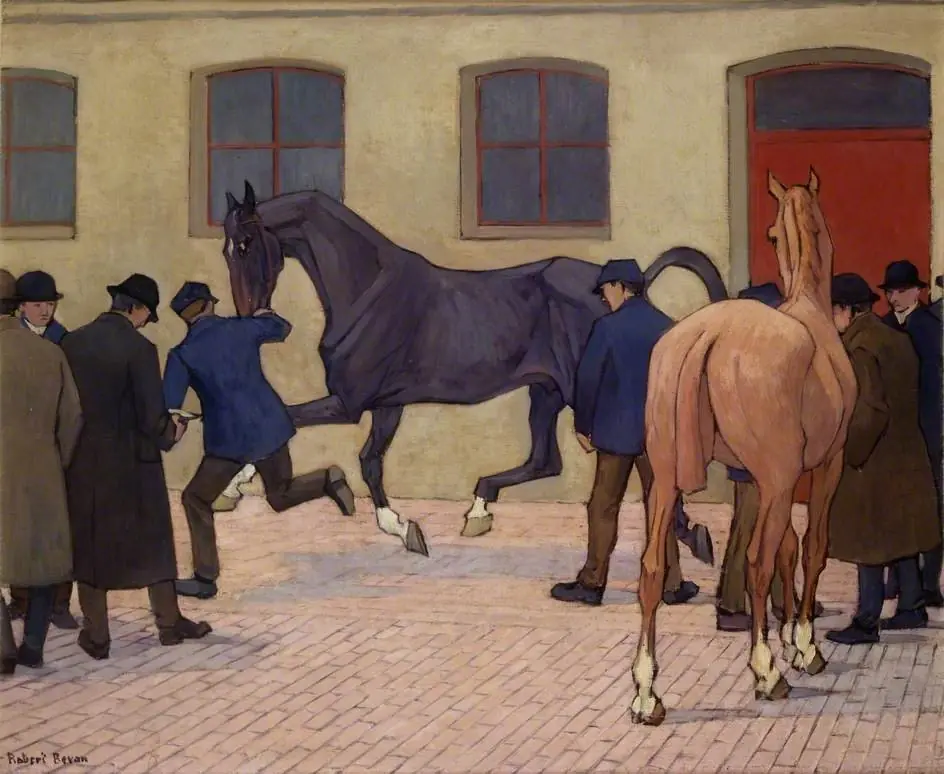
Parade at Aldridge's
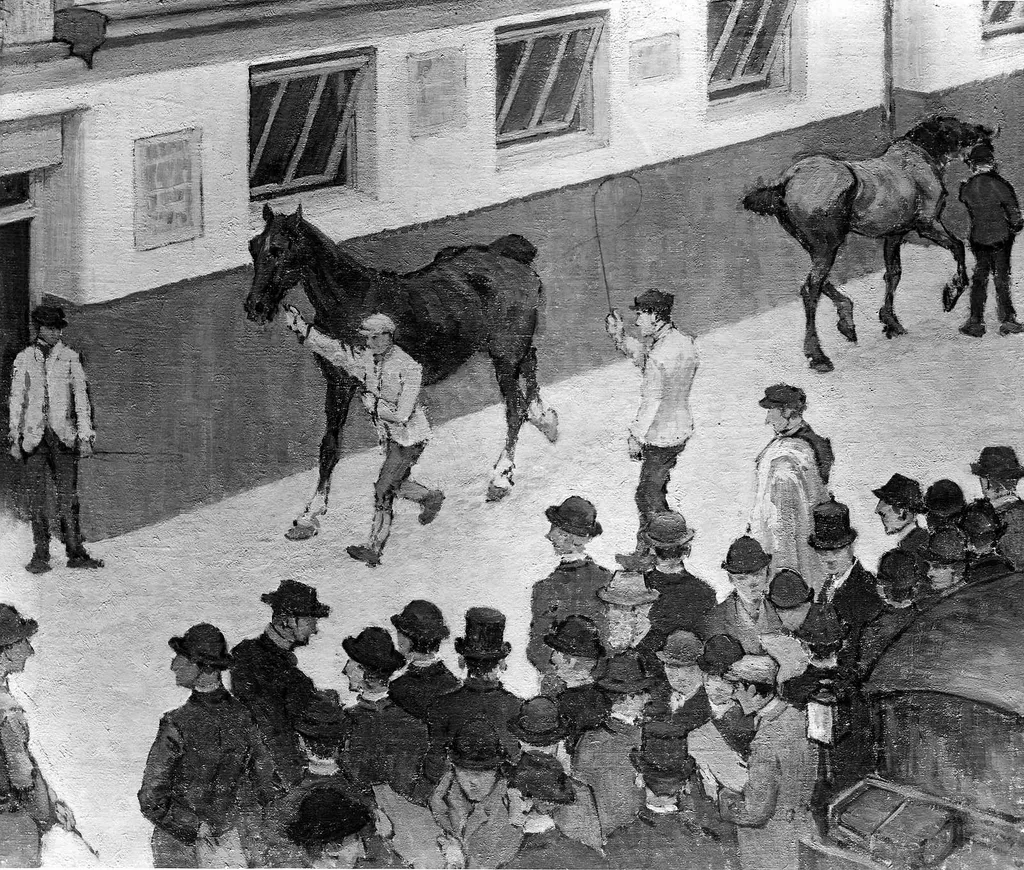
Parade at Aldridge's is an oil painting by the Post-Impressionist artist Robert Bevan. It dates from 1914 and is held in the collection of the Museum of Fine Arts Boston.
About this work
Overview
Robert Bevan’s 1914 oil painting *Parade at Aldridge’s* portrays a bustling street procession. A crowd in formal dress gathers before a multi‑windowed building, while a dark horse is led forward and another appears in the distance. The composition conveys movement and festivity, offering a snapshot of early‑twentieth‑century urban celebration.
Subject & Meaning
The work captures a public parade, emphasizing communal excitement and social display. Attendees in hats and elegant gowns suggest a civic or ceremonial occasion, while the presence of horses underscores the event’s grandeur. By focusing on the crowd’s interaction with the architectural backdrop, Bevan highlights the interplay between public space and collective merriment.
Technique & Style
Executed in oil on canvas, the painting employs the loose brushwork and vivid color palette characteristic of British post‑Impressionism. Bevan balances flattened planes with subtle modeling, allowing the figures and architecture to retain a sense of depth without sacrificing decorative rhythm. The handling of light on the building’s windows adds atmospheric nuance.
History & Provenance
Created shortly before the outbreak of World War I, *Parade at Aldridge’s* reflects Bevan’s active participation in the Camden Town Group and the London Group, circles that championed modernist approaches in Britain. The painting entered private collections soon after its completion and has since been exhibited in surveys of early twentieth‑century British art.
Artist & collection
Artist
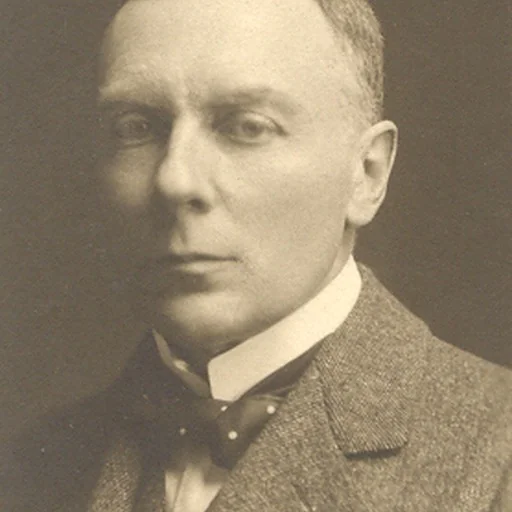
Robert Polhill Bevan (5 August 1865 – 8 July 1925) was a British painter, draughtsman and lithographer who was married to the Polish-born artist Stanisława de Karłowska.

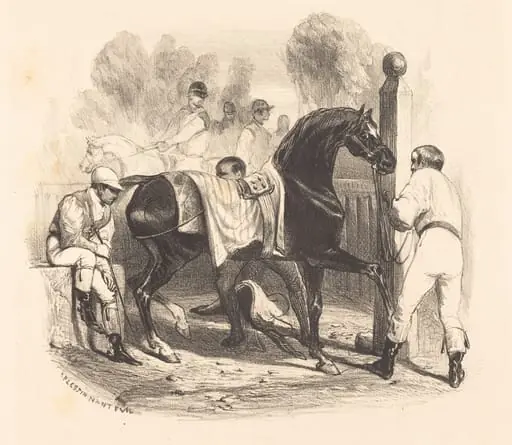 Horse before the Race
 Pferde
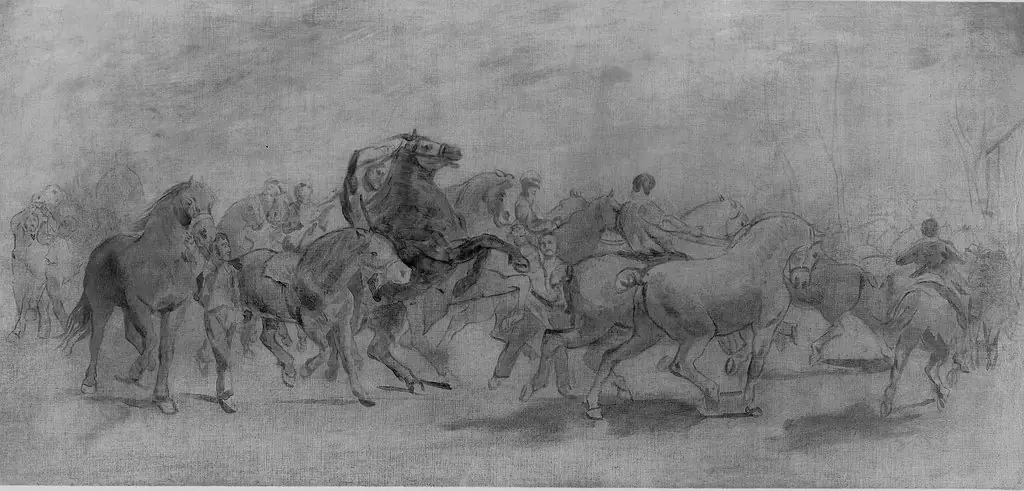 Study for The Horse Fair
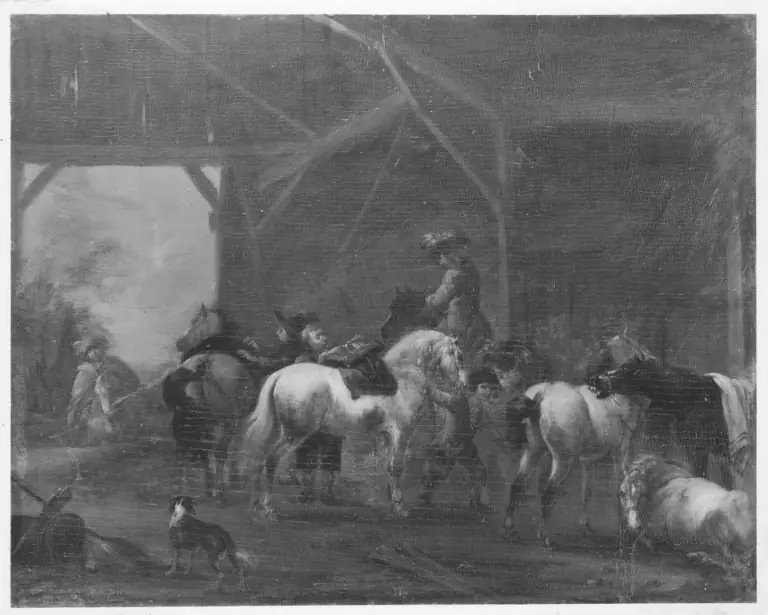 Pferde im Stall
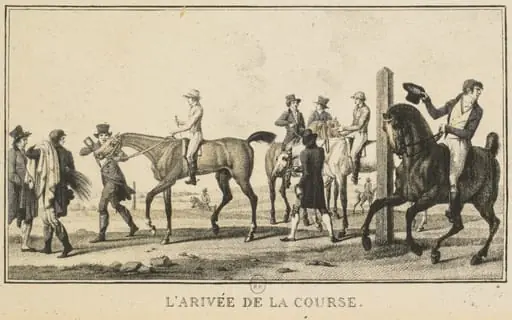 Racing Scenes: A Horse Arriving at the Race (Scènes Hippiques: Cheval arrivant de la chasse)
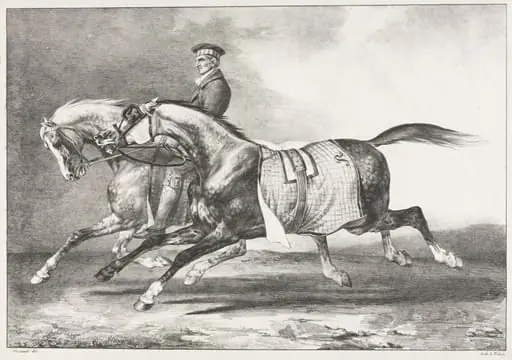 Two Dappled Horses Exercising
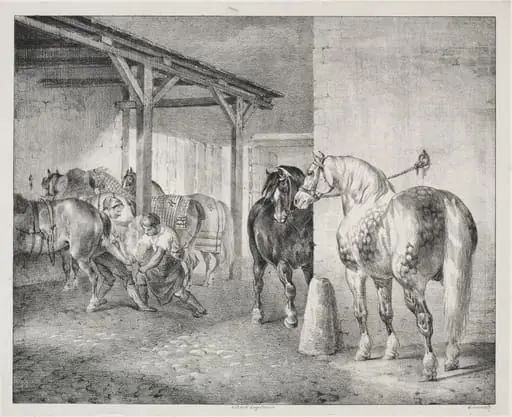 The Ferrier's Shed
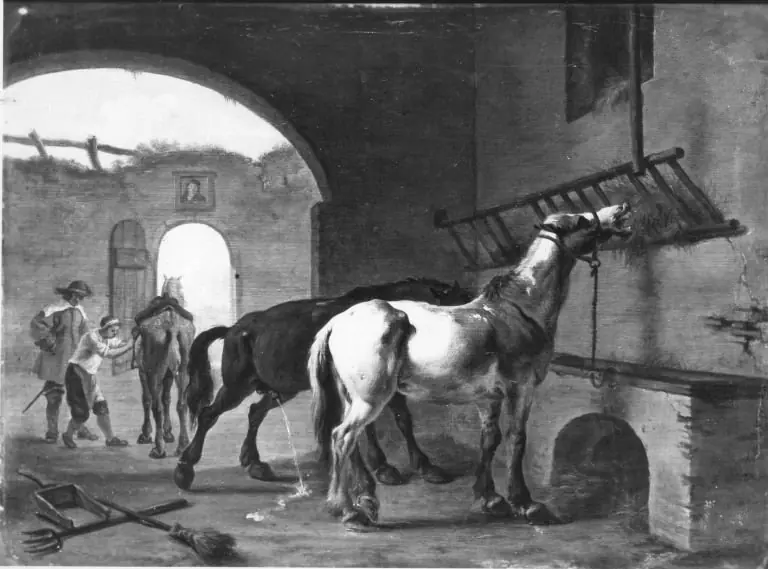 Zwei Pferde im Stall (?)
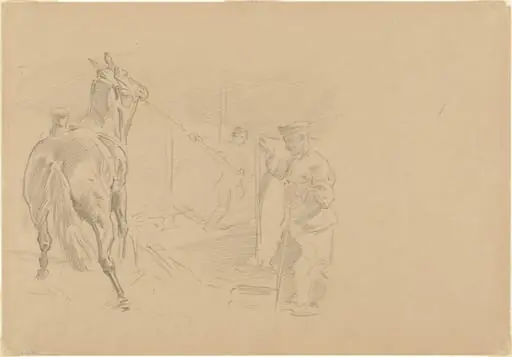 Man Pulling a Horse into a Stall
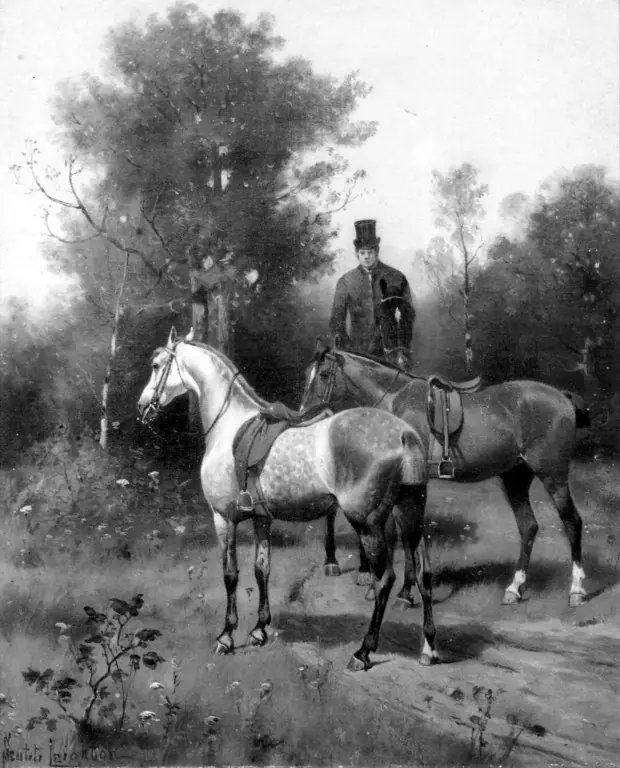 Horses and Mounted Groom
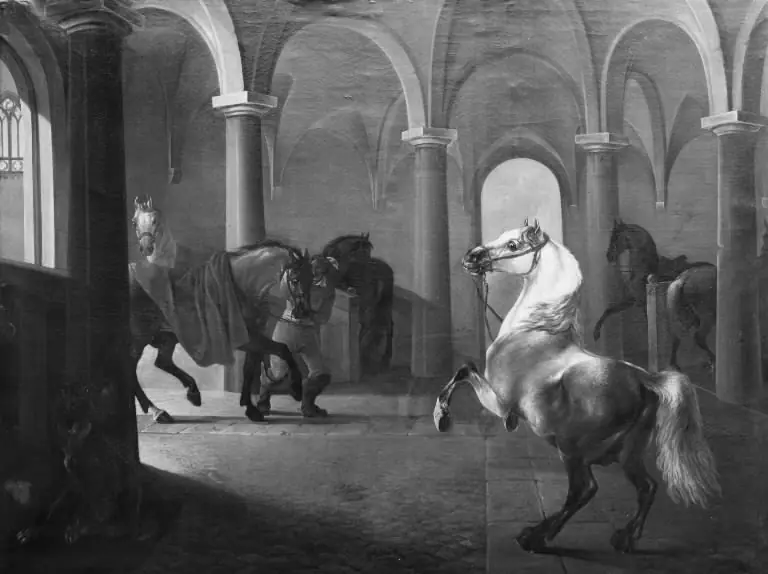 En hestestald
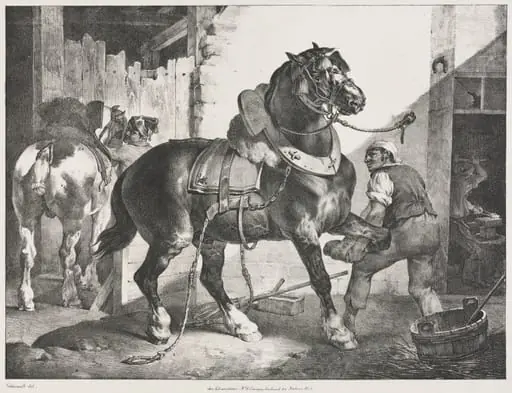 The French Blacksmith