Artwork
The Polish Tavern
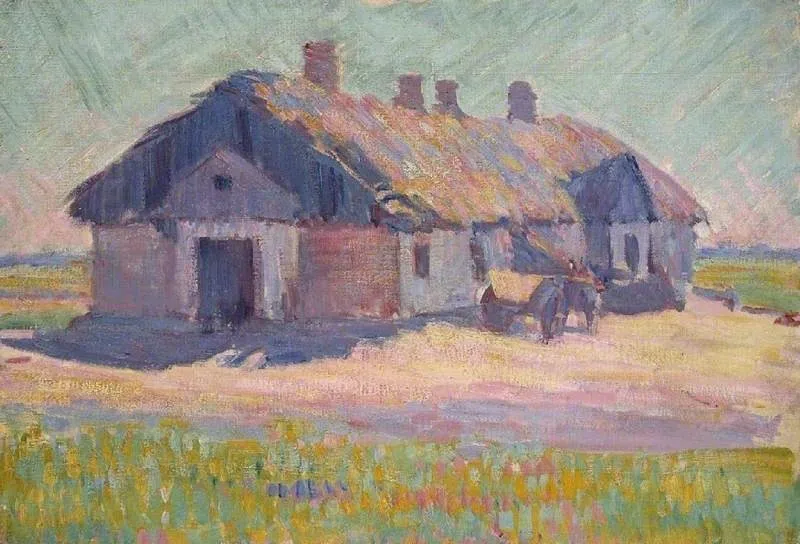
The Polish Tavern is an oil painting by Robert Bevan. It dates from 1902 and is held in the collection of the Fitzwilliam Museum.
About this work
Overview
Bevan’s approach blends observation with a quiet expressiveness, reflecting his interest in everyday English and European rural life.
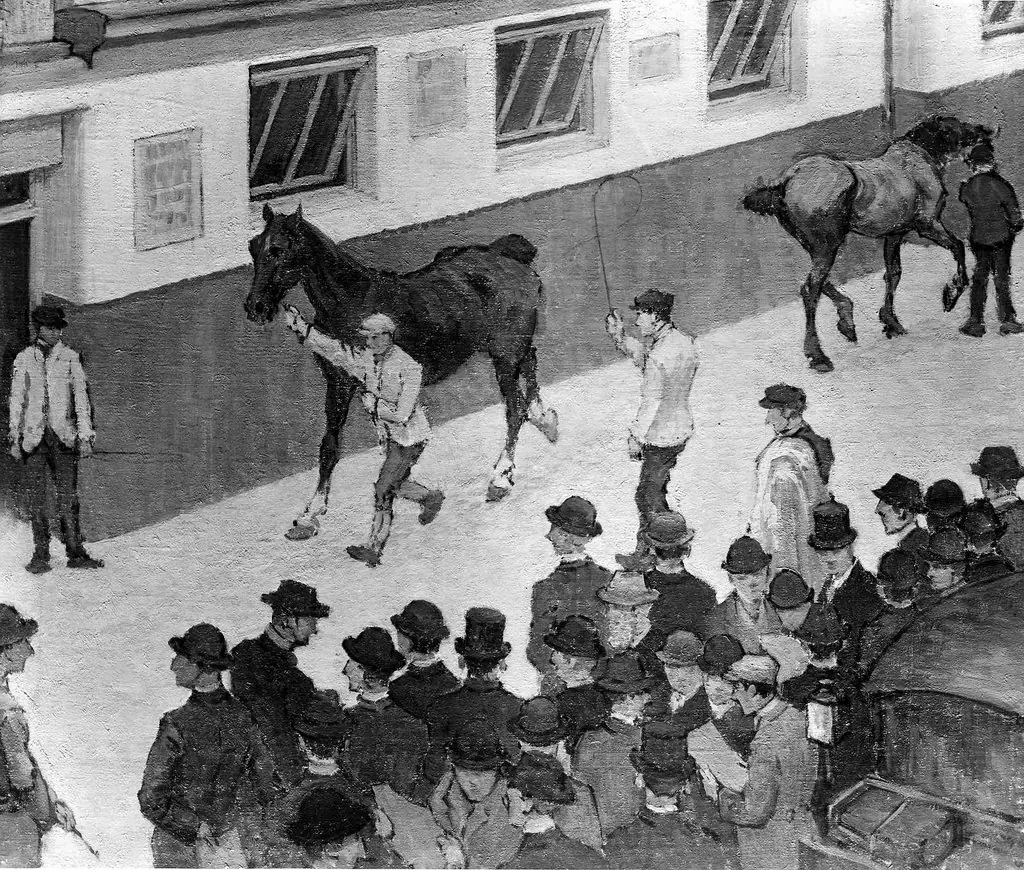
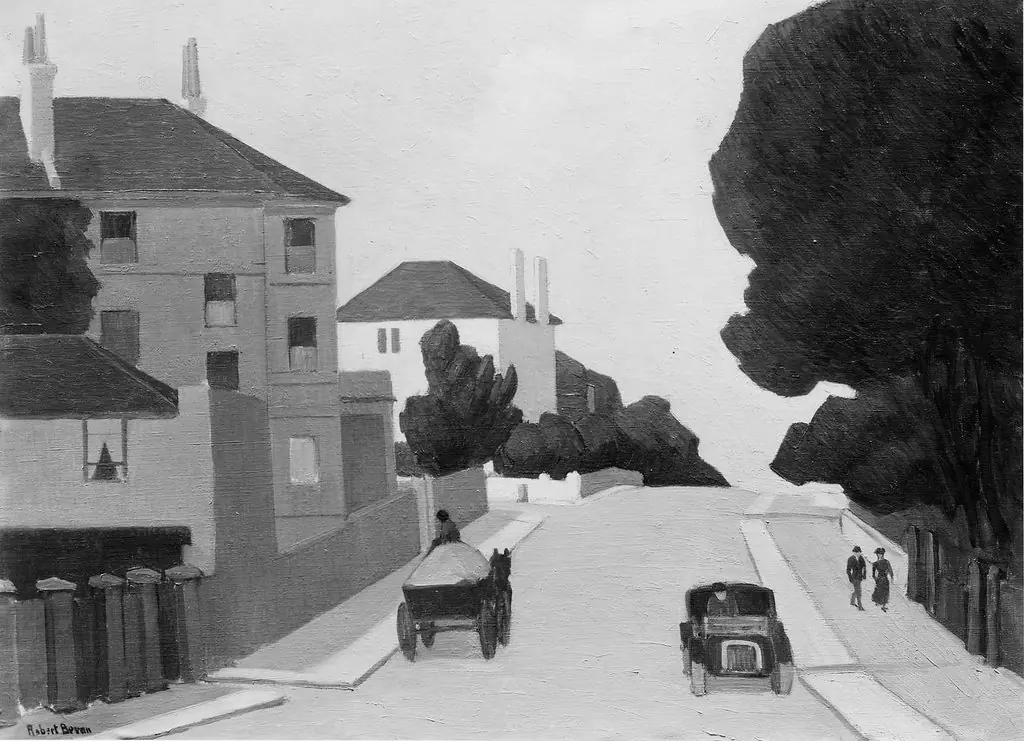
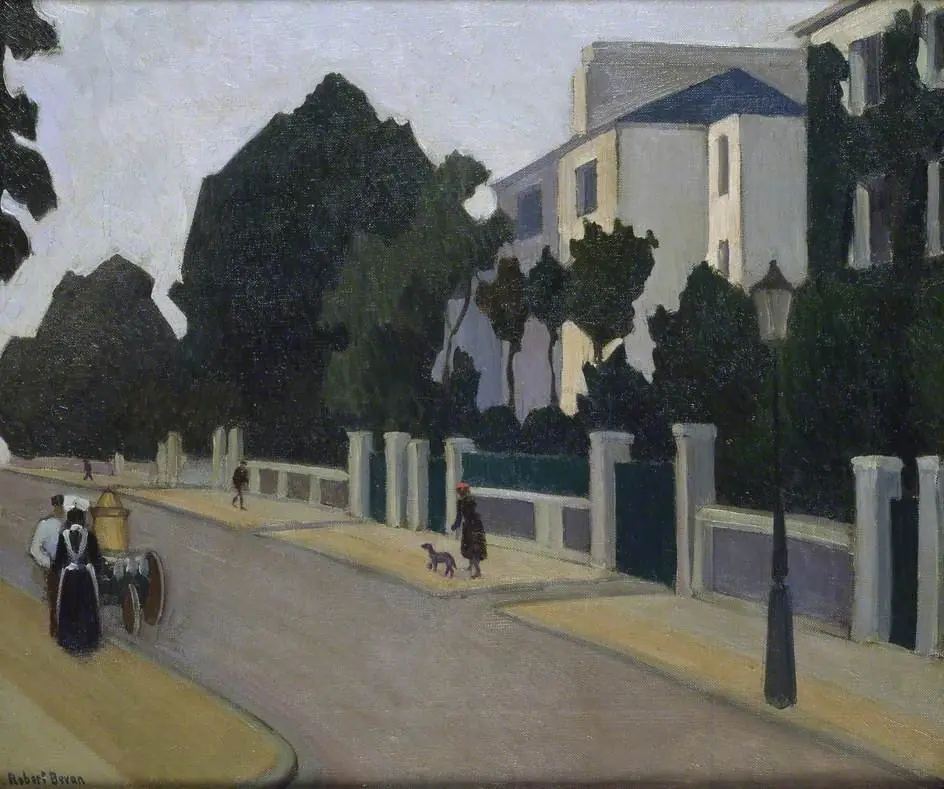
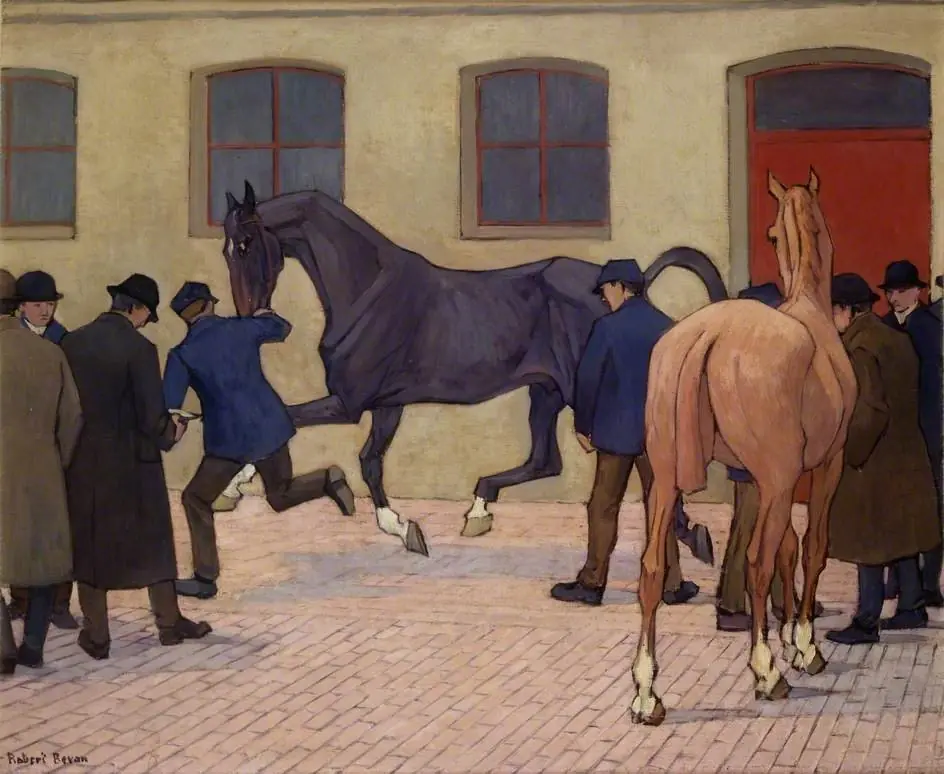
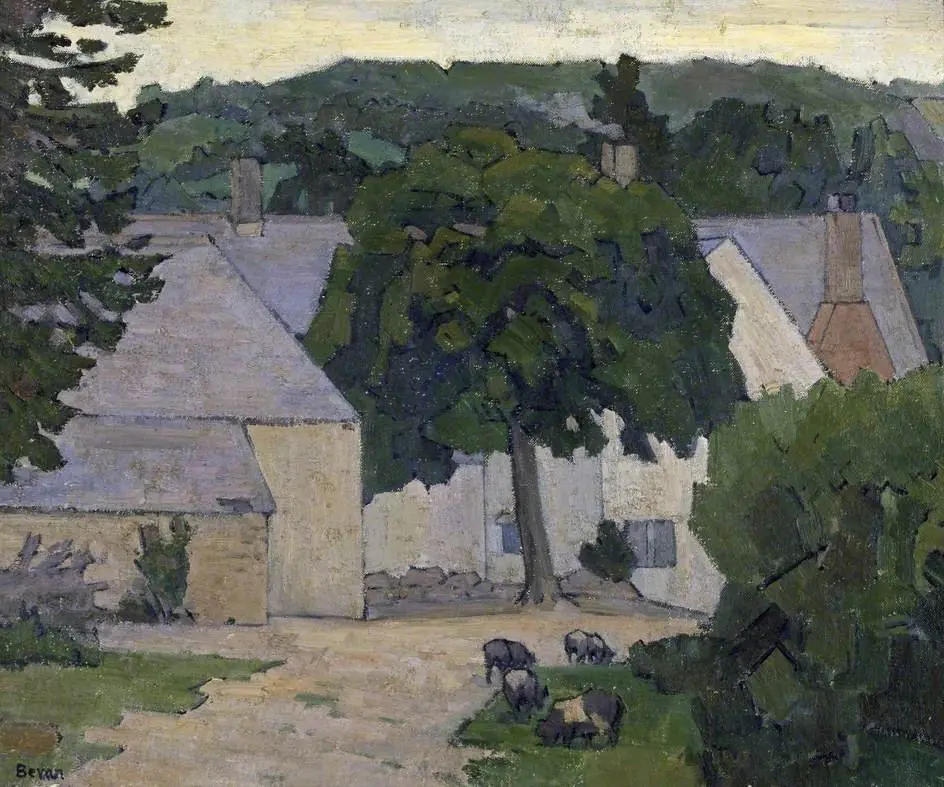
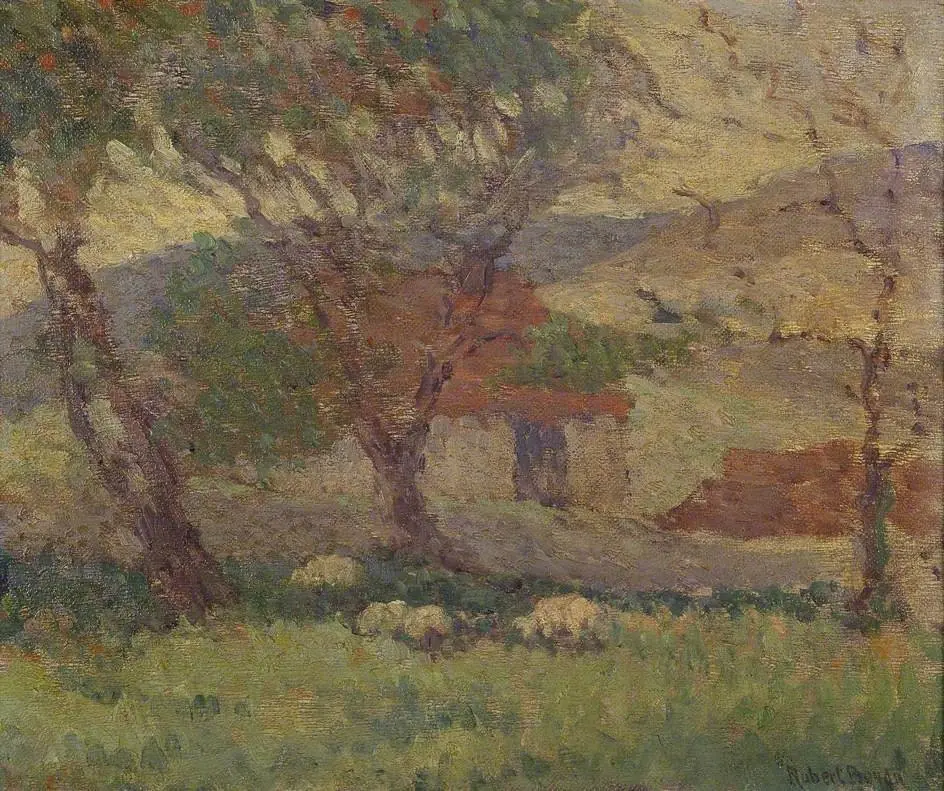
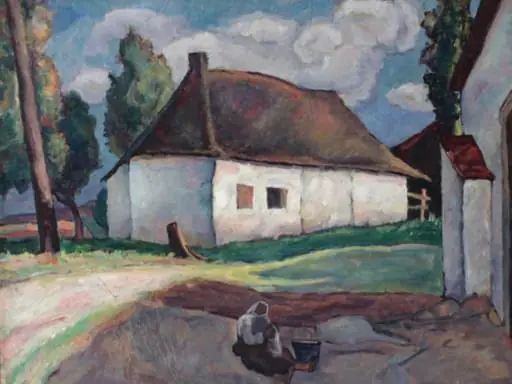
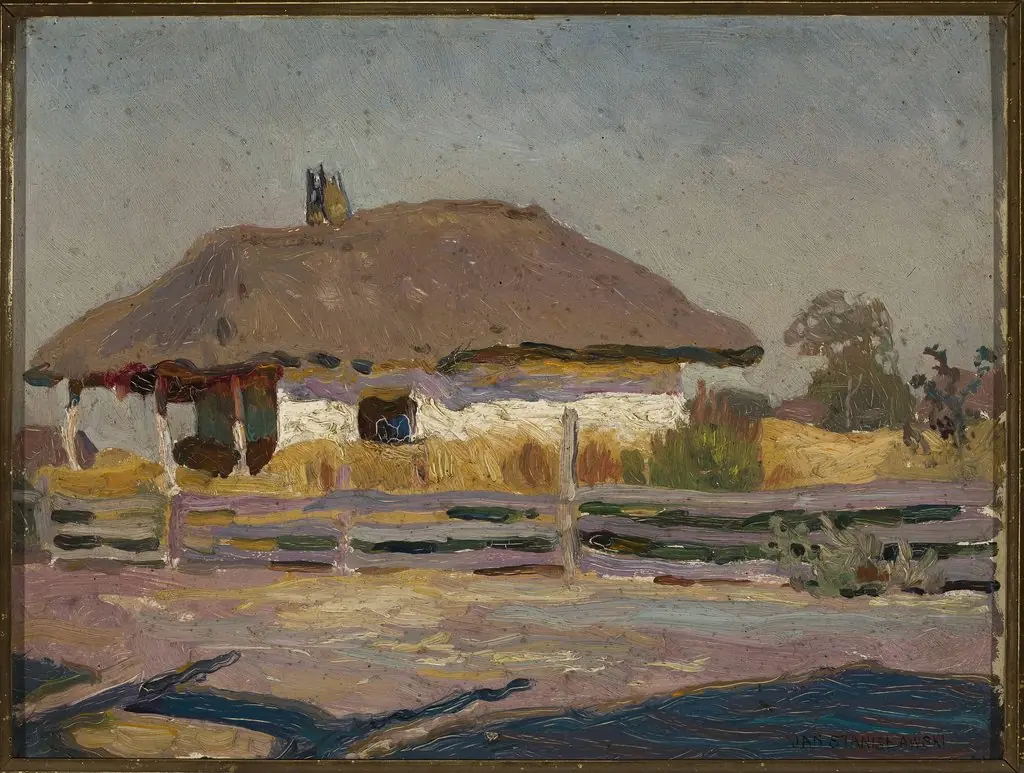
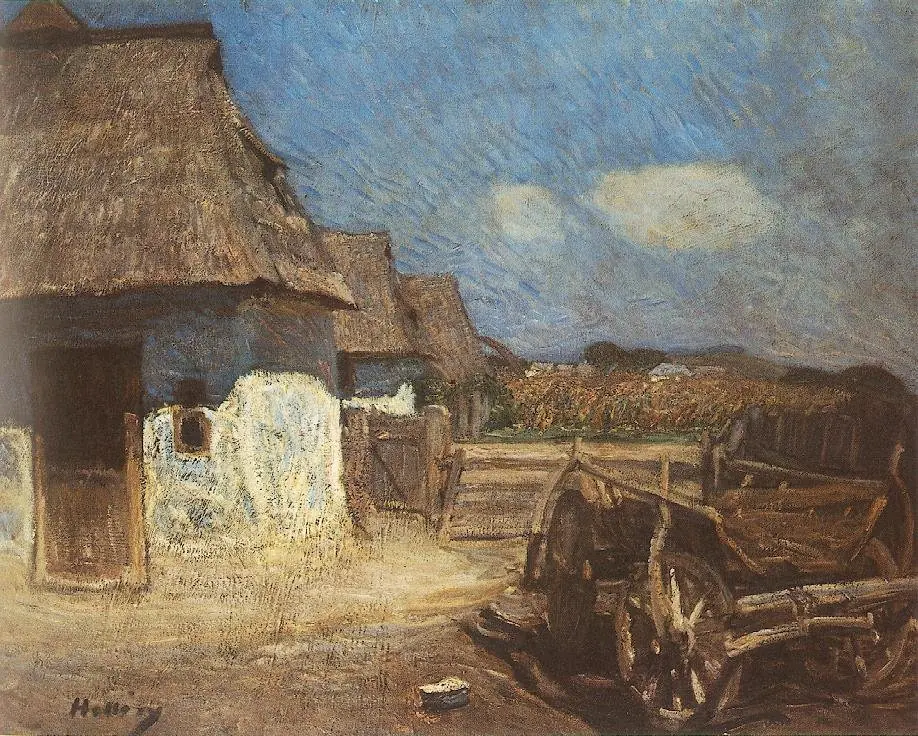
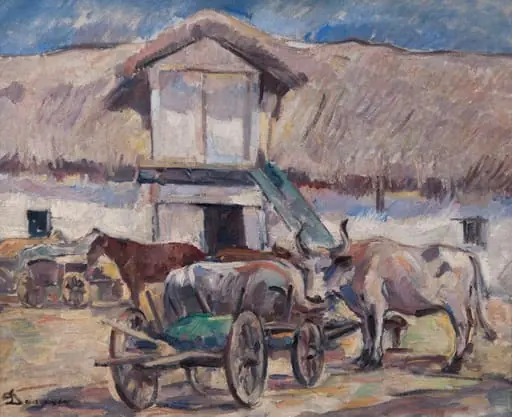
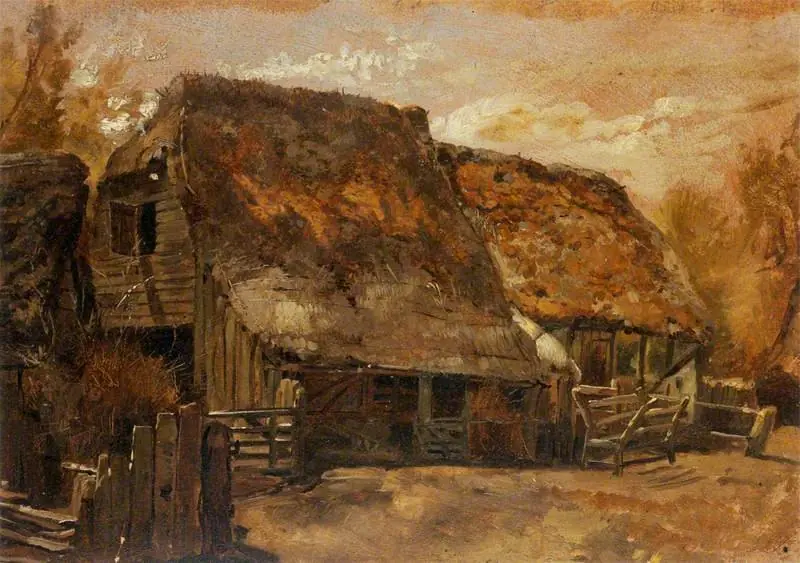
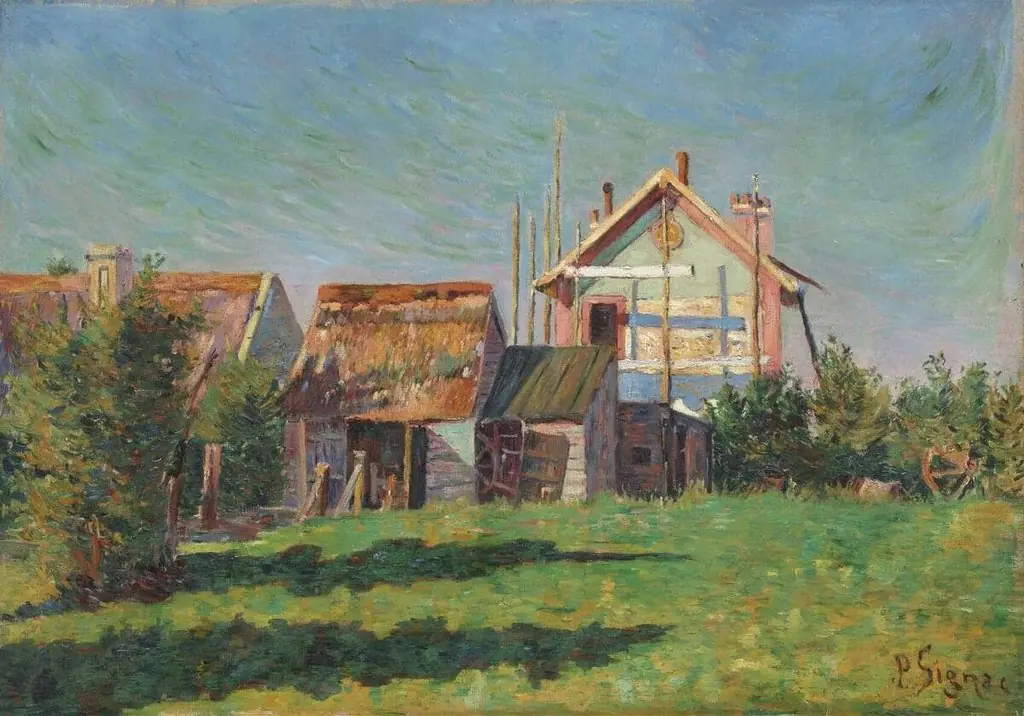
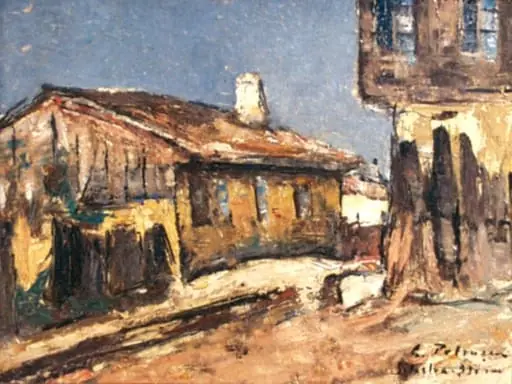
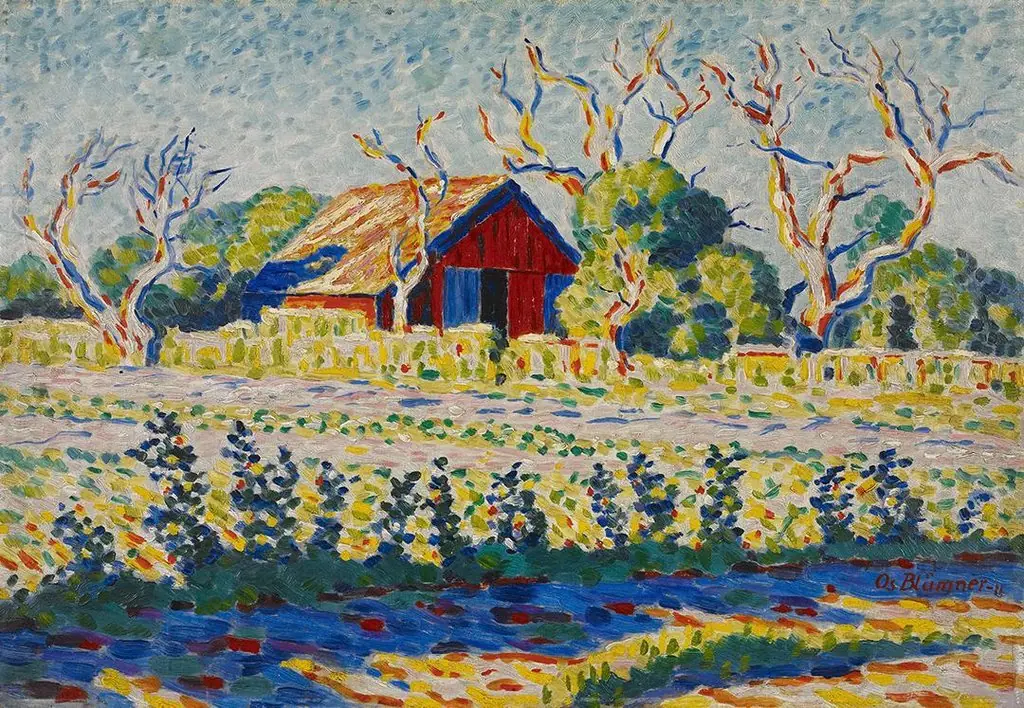
Painted in 1902, *The Polish Tavern* is an oil on canvas work by British artist Robert Bevan. It captures a rural exterior scene rather than an interior, contrary to some descriptions. The composition centers on a modest, thatched building with a horse standing nearby, set against open fields and a soft sky. Bevan’s approach blends observation with a quiet expressiveness, reflecting his interest in everyday English and European rural life.
Subject & Meaning
The painting presents a modest roadside structure, likely a tavern or inn, with a single horse tethered outside—a common feature in rural travel scenes. The absence of human figures invites contemplation of solitude and transience. The title suggests a Polish connection, possibly referencing immigrant communities in Britain, though the architecture and setting align more closely with English countryside vernacular, leaving cultural associations open to interpretation.
Technique & Style
Bevan employs loose, deliberate brushwork to convey texture and atmosphere, avoiding fine detail in favor of tonal harmony. The palette is restrained—earthy browns, muted greens, and pale blues—creating a subdued, atmospheric mood. The strokes are energetic yet controlled, suggesting movement in the grass and clouds without disrupting the scene’s stillness. This approach reflects his engagement with Post-Impressionist principles, particularly in the flattening of space and emphasis on structure.
History & Provenance
Created during Bevan’s early career, the painting predates his formal association with the Camden Town Group but anticipates its aesthetic concerns. It entered the Fitzwilliam Museum’s collection through the bequest of Sir Richard Sutton in 1952. Its survival and preservation reflect its quiet significance within early 20th-century British art, though it has never been widely exhibited or reproduced.
Context
Bevan painted this during a period when British artists were turning away from academic traditions toward more personal, observational styles. Rural scenes like this one resonated with contemporaries such as Walter Sickert and the Camden Town painters, who sought dignity in ordinary life. The work also echoes European realism, particularly French and Polish rural depictions, reflecting Bevan’s broader continental influences and travels.
Legacy
Though not among Bevan’s most famous works, *The Polish Tavern* exemplifies his quiet, methodical approach to landscape and vernacular architecture. It contributes to understanding the development of British modernism outside urban centers. The painting remains a subtle testament to Bevan’s ability to infuse simplicity with emotional resonance, influencing later generations interested in the poetic potential of everyday scenes.
Artist & collection
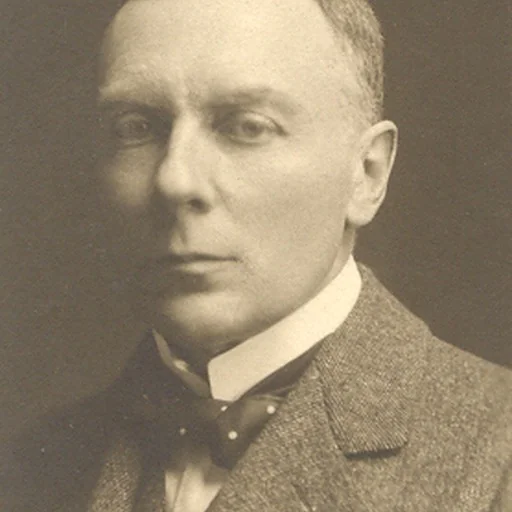
Artist
Robert Polhill Bevan (5 August 1865 – 8 July 1925) was a British painter, draughtsman and lithographer who was married to the Polish-born artist Stanisława de Karłowska.