Artwork
John Channing
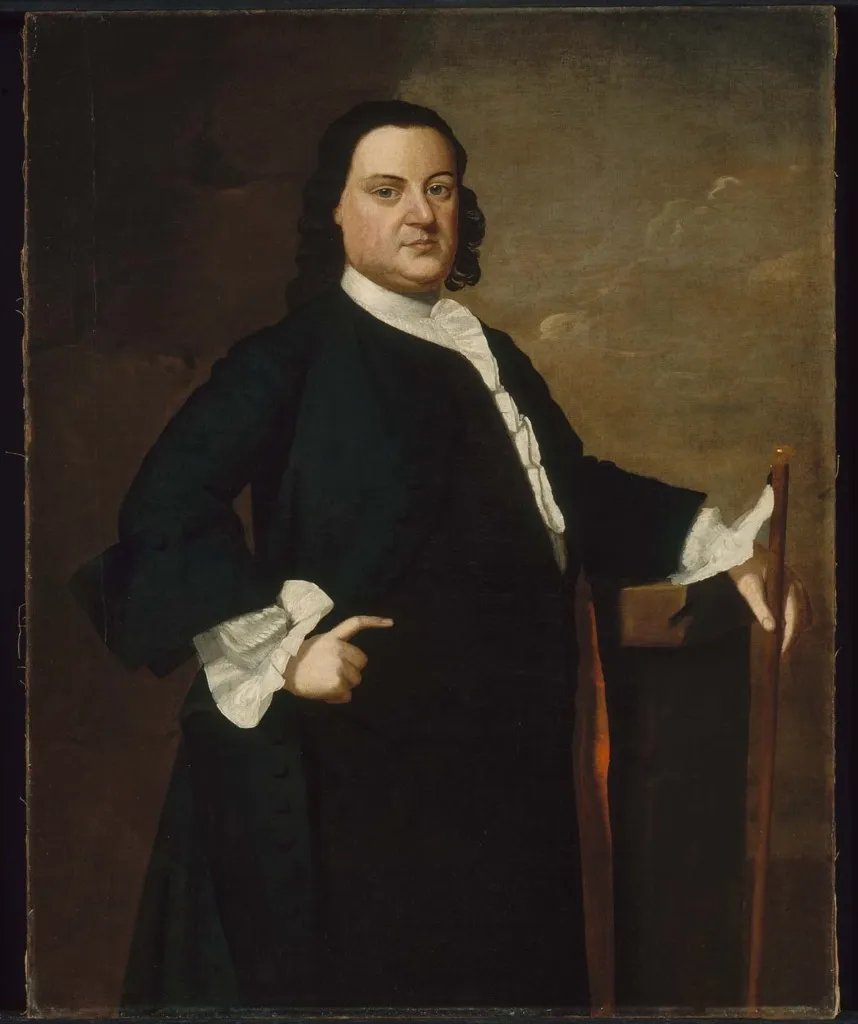
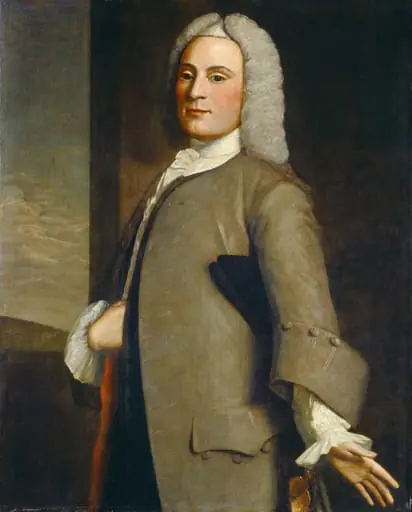
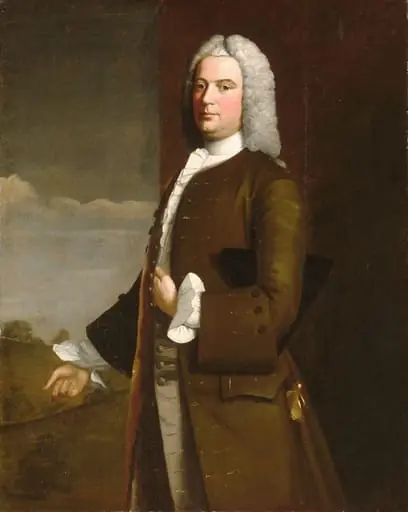
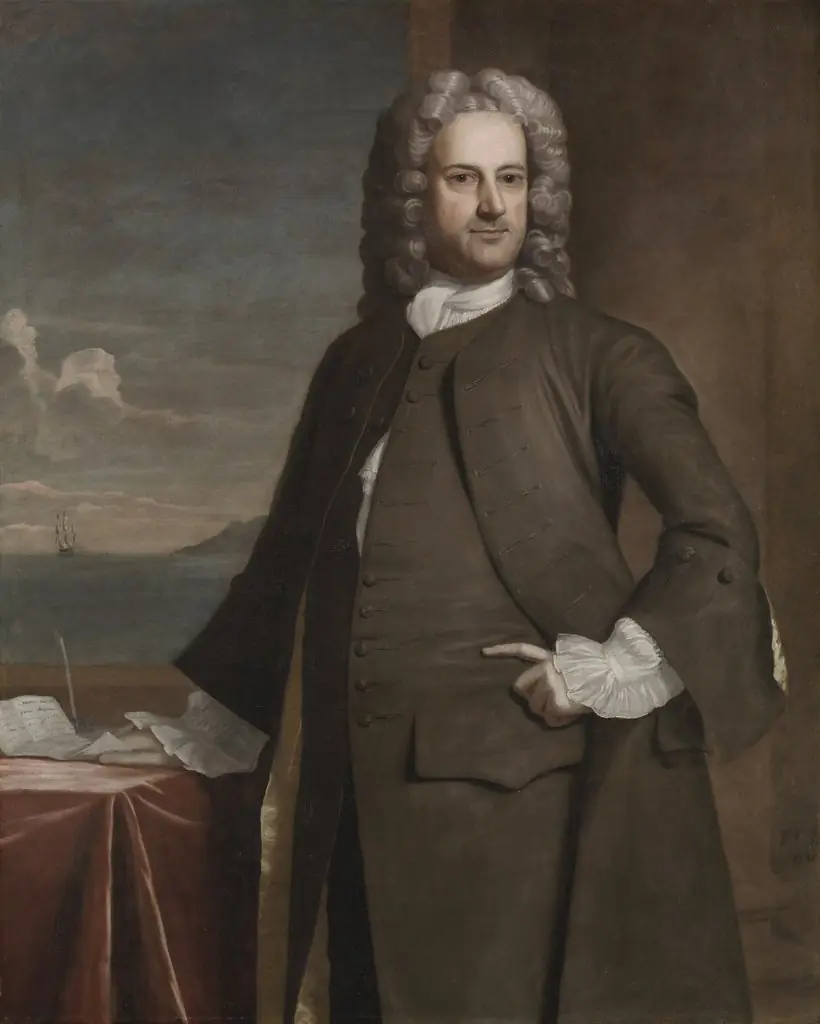
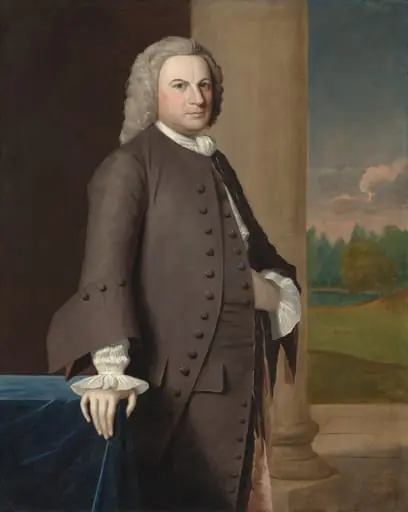
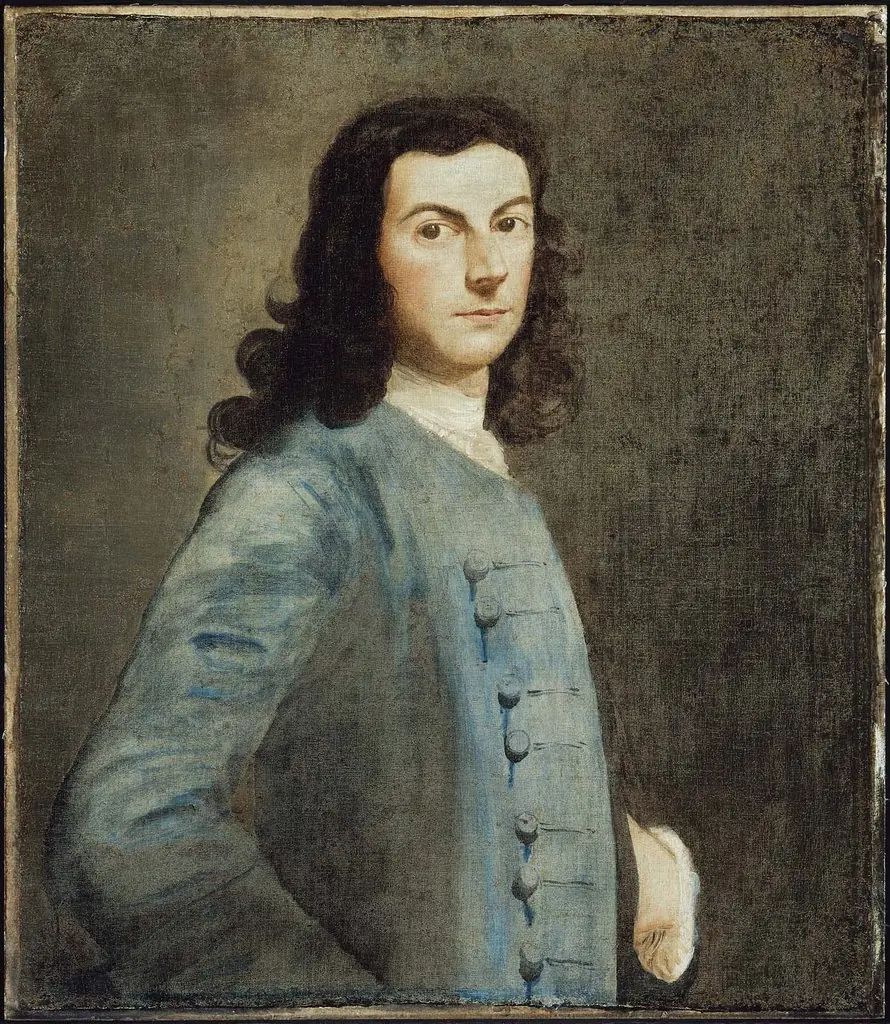
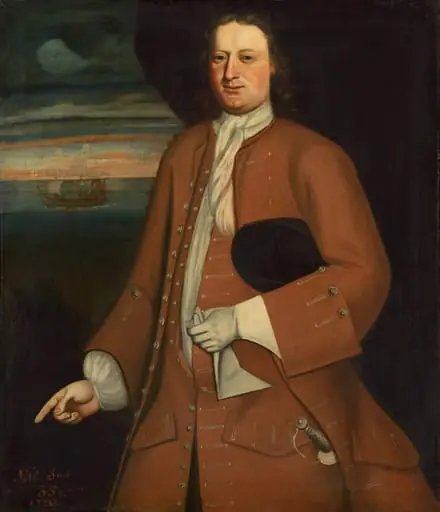
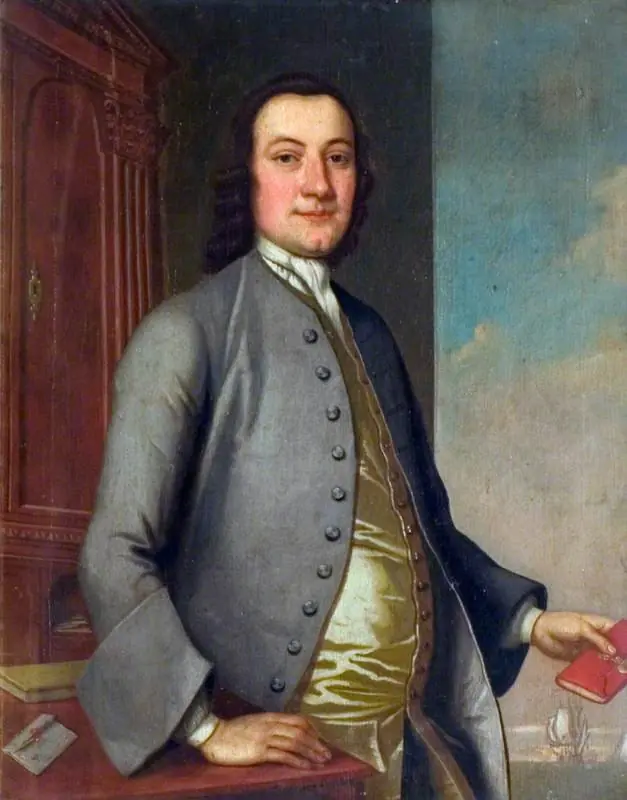
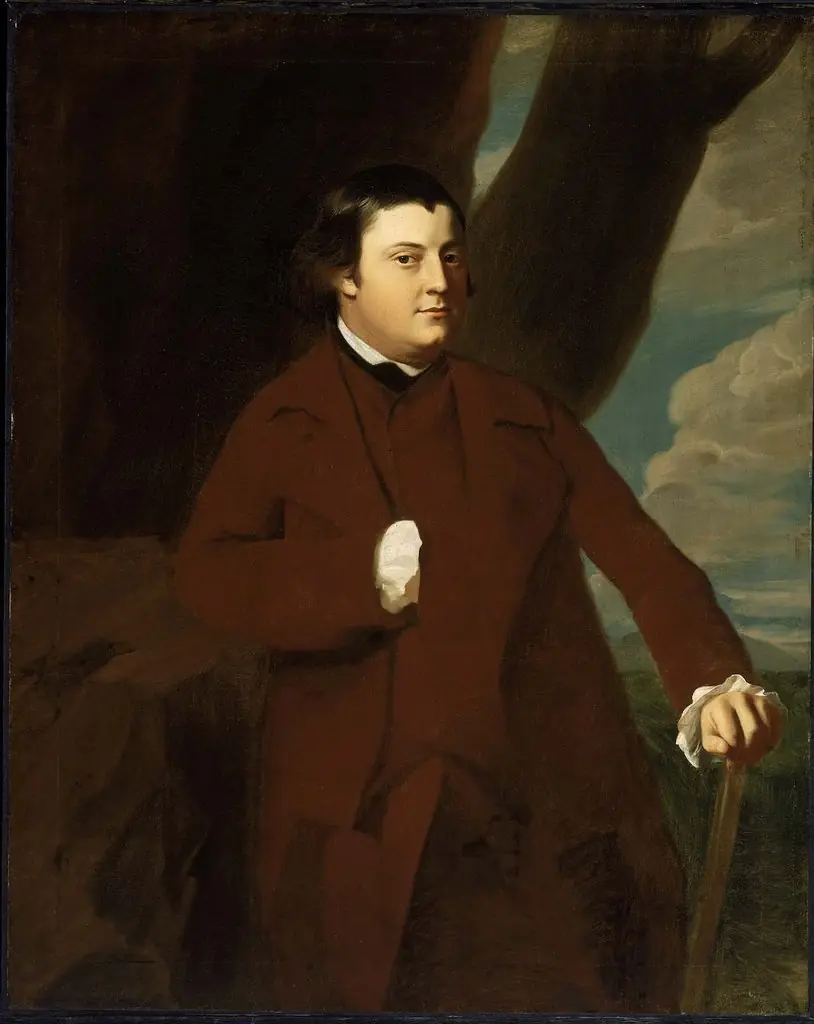
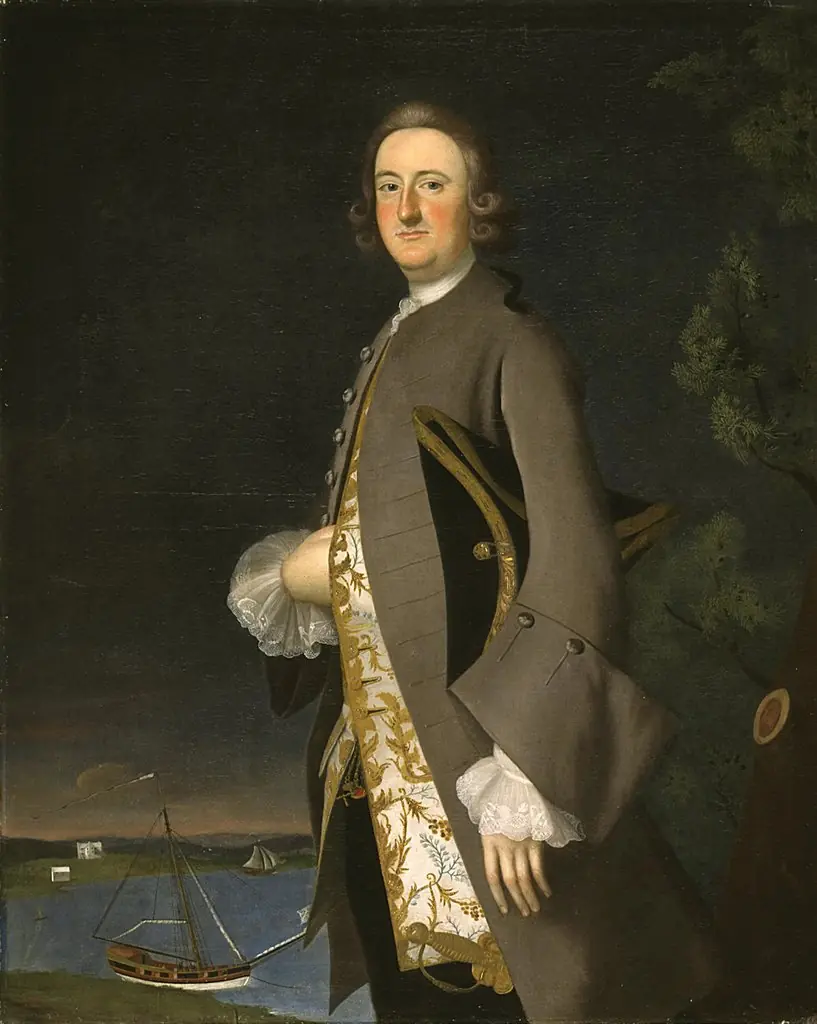
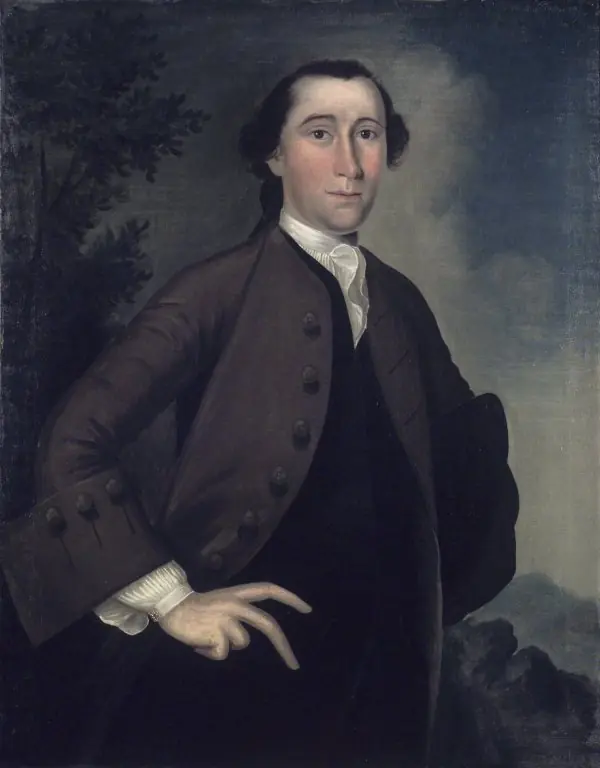
John Channing is an oil painting by the Rococo painting artist Robert Feke. It dates from 1748 and is held in the collection of the Museum of Fine Arts Boston.
About this work
Overview
The work is part of the Museum of Fine Arts, Boston’s collection and reflects the emerging tradition of American portraiture in the mid-18th century.
Robert Feke painted John Channing in 1748 using oil on canvas, capturing a colonial gentleman in a composed, full-length portrait. The work is part of the Museum of Fine Arts, Boston’s collection and reflects the emerging tradition of American portraiture in the mid-18th century. Feke, active in New England, was among the earliest native-born painters to gain recognition for his skill in rendering likeness and social presence through oil paint.
Subject & Meaning
John Channing, a figure of colonial New England society, is depicted with quiet dignity. His formal attire—black coat, white linen shirt, and cuffs—signals status, while his gesture of pointing downward may suggest contemplation or ownership of property. The serious expression and direct yet averted gaze convey restraint, aligning with ideals of gentlemanly comportment in the period. The portrait serves as both personal record and social statement.
Technique & Style
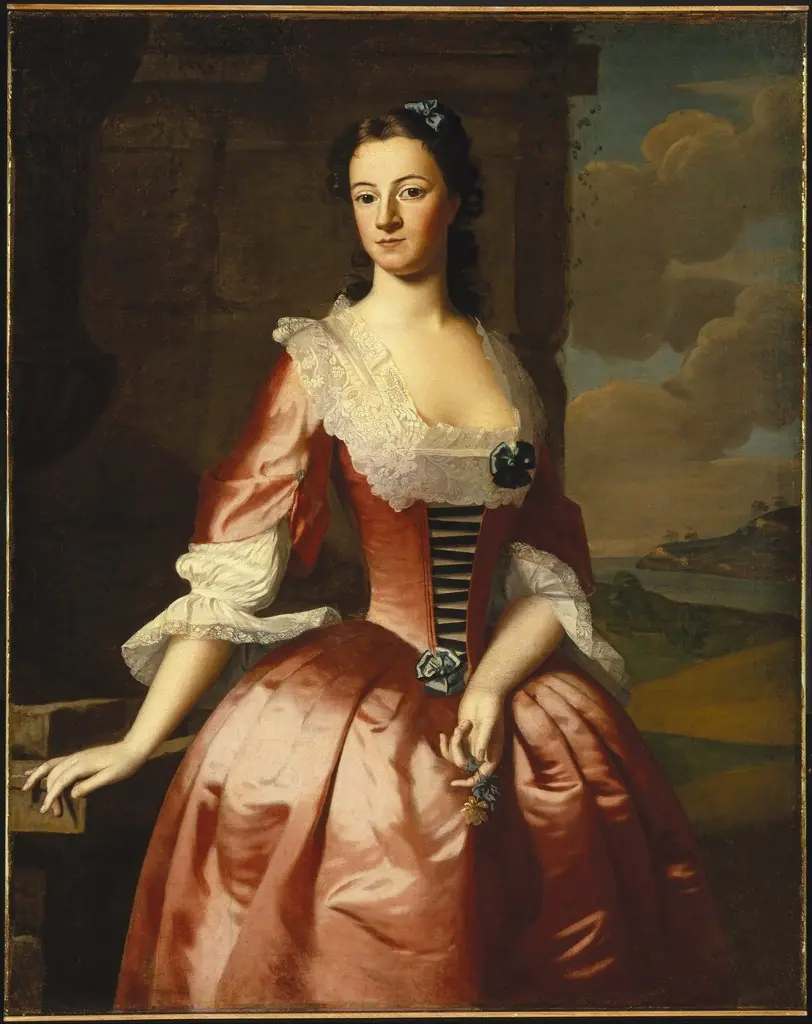
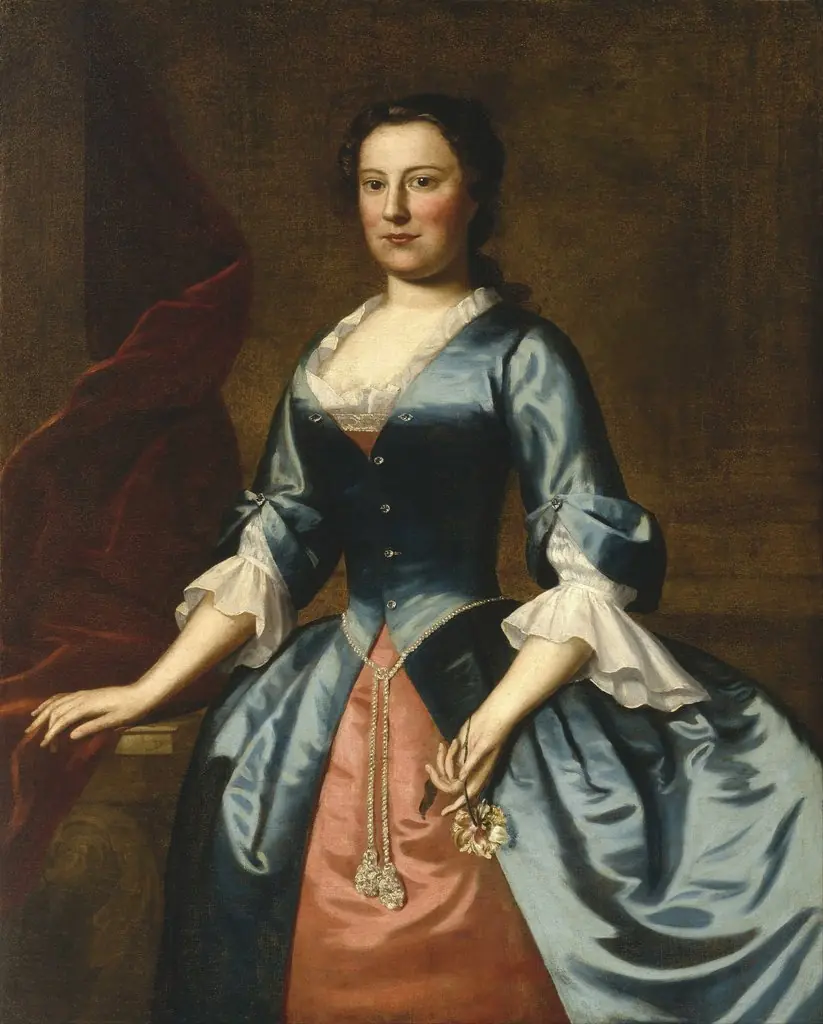
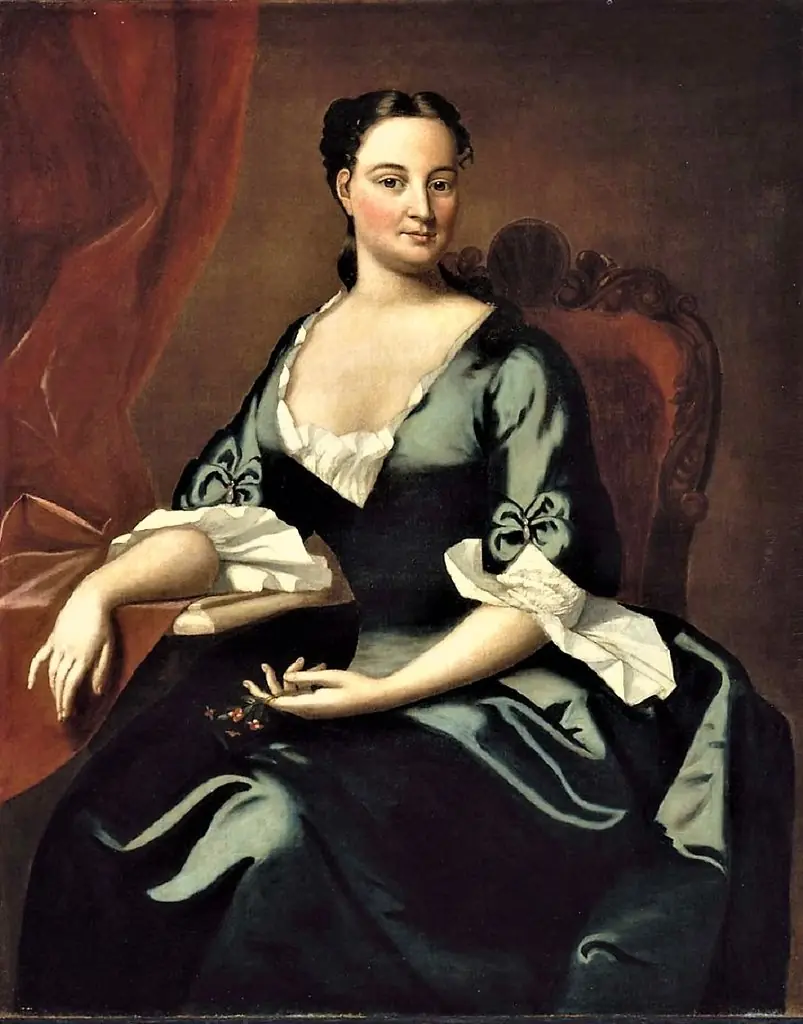
Feke employed soft modeling and subtle tonal transitions to render fabric and skin with naturalism. The background, a muted blend of brown, gray, and blue, avoids ornate detail, focusing attention on the figure. Brushwork is precise but not overly refined, reflecting a pragmatic approach common among colonial artists. The composition follows the conventions of English portraiture, adapted to American sensibilities with restrained elegance.
History & Provenance
The painting has remained in institutional hands since at least the early 20th century, entering the Museum of Fine Arts, Boston’s collection through documented acquisition. Few of Feke’s works survive—approximately sixty are known—making this portrait a rare example of his mature style. Its continuous preservation suggests early recognition of its historical value within American art circles.
Context
Created during a time when colonial elites sought to assert cultural legitimacy through portraiture, the image reflects transatlantic artistic influences. While Feke’s style shows ties to British painters like Hogarth, his work is distinctly American in its simplicity and directness. The absence of elaborate settings or allegorical elements underscores the practical, status-oriented function of portraiture in provincial society.
Legacy
Feke’s portraits, including this one, helped establish a visual language for American identity before the Revolution. His ability to capture individual character within formal constraints influenced later painters in the colonies. Though not widely celebrated in his lifetime, his surviving works are now studied as key documents in the development of early American art.
Artist & collection