Artwork
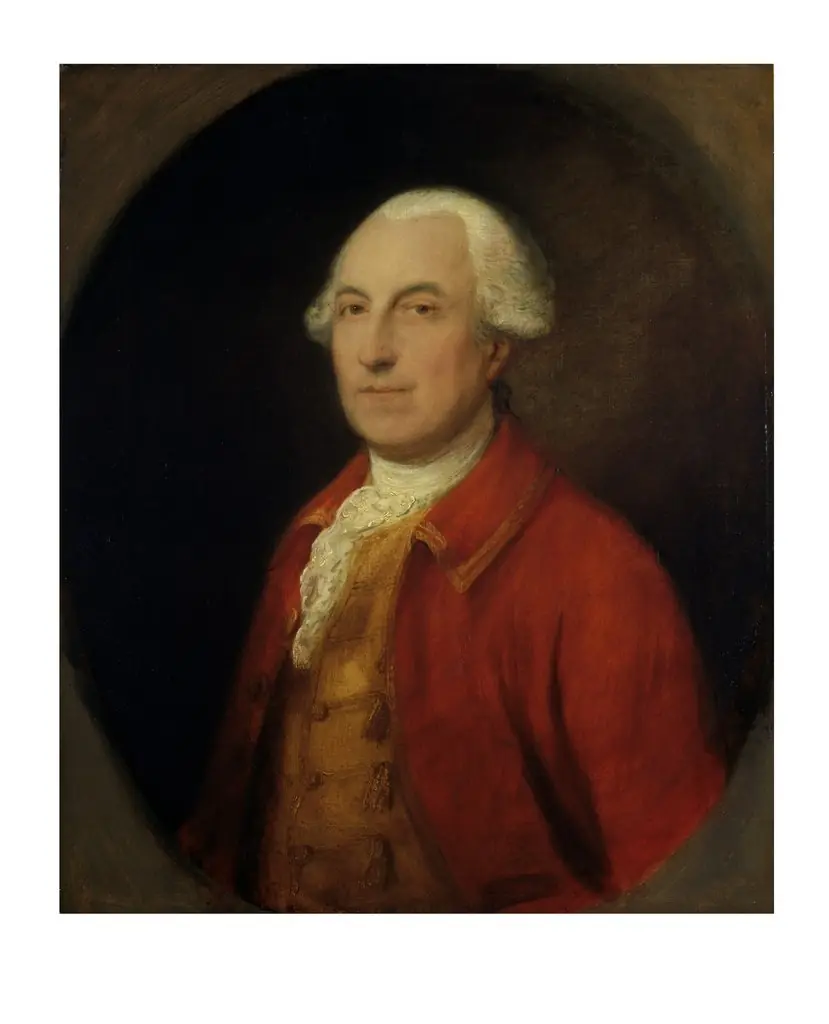
Portrait of Simon, 1st Earl Harcourt (1714-1777)
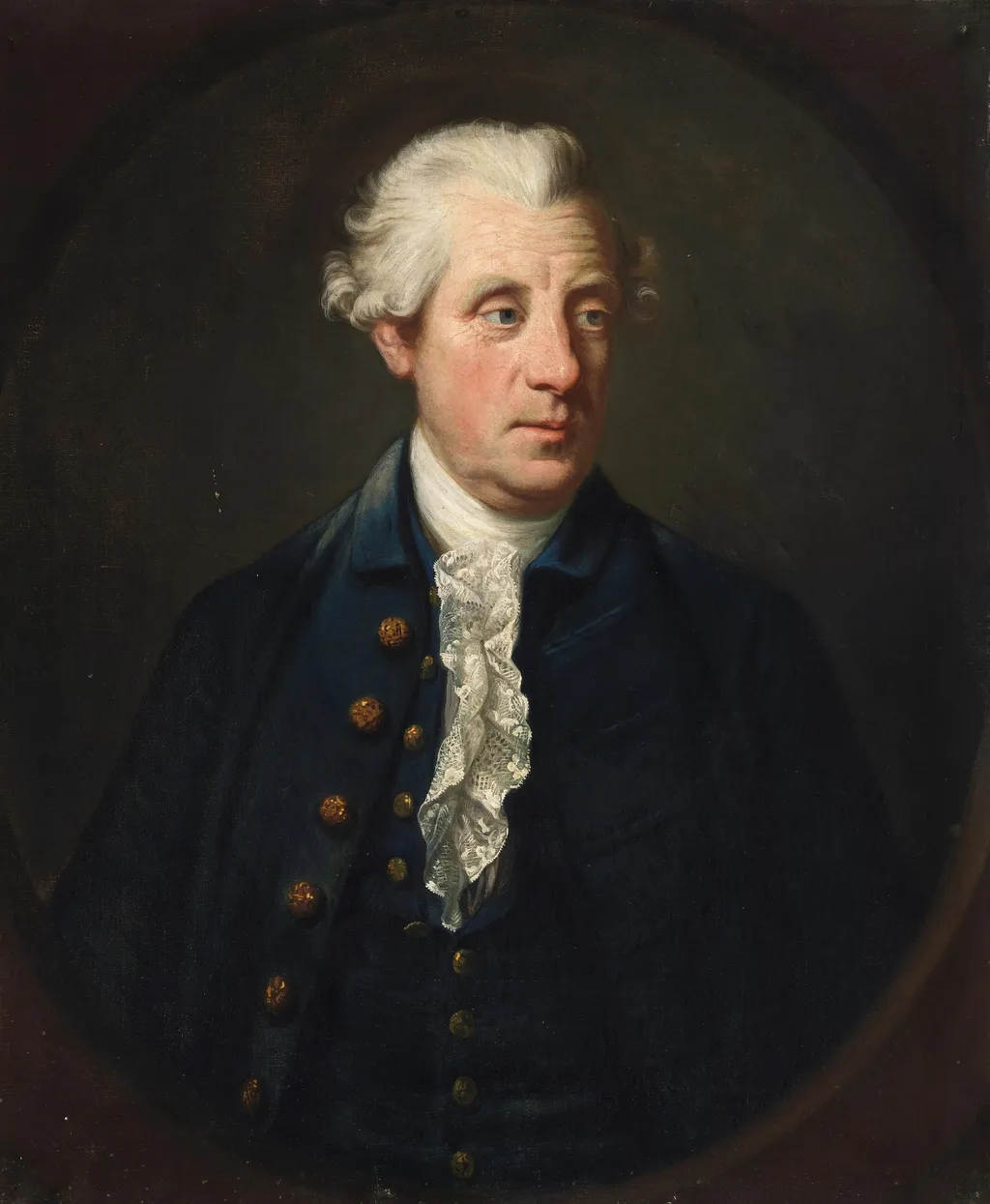
Portrait of Simon, 1st Earl Harcourt (1714-1777) is an oil painting by the Rococo painting artist Robert Hunter. It is held in the collection of the National Gallery of Ireland.
About this work
This portrait painting depicts a man with white hair, dressed in a dark blue coat adorned with gold buttons.
This portrait painting depicts a man with white hair, dressed in a dark blue coat adorned with gold buttons. He wears a white lace cravat and a white shirt underneath the coat.
The subject's attire suggests a formal or official setting, possibly from the 18th century. The artist's use of oil paint adds depth and texture to the portrait.
To learn more about the artist behind this piece, explore the works of Robert Hunter.
Overview
Robert Hunter’s oil portrait presents Simon Harcourt, 1st Earl Harcourt (1714–1777), in a formal pose characteristic of eighteenth‑century aristocratic portraiture. The work is part of the National Gallery of Ireland’s collection, where it is displayed as a representative example of British noble portraiture from the period.
Subject & Meaning
The sitter, Simon Harcourt, occupies a dignified stance, his white hair and composed expression reflecting his status as a senior peer and military figure. The inclusion of a lace cravat and a dark blue coat with gold buttons underscores his rank and the conventions of elite representation in the mid‑1700s, conveying authority and refinement.
Technique & Style
Hunter employs oil on canvas to achieve a rich, layered surface that models the textures of fabric and flesh. Subtle chiaroscuro gives depth to the Earl’s face, while the precise rendering of the gold‑buttoned coat and delicate lace demonstrates the artist’s attention to material detail, typical of British portraiture of the era.
History & Provenance
Created during the painter’s active period in the mid‑18th century, the portrait entered the National Gallery of Ireland’s holdings through acquisition (specific acquisition details are recorded in the museum’s catalogue). Its presence in the gallery situates it among other works that document the visual culture of Britain’s aristocracy.
Context
The portrait aligns with a broader tradition of commemorating high‑ranking officials through formal portraiture, a practice that reinforced social hierarchies and personal legacy. Harcourt’s military and diplomatic career would have made such a depiction a suitable means of asserting his public identity within both courtly and governmental circles.
Artist & collection
Artist
Robert Hunter painted oil portraits of Irish aristocrats and thinkers in the 1700s.

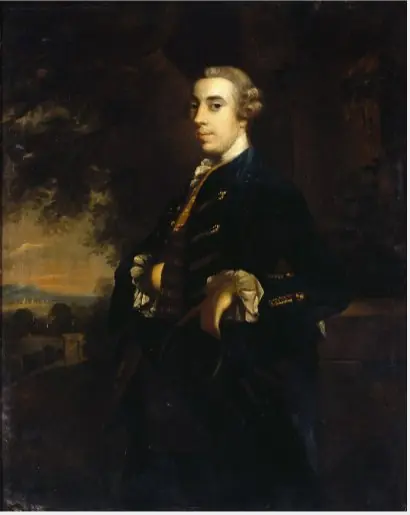
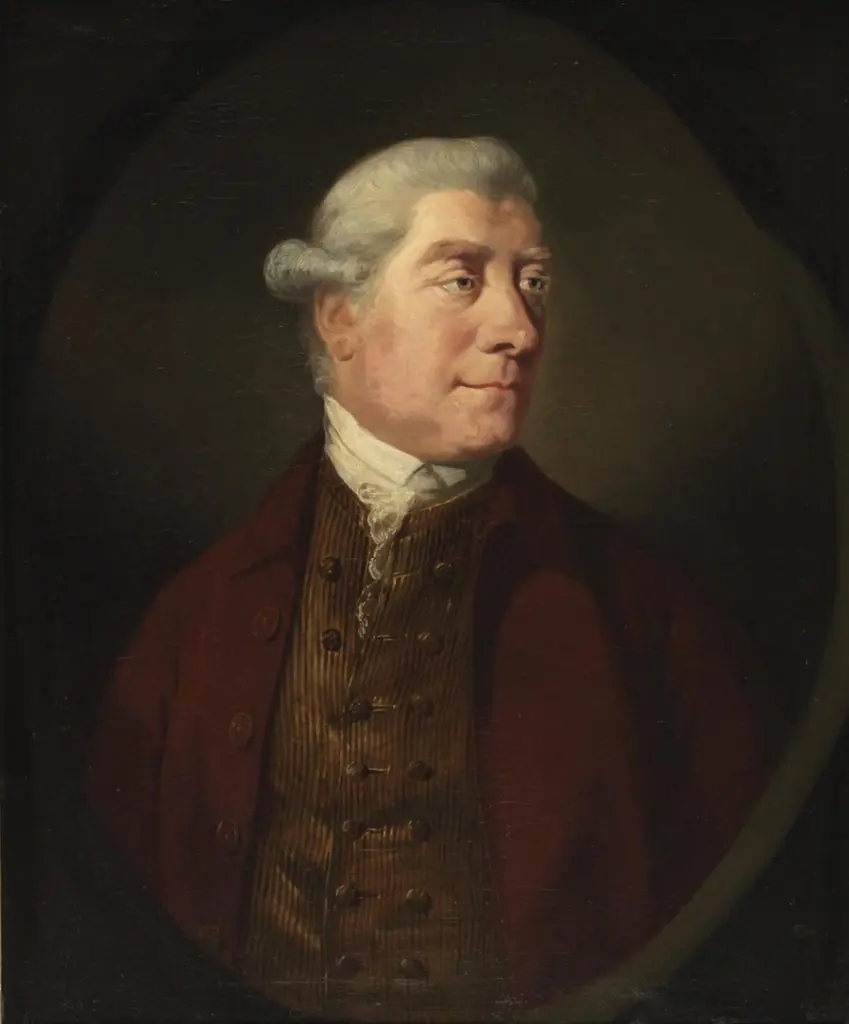 Owen Wynne
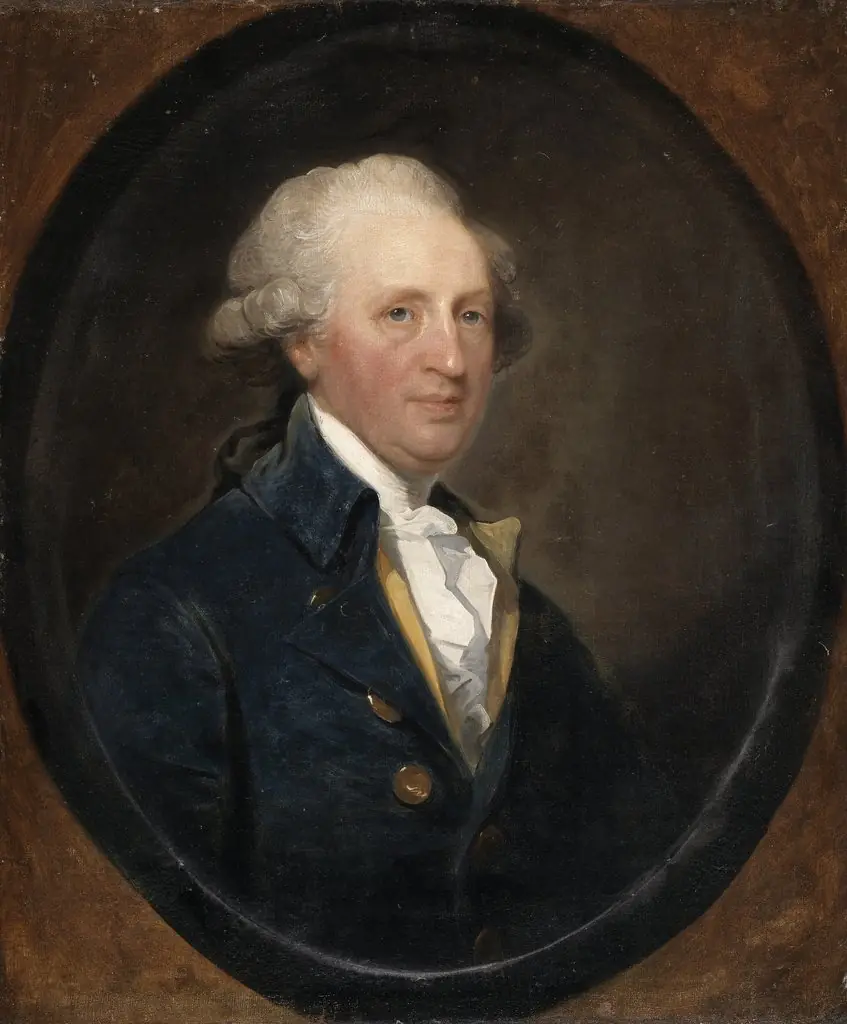 John Beresford (1738-1805), MP
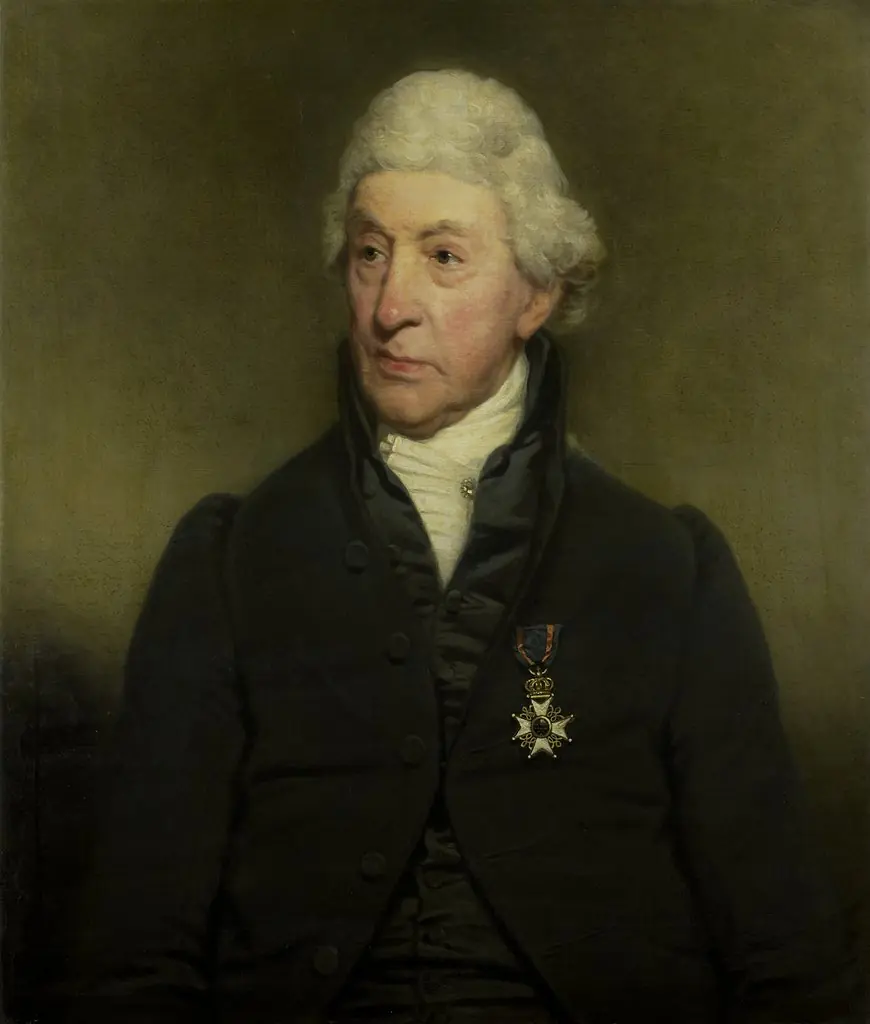 Portrait of Christiaan Everhard Vaillant, Refiner of Salpeter, Water Board Member for De Beemster, Director of the Import and Export Rights and Member of the Marine Committee
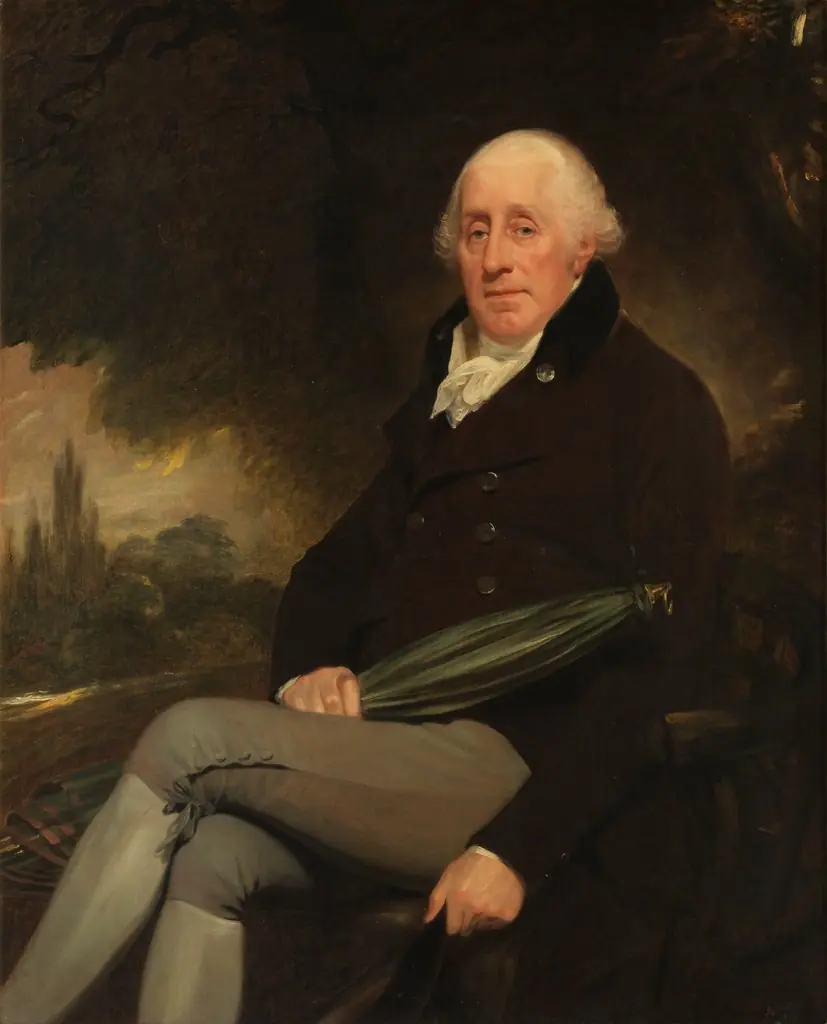 Portrait of a Gentleman
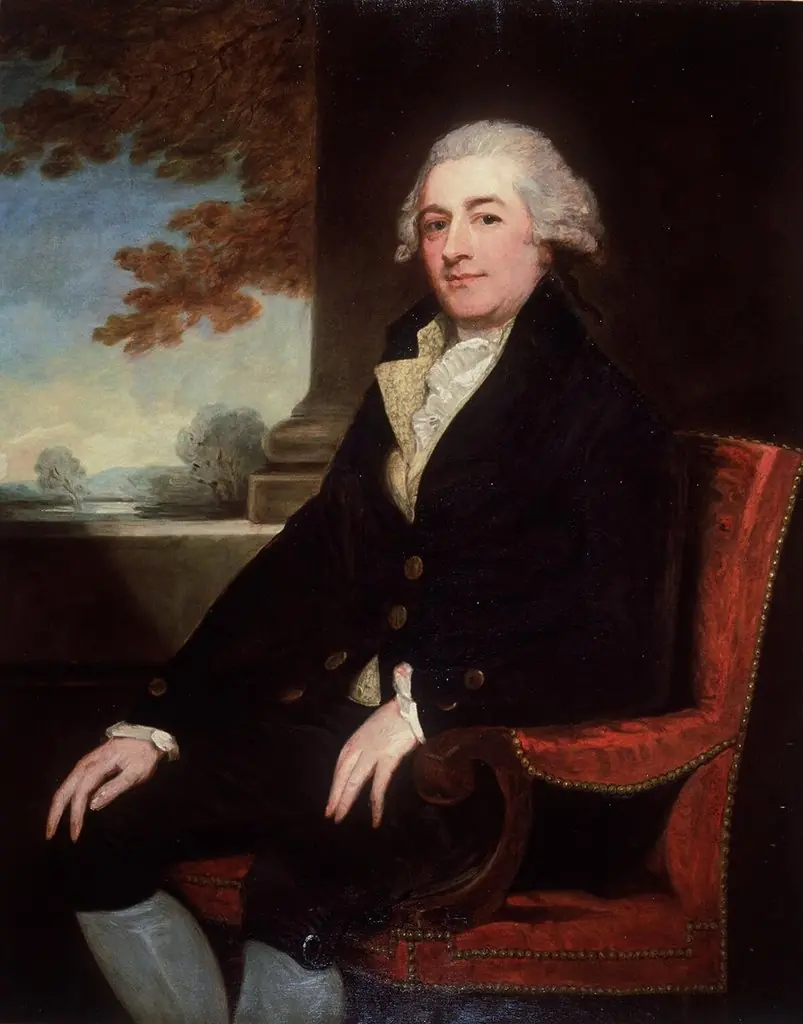 Edward Loveden
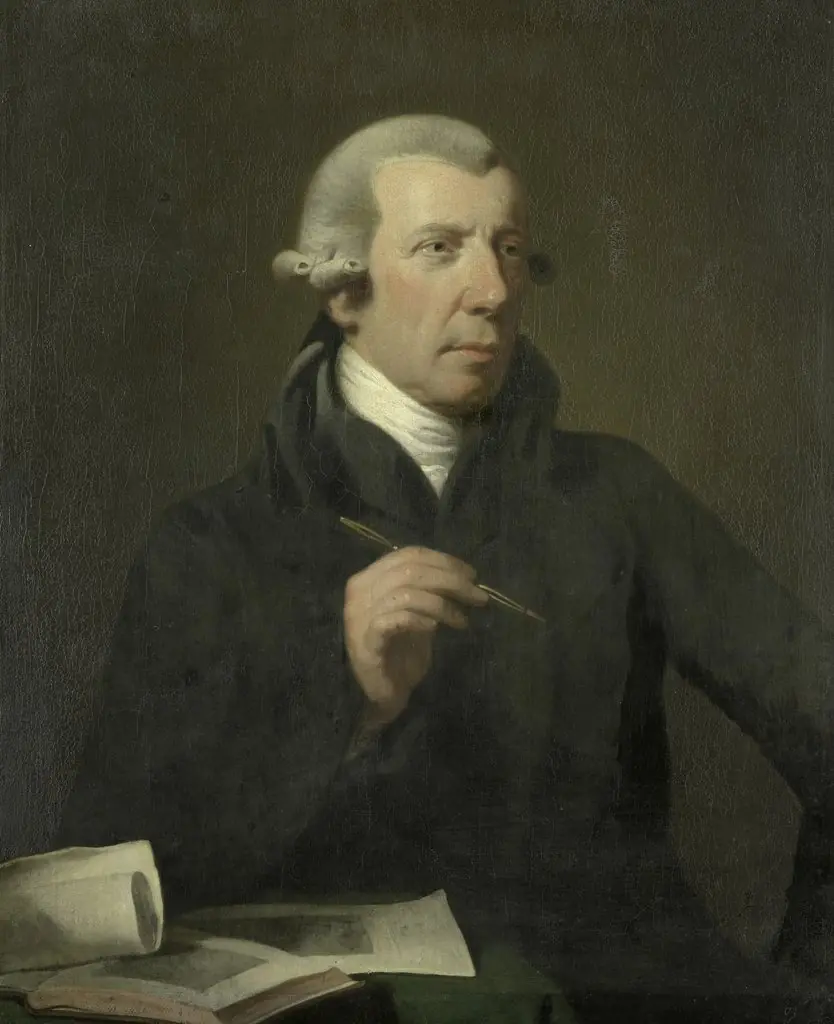 Portrait of Reinier Vinkeles, Draftsman and Engraver
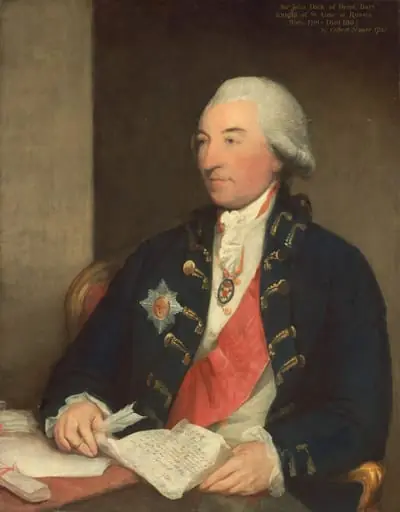 Sir John Dick
 Matthew Boulton, F.R.S.
 Portrait of a Man
 John Hobart (1723–1793), 2nd Earl of Buckinghamshire
 Richard, Earl Howe
 John Purling (1727–1801)