Artwork
Portrait of a Woman Holding a Pencil and a Drawing Book
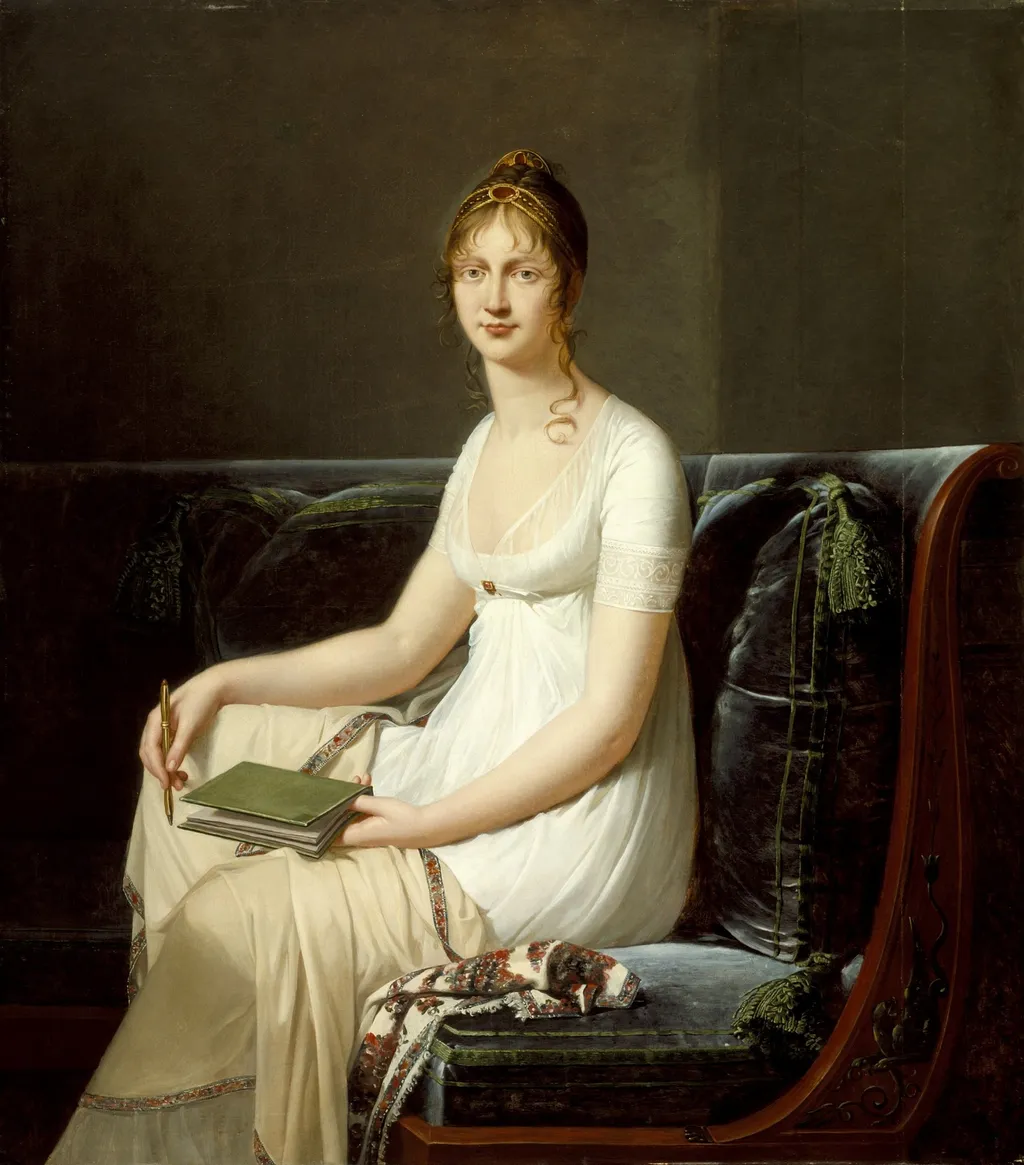
Portrait of a Woman Holding a Pencil and a Drawing Book is an oil painting by Robert Lefèvre. It dates from 1808 and is held in the collection of the Los Angeles County Museum of Art.
About this work
Overview
Painted in 1808 by French artist Robert Lefèvre, this oil portrait captures a woman seated on a velvet-covered couch, holding a pencil and an open drawing book.
Painted in 1808 by French artist Robert Lefèvre, this oil portrait captures a woman seated on a velvet-covered couch, holding a pencil and an open drawing book. The composition is restrained, with a plain wall behind her and minimal decorative elements. Lefèvre, known for his refined portraiture, emphasizes the subject’s quiet presence over theatricality, aligning with the neoclassical ideals of his time.
Subject & Meaning
The woman is portrayed not as a noble figure or mythological character, but as an intellectual engaged in artistic practice. Her tools—the pencil and sketchbook—suggest she is a creator, not merely a subject. The neutral gaze and composed posture convey dignity and self-possession, reflecting early 19th-century ideals of female education and artistic aspiration within domestic spaces.
Technique & Style
Lefèvre employs chiaroscuro to model the figure with subtle gradations of light and shadow, lending volume to the form without dramatic contrast. The white dress contrasts with the dark wood frame and green tassels of the couch, drawing attention to the subject’s hands and the objects they hold. Brushwork is smooth and precise, avoiding overt texture, in keeping with the polished aesthetic favored in French academic portraiture of the period.
History & Provenance
The painting was completed in 1808 during Lefèvre’s peak years as a portraitist for Parisian elites. It entered the collection of the Los Angeles County Museum of Art in the 20th century, though its earlier ownership history remains undocumented. Its preservation in a major American institution reflects broader postwar efforts to expand European art holdings outside Europe.
Context
Created during the Napoleonic era, the portrait reflects a cultural shift toward valuing individual intellect and artistic practice, particularly among women of the bourgeoisie. While Lefèvre was trained under David and shared his neoclassical leanings, this work diverges from grand historical themes, focusing instead on quiet, personal agency—a subtle but significant evolution in portraiture.
Legacy
The painting stands as an example of how portraiture in early 19th-century France began to accommodate new social roles for women, particularly in the arts. Though Lefèvre is less widely studied today than his contemporaries, this work endures as a quiet testament to the growing visibility of female creativity in a society still bound by traditional hierarchies.
Own this work as a print
Artist & collection
Artist
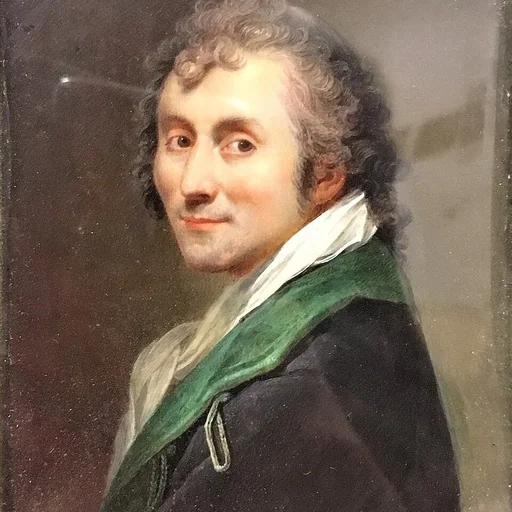
Robert Jacques François Faust Lefèvre (French pronunciation: , 24 September 1755, in Bayeux – 3 October 1830, in Paris) was a French painter of portraits, history paintings and religious paintings.

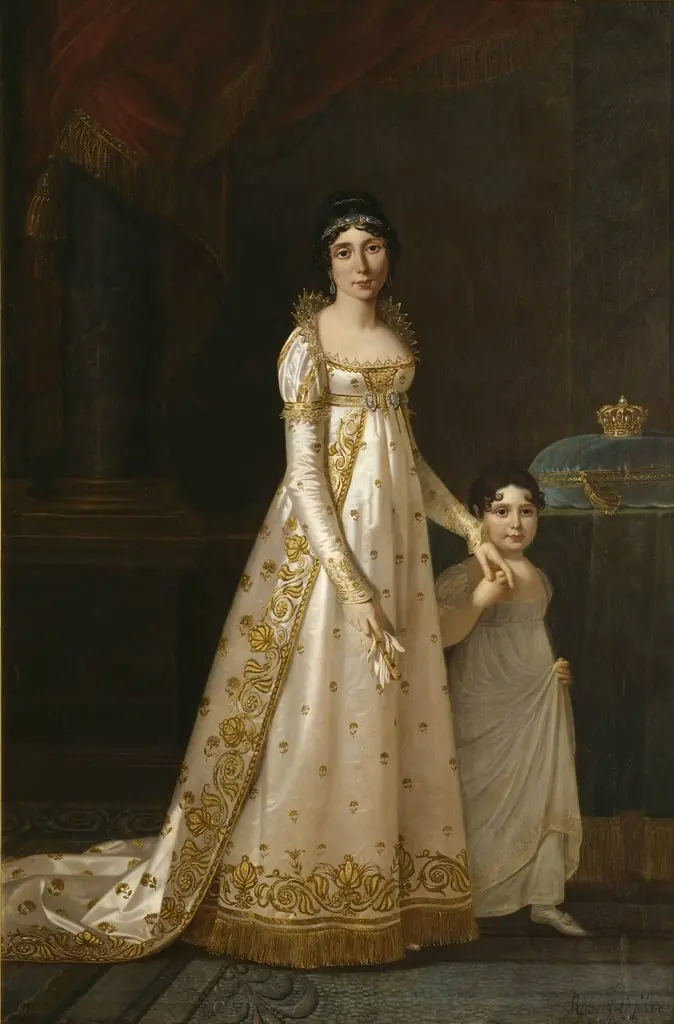 Marie-Julie Clary, Queen of Naples (1777-1845)
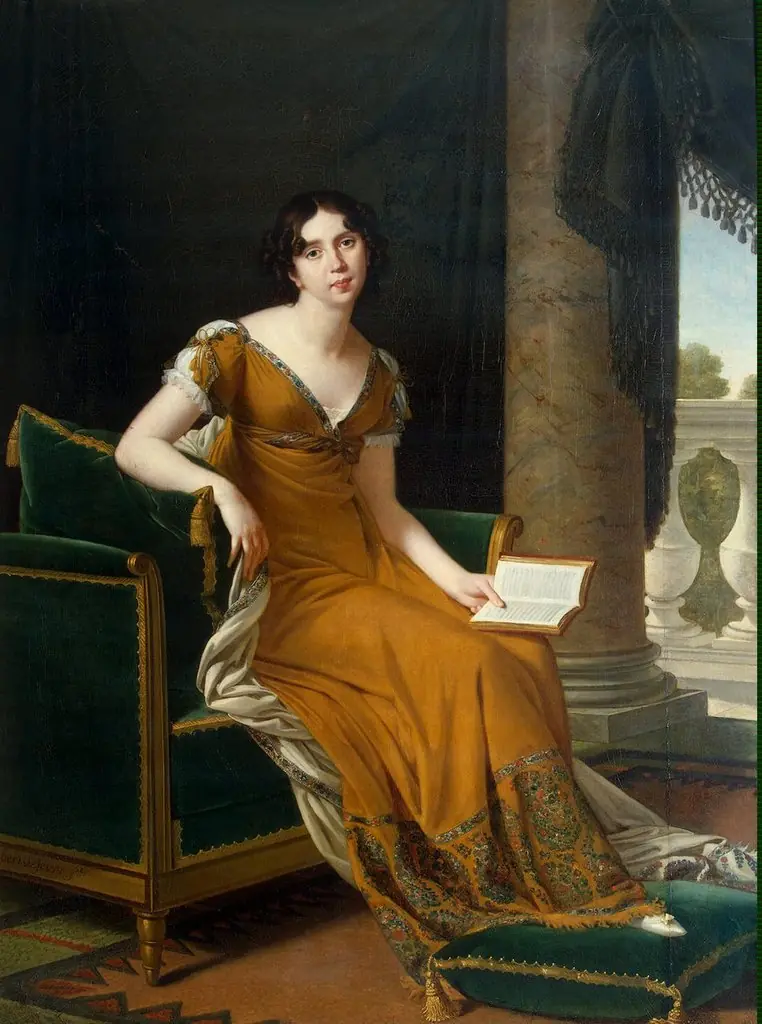 Portrait of Elisabeth Demidova
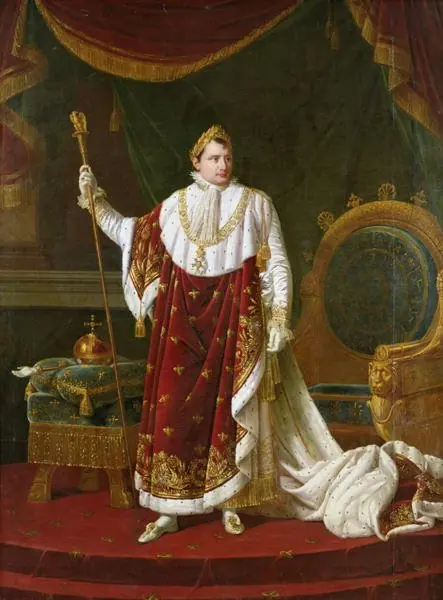 Napoleon I, Emperor of the French
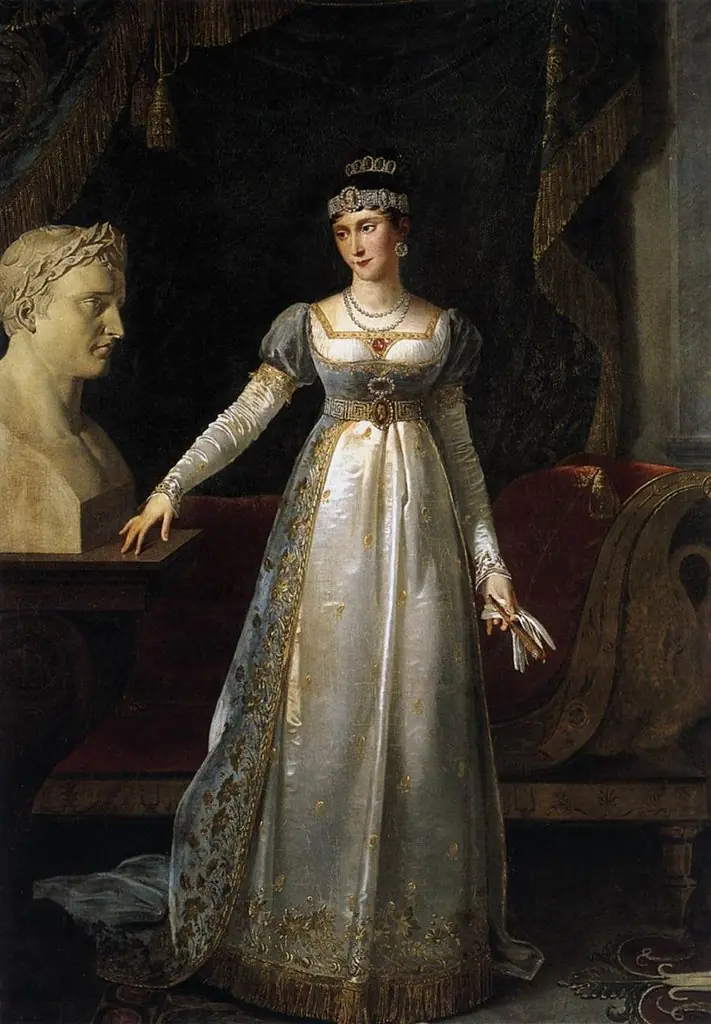 Pauline Bonaparte, Duchess of Guastalla, Princess Borghese
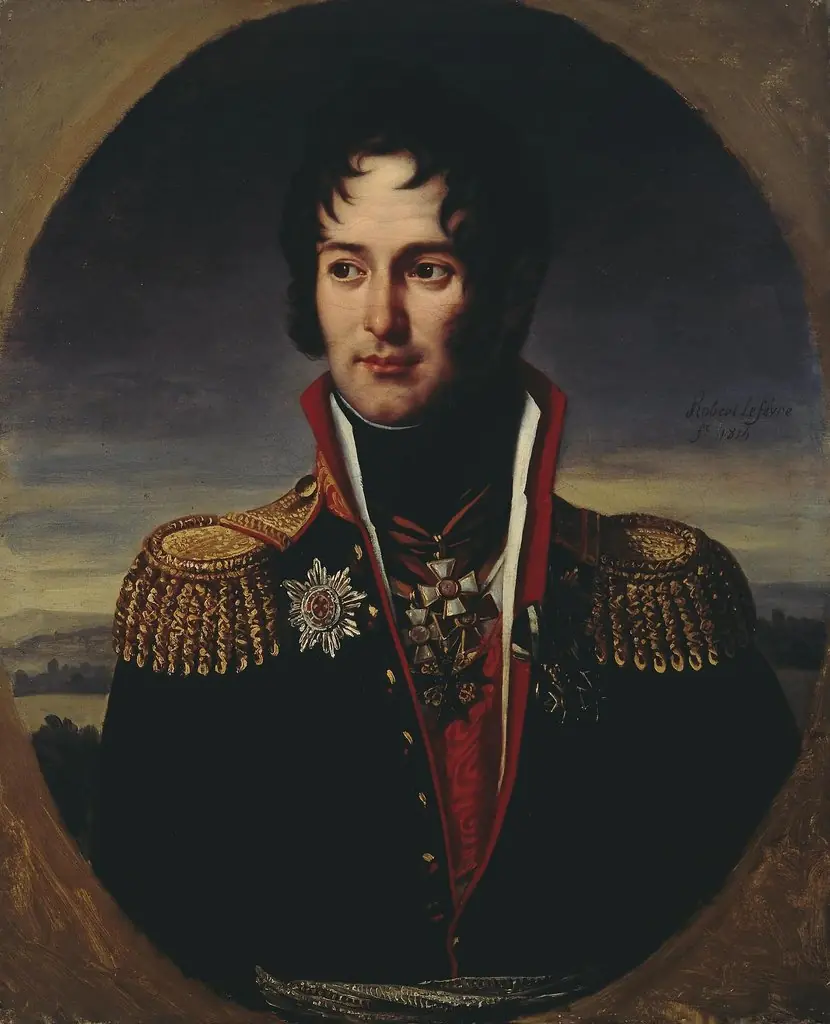 Portrait of General Piotr Chicherin
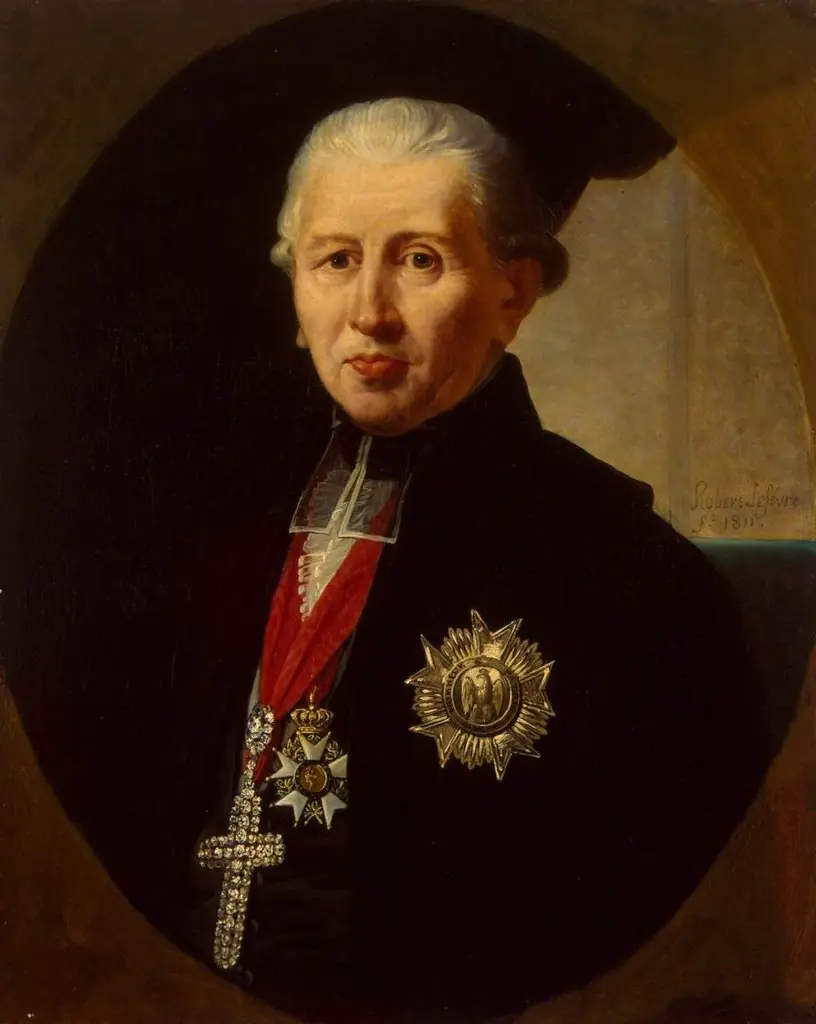 Portrait of Karl Theodor von Dalberg
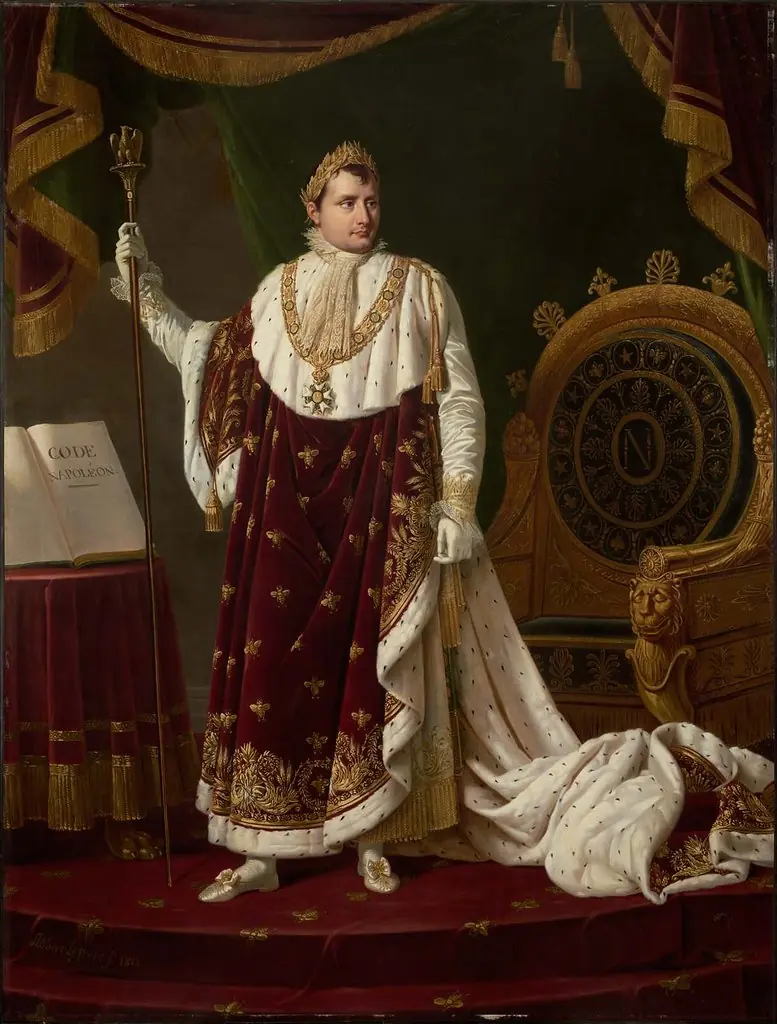 Portrait of Napoleon I in His Coronation Robes
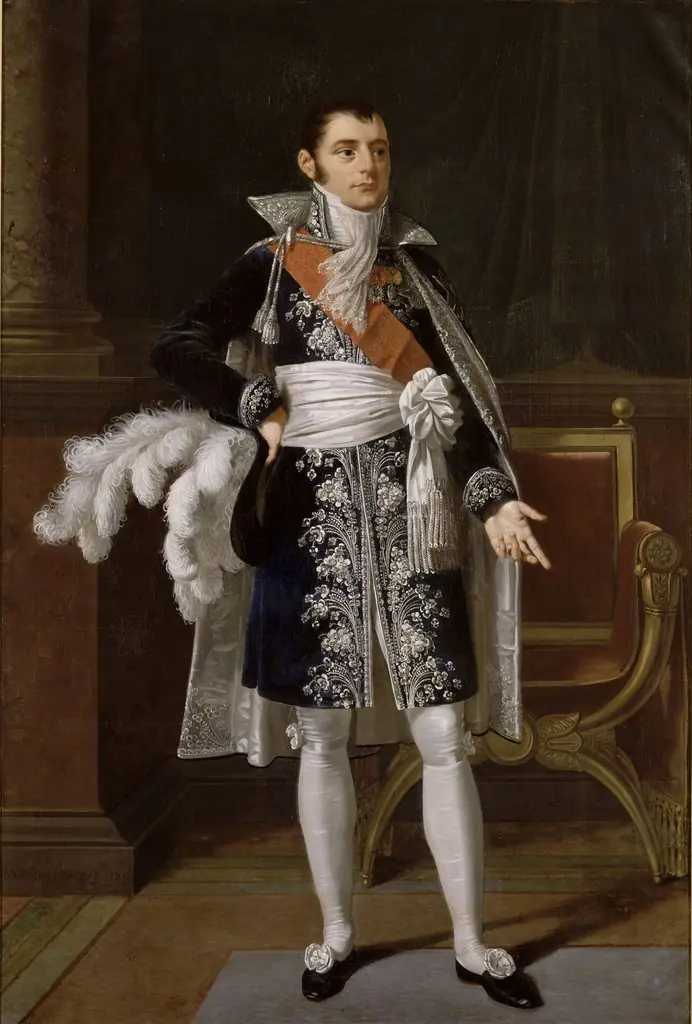 Portrait of Anne-Jean-Marie-René Savary, Duke of Rovigo (1774-1833)
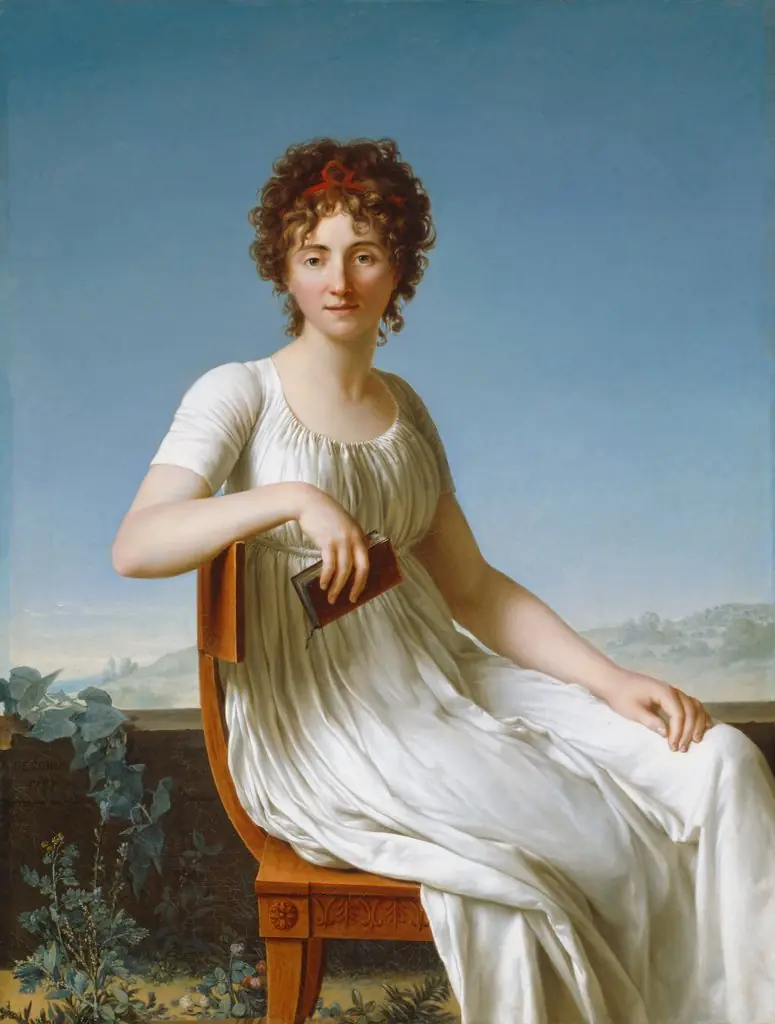 Portrait of Constance Pipelet
 Portrait of Constance Pipelet
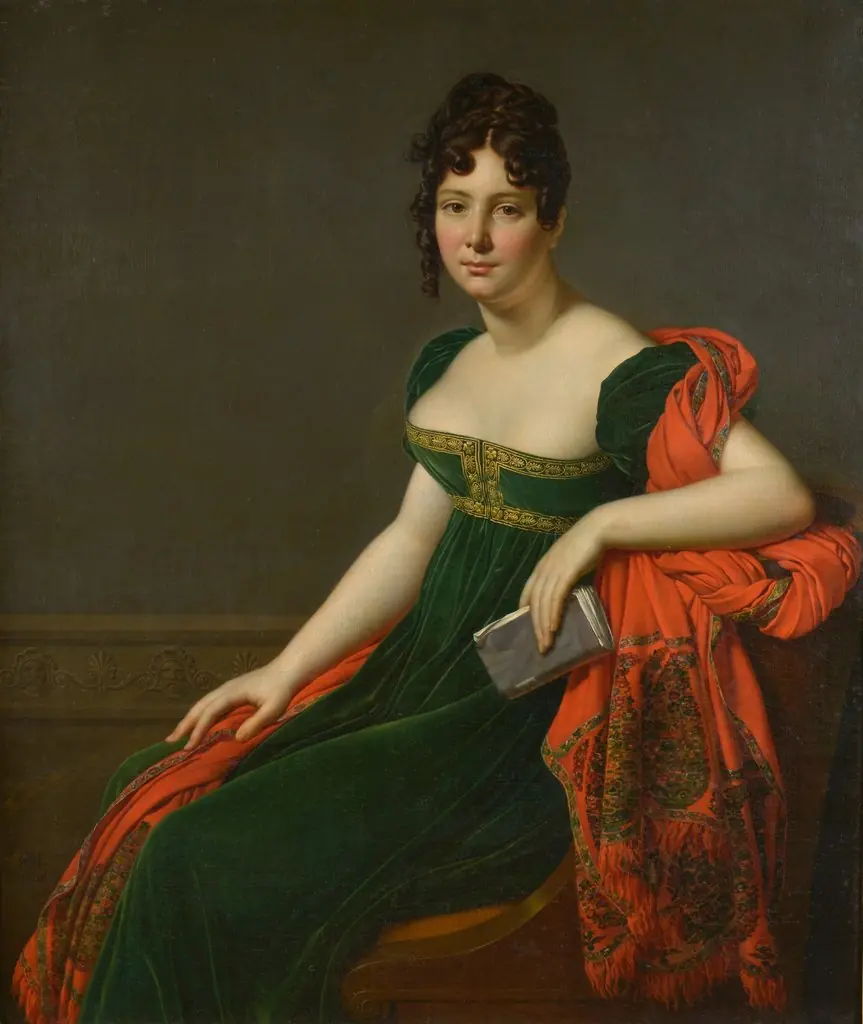 Portrait of Madame Augustine Bertin de Veaux
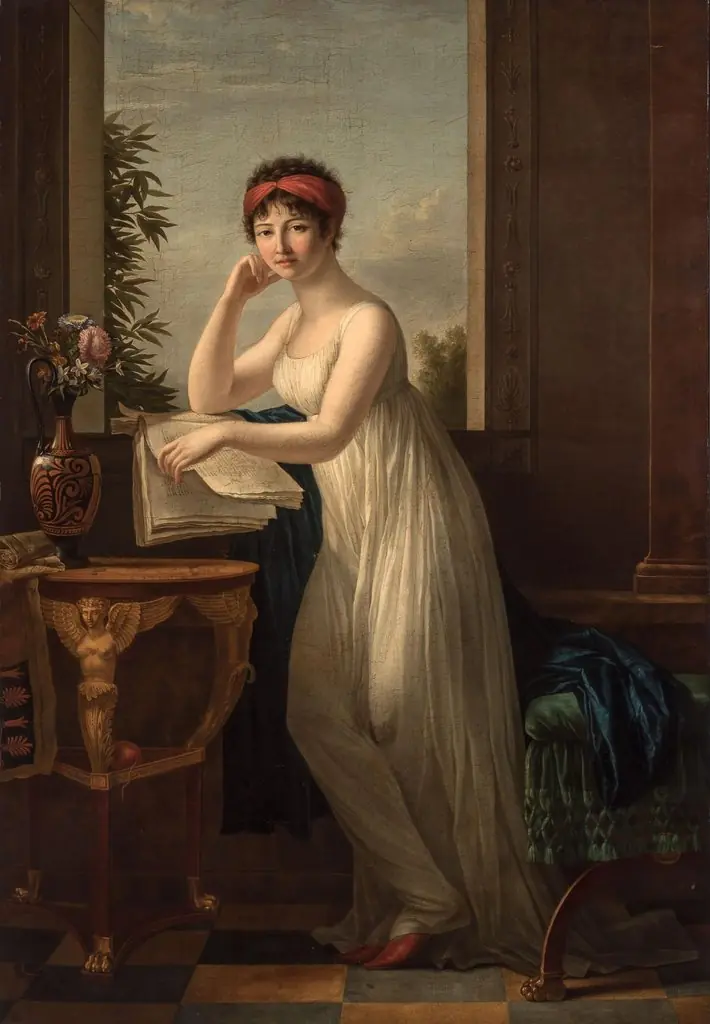 A Young Woman Leaning on the Edge of a Window
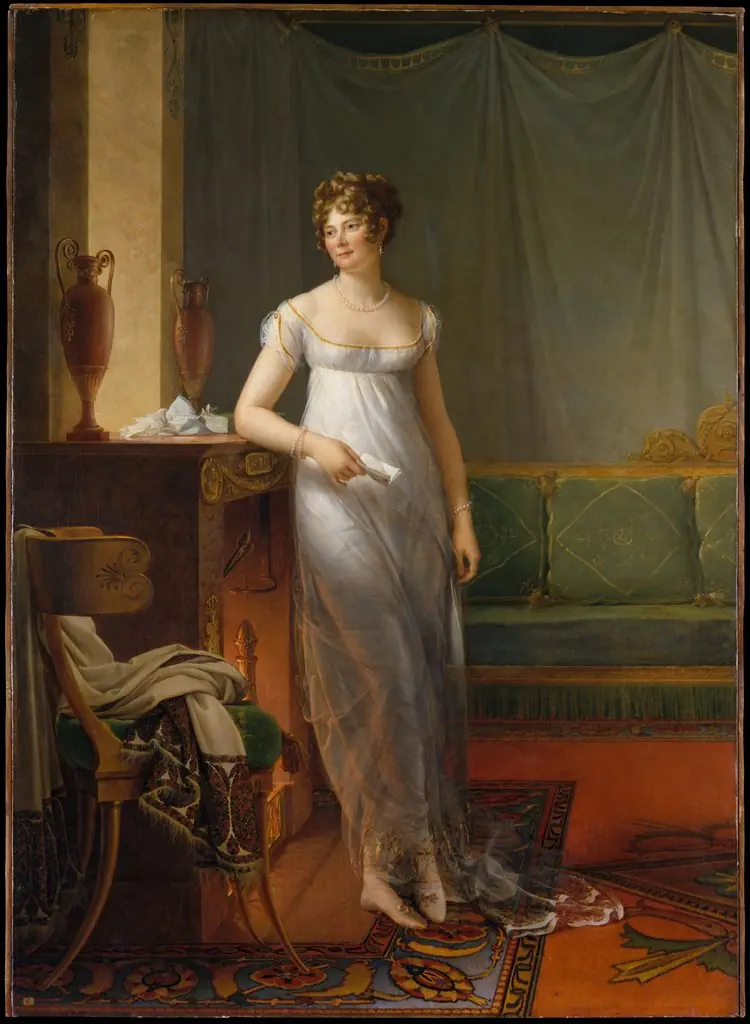 Madame Charles Maurice de Talleyrand Périgord (1761–1835)
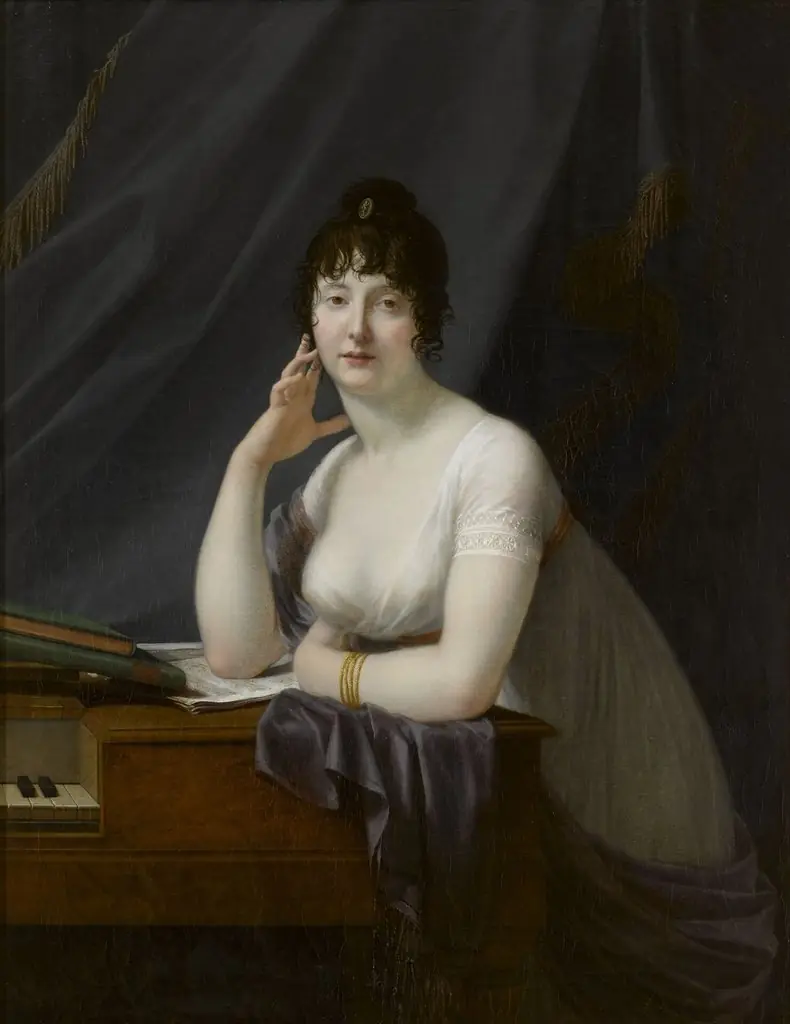 Madame Antoine Arnault
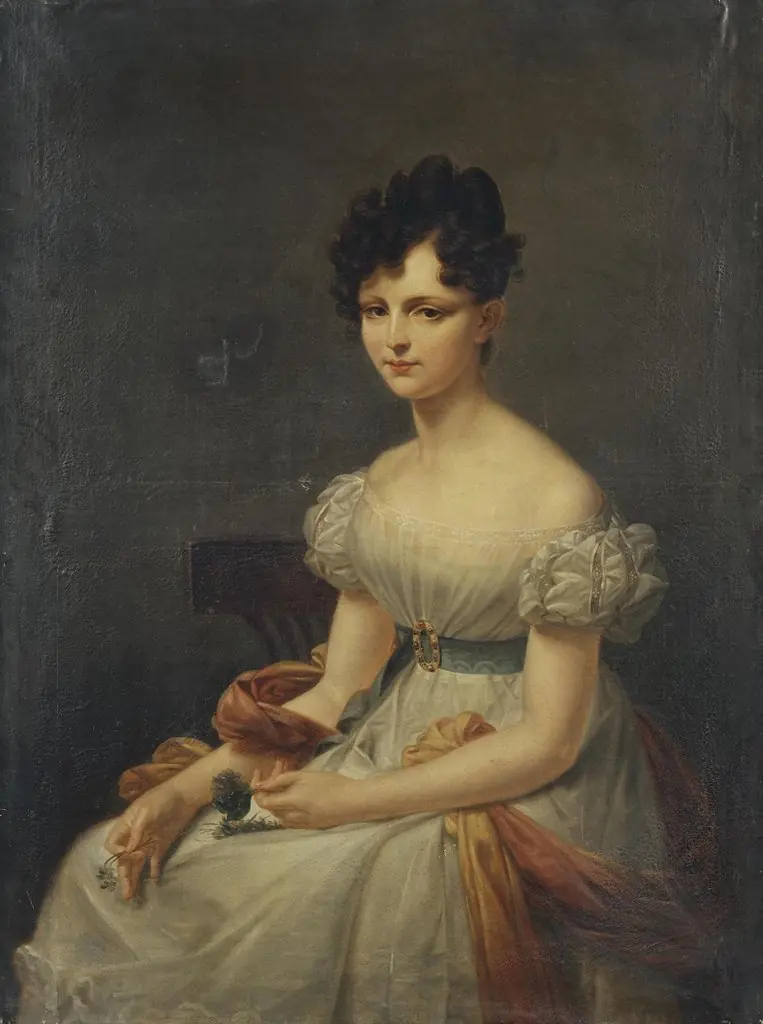 Portrait of Princess Anna Nikolayevna Golitsyna (?)
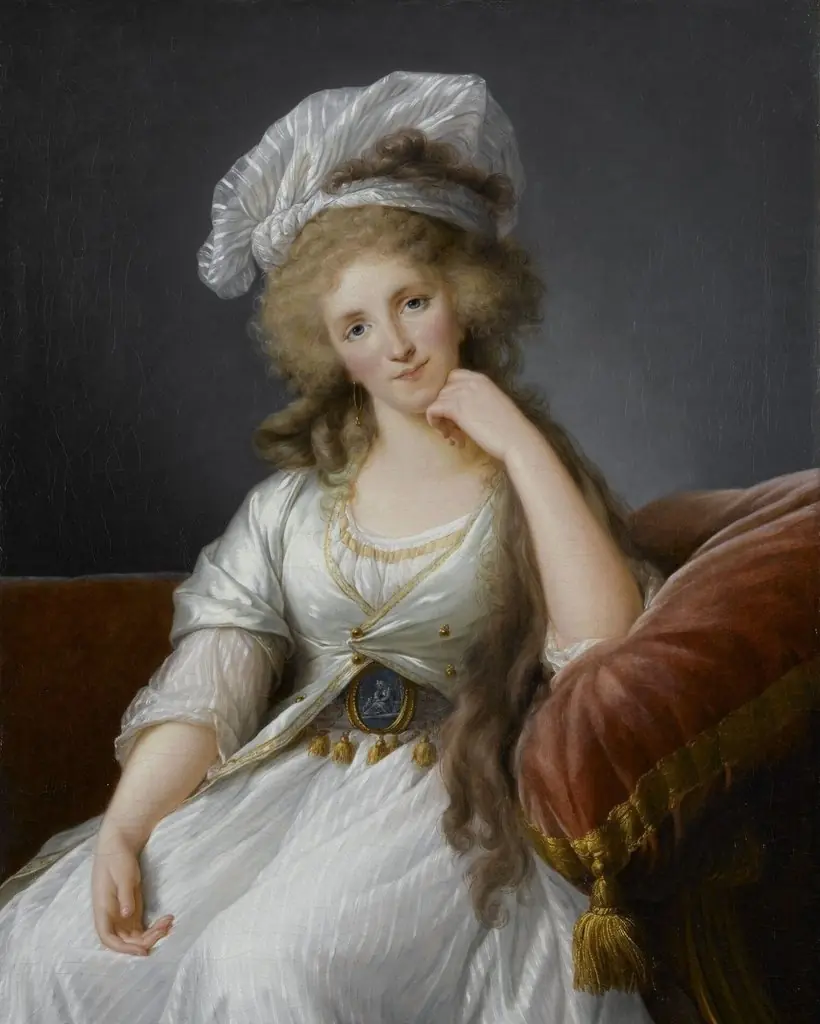 Louise-Marie-Adélaïde de Bourbon-Penthièvre, Duchess of Orléans
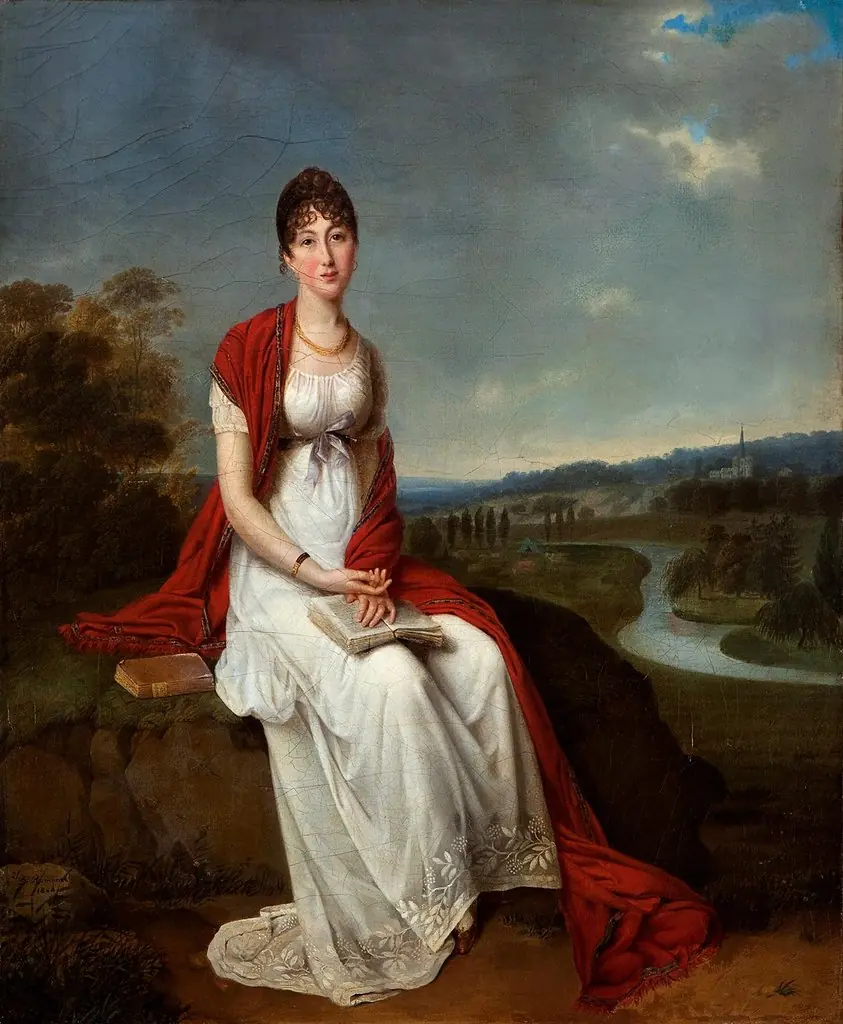 Portrait of a Young Woman
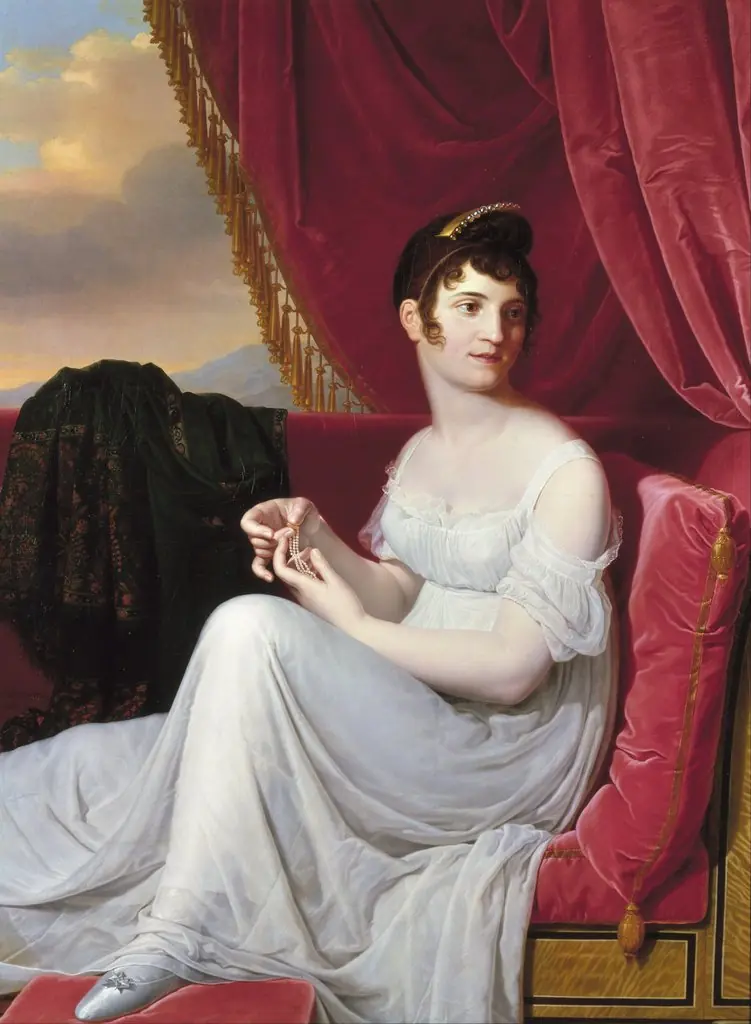 Portrait of Madame Tallien
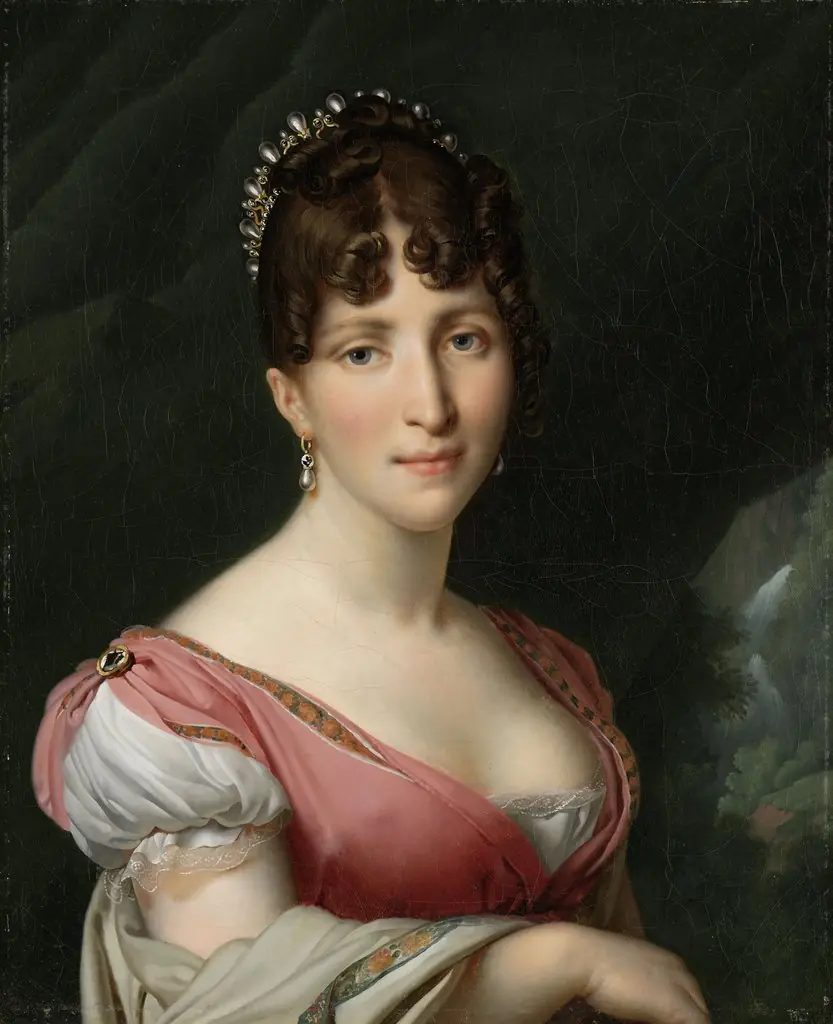 Portrait of Hortense de Beauharnais, Queen of Holland