Artwork
Portretul împăratului Franz Stephan de Lorena
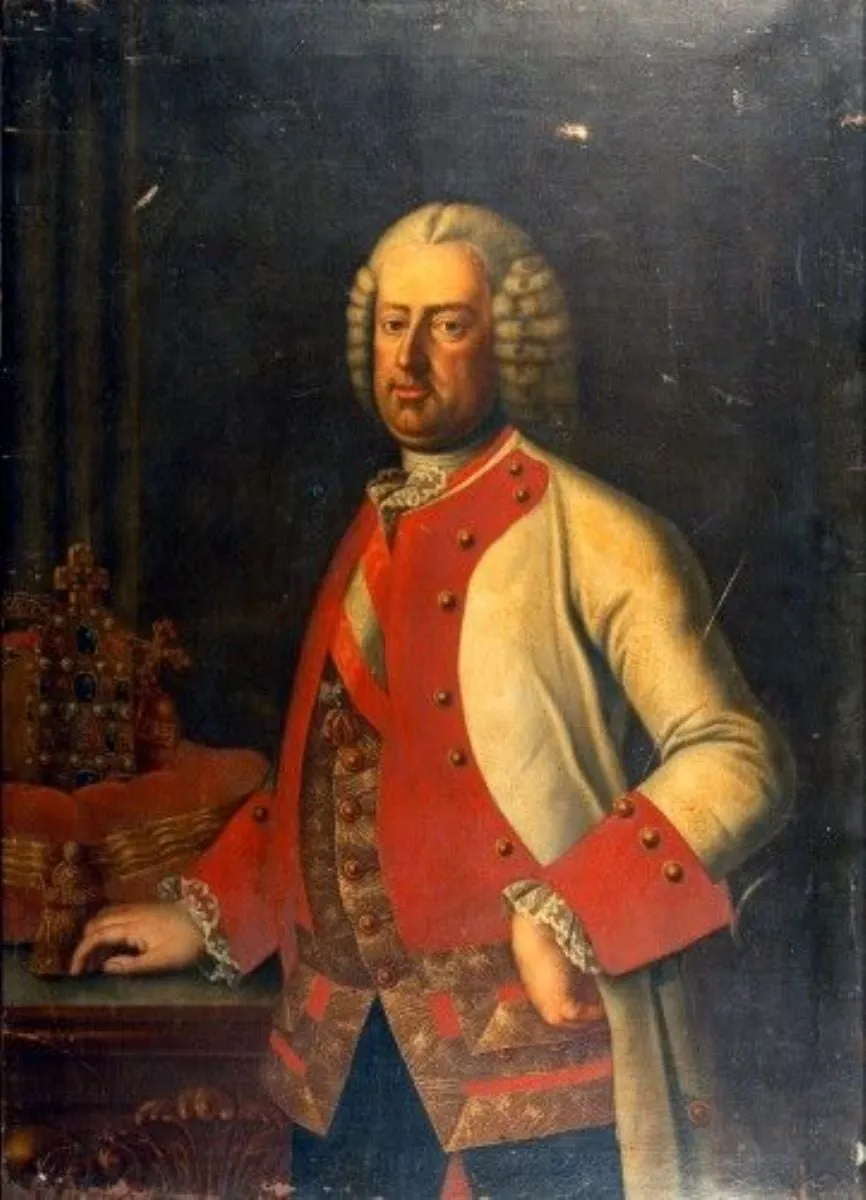
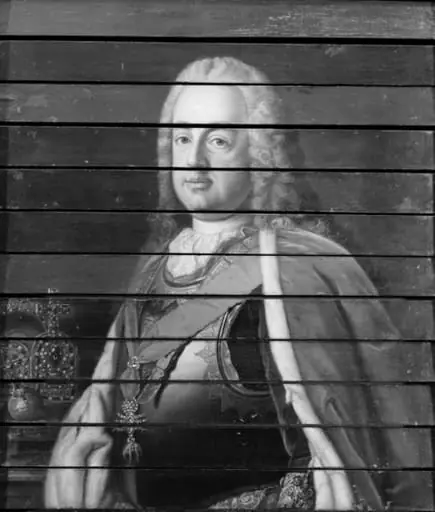
Portretul împăratului Franz Stephan de Lorena is an unspecified painting by anonim austriac. It dates from 1750 and is held in the collection of the Țării Crișurilor Museum. This portrait, dated around 1750, depicts Franz Stephan of Lorraine, Holy Roman Emperor, painted by an anonymous Austrian artist.
About this work
Overview
This portrait, dated around 1750, depicts Franz Stephan of Lorraine, Holy Roman Emperor, painted by an anonymous Austrian artist.
This portrait, dated around 1750, depicts Franz Stephan of Lorraine, Holy Roman Emperor, painted by an anonymous Austrian artist. It is part of the collection at the Museum of Ethnography. The composition follows the formal conventions of mid-18th-century imperial portraiture, emphasizing dignity and status through posture, attire, and controlled lighting. The subject’s presence is rendered with quiet authority rather than overt grandeur.
Subject & Meaning
Franz Stephan, husband of Empress Maria Theresa and ruler of the Habsburg domains, is portrayed in full regalia, his attire signaling his imperial rank. The red and white coat with gold buttons, paired with the white wig and hand tucked into his waistcoat, aligns with aristocratic codes of the period. The pose, calm and composed, conveys stability and control, reinforcing his role as a sovereign during a time of dynastic consolidation.
Technique & Style
The painting employs a restrained chiaroscuro to model the figure against a dark, undefined background, focusing attention on the texture of fabric and the precision of facial detail. Brushwork is smooth and controlled, typical of court portraiture in Central Europe. The lack of elaborate setting shifts emphasis to the subject’s bearing and costume, reflecting a preference for psychological presence over symbolic narrative.
History & Provenance
The portrait was likely commissioned during Franz Stephan’s reign as emperor, possibly for an official or familial collection. It entered the Museum of Ethnography’s holdings at an unknown date, possibly through state acquisition or donation. Its attribution to an anonymous hand suggests it was not produced by a named court painter, yet its quality indicates professional workshop execution under imperial patronage.
Context
Created during the height of the Habsburg monarchy’s influence, the portrait reflects the visual language of European royalty in the mid-1700s. Similar depictions appear in works by artists like Anton Raphael Mengs or Jean-Baptiste van Loo, who also favored restrained elegance over theatricality. This image aligns with broader trends in imperial representation, where authority was conveyed through restraint rather than spectacle.
Legacy
Though not attributed to a renowned artist, the portrait remains a documented representation of Franz Stephan, preserving the visual identity of a key Habsburg figure. Its preservation in an ethnographic museum underscores its value as a cultural artifact of aristocratic dress and imperial imagery, offering insight into how power was visually encoded in 18th-century Central Europe.
Artist & collection
Artist
This Baroque-era painter had a knack for making emperors look approachable—no crowns too heavy, no robes too stiff.

 Împăratul Iosif al II-lea
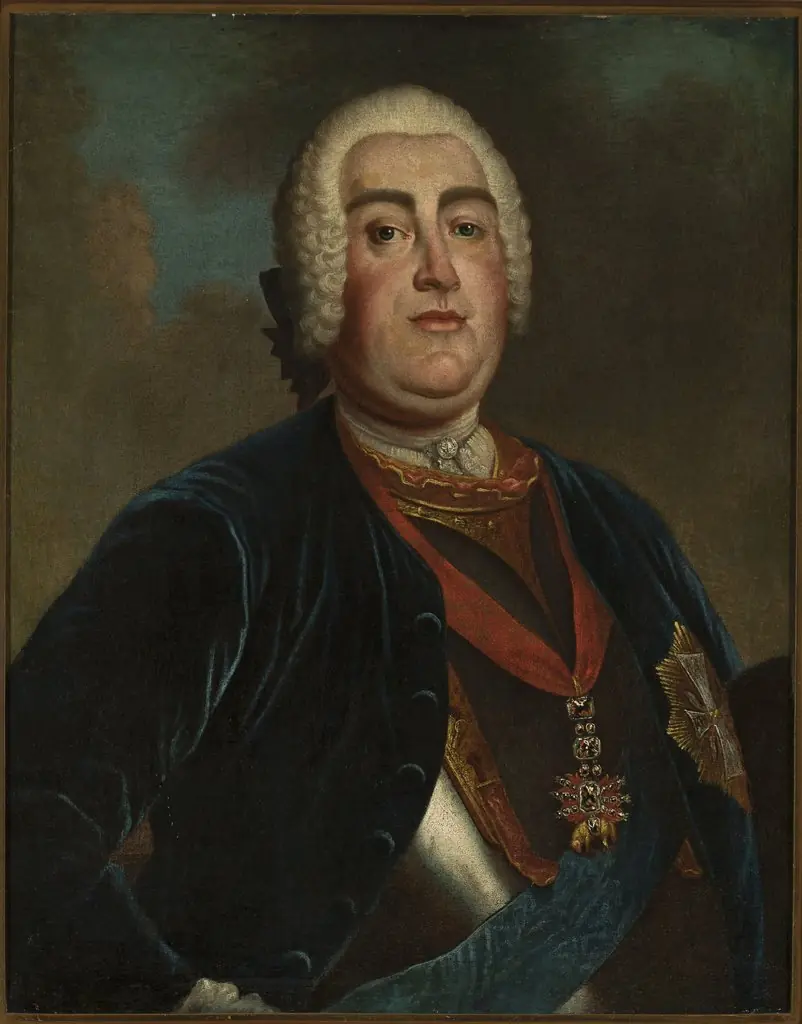 Portrait of Augustus III
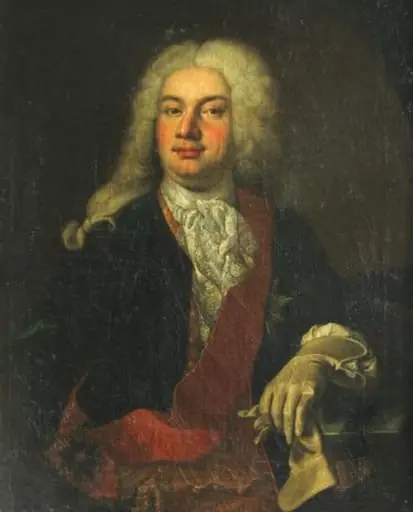 Contele Gotter
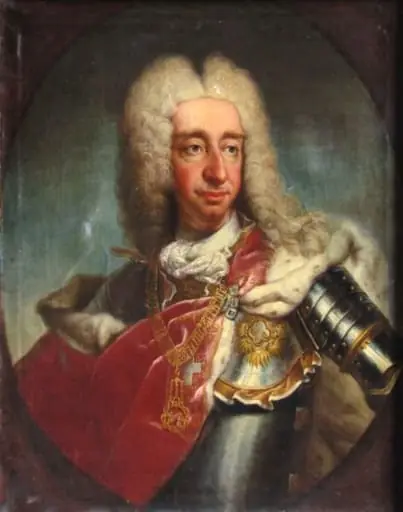 Victor Amedeu al II-lea, regele Savoiei
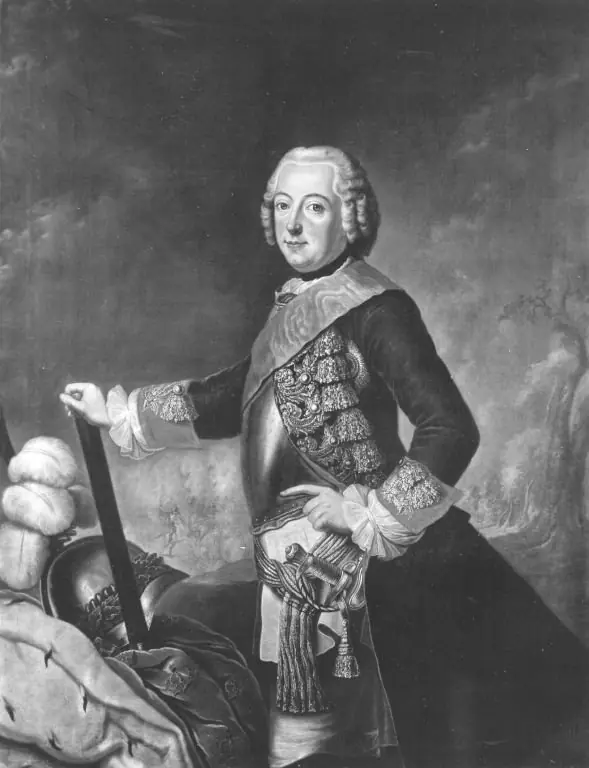 Friedrich II. der Große
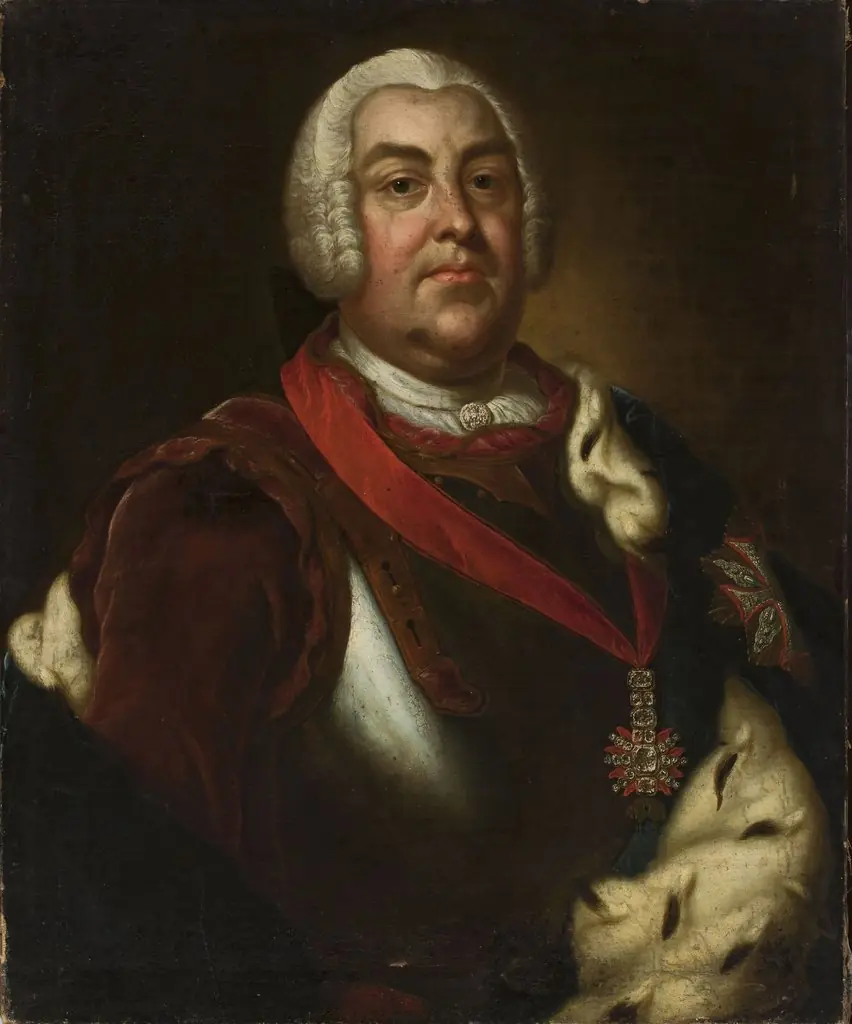 Portrait of Augustus III the Saxon, King of Poland
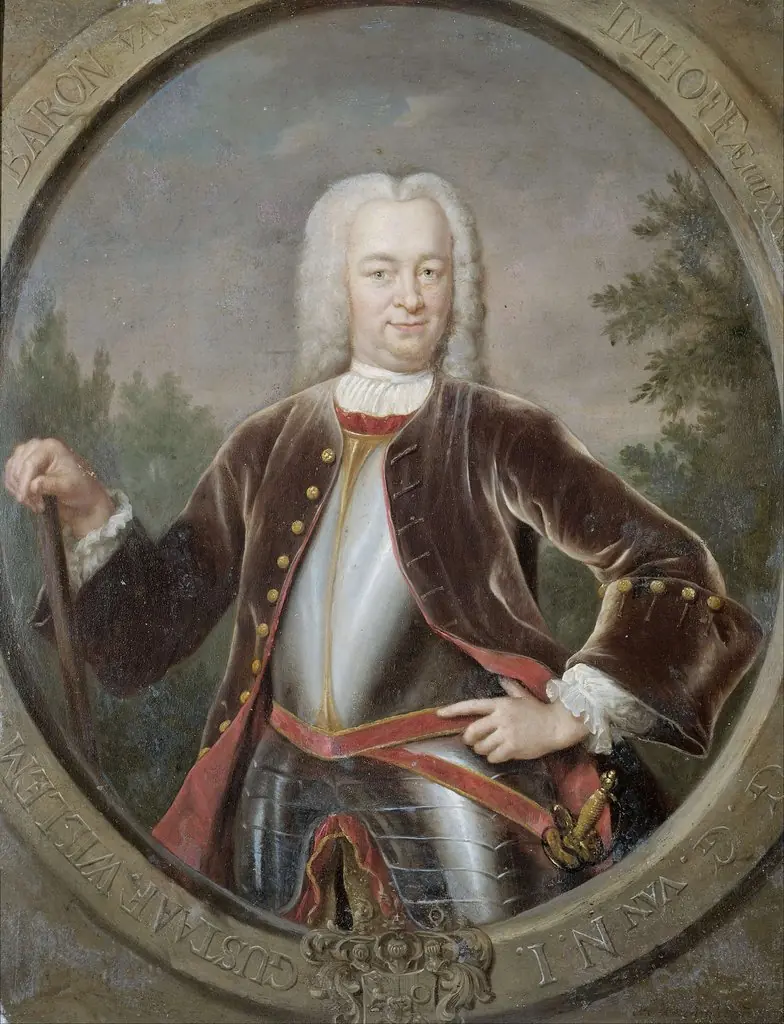 Portrait of Gustaaf Willem, Baron van Imhoff, Governor-General of the Dutch East India Company
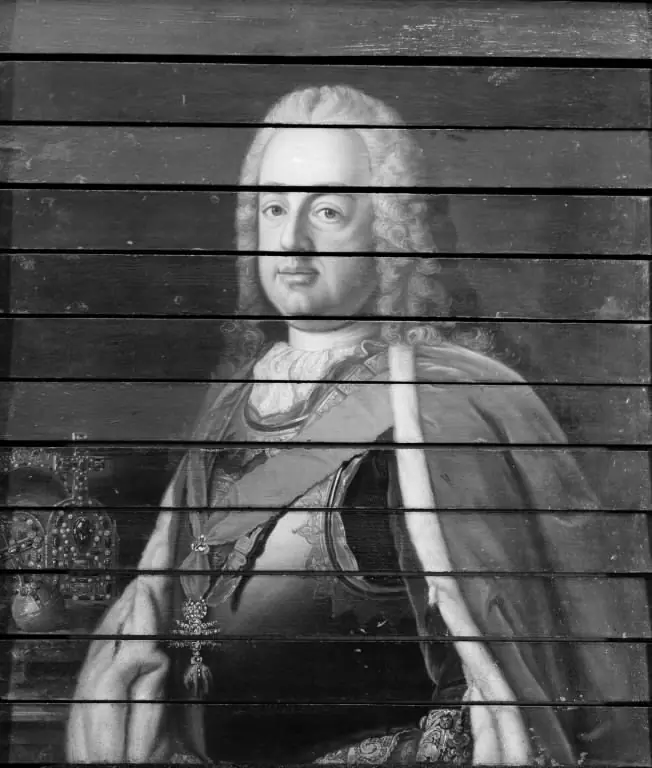 Emperor Franz I, Empress Maria Theresa and Their Son Archduke Joseph
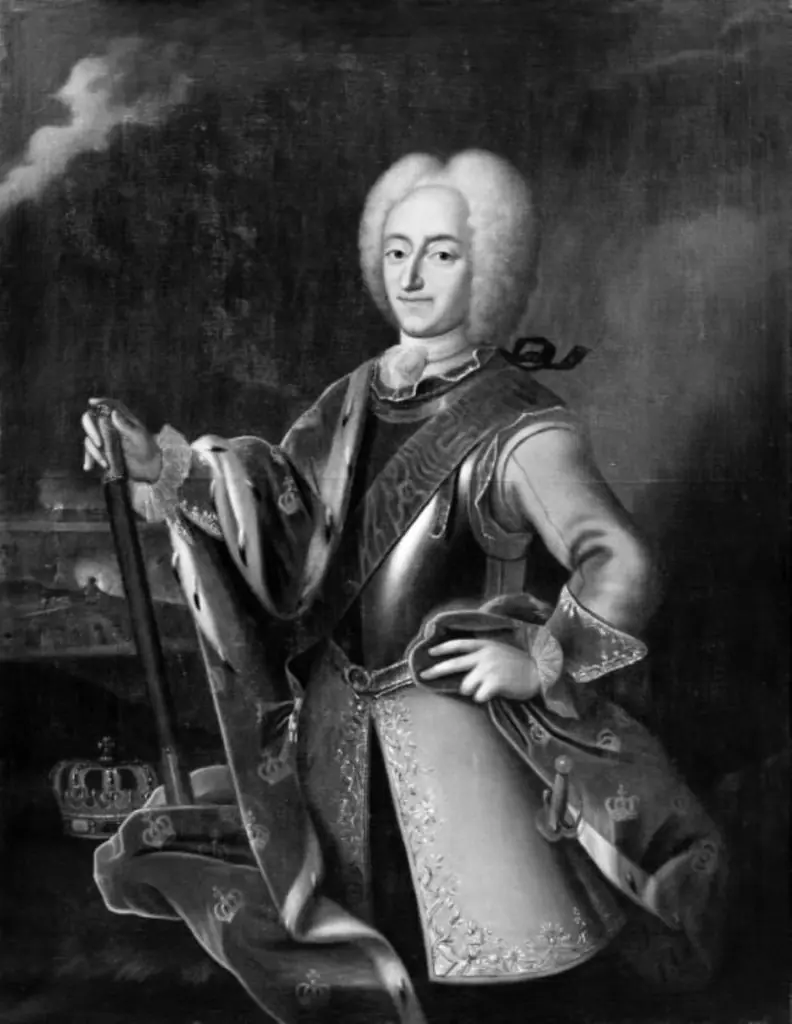 Kong Frederik IV
 Emperor Franz I, Empress Maria Theresa and Their Son Archduke Joseph
 Portrait of Augustus III (1696–1763), King of Poland