Artwork
Venus and Amor and the Castle of Love
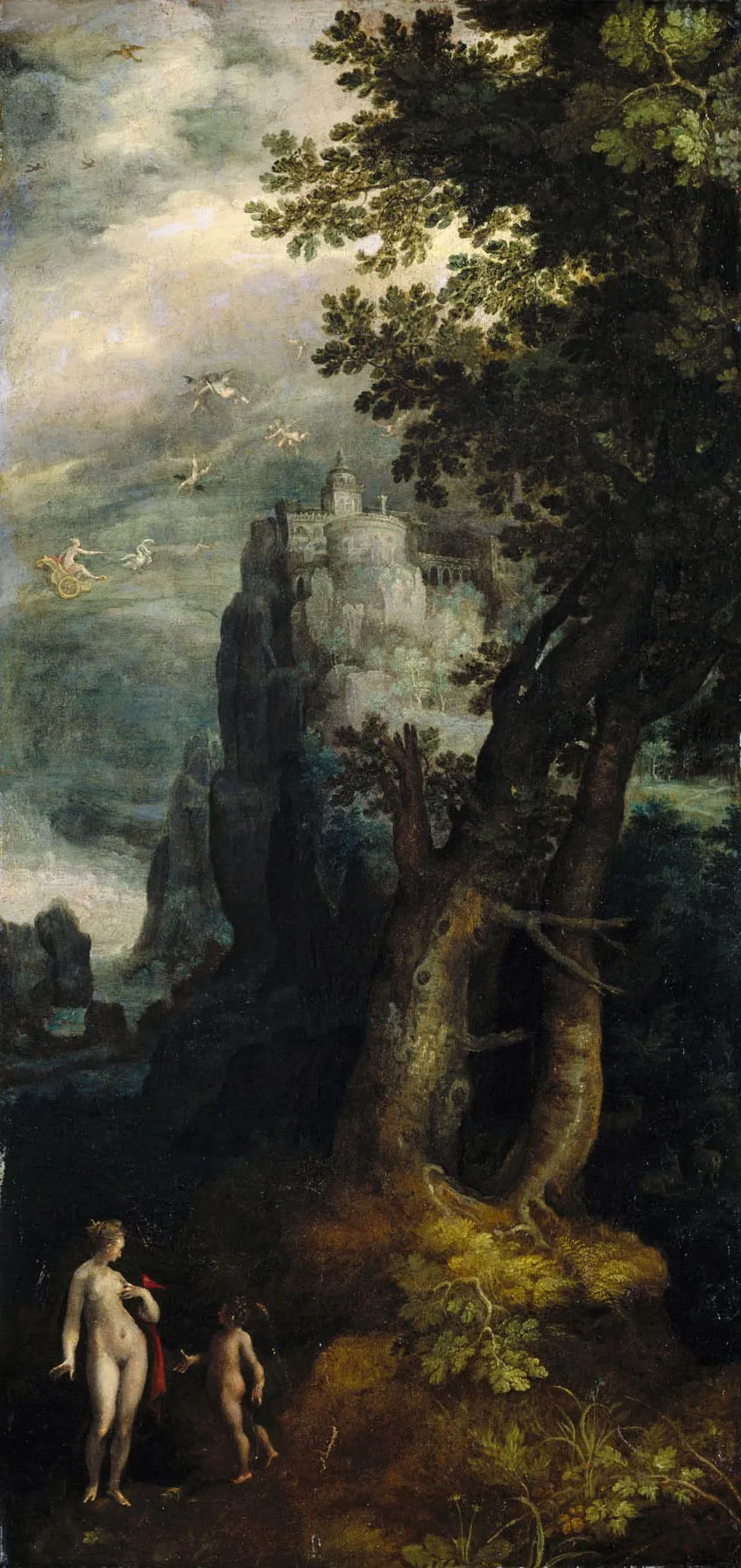
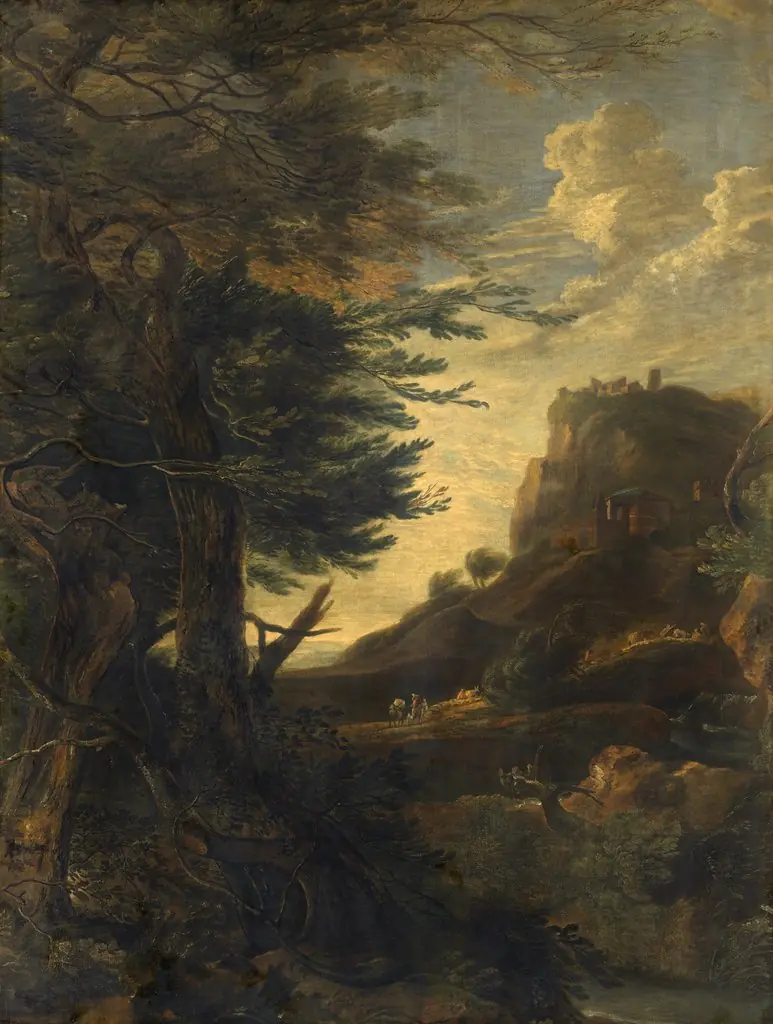
Venus and Amor and the Castle of Love is an unspecified painting by the Dutch Golden Age artist Roelant Savery. It dates from 1605 and is held in the collection of the Kunsthistorisches Museum.
About this work
Overview
Created in 1605 by the Flemish-born painter Roelant Savery, this oil work belongs to the Dutch Golden Age. It portrays the Roman deity Venus together with her son Amor, set against a rocky landscape that culminates in a distant castle. The painting is part of the permanent collection of the Kunsthistorisches Museum in Vienna.
Subject & Meaning
The central figures are a nude Venus, holding a red drapery, and a small, attentive child identified as Amor, who gestures toward the castle perched atop the cliff. The composition evokes classical mythology, linking the goddess of love with a symbolic fortress that may represent the protective or aspirational aspects of love.
Technique & Style
Savery employs a subtle chiaroscuro, using contrasts of light and shadow to model the figures and the surrounding foliage. The misty illumination creates a dreamlike atmosphere, while the delicate rendering of trees, birds, and distant architecture reflects the painter’s attention to naturalistic detail within a mythological framework.
History & Provenance
Since its completion in the early seventeenth century, the canvas has remained in European collections, eventually entering the holdings of the Kunsthistorisches Museum. Its attribution to Savery has been consistently affirmed by scholars, situating the work within his broader output of mythological and landscape subjects.
Artist & collection
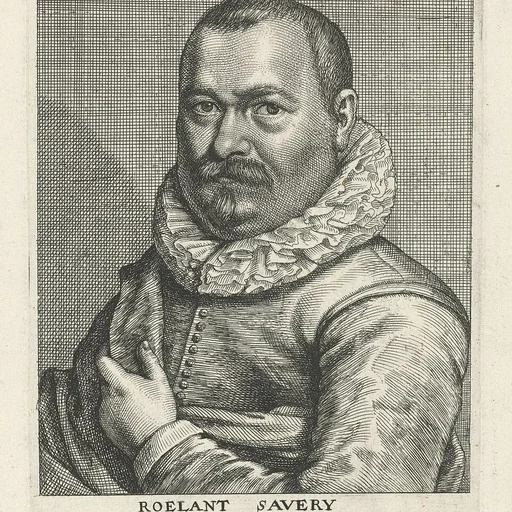
Artist
Roelant Savery (or Roeland(t) Maertensz Saverij, or de Savery, or many variants; 1576 – buried 25 February 1639) was a Flanders-born Dutch Golden Age painter.

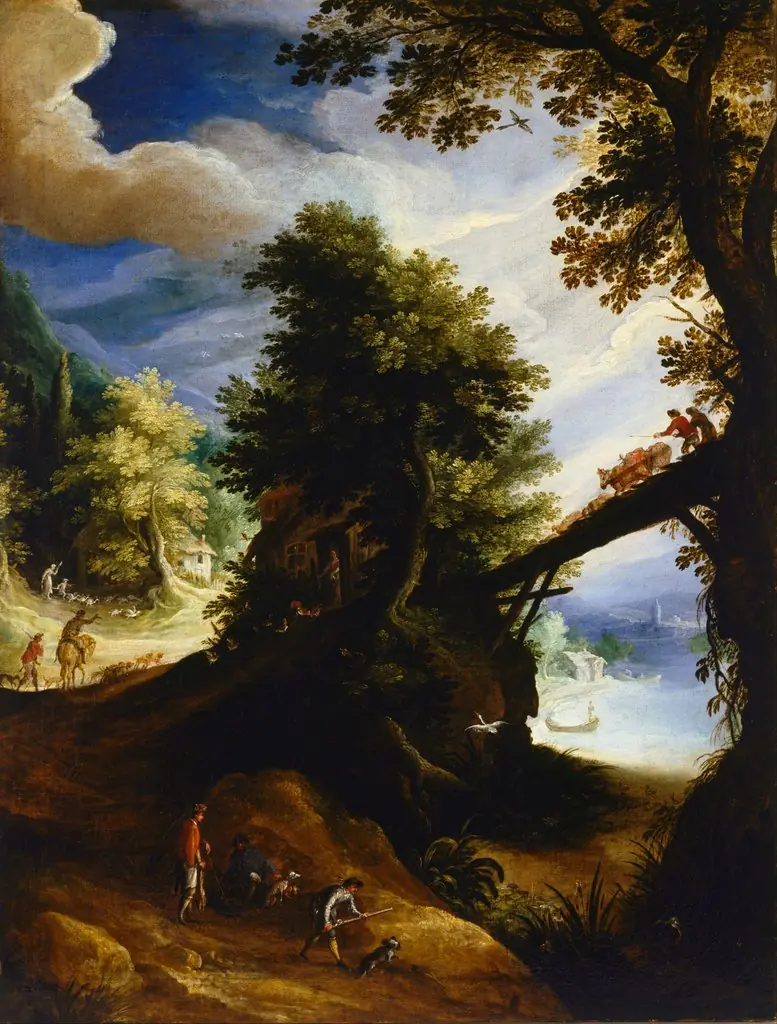 A wooded landscape with a bridge and sportsmen at the edge of the river
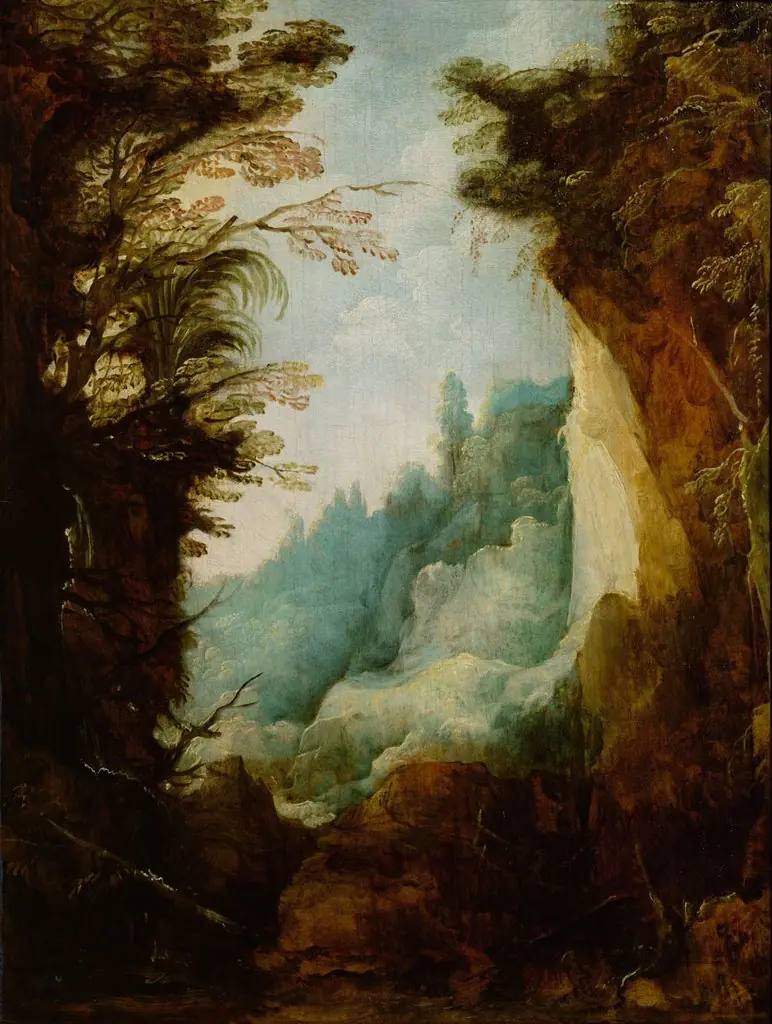 Waldige Felsschlucht
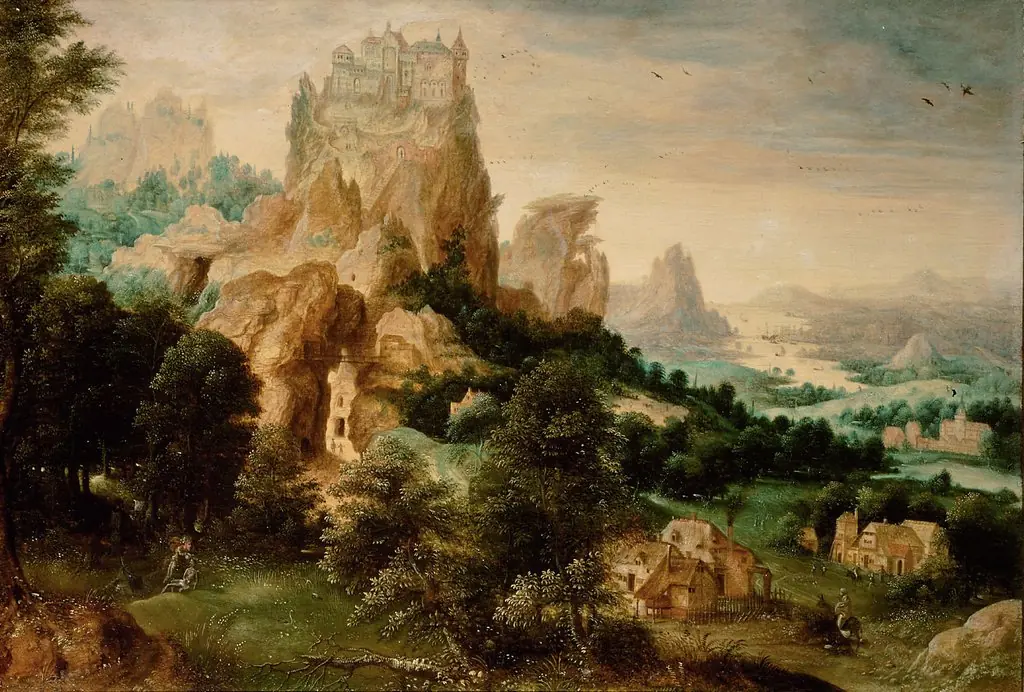 Hilly landscape with the story of the Good Samritan (Luke 10:25-37)
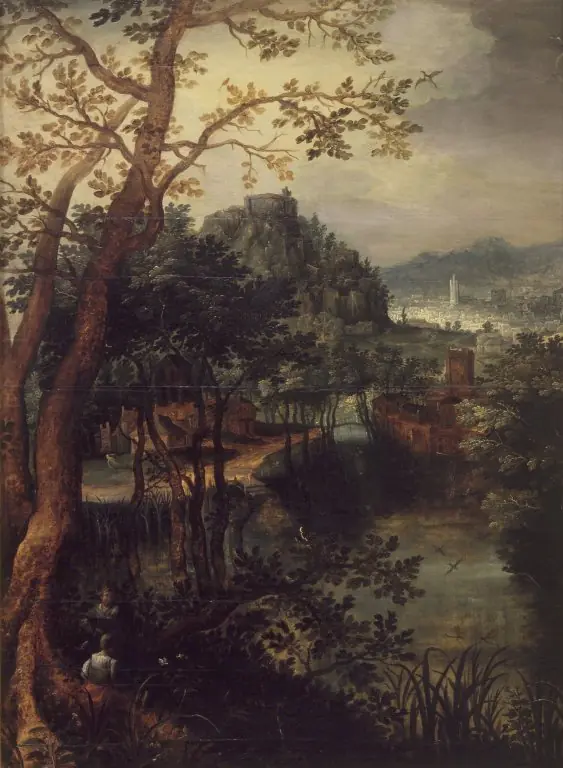 Landscape
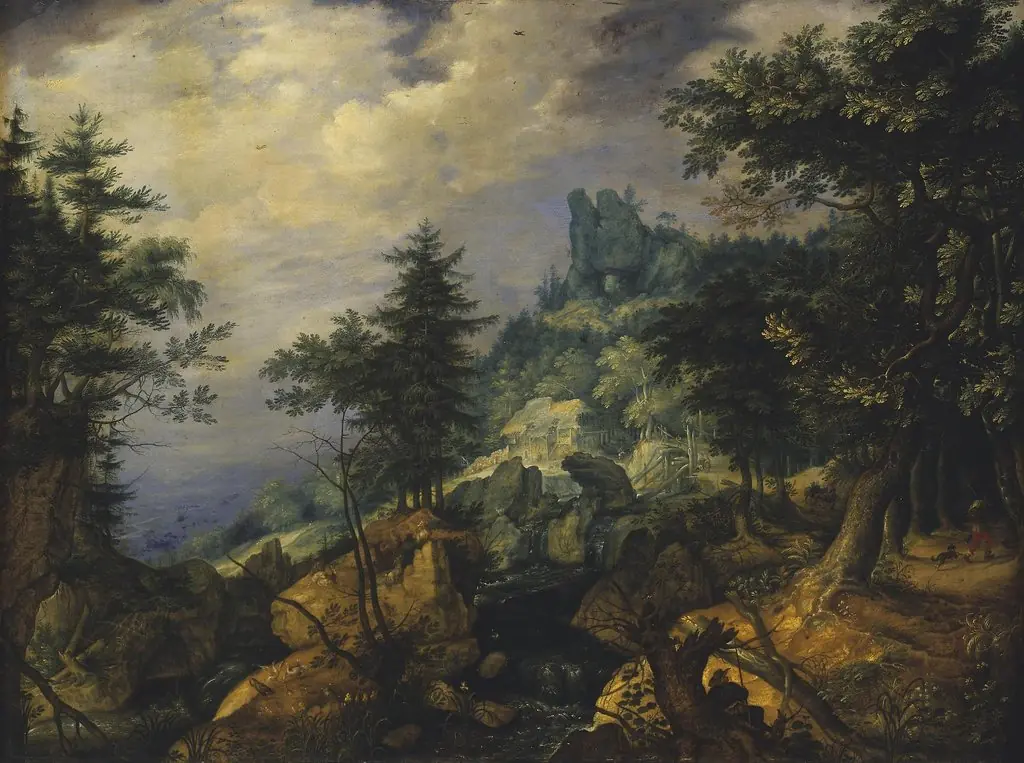 Tyrolean Landscape (The Flight into Egypt)
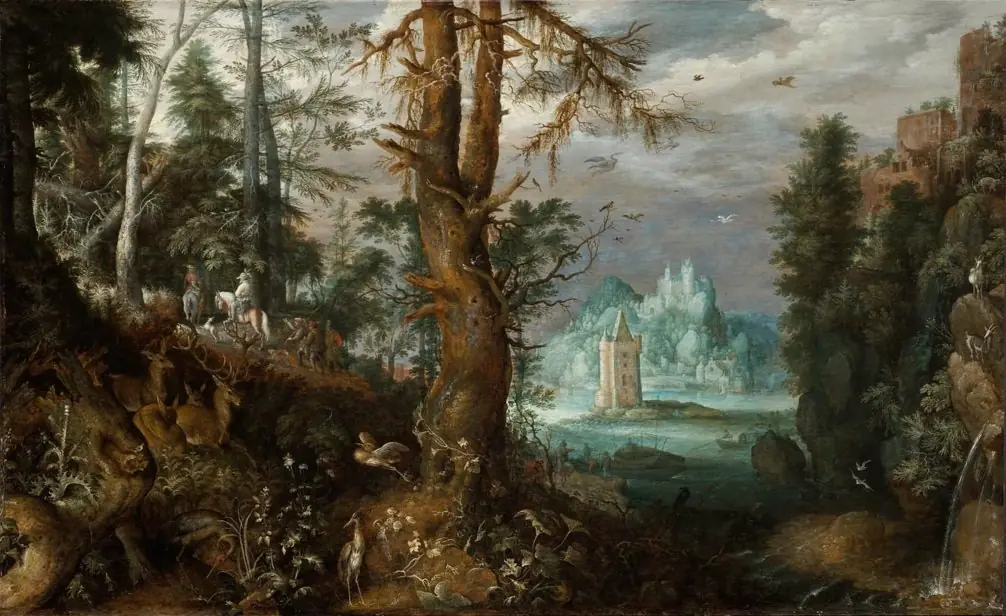 Forest Scene with Hunters
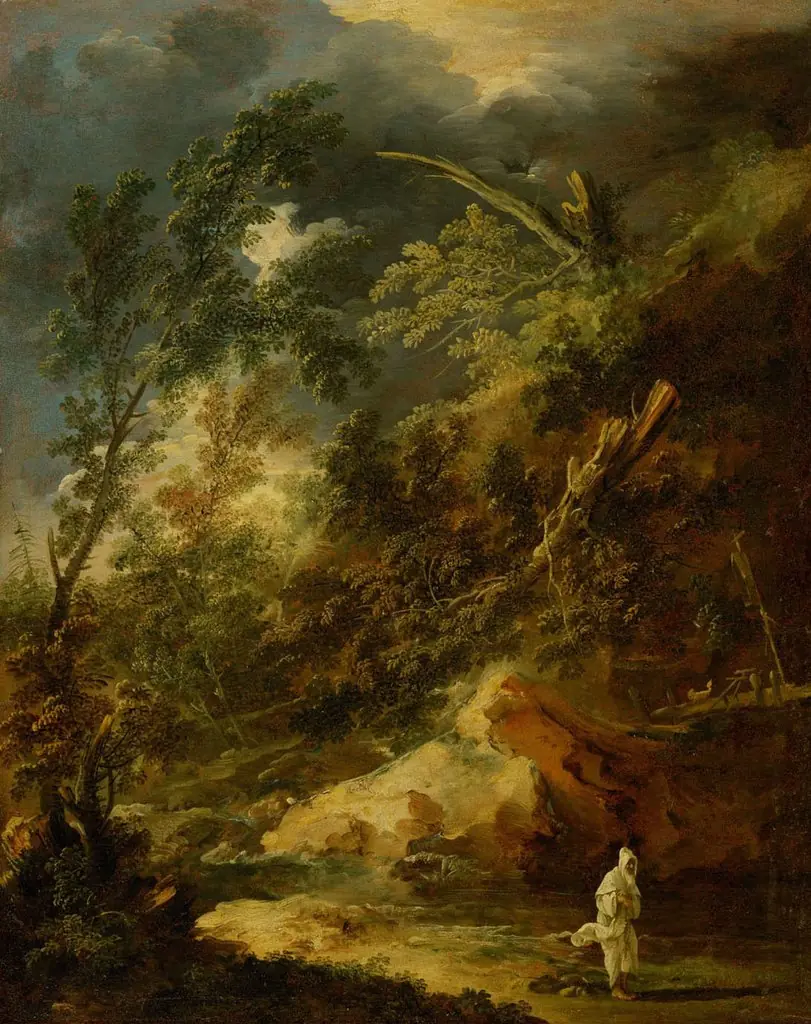 Landschaft mit einem Mönch im Wettersturm
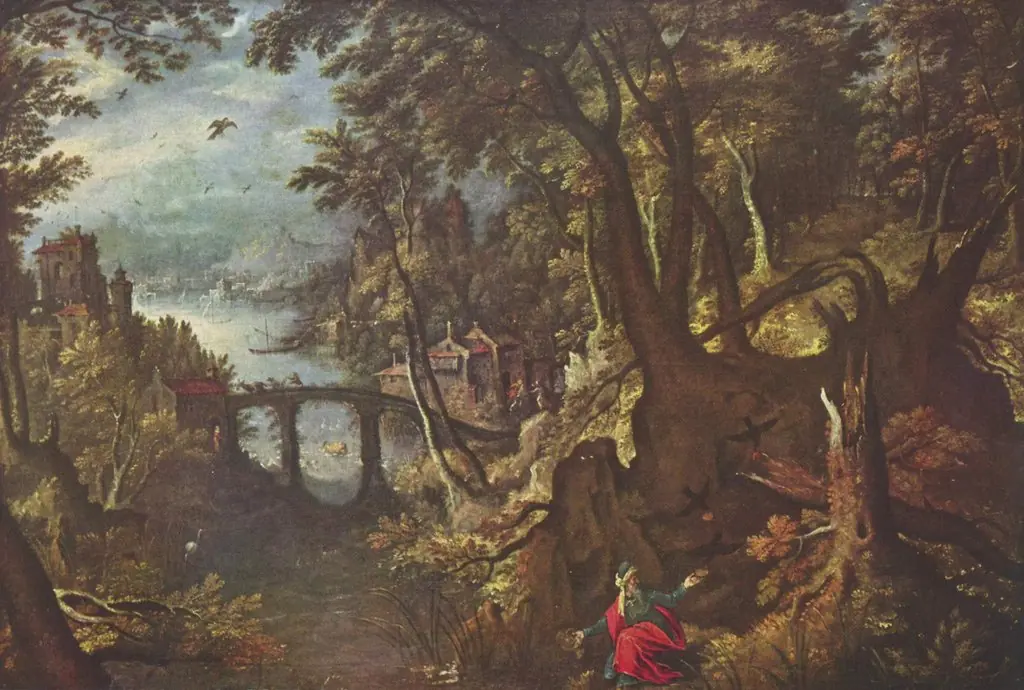 Elijah fed by the raven
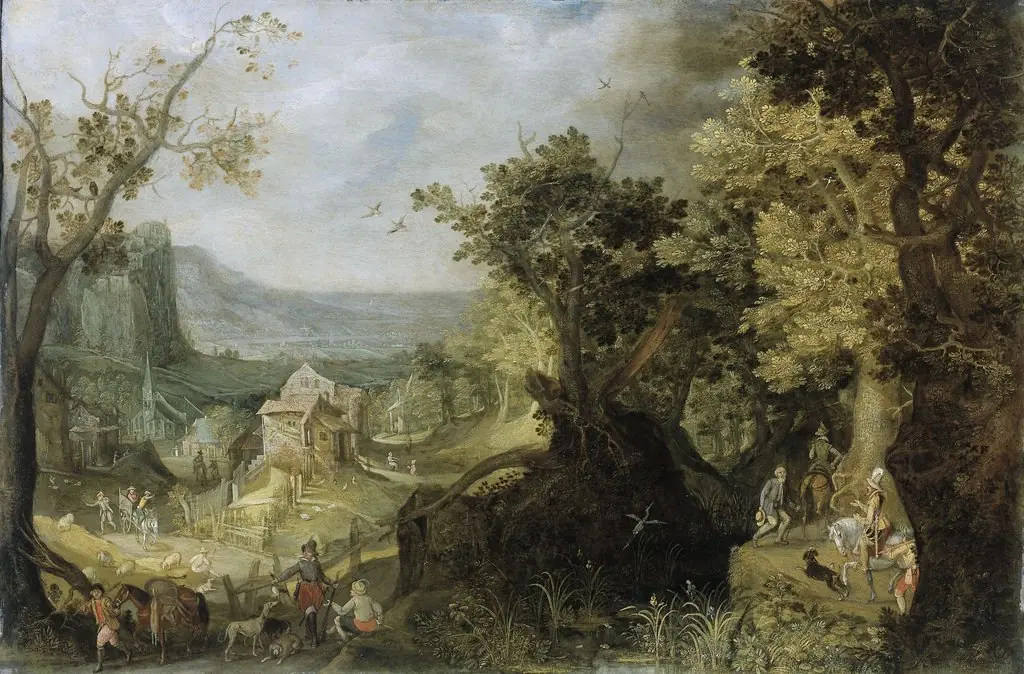 Wooded Landscape
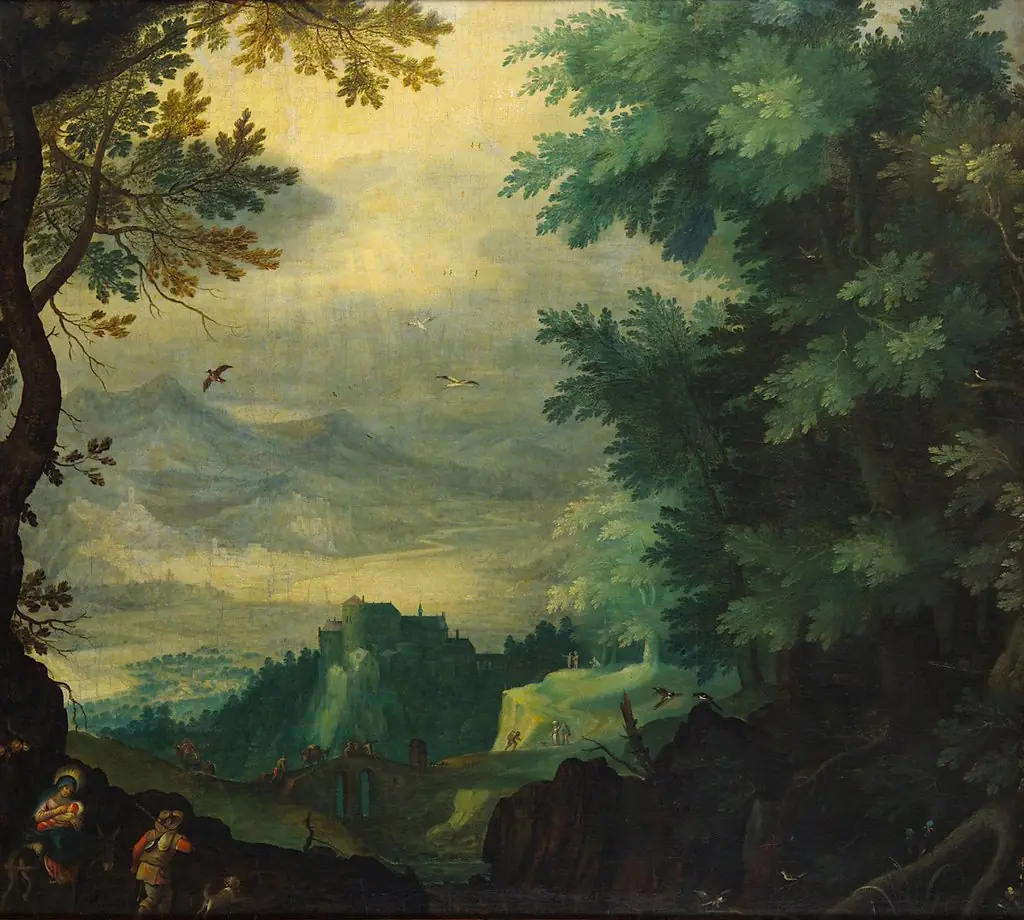 Landscape with the Flight into Egypt
 Landscape