Artwork
The Seven Sacraments (left panel)
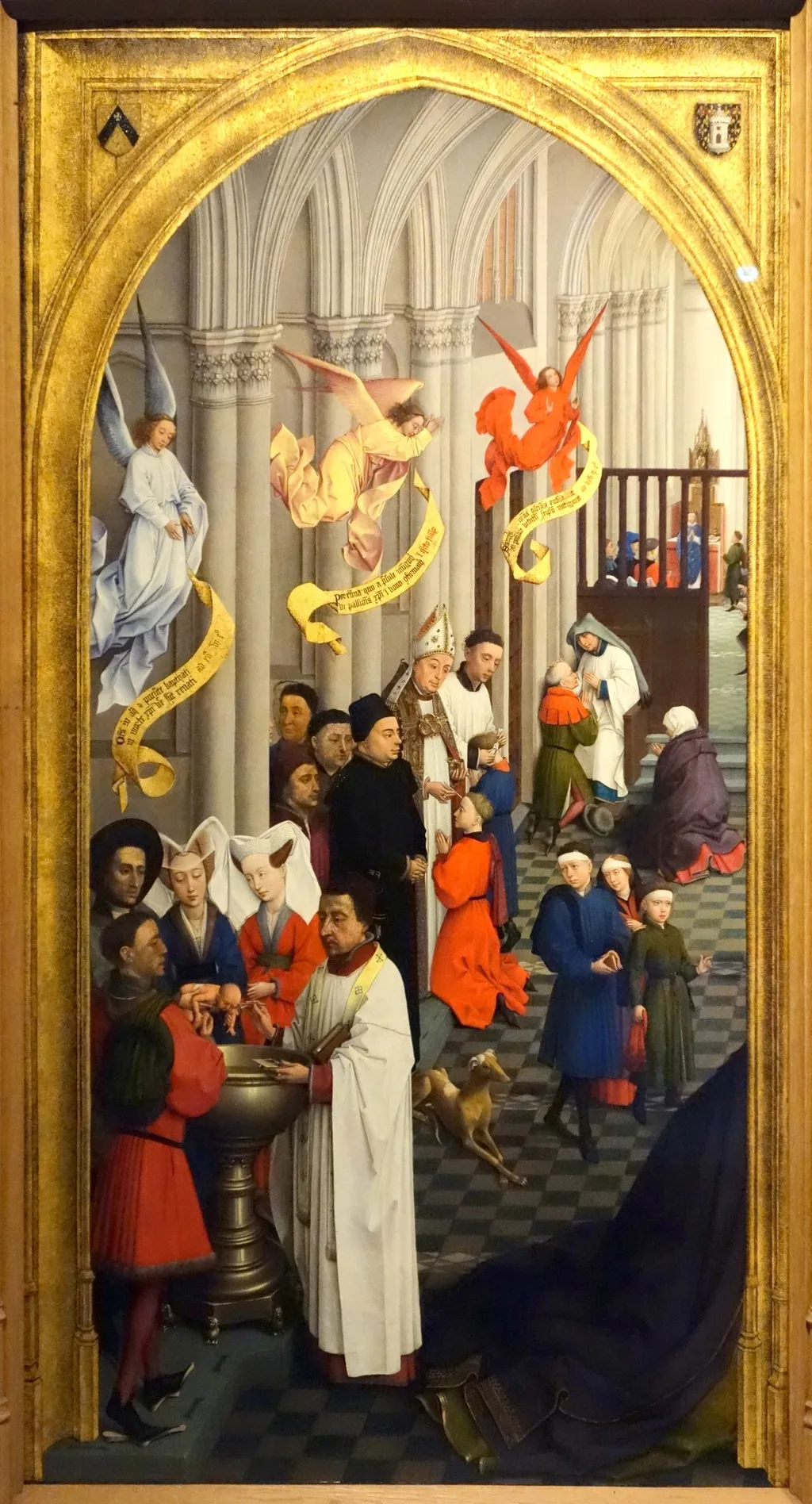
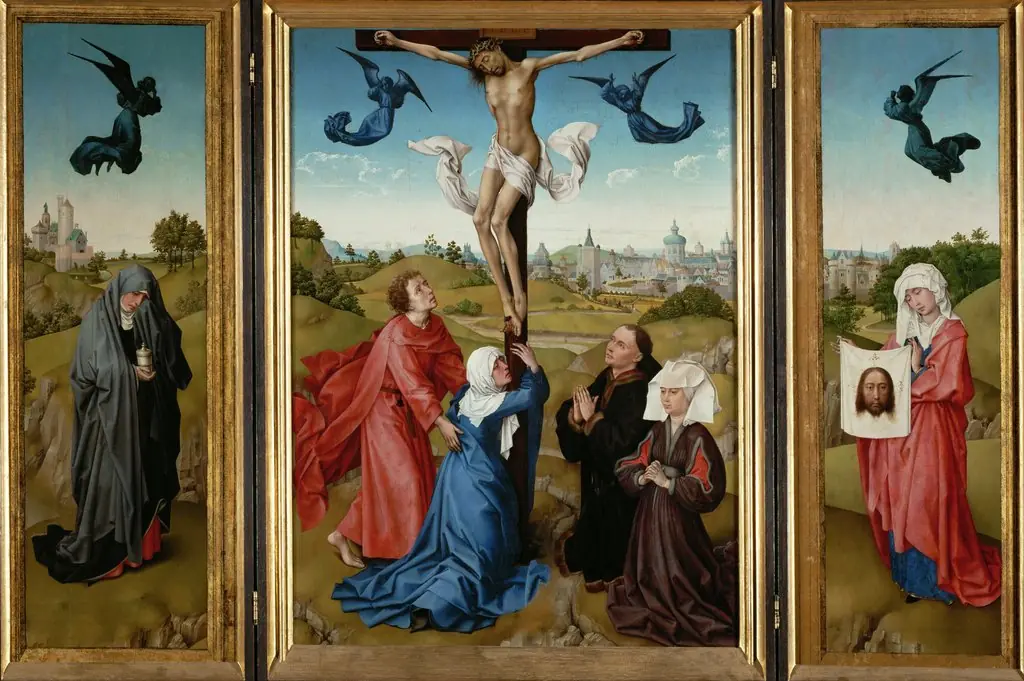
The Seven Sacraments (left panel) is an oil painting by the Northern Renaissance artist Rogier van der Weyden. It dates from 1440 and is held in the collection of the Royal Museum of Fine Arts Antwerp.
About this work
Overview
Painted around 1440 by Rogier van der Weyden, the left panel of *The Seven Sacraments* is one section of a triptych commissioned for a religious setting.
Painted around 1440 by Rogier van der Weyden, the left panel of *The Seven Sacraments* is one section of a triptych commissioned for a religious setting. Executed in oil on panel, it presents a sequence of sacramental rituals within a meticulously rendered Gothic interior. The work exemplifies the Northern Renaissance commitment to spiritual narrative and precise observation, reflecting the devotional priorities of its Burgundian patrons.
Subject & Meaning
The panel illustrates four of the seven sacraments of the Catholic Church: Baptism, Confirmation, Penance, and Holy Orders. Each rite is depicted in a distinct moment within the same architectural space, allowing viewers to witness the sacred acts as unfolding events. The figures—clergy and laity alike—are arranged to emphasize ritual hierarchy and communal participation, reinforcing the sacraments’ role in guiding the faithful through life’s spiritual milestones.
Technique & Style
Van der Weyden employs oil paint to achieve fine detail in fabrics, facial expressions, and architectural elements. Gold leaf accents highlight vestments and architectural features, enhancing the sacred atmosphere without overt grandeur. The figures are arranged in shallow, overlapping planes, creating a sense of spatial depth. His use of linear perspective and controlled gestures conveys solemnity, aligning with the devotional intent of the composition.
History & Provenance
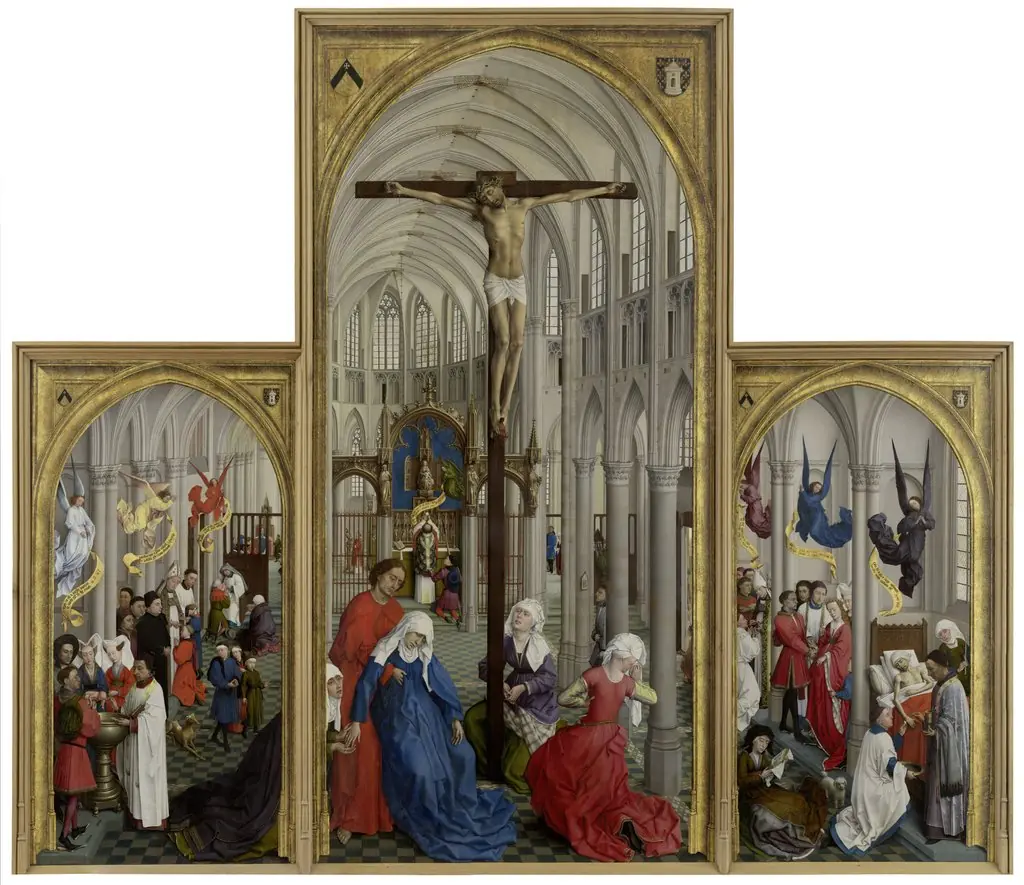
Commissioned likely for a church or chapel in Brussels, the triptych remained in the Low Countries for centuries. It entered the collection of the Royal Museum of Fine Arts Antwerp in the 19th century, where it has been preserved as a key example of early Netherlandish altarpiece painting. Its survival through periods of religious upheaval underscores its enduring cultural and artistic value.
Context
Created during the height of Burgundian influence in the Low Countries, the painting reflects the close ties between ecclesiastical authority and noble patronage. Philip the Good, Duke of Burgundy, supported artists who produced works reinforcing Catholic orthodoxy. Van der Weyden’s focus on intimate, emotionally resonant scenes catered to a devotional culture that valued personal piety and visible ritual.
Legacy
The *Seven Sacraments* triptych influenced later Northern painters through its integration of narrative clarity and psychological depth. Its structured yet naturalistic composition became a model for depicting sacred events in domestic and ecclesiastical settings. Though the full triptych is now dispersed, the left panel remains a vital reference for understanding 15th-century religious art and its social function.
Artist & collection
Artist
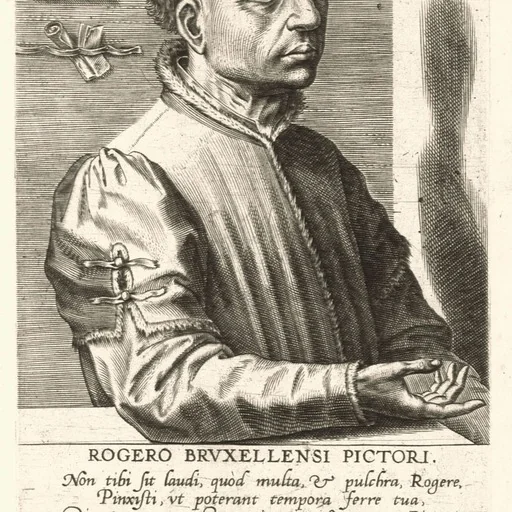
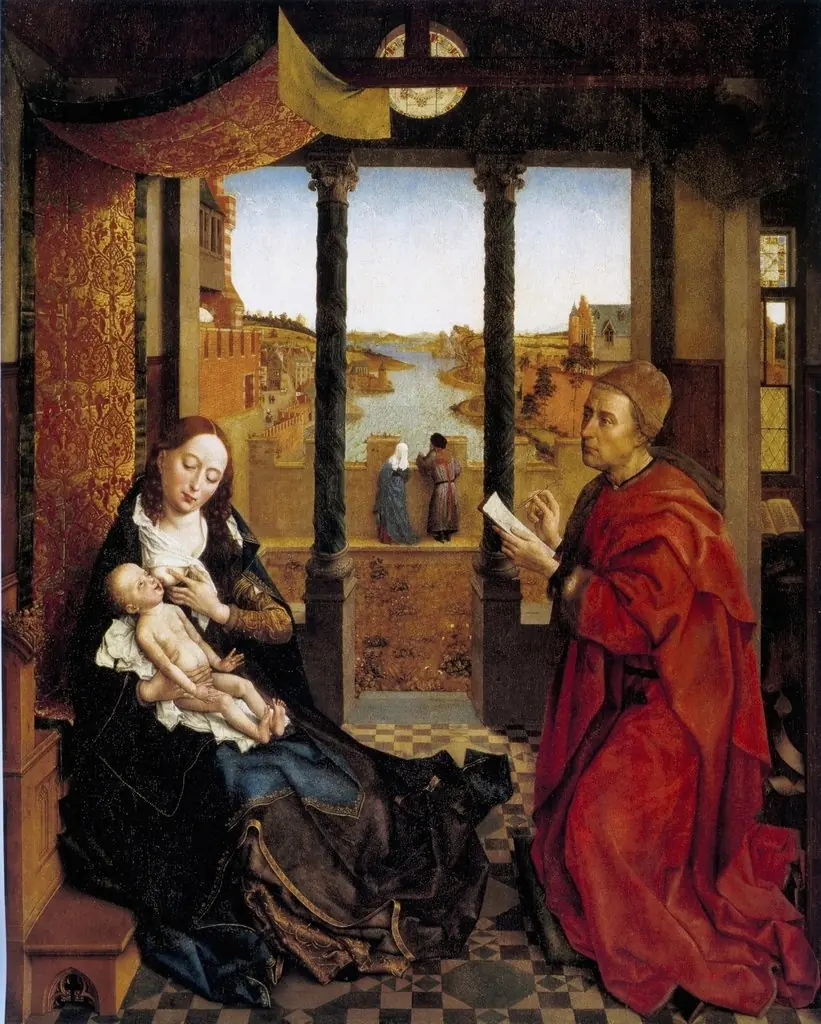
Rogier van der Weyden (Dutch: ; 1399 or 1400 – 18 June 1464), initially known as Roger de la Pasture (French: ), was an early Netherlandish painter whose surviving works consist mainly of religious triptychs,…

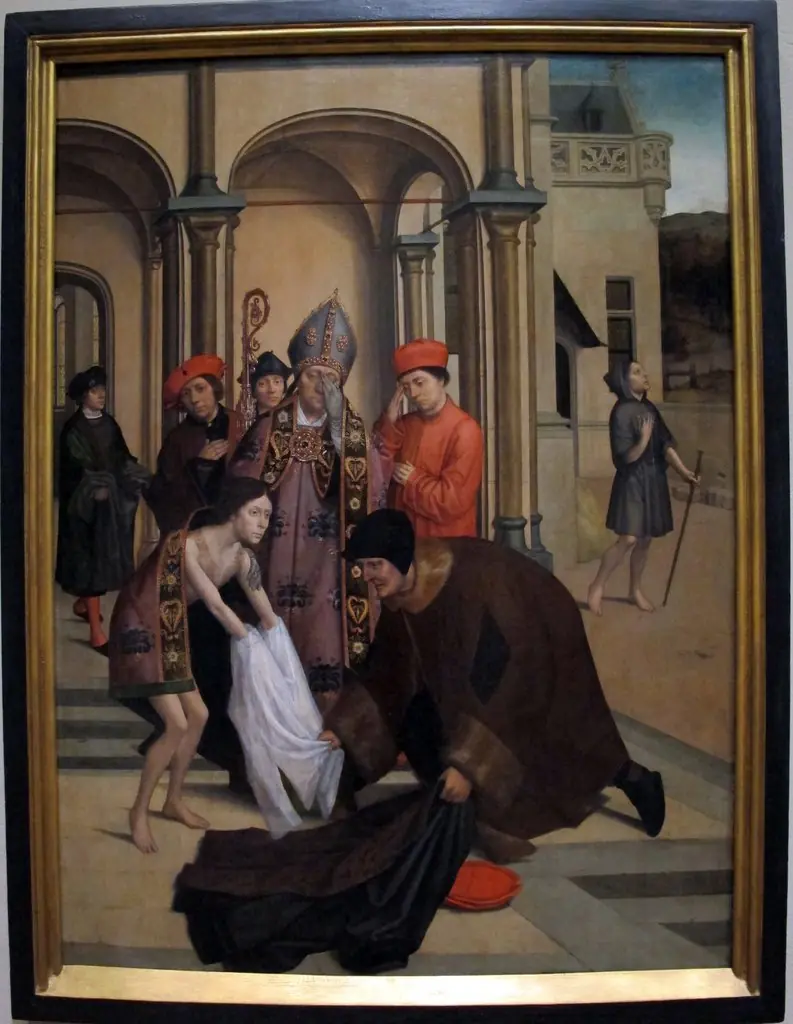 Saint Francis Renouncing the World for the Cloister
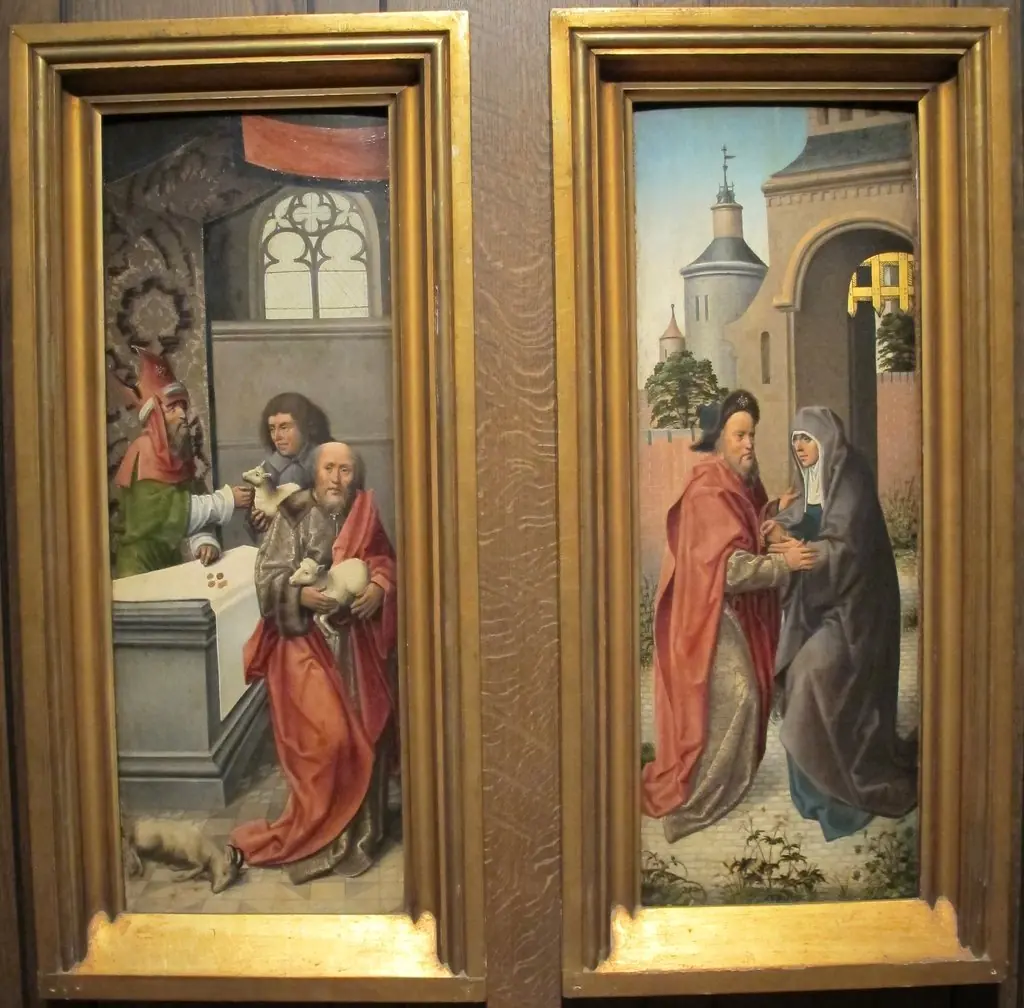 cacciata di gioacchino e incontro all porta d'oro
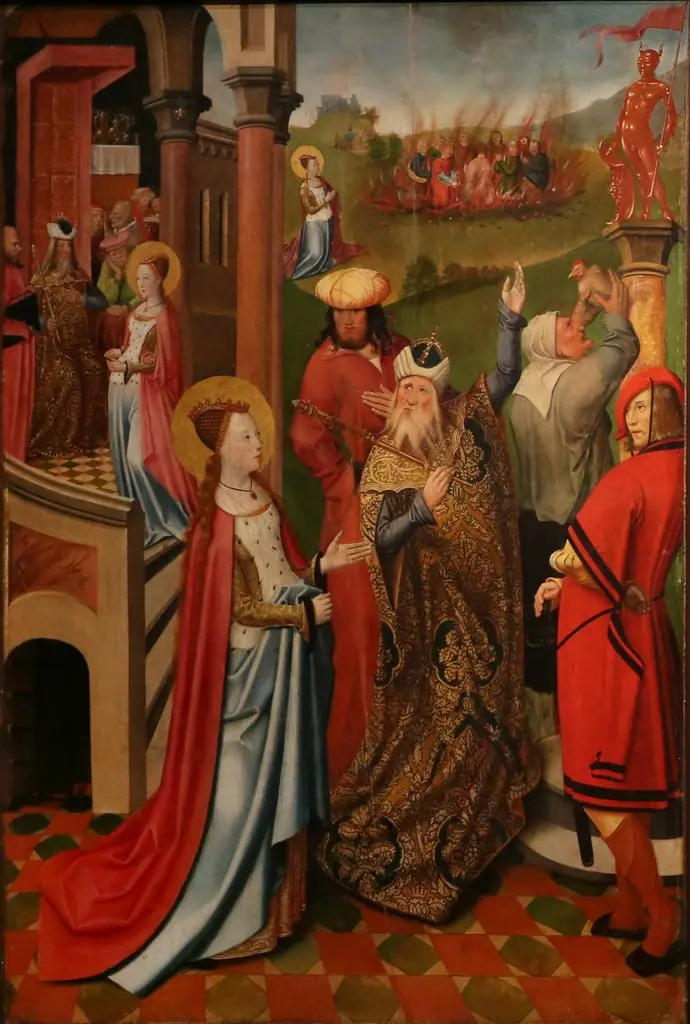 Saint Catherine refuses idolatry
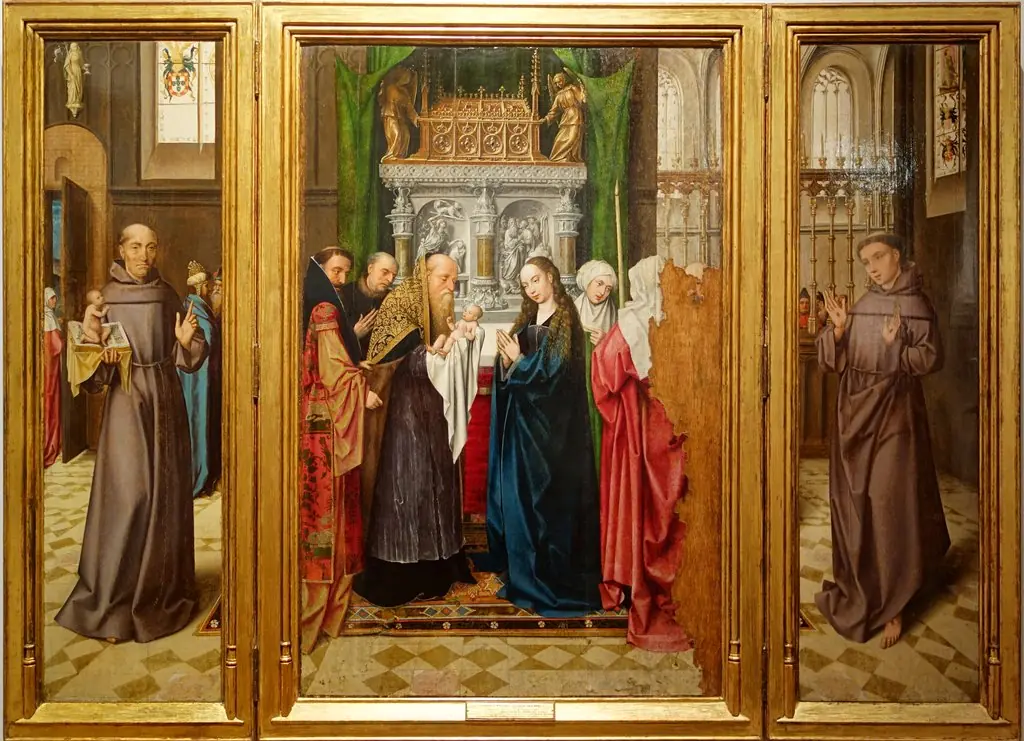 Triptych of the Presentation of Jesus in the Temple
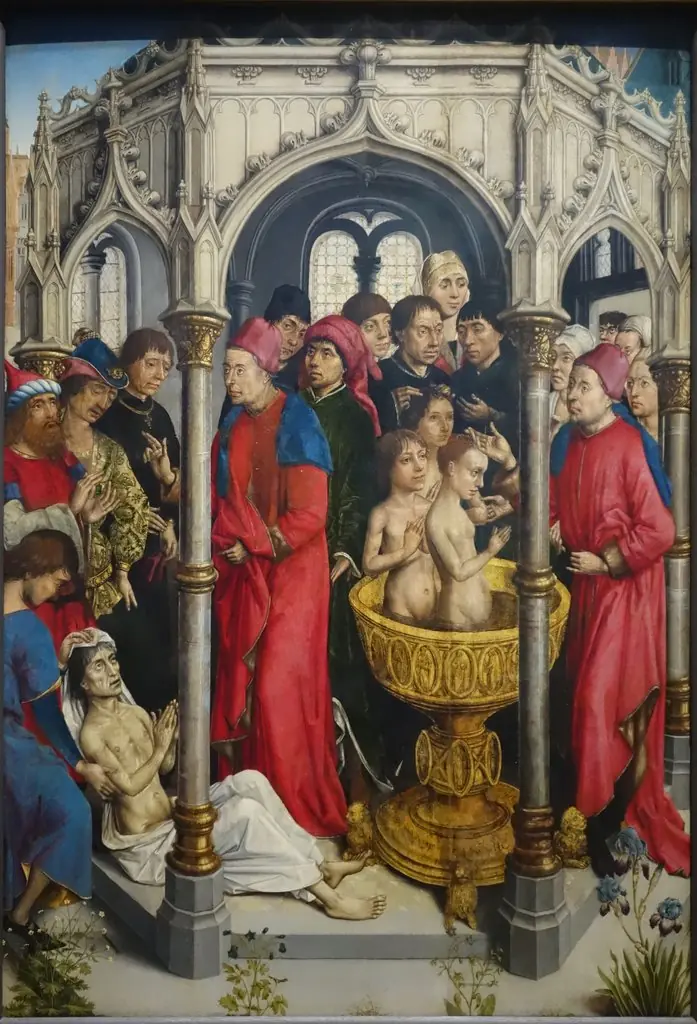 Two Scenes from the Life of a Saint
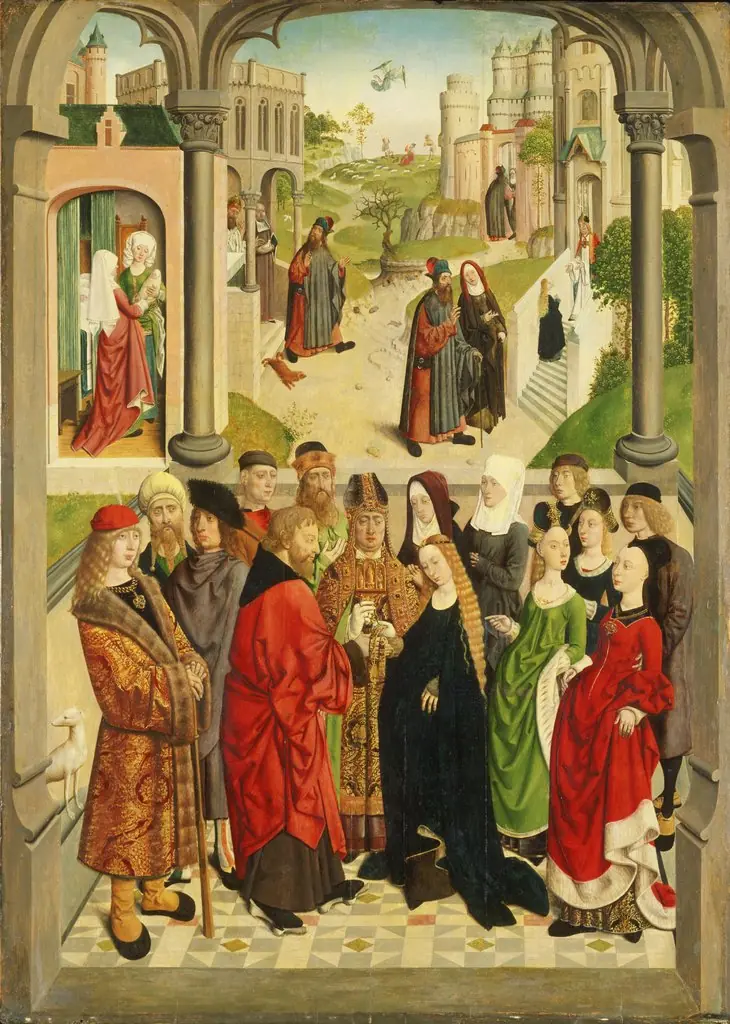 The Marriage of the Virgin, with the Expulsion of Saint Joachim from the Temple, the Angel Appearing to Saint Joachim, the Meeting at the Golden Gate, the Birth of the Virgin, and the Presentation of the Virgin
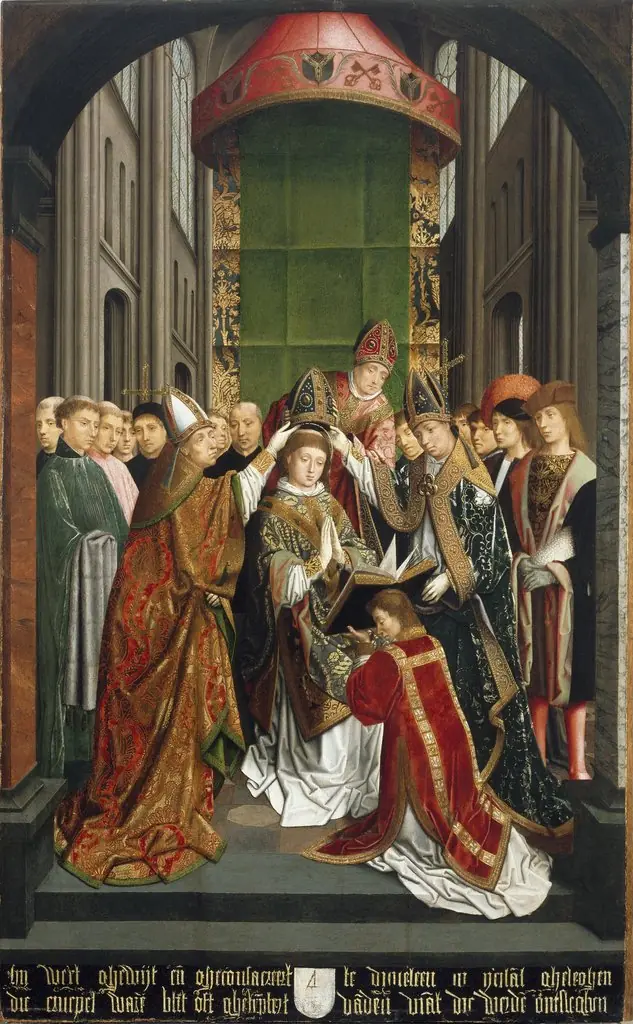 The Enthronement of Saint Romold as Bishop of Dublin
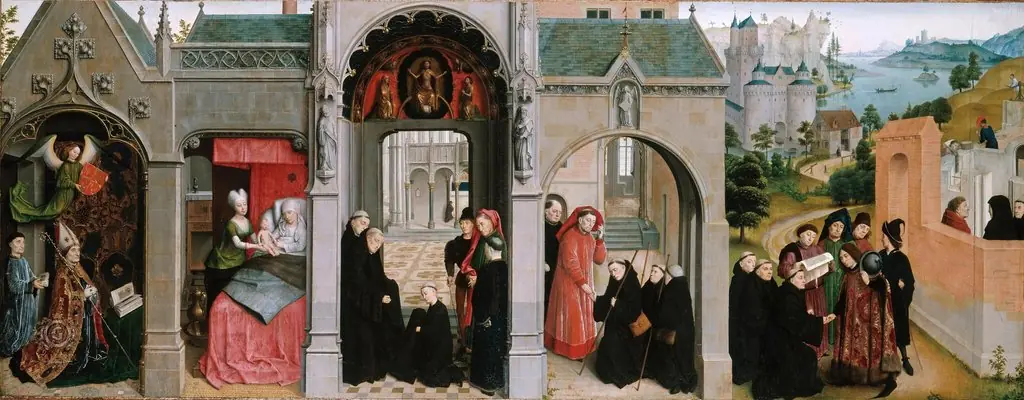 Scenes from the Life of St Bertin