Artwork
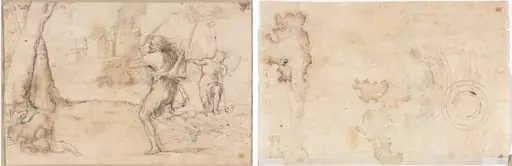
Concentric Circles (verso)
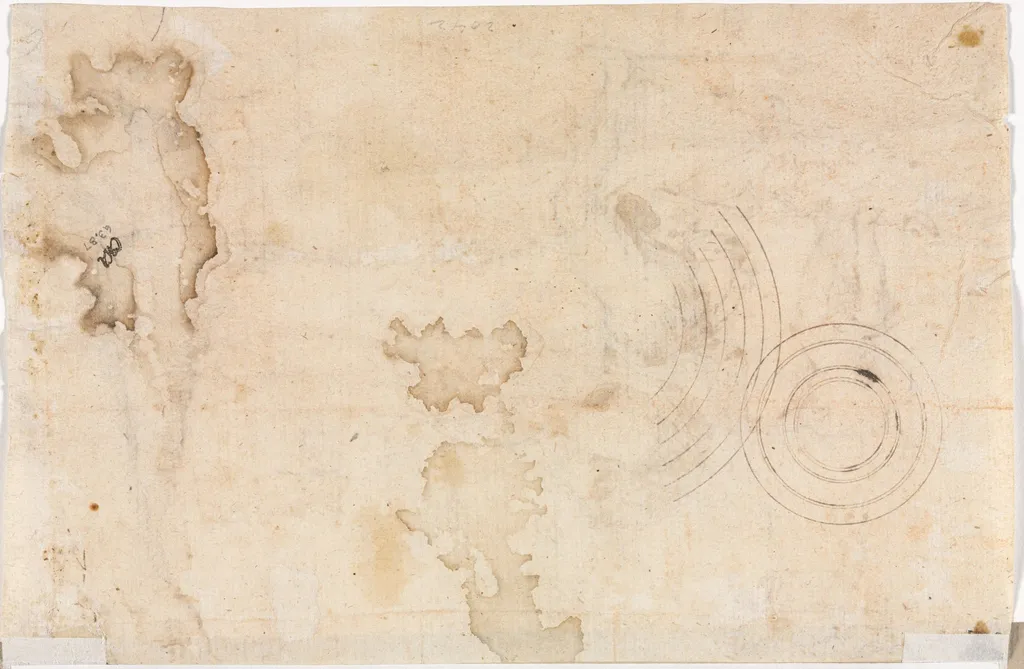
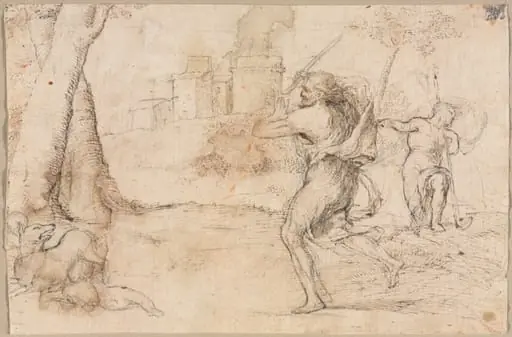
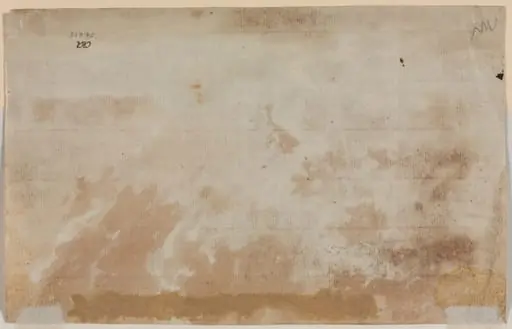
Concentric Circles (verso) is a drawing by the Renaissance artist Girolamo Romanino. It dates from 1535 and is held in the collection of the Cleveland Museum of Art. This drawing, dated around 1535 and attributed to Romanino, is a fragmentary sheet of paper preserved at The Cleveland Museum of Art.
About this work
Overview
The presence of faint pencil markings and two partial concentric circles indicates it was likely a preparatory sketch, not a finished composition.
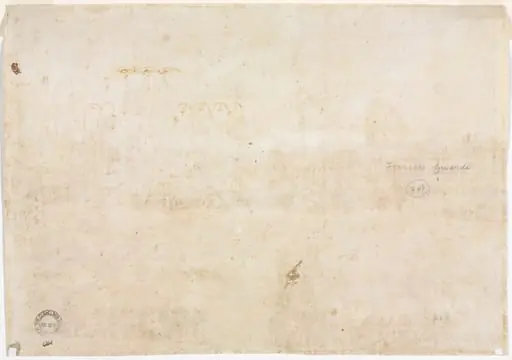
This drawing, dated around 1535 and attributed to Romanino, is a fragmentary sheet of paper preserved at The Cleveland Museum of Art. Its surface bears signs of age—tears, stains, and a weathered beige tone—suggesting prolonged use. The presence of faint pencil markings and two partial concentric circles indicates it was likely a preparatory sketch, not a finished composition. The physical condition reflects its function as a working document in an artist’s studio.
Subject & Meaning
The two incomplete concentric circles may have served as a compositional guide, perhaps for a circular motif in a larger painting or decorative scheme. Their simplicity and precision suggest a focus on geometry or spatial organization rather than narrative content. The surrounding faint lines hint at trial arrangements, implying the artist was experimenting with form, balance, or perspective before committing to a final design.
Technique & Style
The pencil work is delicate and controlled, with subtle gradations and minimal pressure, indicating a practiced hand. The lines are not bold or expressive but restrained, aiming for clarity over drama. The artist’s use of light, erasable marks allowed for adjustments, characteristic of preparatory studies. The absence of shading or cross-hatching reinforces the drawing’s role as a structural outline rather than a rendered image.
History & Provenance
The drawing’s physical state—torn edges, discoloration, and accumulated stains—points to decades of handling in a Renaissance workshop. Its survival suggests it was retained for its utility or as a reference, rather than discarded. It entered the Cleveland Museum of Art’s collection as part of a broader acquisition of Renaissance drawings, though its specific provenance before the 20th century remains undocumented.
Context
In early 16th-century Italy, artists routinely produced such studies to refine compositions before executing major works. Romanino, active in Lombardy and Veneto, was known for his frescoes and altarpieces, where spatial harmony was essential. This sketch reflects a common practice among painters of the period: using paper to test forms, proportions, and arrangements without committing to costly materials like canvas or plaster.
Legacy
As a surviving example of an artist’s working process, the drawing offers insight into the quiet, iterative nature of Renaissance creation. It underscores how much of artistic production occurred off the public stage—in sketches, trials, and revisions. Today, such fragments are valued not for their finish, but for the access they provide to the artist’s thought process and technical discipline.
Artist & collection
Artist
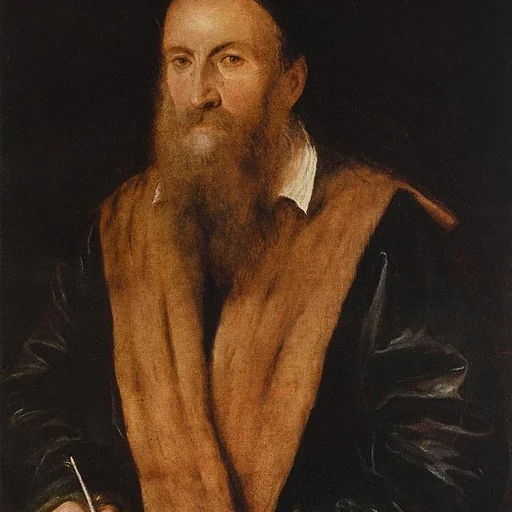
Girolamo Romani, known as Romanino (c. 1485 – c. 1566), was an Italian High Renaissance painter active in the Veneto and Lombardy, near Brescia. His long career brought forth several different styles.

![The Fantastic Rocks and Castle at Bomarzo [verso], by Bartholomeus Breenbergh](https://artifactworldgallery.com/img/bartholomeus-breenbergh--the-fantastic-rocks-and-castle-at-bomarzo-verso--5a96047e30ba1d0f-w320.webp)