Artwork
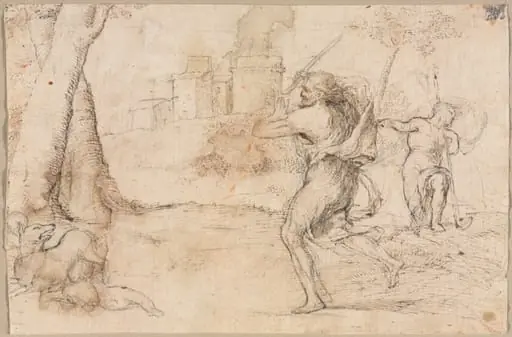
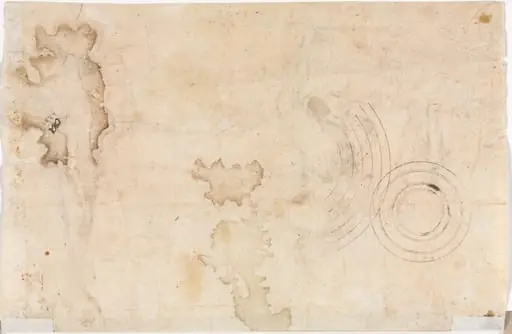
Romulus and Remus Found by Faustulus (recto) Concentric Circles (verso)
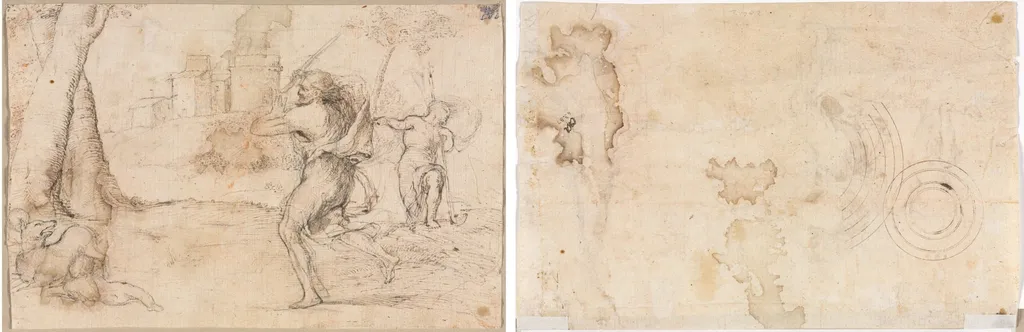
Romulus and Remus Found by Faustulus (recto) Concentric Circles (verso) is a drawing by the Renaissance artist Girolamo Romanino. It dates from 1535 and is held in the collection of the Cleveland Museum of Art.
About this work
Overview
This double-sided drawing by Romanino, dated around 1535, features a mythological scene on the recto and abstract geometric forms on the verso.
This double-sided drawing by Romanino, dated around 1535, features a mythological scene on the recto and abstract geometric forms on the verso. Executed in pen and ink with wash, it reflects the artist’s practice of reusing paper for preliminary studies. The work is part of the collection at The Cleveland Museum of Art, where it serves as an example of Renaissance draftsmanship and the fluid boundary between study and finished composition.
Subject & Meaning
The recto depicts the moment from Roman legend when Faustulus, a shepherd, discovers the infant twins Romulus and Remus beside the Tiber, accompanied by a she-wolf. A woman, possibly Acca Larentia, stands nearby, while Faustulus kneels in reverence. The distant cityscape suggests the future site of Rome. The scene emphasizes divine intervention and the humble origins of Rome’s founders, rendered with quiet narrative gravity rather than dramatic flourish.
Technique & Style
Romanino employs fine pen lines and subtle ink washes to model forms and suggest depth. The figures are rendered with anatomical precision and naturalistic posture, characteristic of Renaissance draftsmanship. The landscape is suggested rather than fully detailed, using minimal strokes to imply terrain and architecture. The verso’s concentric circles may represent a compositional study or an exercise in spatial abstraction, revealing the artist’s engagement with form beyond narrative.
History & Provenance
The drawing entered the Cleveland Museum of Art’s collection in the 20th century, though its earlier ownership remains undocumented. It is attributed to Romanino based on stylistic parallels with his known works, particularly his use of expressive gesture and atmospheric landscape. Its survival as a single sheet, rather than part of a bound album, suggests it may have been preserved for its artistic merit rather than as a preparatory sketch for a larger commission.
Context
Created during the High Renaissance in northern Italy, the drawing reflects the period’s renewed interest in classical antiquity and humanist themes. Romanino, active in Brescia and Venice, was influenced by both local Lombard traditions and Venetian colorism. While his paintings often featured bold figures and vivid color, this drawing reveals a more restrained, introspective approach, aligning with the era’s emphasis on study and observation as foundations of artistic practice.
Legacy
This drawing contributes to the understanding of Romanino’s working methods and the role of sketching in Renaissance art. Its dual-sided nature illustrates how artists repurposed materials and explored ideas across different modes—narrative and abstract. Though not widely exhibited, it remains a valuable artifact for scholars studying the transition from preparatory study to finished work in 16th-century Italian drawing.
Artist & collection
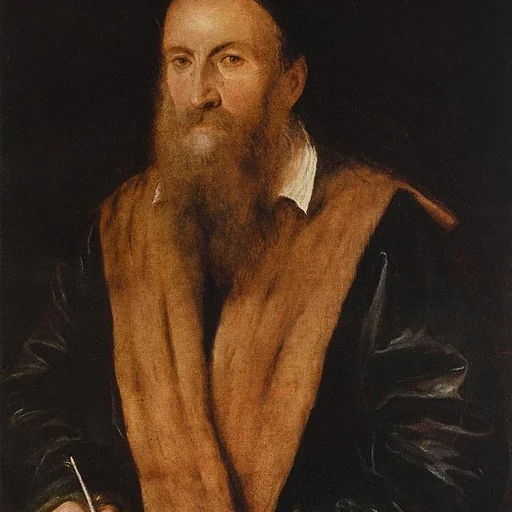
Artist
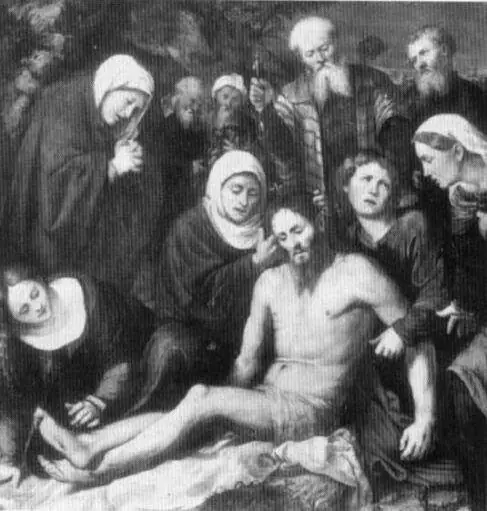
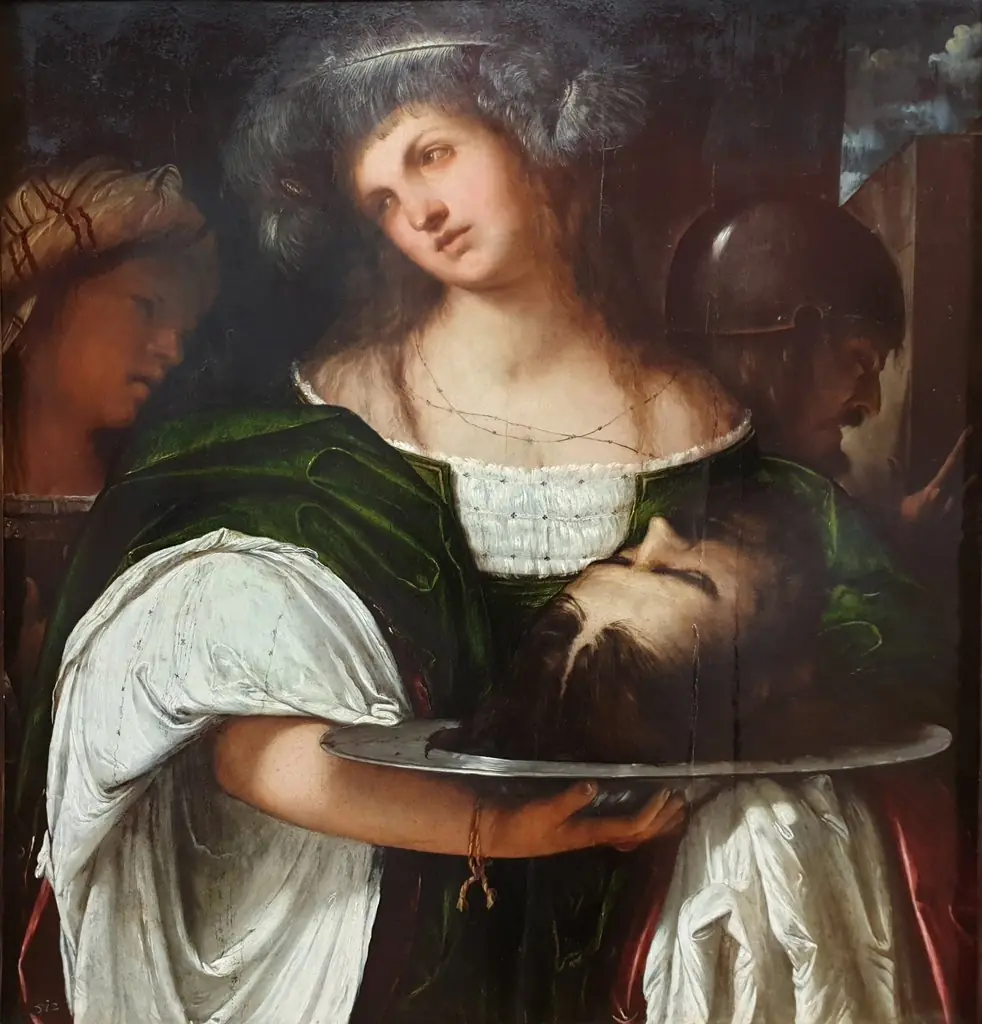
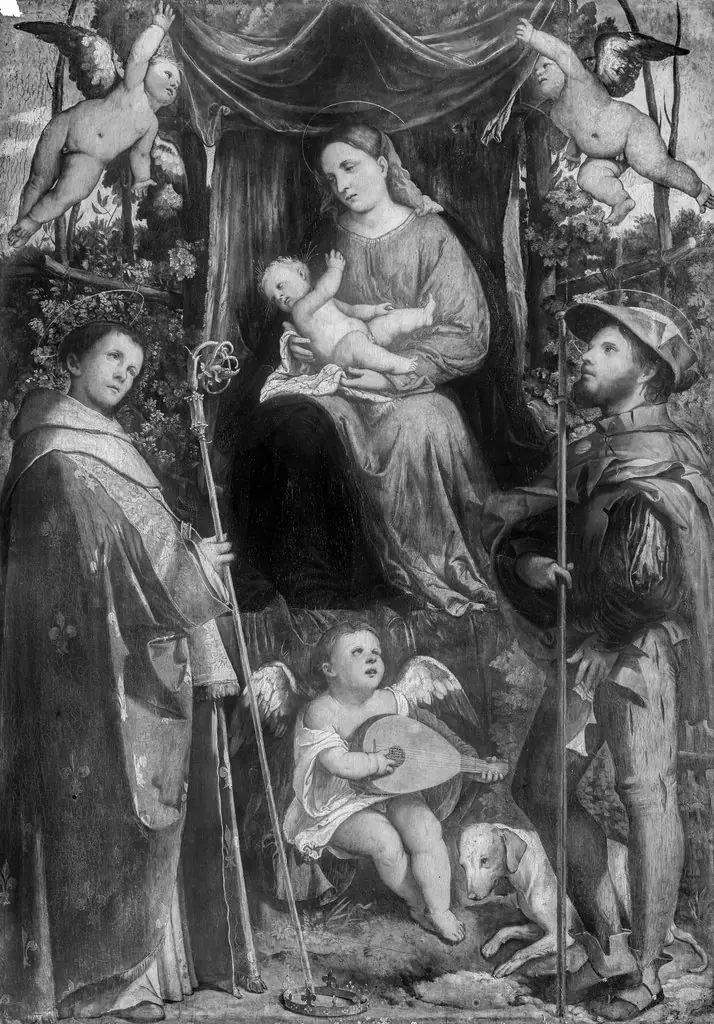
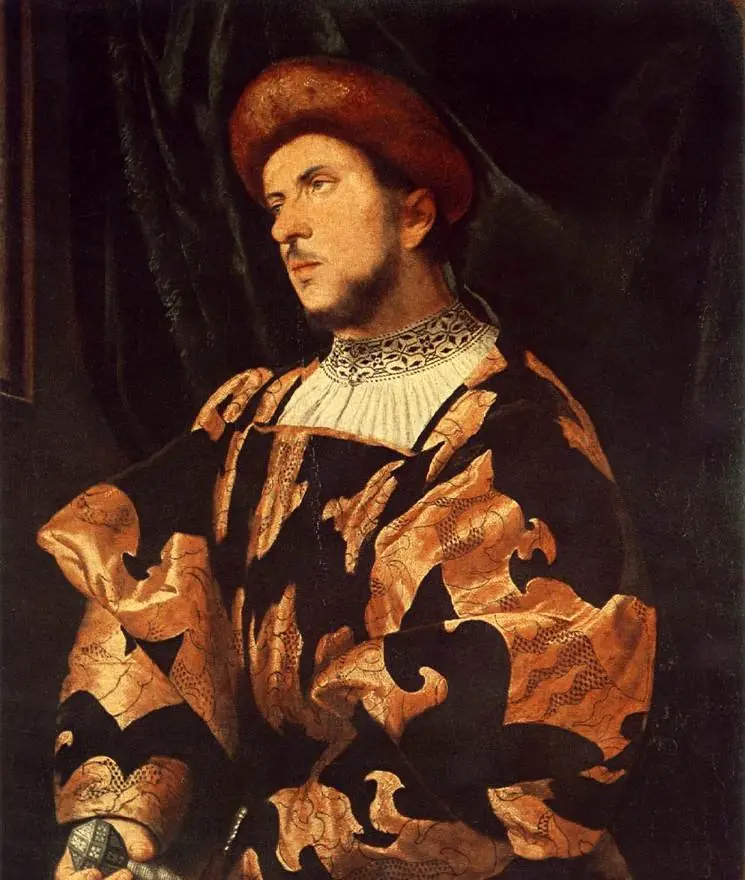
Girolamo Romani, known as Romanino (c. 1485 – c. 1566), was an Italian High Renaissance painter active in the Veneto and Lombardy, near Brescia. His long career brought forth several different styles.

![Two Studies of the Statue of Alexander and Bucephalus [verso], by Hubert Robert](https://artifactworldgallery.com/img/hubert-robert--two-studies-of-the-statue-of-alexander-and-bucephalus-verso--c8baec3f622cceea-w320.webp) Two Studies of the Statue of Alexander and Bucephalus [verso]
Two Studies of the Statue of Alexander and Bucephalus [verso]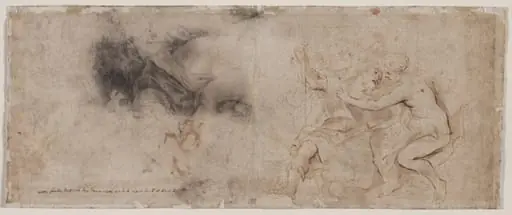 Venus Disarming Mars, Drapery Study (verso)
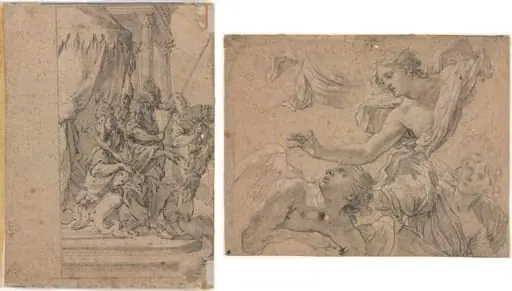 Studies of Angels (recto); Panthea before Cyrus? (verso)
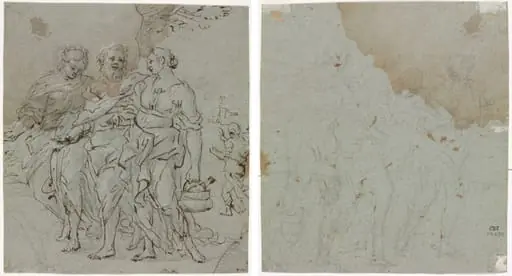 Lot and His Daughters (recto); Sketch for Lot and His Daughters (verso)
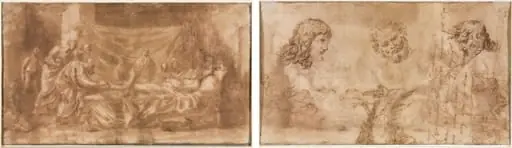 Extreme Unction (recto); Three Heads and Other Sketches (verso)
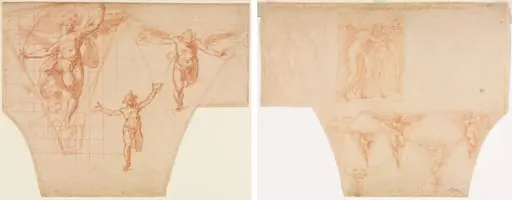 Three Studies of Angels for a Pendentive (recto); Studies for Christ Meeting His Mother on the Road to Calvary, Studies of an Angel in a Pendentive (verso)
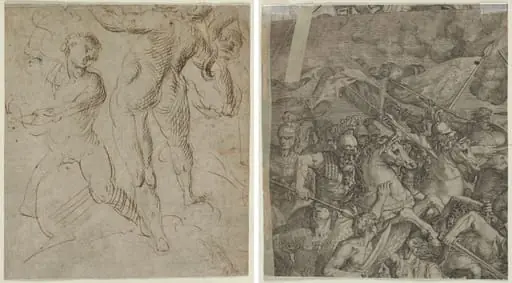 Laocoön (recto); Battle of the Milvian Bridge (fragment) (verso)
 Profile of a Woman's Head (recto) A Kitchen Maid (verso)