Artwork
Etude de nu (Study of a Nude)
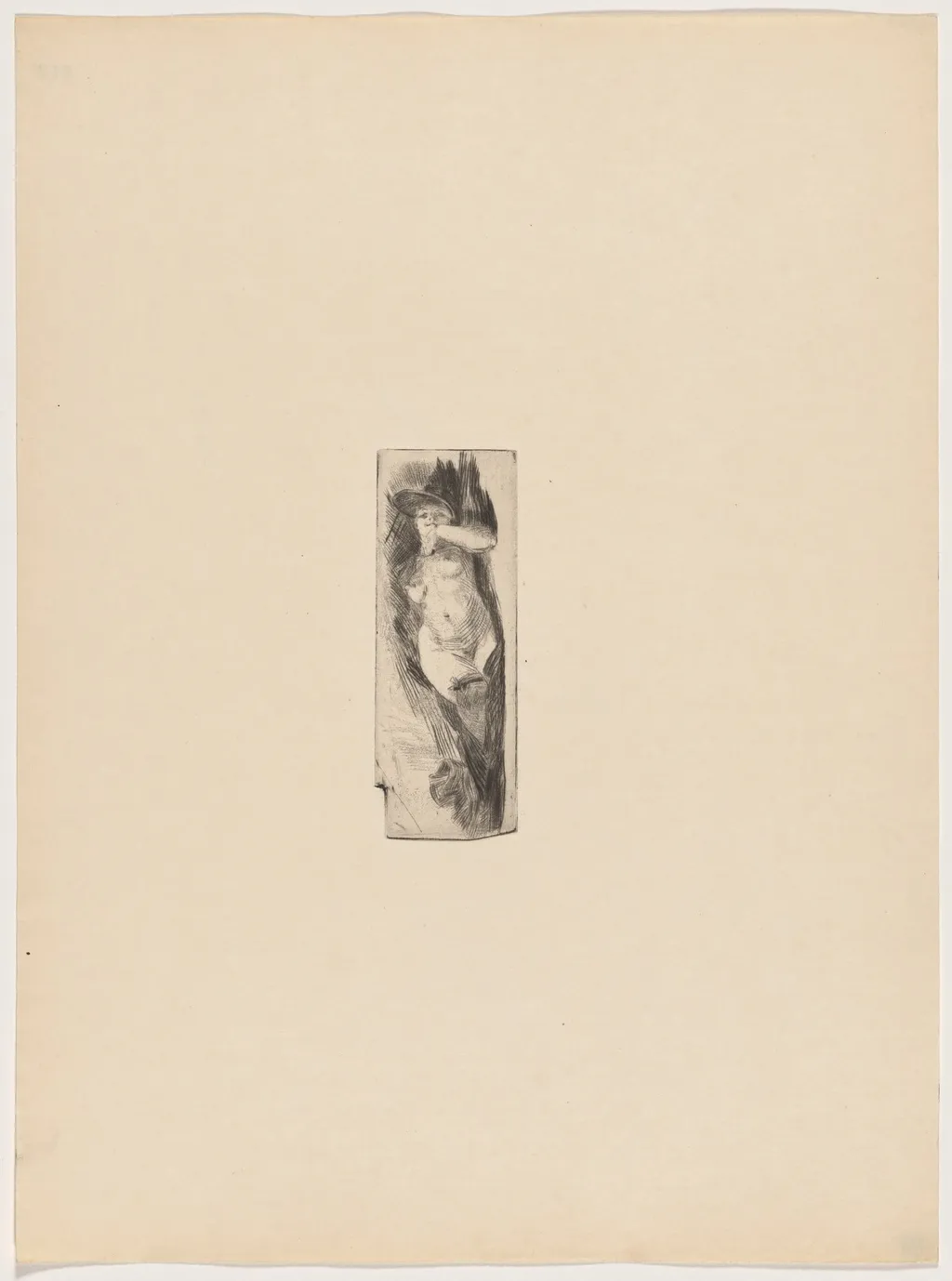
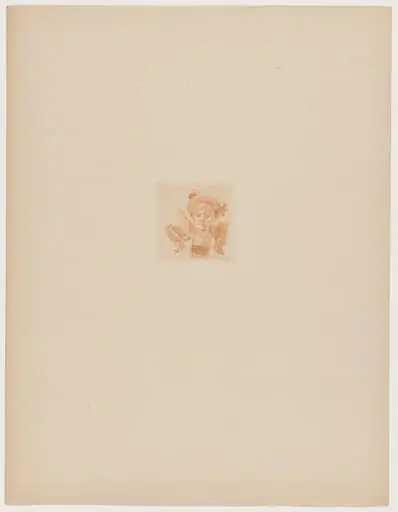
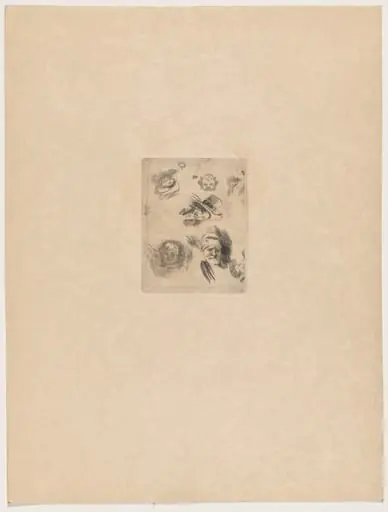
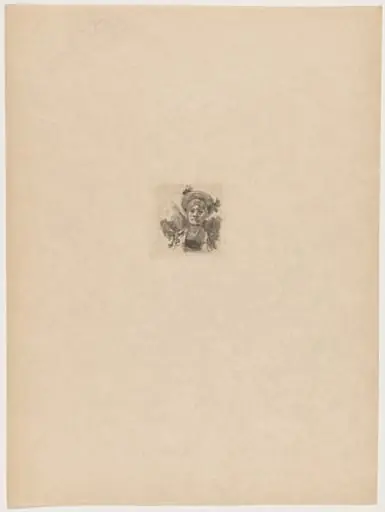
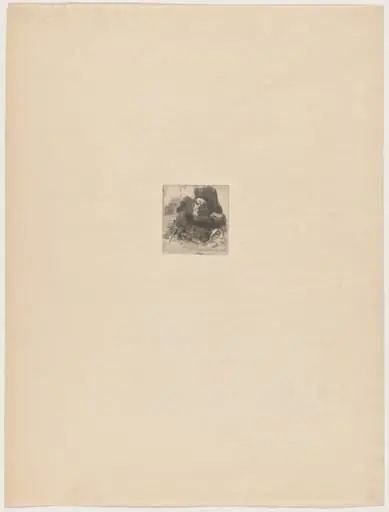
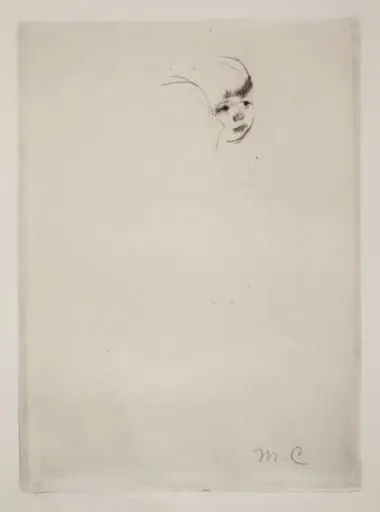
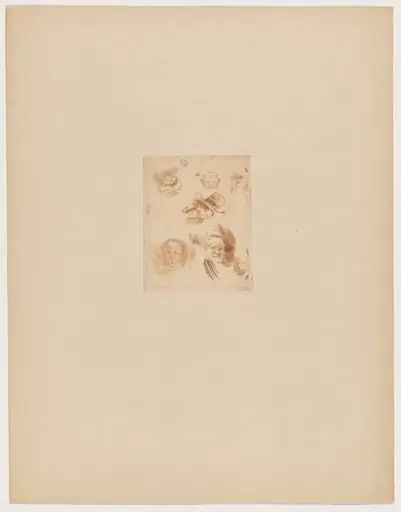
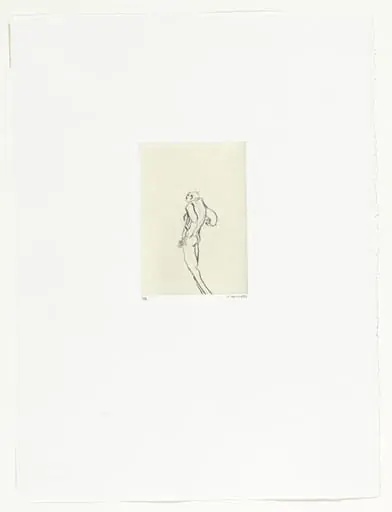
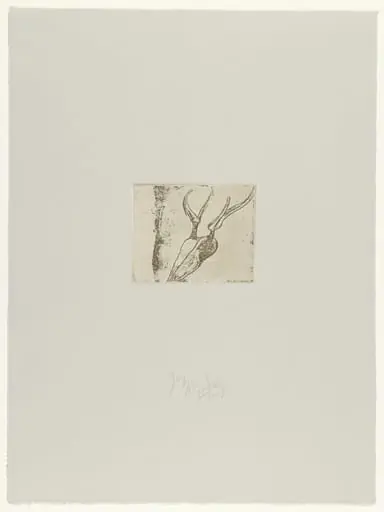
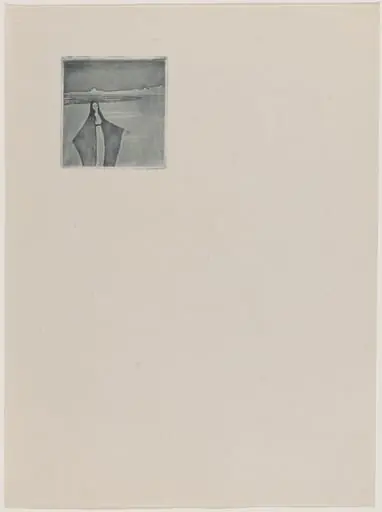
Etude de nu (Study of a Nude) is an ink print by the Impressionist artist Félicien Rops. It dates from 1895 and is held in the collection of the National Gallery of Art.
About this work
Overview
The work belongs to a series of intimate figure studies that reflect Rops’s deep engagement with printmaking as a medium for expressive exploration.
Created in 1895, *Etude de nu* is a print by Belgian artist Félicien Rops, executed in softground etching and drypoint on heavy Japan paper. The work belongs to a series of intimate figure studies that reflect Rops’s deep engagement with printmaking as a medium for expressive exploration. Though less known to the general public, he was respected among avant-garde circles for his technical innovation and unflinching subject matter.
Subject & Meaning
The figure is a nude woman in a naturalistic, unidealized pose—arm raised, torso turned to the right, head tilted left. Her posture suggests quiet introspection rather than theatrical display. Rops avoids classical idealism, focusing instead on the physical presence and psychological stillness of the body. The work aligns with his broader interest in the human form as a vessel for subtle emotion, not narrative or allegory.
Technique & Style
Rops employed softground etching to capture the softness of skin and the fluidity of contour, while drypoint added rich, velvety lines that deepen the tonal range. The heavy Japan paper enhances the delicacy of the ink, allowing fine details to emerge without overpowering the composition. Bold, gestural strokes convey movement and weight, yet the overall effect remains restrained, emphasizing economy of line and atmospheric balance.
History & Provenance
The print was made during Rops’s mature period, when he was deeply immersed in printmaking experiments in Paris. It was likely produced for private circulation among collectors and fellow artists rather than public exhibition. No major institutional acquisition record exists from the time, suggesting its status as a personal or studio study, consistent with Rops’s preference for intimate, non-commercial work.
Context
In the 1890s, Rops operated at the intersection of Symbolist aesthetics and Decadent literature, often illustrating texts by Baudelaire and Zola. While his erotic imagery drew controversy, this study avoids overt sensuality, instead reflecting a broader fin-de-siècle turn toward psychological realism in the depiction of the body. His approach diverged from academic nudes, favoring immediacy over idealization.
Legacy
Rops’s *Etude de nu* exemplifies his influence on modern printmaking, particularly in the use of intaglio techniques to convey emotional nuance. Though not widely exhibited in his lifetime, such works later informed 20th-century artists exploring the expressive potential of line and texture in figural studies. His quiet, unadorned approach to the nude remains a quiet counterpoint to more sensationalist contemporaries.
Artist & collection
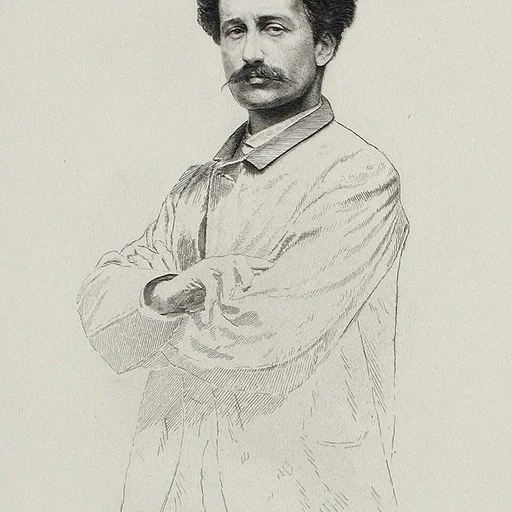
Artist
Félicien Victor Joseph Rops (French: ; 7 July 1833 – 23 August 1898) was a Belgian artist associated with Symbolism, Decadence, and the Parisian fin de siècle, and was a member of the Les XX group.