Artwork
The Rescue of the Infant Oedipus
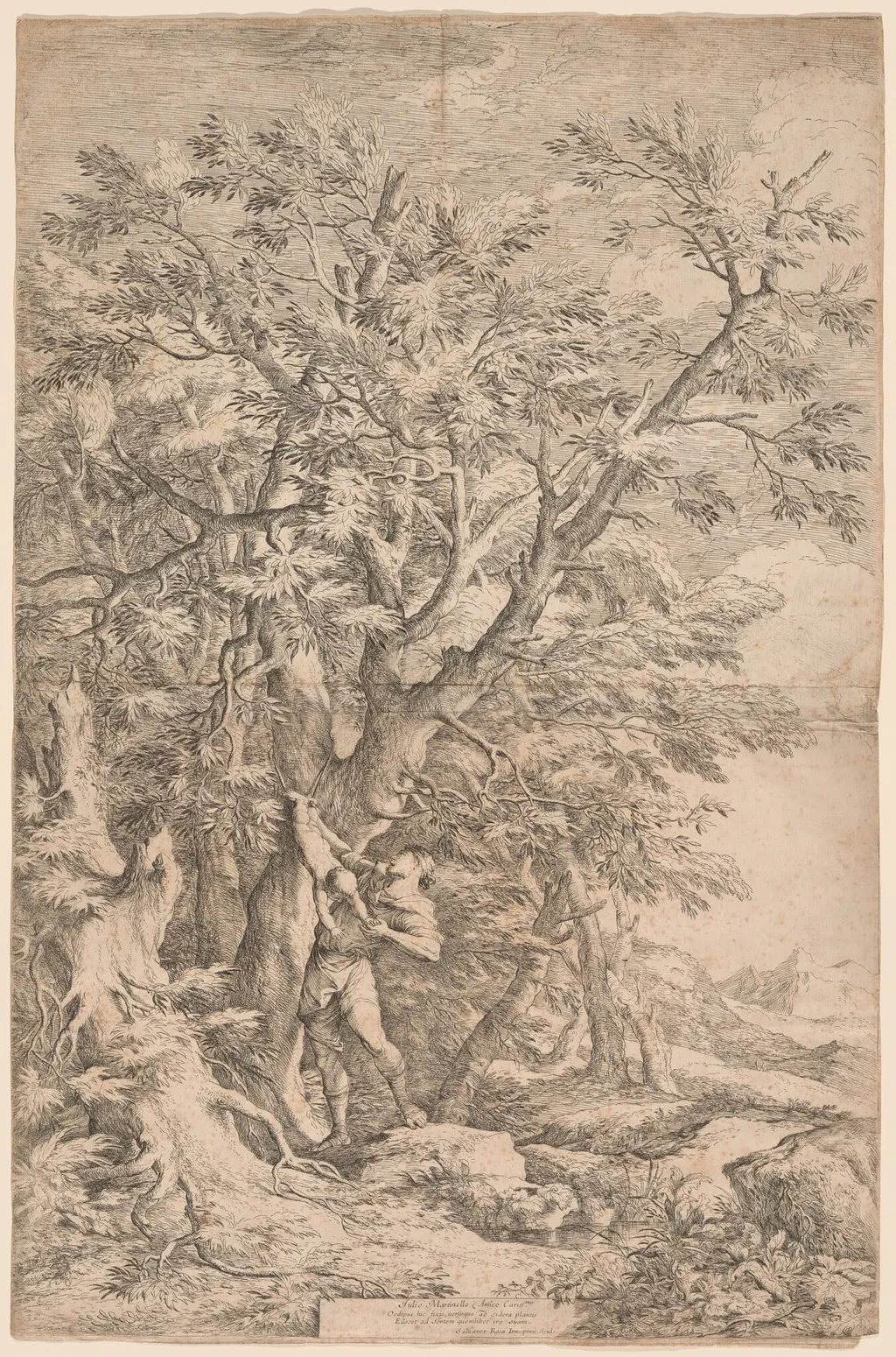
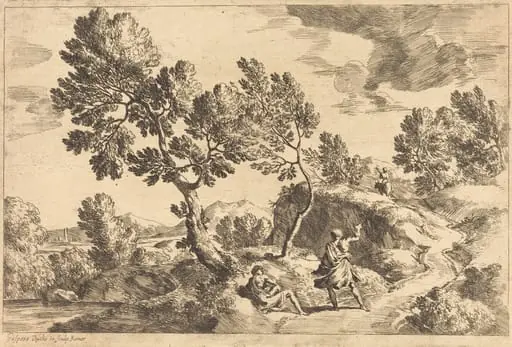
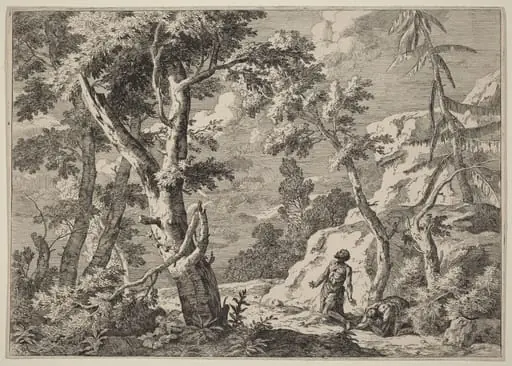
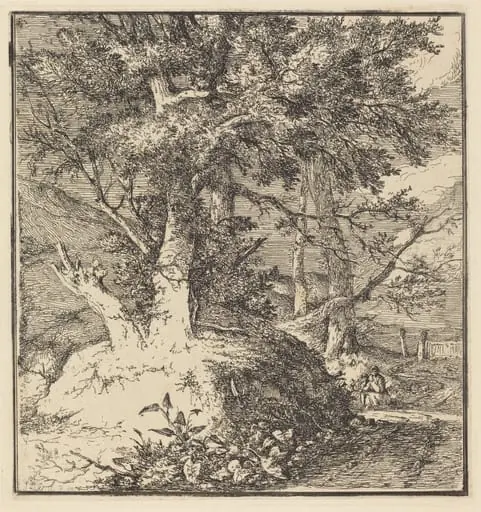
The Rescue of the Infant Oedipus is an ink print by the Baroque artist Salvator Rosa. It dates from 1663 and is held in the collection of the National Gallery of Art.
About this work
Overview
The Rescue of the Infant Oedipus is a 1663 etching with drypoint on laid paper by Italian Baroque artist Salvator Rosa, combining his penchant for dramatic narrative with untamed natural environments.
Subject & Meaning
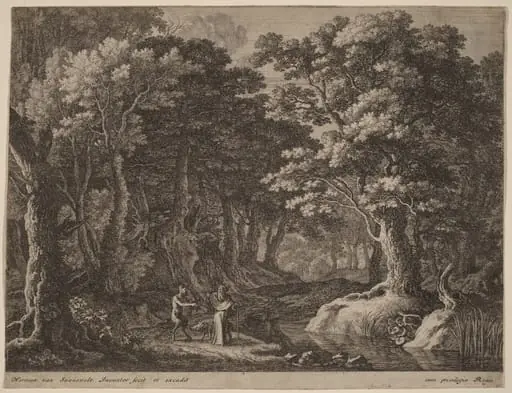
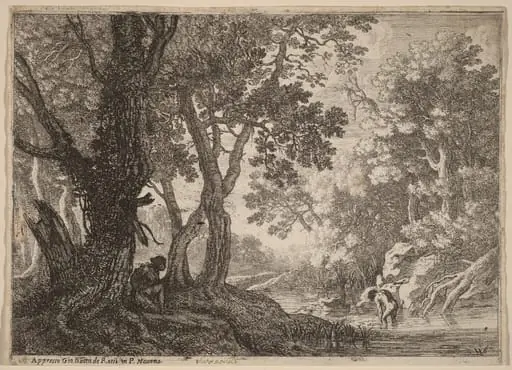
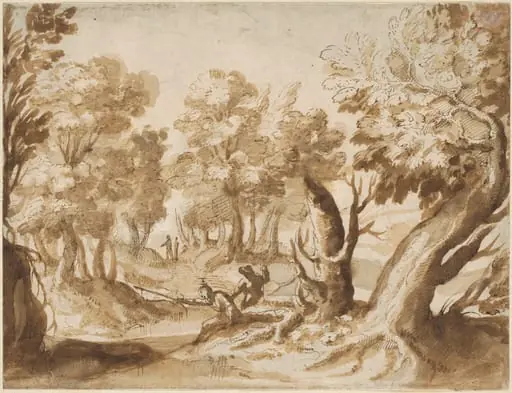
The print depicts a scene from Oedipus' mythological infancy, with small figures amidst a dominant, twisted tree. The composition reflects Rosa's thematic interest in juxtaposing human narrative within rugged, natural settings.
Technique & Style
Rosa employed fine etching lines and drypoint to achieve textured, lifelike renderings of the tree's branches and roots. The contrast between dark lines and light paper enhances the detailed, sharp appearance of the work.
History & Provenance
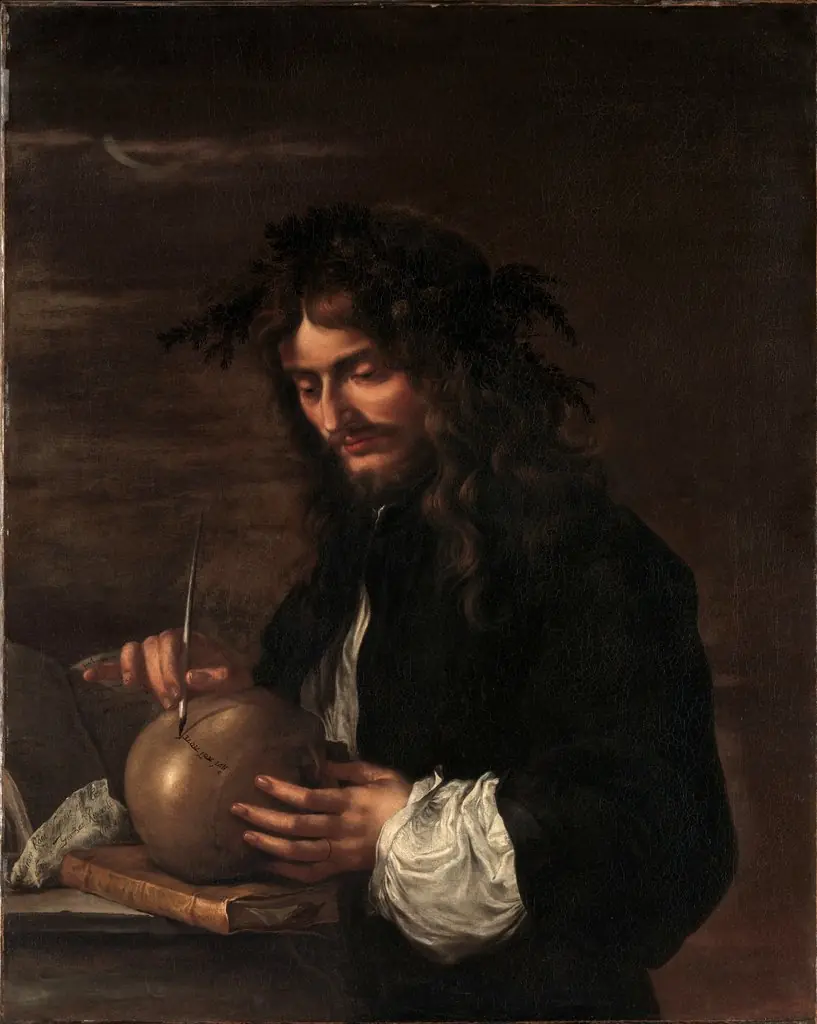
Created in 1663, the print showcases Rosa's multi-faceted career as a painter, printmaker, poet, and satirist, active in major Italian cities. His outspokenness often led to controversy.
Context
This etching aligns with the Baroque emphasis on dramatic tension and detailed naturalism. Rosa's use of etching and drypoint was part of a broader artistic experimentation with print techniques during this period.
Legacy
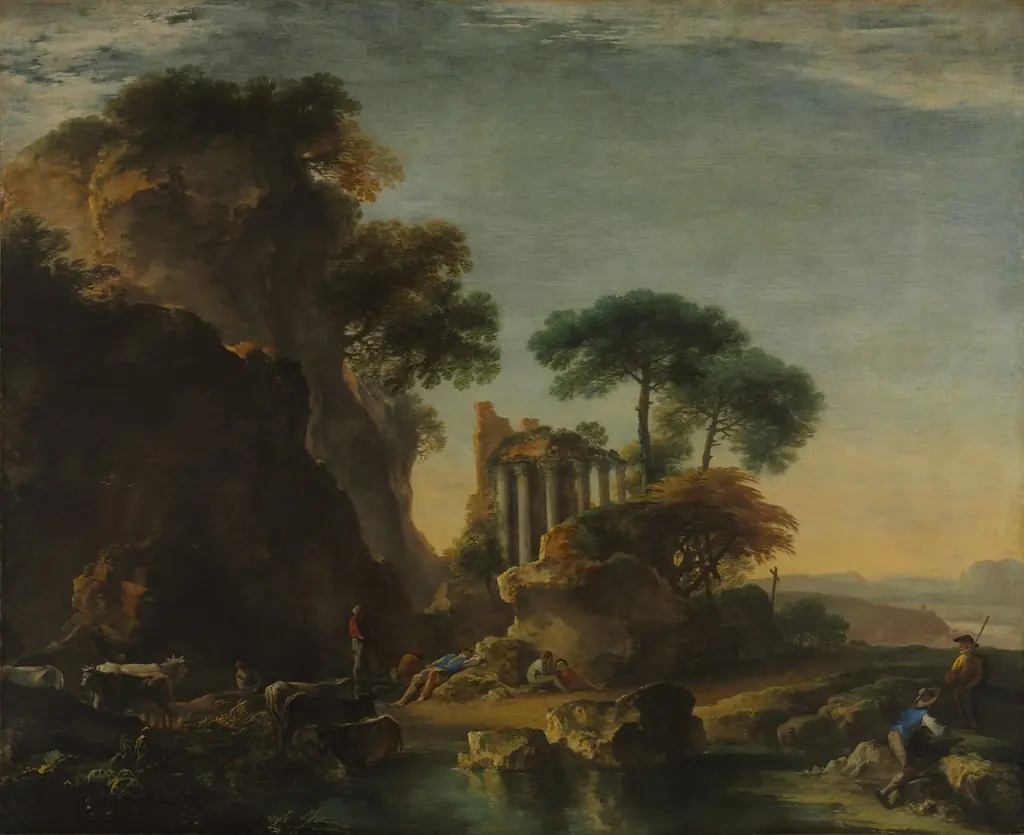
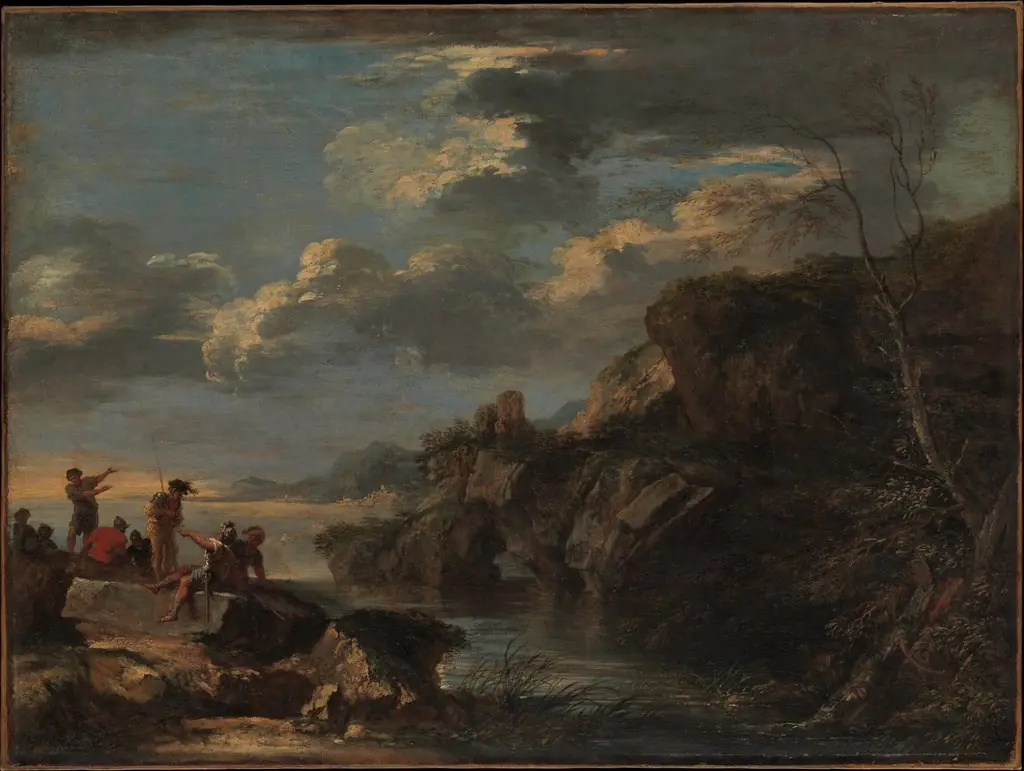
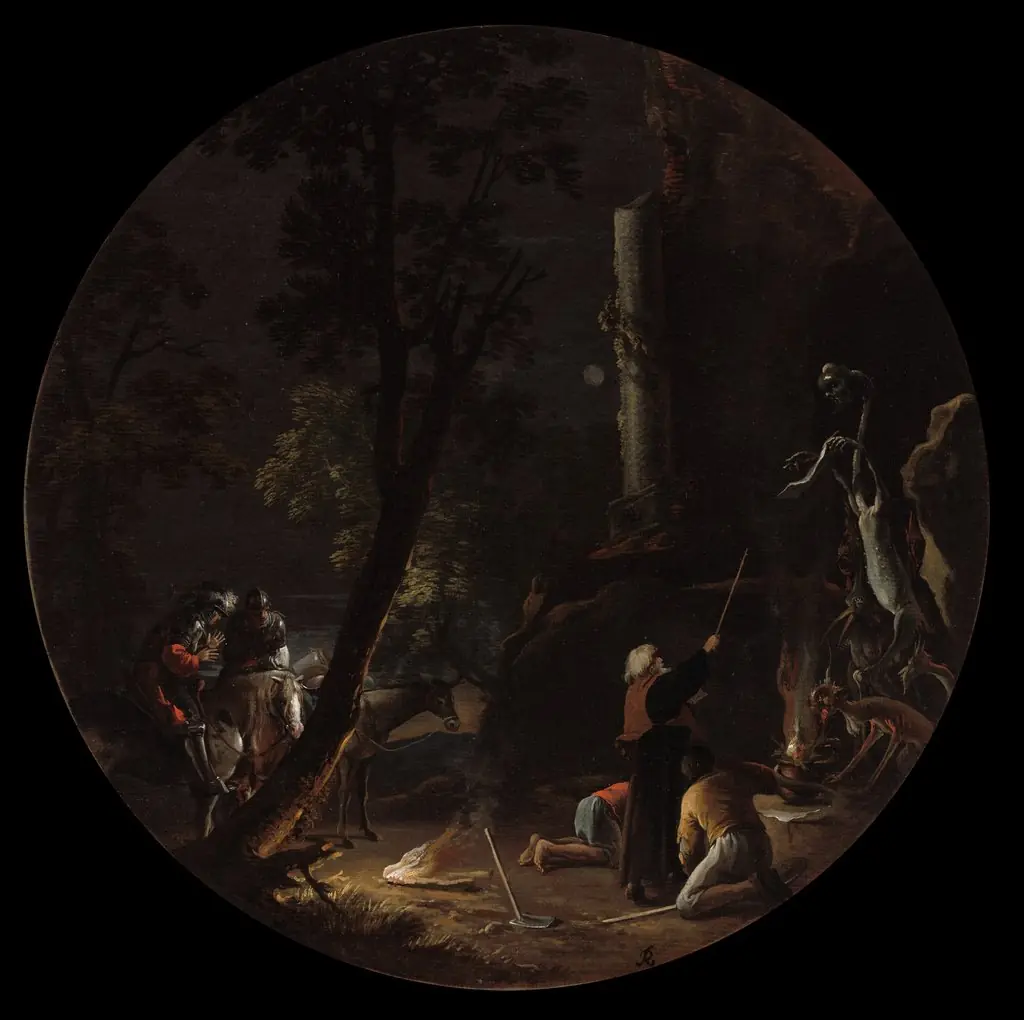
While specific legacy details of *The Rescue of the Infant Oedipus* are not provided, it contributes to Rosa's recognized influence on Baroque printmaking and his unique blend of narrative depth within dramatic landscapes.
Artist & collection
Artist
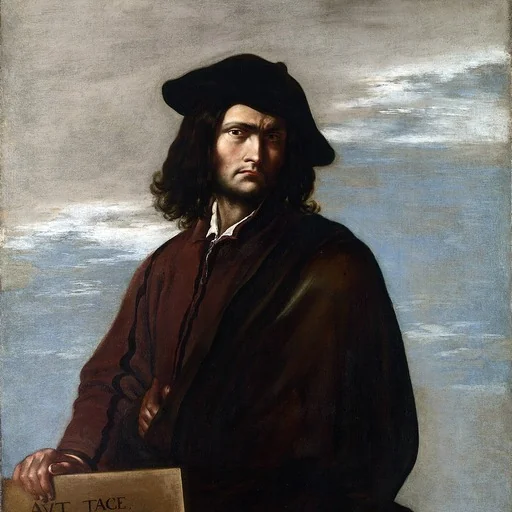
Salvator Rosa (1615 – 15 March 1673) is best known today as an Italian Baroque painter, whose romanticised landscapes and history paintings, often set in dark and untamed nature, exerted considerable influence from the 17th century into…