Artwork
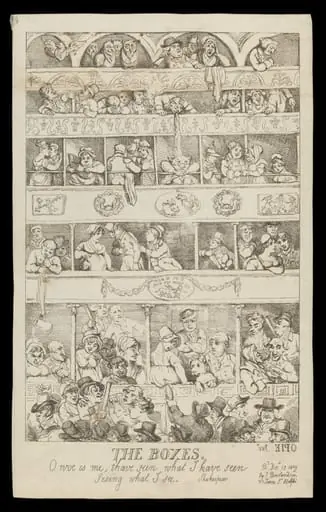
The Boxes
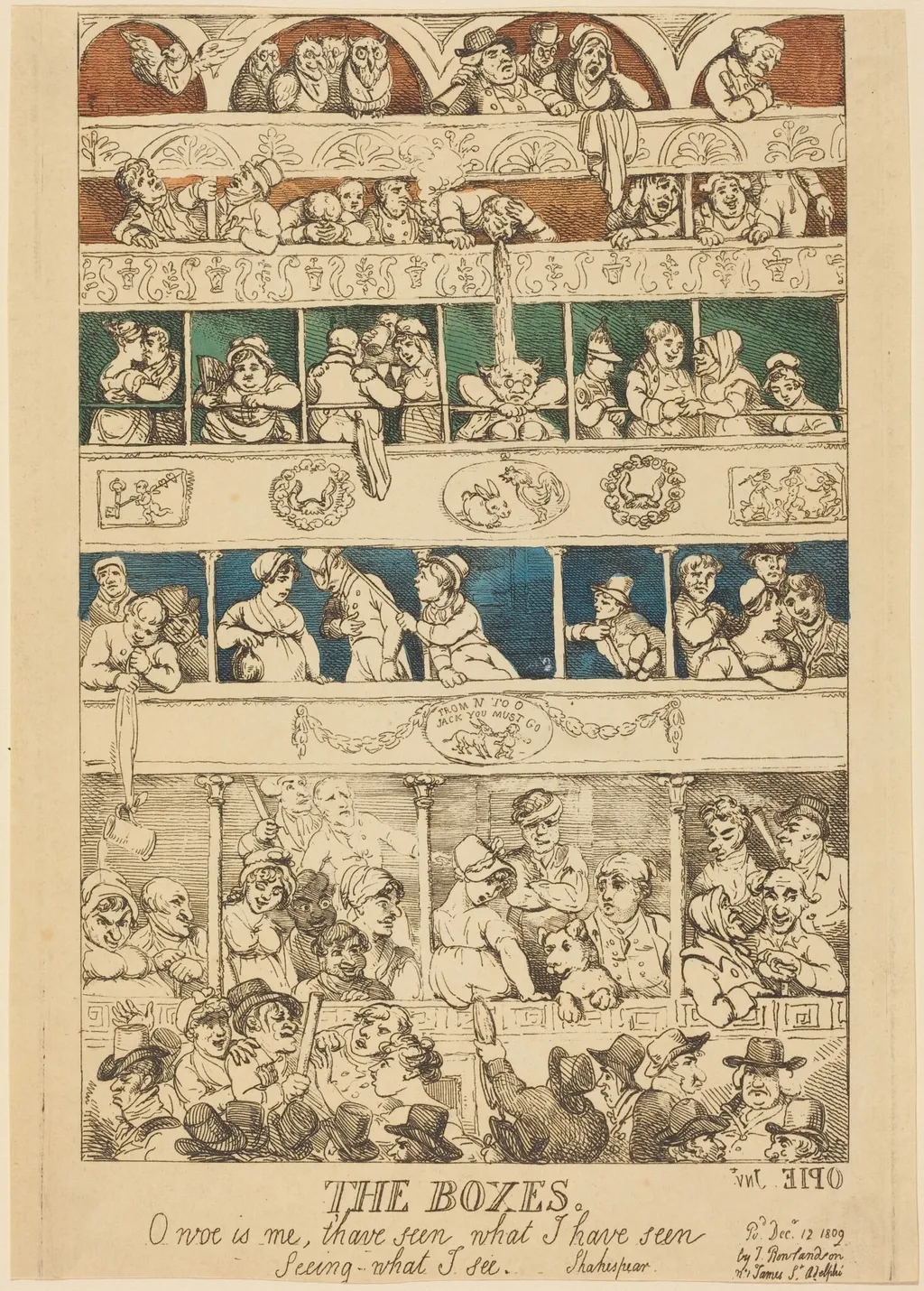
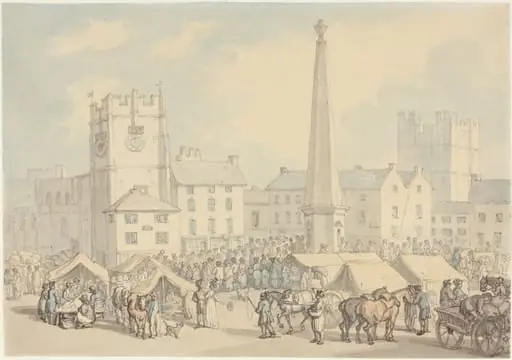
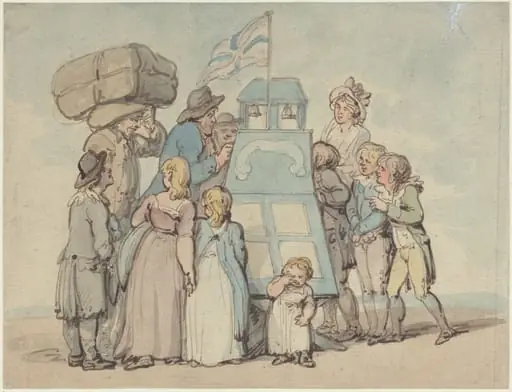
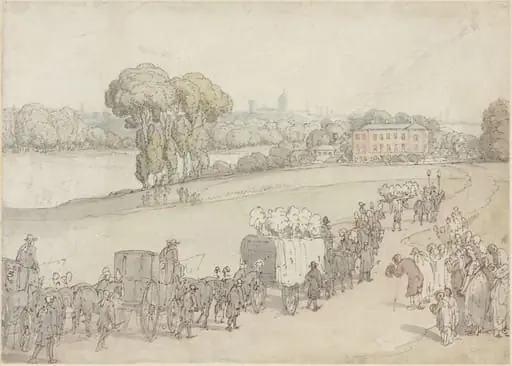
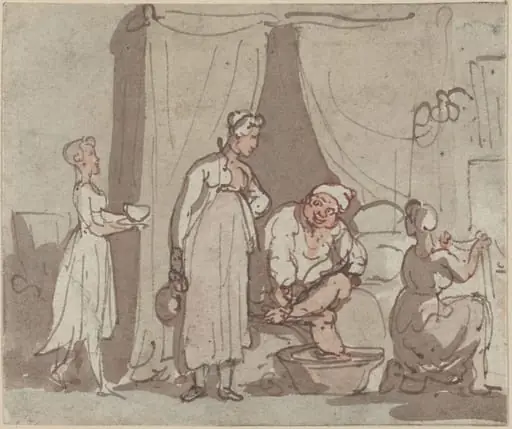
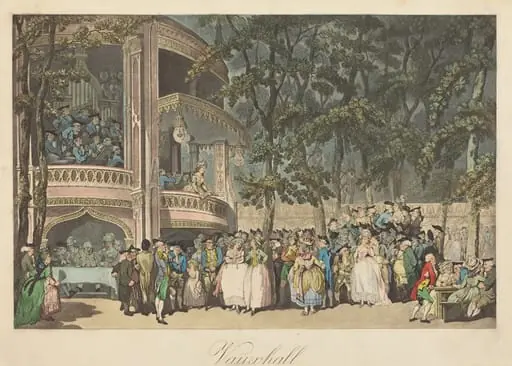
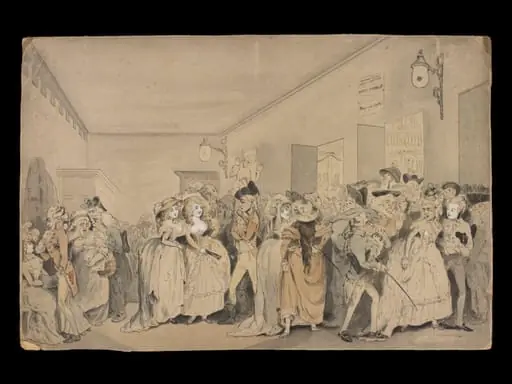
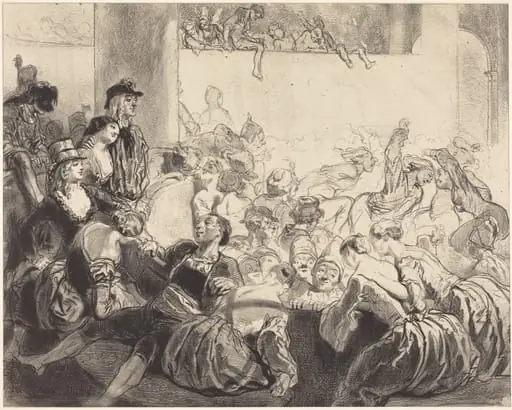
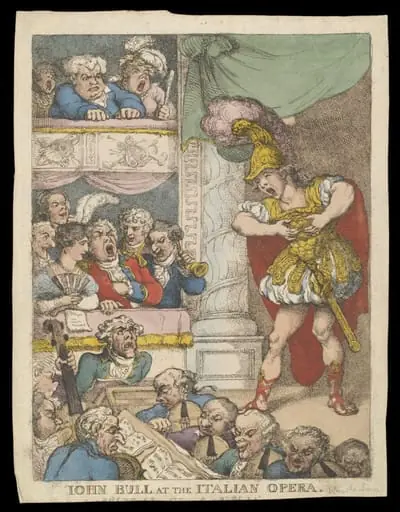
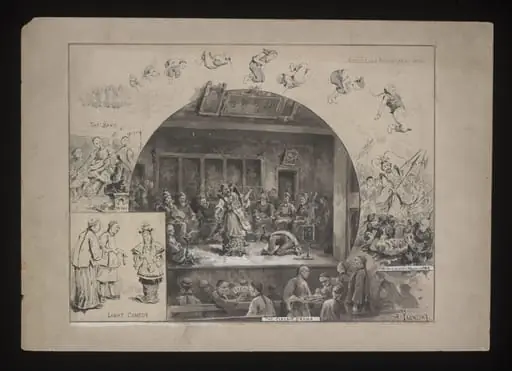
The Boxes is an ink print by the Romanticist artist Thomas Rowlandson. It dates from 1809 and is held in the collection of the National Gallery of Art.
About this work
Overview
Each compartment contains a distinct activity—musicians, dancers, conversational groups—rendered in bold, flat hues of blue, green and brown.
Thomas Rowlandson’s 1809 hand‑coloured etching entitled *The Boxes* presents a crowded tableau of miniature vignettes arranged in a grid. Each compartment contains a distinct activity—musicians, dancers, conversational groups—rendered in bold, flat hues of blue, green and brown. The work is signed by the artist and bears a Shakespearean quotation beneath the title, underscoring its satirical intent.
Subject & Meaning
The print functions as a visual catalogue of contemporary pastimes, exaggerating facial features and gestures to amplify the absurdities of social behaviour. By juxtaposing disparate scenes within a single frame, Rowlandson invites viewers to compare and critique the manners of his Georgian audience, employing humour as a vehicle for social commentary.
Technique & Style
Rowlandson employed traditional copper‑plate etching to outline the composition, then applied colour by hand with water‑based pigments, a common practice for affordable yet vivid prints of the period. The stylised caricature, flat colour fields, and dense narrative detail reflect the artist’s blend of satirical illustration and popular print aesthetics.
History & Provenance
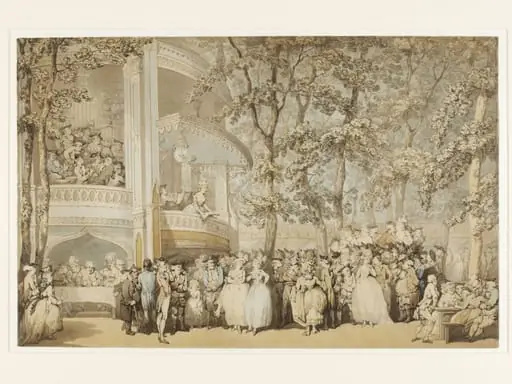
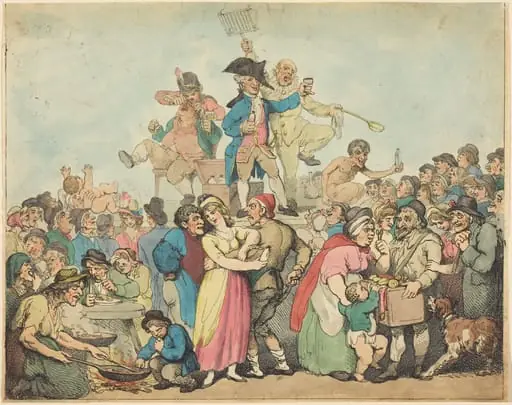
Created during the height of Georgian satire, the etching aligns with the output of contemporaries such as James Gillray, whose work also targeted public figures and customs. *The Boxes* survived as part of Rowlandson’s extensive series of social caricatures, circulating widely in the early nineteenth century and later entering museum collections as an example of period print culture.
Artist & collection
Artist
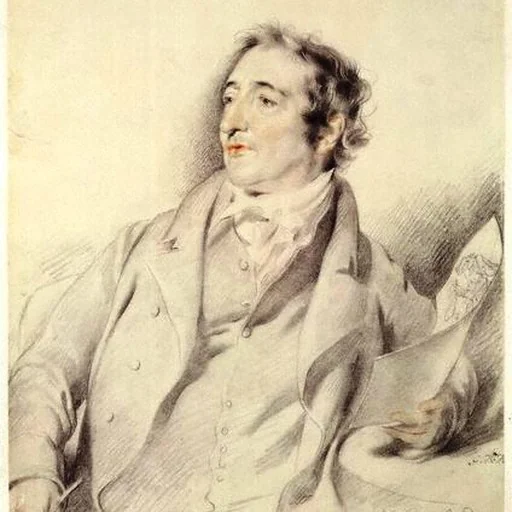
Thomas Rowlandson (; 13 July 1757 – 21 April 1827) was an English artist and caricaturist of the Georgian Era, noted for his political satire and social observation.