Artwork
The Lawyers Last Circuit
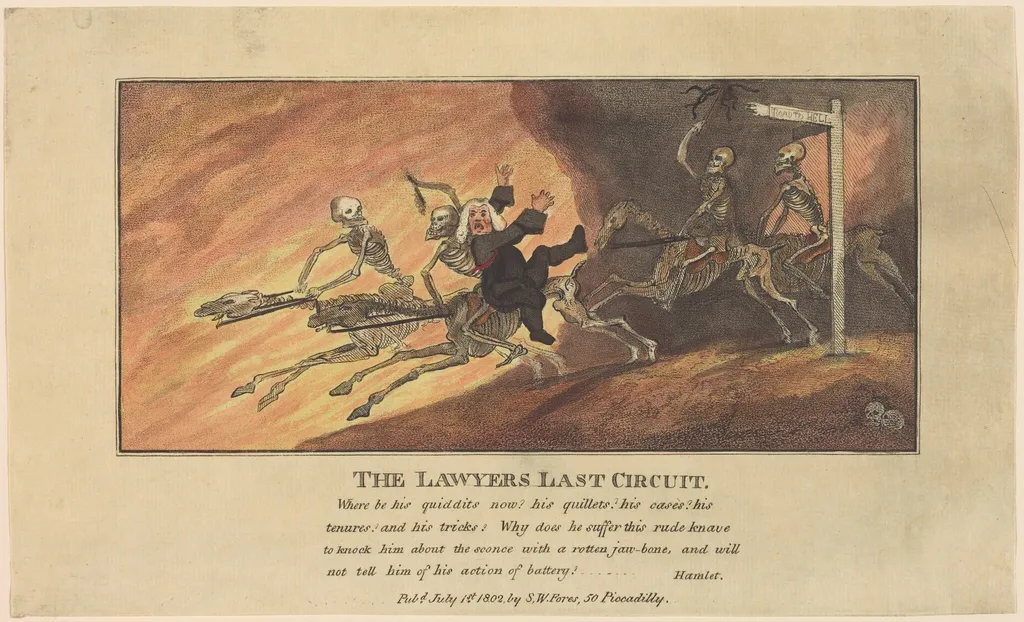
The Lawyers Last Circuit is an ink print by the Romanticist artist Thomas Rowlandson. It dates from 1802 and is held in the collection of the National Gallery of Art.
About this work
Overview
The Lawyer’s Last Circuit is a hand-colored etching and aquatint print created by Thomas Rowlandson in 1802. The work exemplifies Rowlandson’s satirical commentary on Georgian-era society through a darkly humorous scene.
Subject & Meaning
The print depicts a chaotic nocturnal scene with four skeletons, one dressed in antiquated attire falling from a horse, amidst a stormy backdrop with a ‘Road to Hell’ sign. This imagery satirically alludes to the inevitability of death pursuing lawyers, underscored by a quote from Hamlet and playful questions.
Technique & Style
Rowlandson employs hand-colored etching and aquatint techniques to achieve sharp details and a vivid, yet ominous, color palette, characteristic of his bold and irreverent satirical style.
History & Provenance
Part of Rowlandson’s broader oeuvre of political and social caricatures, this print is one of many satirical works and book illustrations showcasing his prowess as a printmaker and observer of human nature.
Context
Created in 1802, the piece reflects Rowlandson’s tendency to target figures of authority and societal norms with humor, contributing to his reputation as a keen commentator on Georgian society.
Legacy
The Lawyer’s Last Circuit contributes to Rowlandson’s legacy as a master satirist, influencing the tradition of using printmaking for social commentary, and remains notable for its blend of dark humor and technical printmaking skill.
Artist & collection
Artist
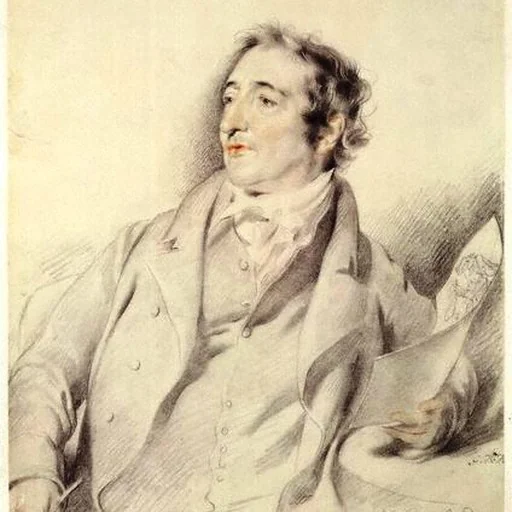
Thomas Rowlandson (; 13 July 1757 – 21 April 1827) was an English artist and caricaturist of the Georgian Era, noted for his political satire and social observation.

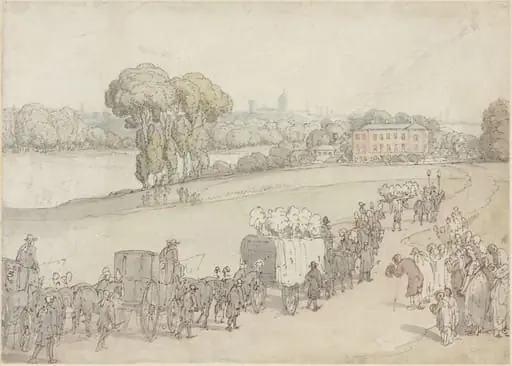
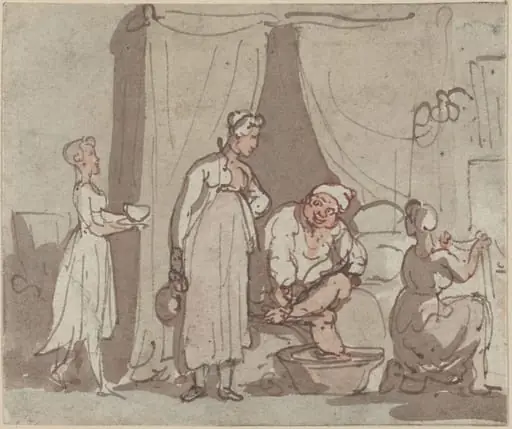
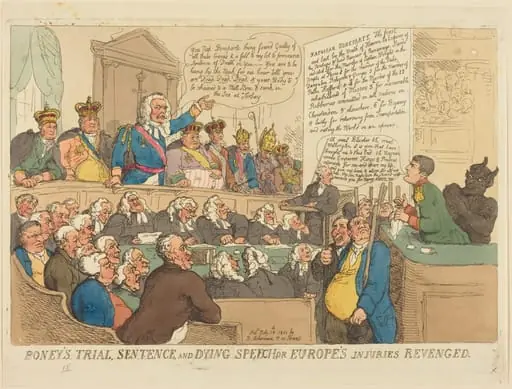 Boney's Trial, Sentence, and Dying Speech
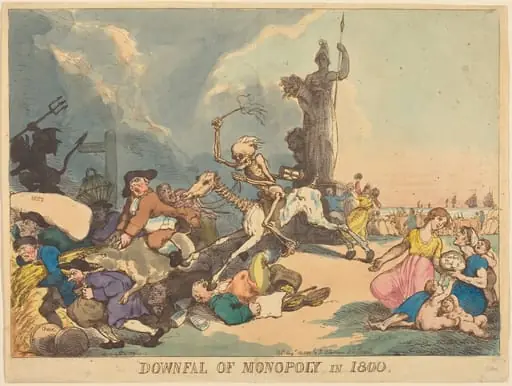 Downfall of Monopoly in 1800
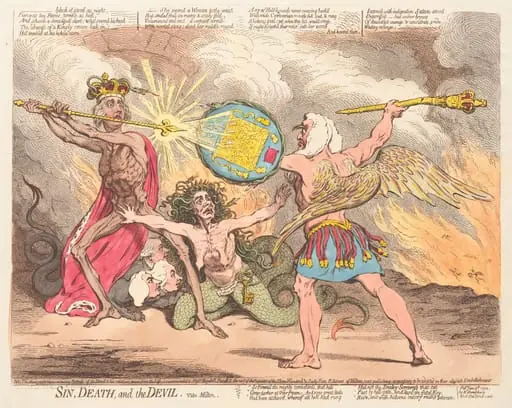 Sin, Death, and the Devil, vide Milton
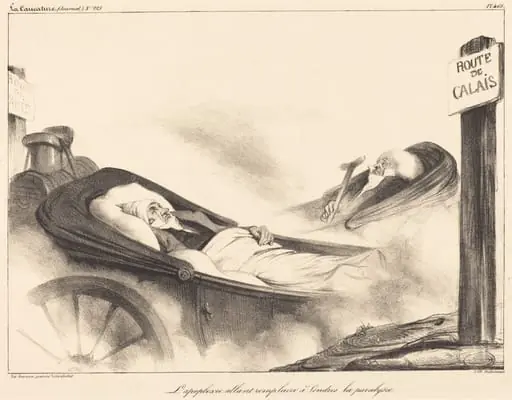 L'Apoplexie allant remplacer a Londres la paralysie
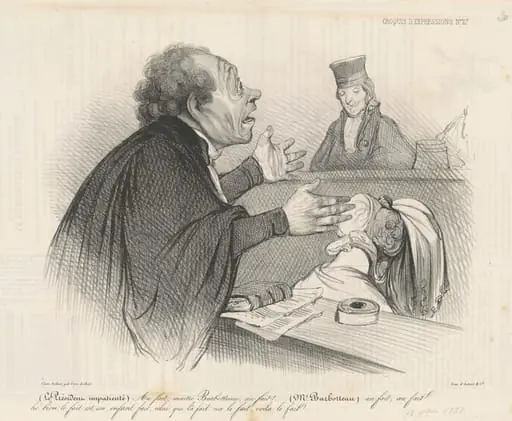 Au fait, maitre Barbotteau...
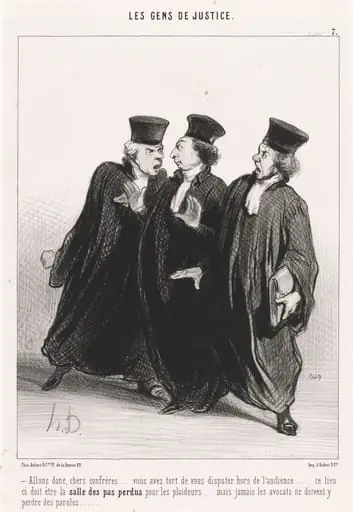 Allons donc, chers confrères...
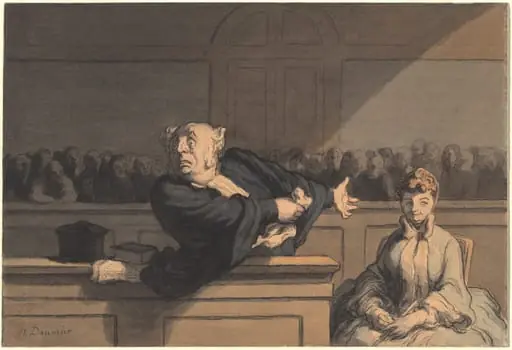 Le Défenseur (Counsel for the Defense)
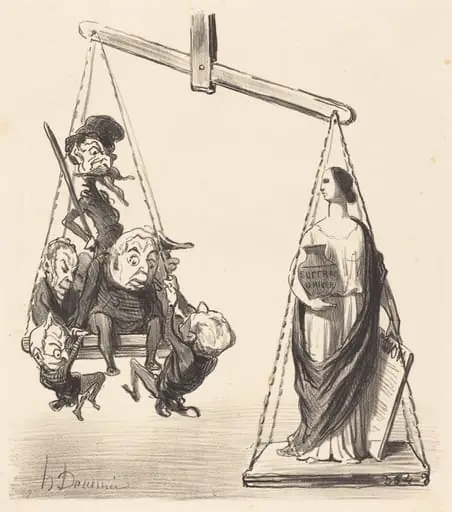 Suffrage universel (Universal Suffrage)
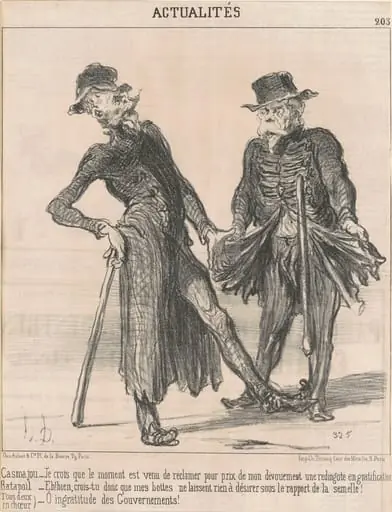 Casmajou -- Ratapoil (tous deux en choeur)
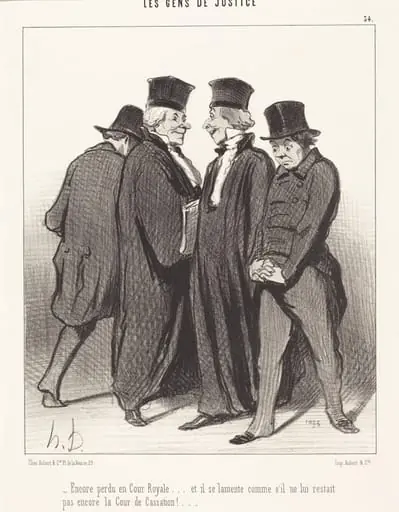 Encore perdu en Cour Royale... et il se lamente...
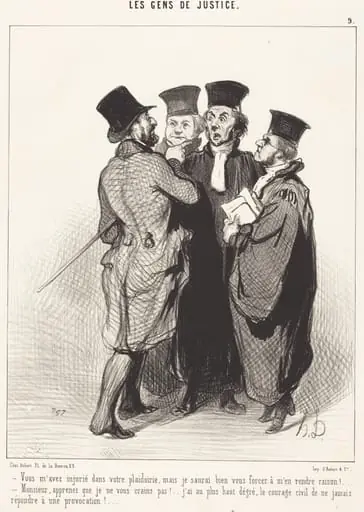 Vous m'avez injurié dans votre plaidoirie...
 H Beard Print Collection