Artwork
Wesleyan Methodist Chapel, Ashopton
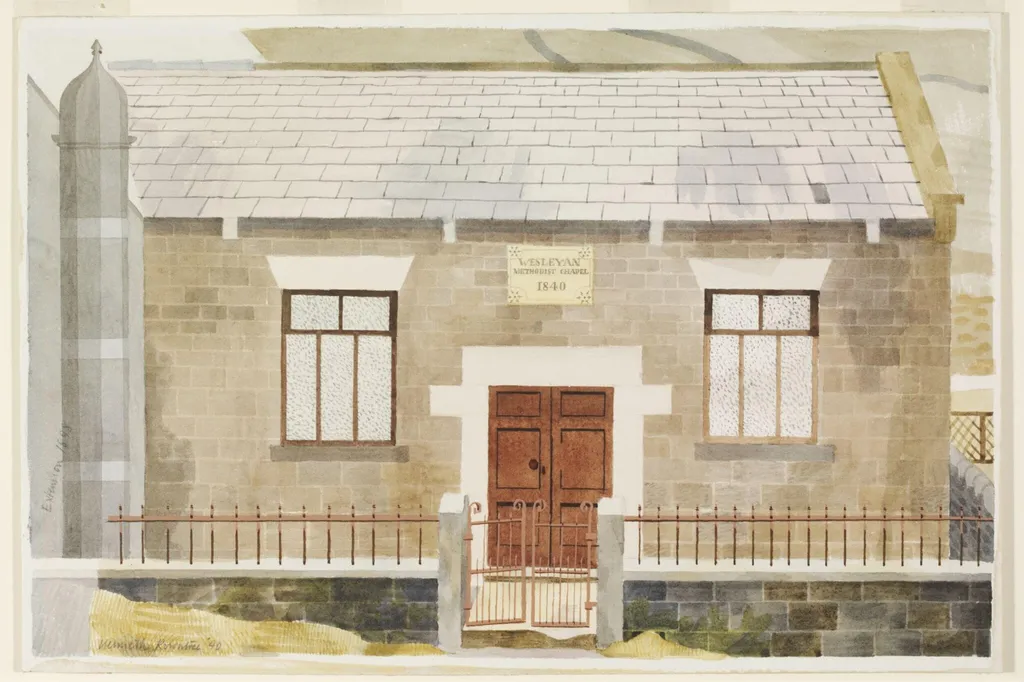
Wesleyan Methodist Chapel, Ashopton is a watercolor work on paper by Rowntree. It dates from 1940 and is held in the collection of the Victoria and Albert Museum. This 1940 watercolour depicts the Wesleyan Methodist Chapel in Ashopton, a modest brick structure built in 1840.
About this work
If you like this style, check out the Victoria and Albert Museum for more watercolor works.
This watercolor shows a simple brick building with a sloped roof. Two small windows with glass panes sit above a wooden door, both framed in stone. A low fence runs along the front, and the wall is made of rough, light-brown bricks. The sign above the door reads *"Wesleyan Methodist Chapel 1840"* in simple lettering.
The artist focused on clean lines and muted colors, giving the chapel a quiet, solid look. The date on the sign suggests this building was already old when it was painted.
If you like this style, check out the Victoria and Albert Museum for more watercolor works.
Overview
This 1940 watercolour depicts the Wesleyan Methodist Chapel in Ashopton, a modest brick structure built in 1840. Created as part of the Recording Britain initiative, the work captures a rural place of worship during wartime, when efforts were made to visually archive Britain’s architectural heritage before it could be lost to conflict or neglect. The artist’s restrained palette and precise lines emphasize the building’s quiet endurance.
Subject & Meaning
The chapel represents the tradition of dissenting Protestant congregations, whose simple architecture reflected theological values of humility and functionality. Its unadorned form, with a single entrance and paired windows, aligns with 19th-century nonconformist meeting houses. The visible date on the sign underscores its age, suggesting a community’s long-standing presence in the landscape, now being recorded as the nation faced upheaval.
Technique & Style
Executed in watercolour, the painting uses soft washes and minimal detail to convey texture and form. The brickwork is rendered in muted browns, with subtle variations suggesting roughness without overt realism. Stone trim and wooden door are defined with crisp edges, while the fence and surrounding ground are suggested rather than fully rendered. The composition avoids drama, favoring calm observation.
History & Provenance
The painting was produced in 1940 under the Recording Britain scheme, a government-supported project that commissioned artists to document at-risk buildings and landscapes. It entered the Victoria and Albert Museum’s collection as part of this initiative, which preserved over 1,500 works. Ashopton’s chapel was later demolished in the 1940s during reservoir construction, making this image one of the few surviving visual records.
Context
During the Second World War, the Recording Britain project responded to fears of cultural loss from bombing and urban change. Artists were sent across the country to record vernacular architecture, often in rural or declining communities. This chapel, though unremarkable in scale, was deemed worthy of documentation as a symbol of local identity and religious history in an era of national uncertainty.
Legacy
The painting endures as a quiet testament to a vanished structure and the broader effort to safeguard Britain’s architectural memory. It contributes to a collective archive that values ordinary places, not just grand monuments. Today, it remains accessible through museum collections, offering insight into how wartime Britain chose to remember its everyday heritage.
Artist & collection

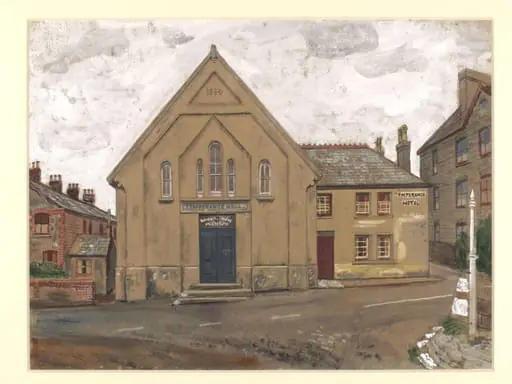 The Temperance Hall, Roche
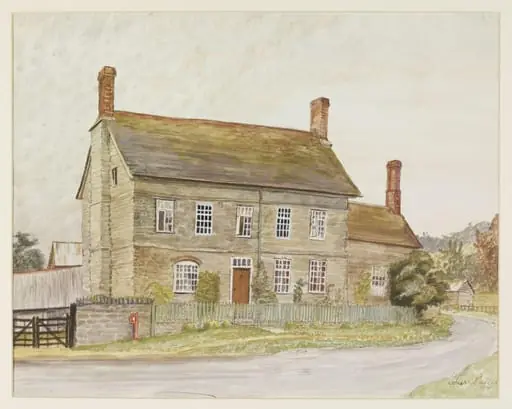 Hall Farm, Leinthall Earls
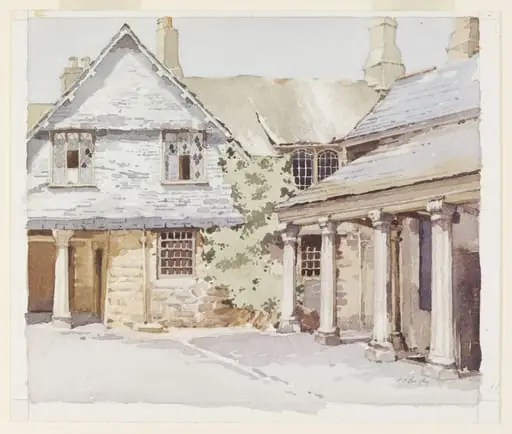 The Guildhall, Totnes
 House and Factory at Burleigh near Brimscombe
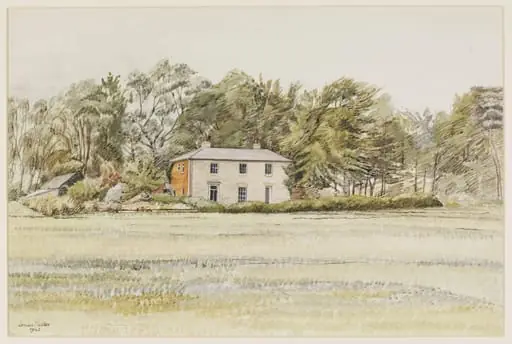 The Firs (Farmhouse) near Sudbourne
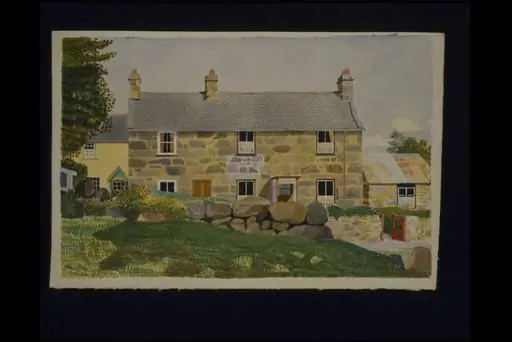 Swan Cottages, Ro-Wen, Conway Valley, Caernarvonshire
![Marlborough House [garden front], Falmouth, by Cheek](https://artifactworldgallery.com/img/cheek--marlborough-house-garden-front-falmouth--3a2b89526c7641e3-w320.webp) Marlborough House [garden front], Falmouth
Marlborough House [garden front], Falmouth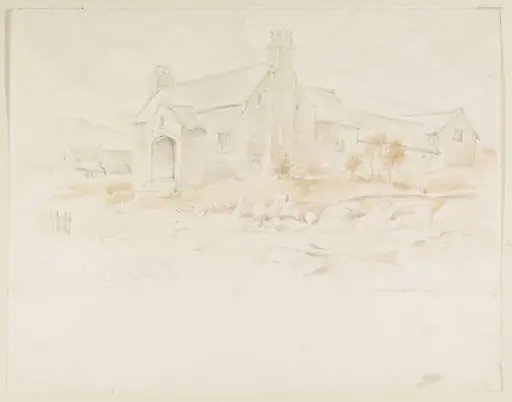 Farm above Selattyn, Denbighshire
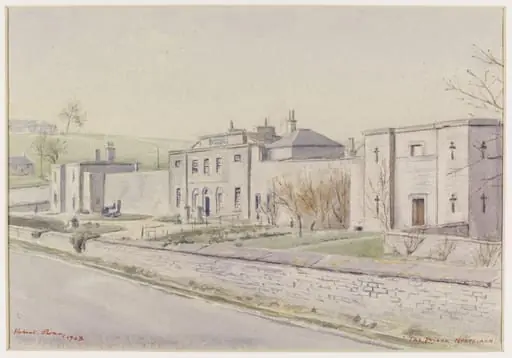 The Old Prison, Northleach
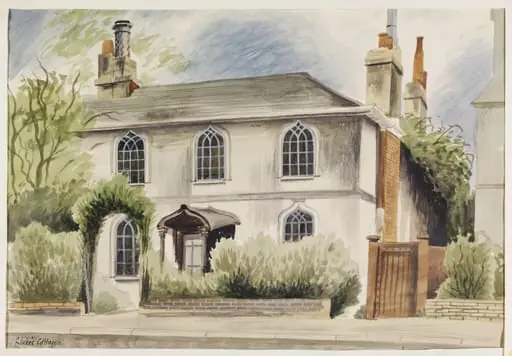 Blake's Cottages, Park Lane, Croydon