Artwork
Ritmuri spaniole
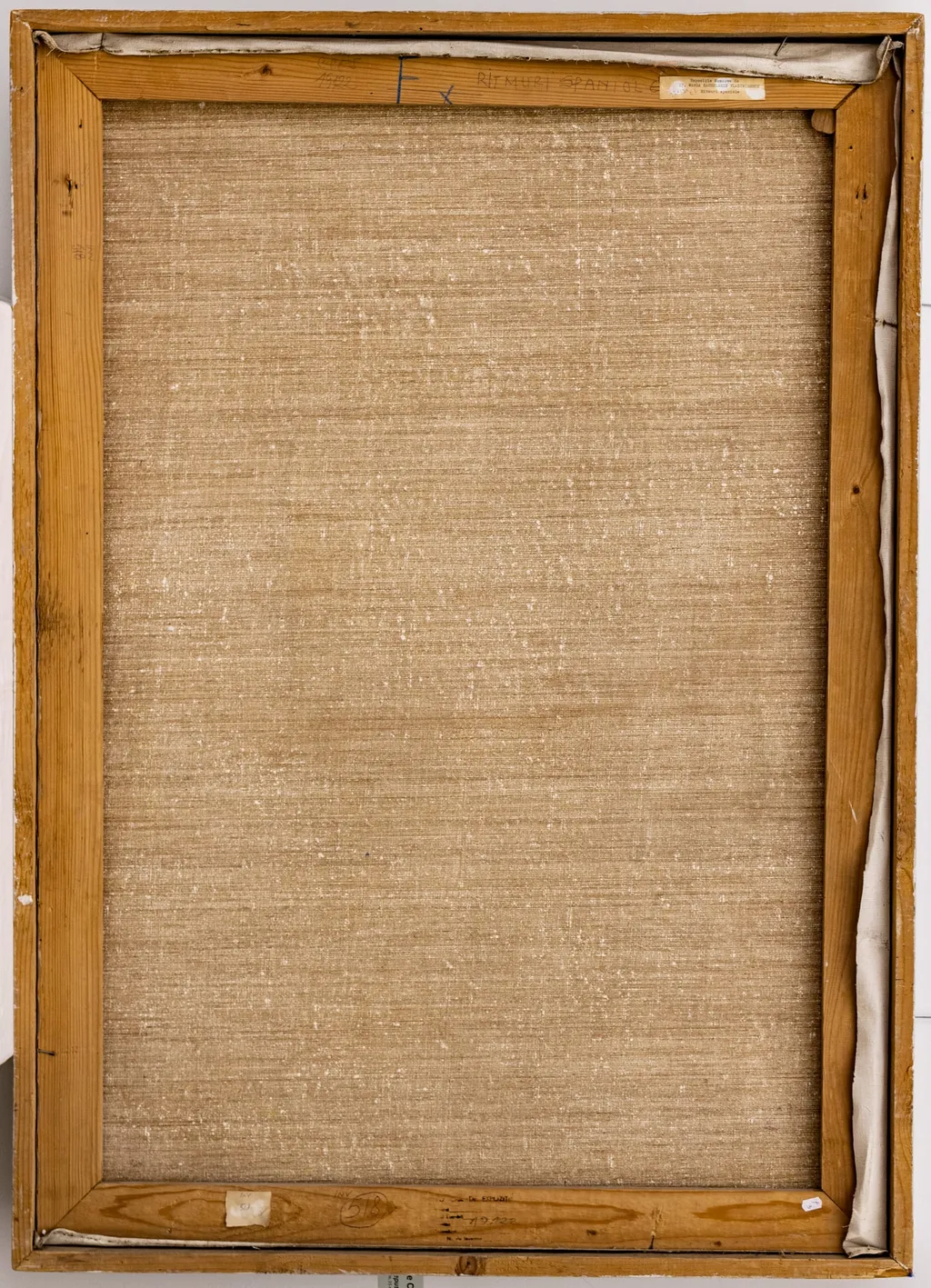
Ritmuri spaniole is a print by Sachelarie Vladimirescu Wanda. It is held in the collection of the Gavrila Simion Eco-Museum Research Institute Tulcea.
About this work
Overview
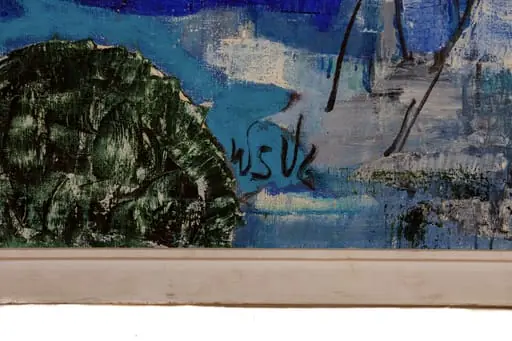
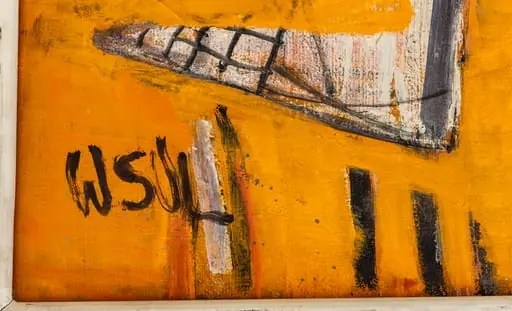
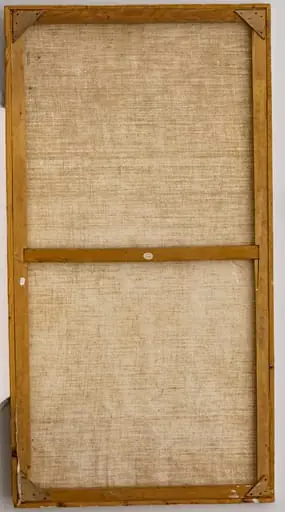
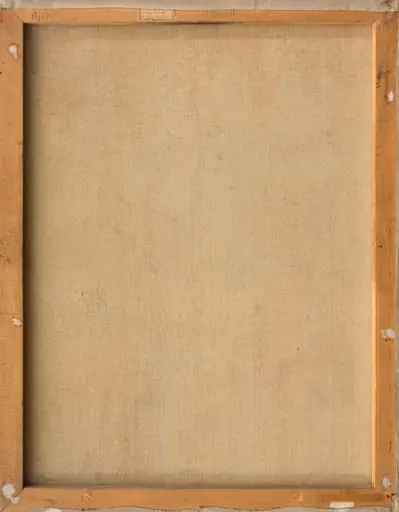
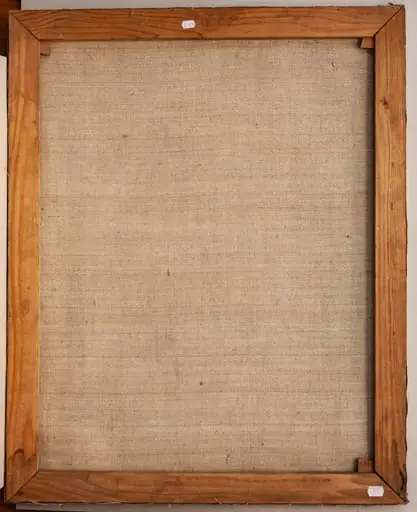
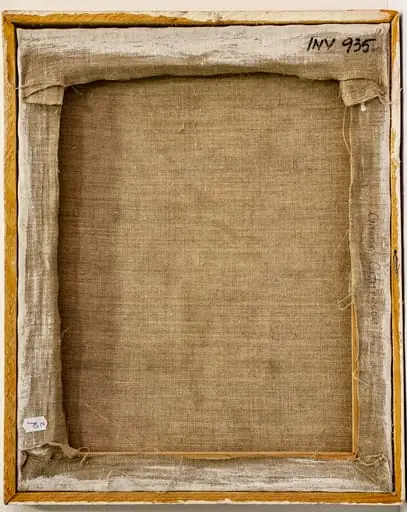
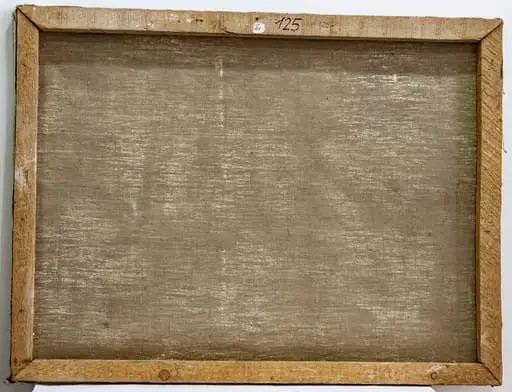
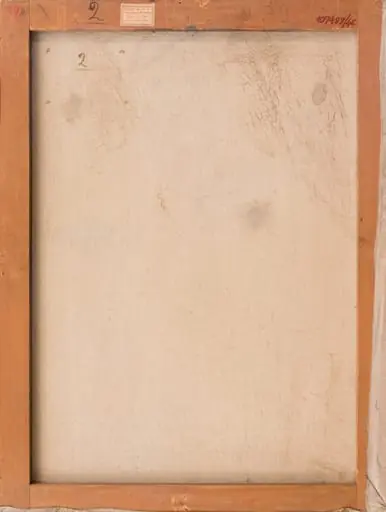
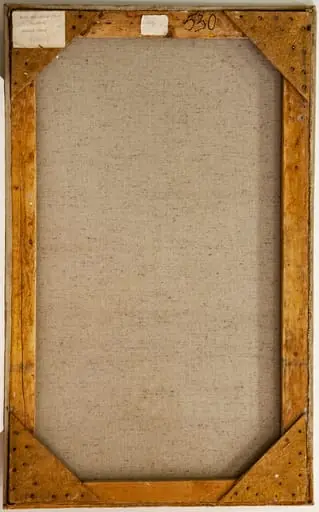
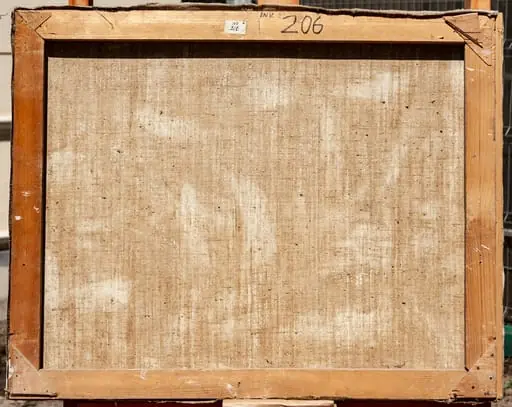
Ritmuri spaniole is a conceptual artwork consisting of a light brown, worn wooden frame enclosing a blank, faded, and textured canvas. The absence of visual content on the canvas contrasts with the frame's subtle signs of aging and handwritten title notation on the reverse.
Subject & Meaning
The subject of Ritmuri spaniole appears to be the absence of a depicted subject, potentially commenting on the nature of art, expectation, or the emphasis on framing and context over visual content. The title, suggesting 'Spanish Rhythms,' ironically underscores the canvas's emptiness.
Technique & Style
The technique employed is one of deliberate omission, with the 'artwork' residing in the frame and the blank canvas. The style is minimalist and conceptual, relying on the contrast between the anticipated content implied by the title and frame, and the actual blankness.
History & Provenance
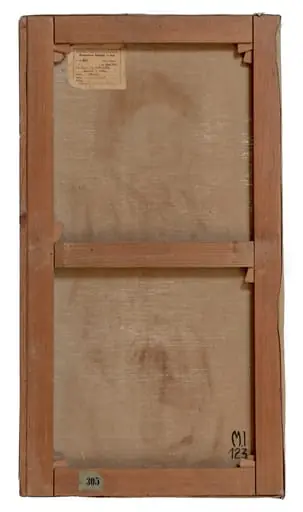
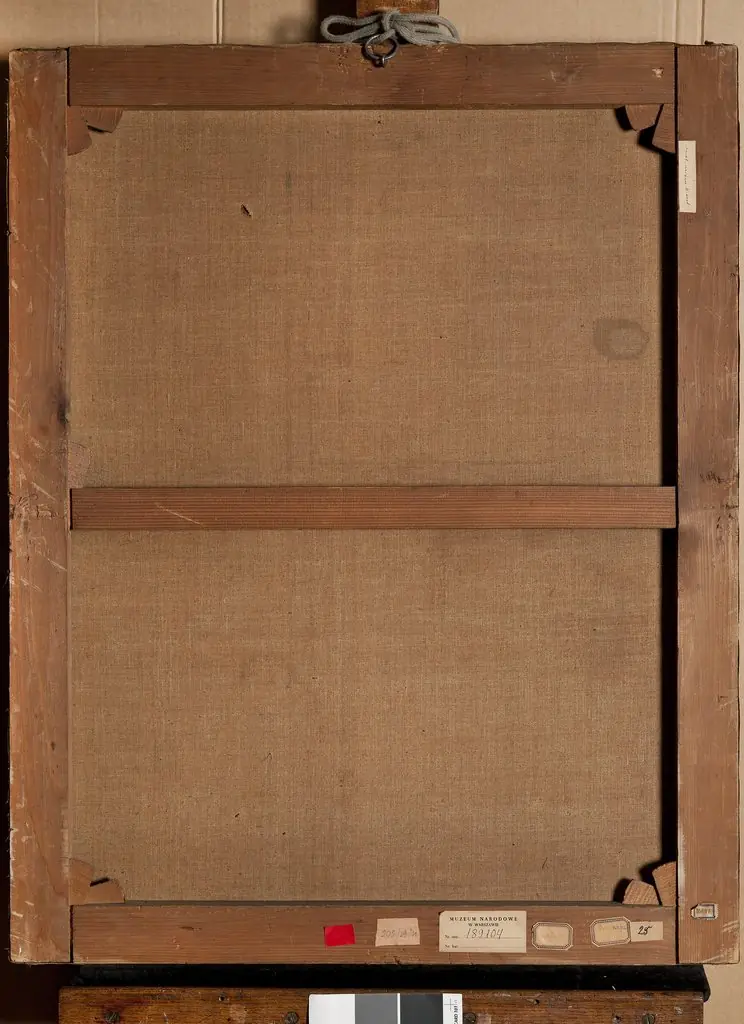
Limited information is provided about the artwork's history. It is attributed to Sachelarie Vladimirescu Wanda, though details of its creation date, exhibitions, or ownership history are not given. Handwritten notes on the frame, including the title, offer the only direct contextual clues.
Context
Ritmuri spaniole can be contextualized within conceptual and minimalist art movements that challenge traditional notions of what constitutes a 'work of art.' It may also engage with themes of absence, anticipation, and the role of the frame in defining art.
Legacy
The legacy of Ritmuri spaniole is not detailed in the provided information. Its impact, if any, on the art world or its reception by critics and audiences cannot be assessed without further context on its exhibition history and critical response.
Artist & collection
Artist
This artist’s prints and paintings merge playful shapes with soft colors, often showing rhythmic patterns or quiet scenes of children by the water.
Museum
Gavrila Simion Eco-Museum Research Institute Tulcea
Continue through works from the same source collection.