Artwork
PORTRETUL AUROREI VORVOREANU
PORTRETUL AUROREI VORVOREANU is a print by Alexandru Phoebus. It dates from 1933 and is held in the collection of the National Museum of Art of Romania.
About this work
Overview
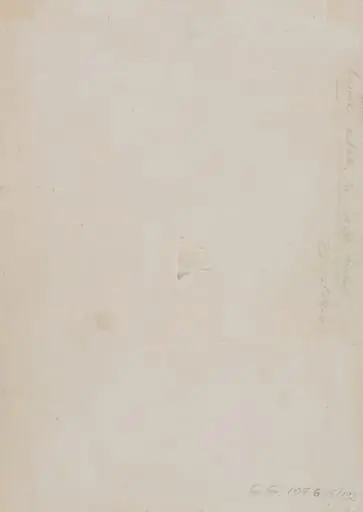
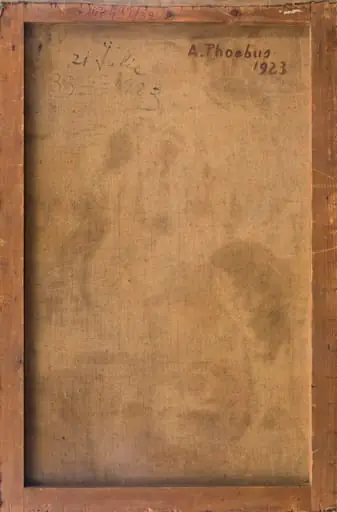
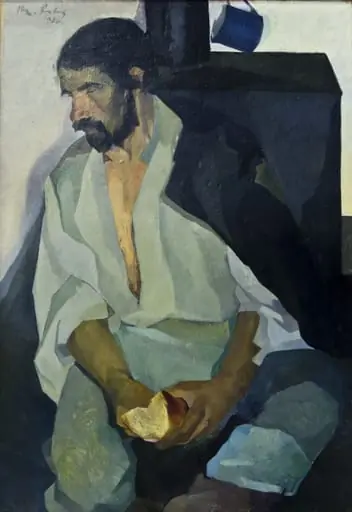
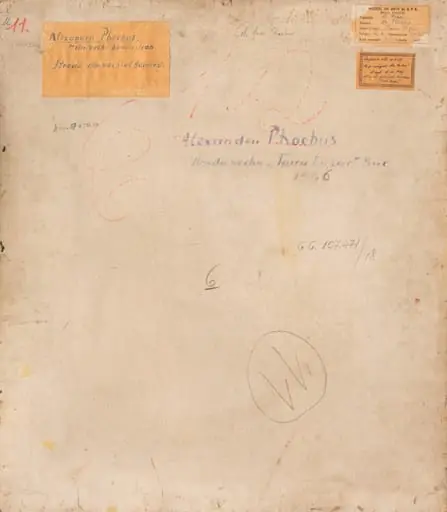
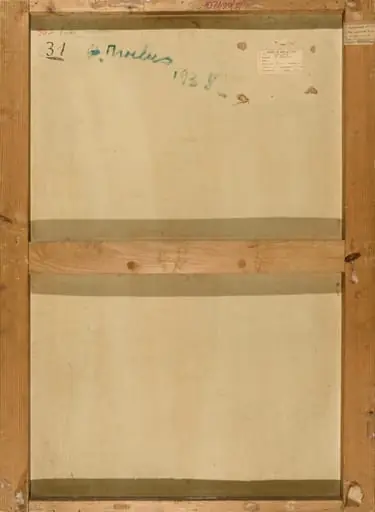
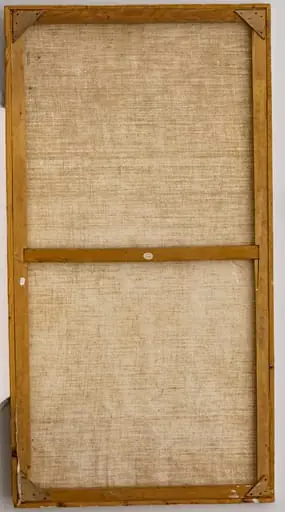
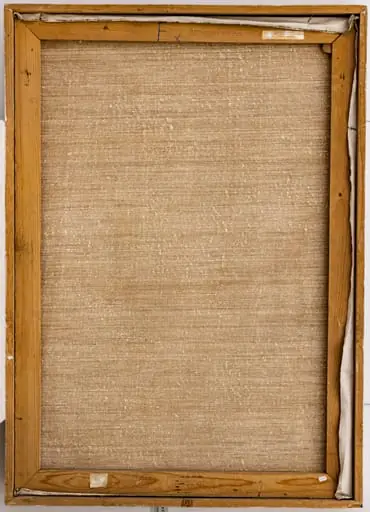
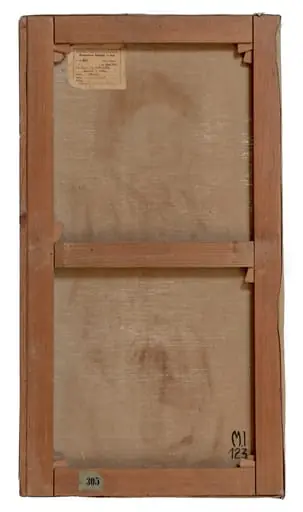
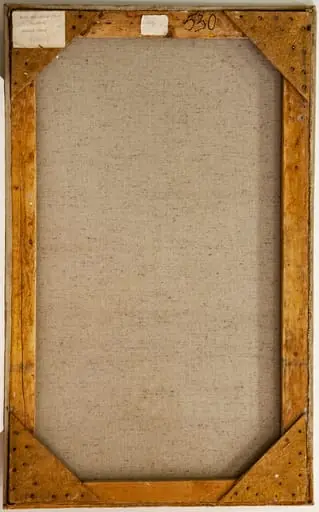
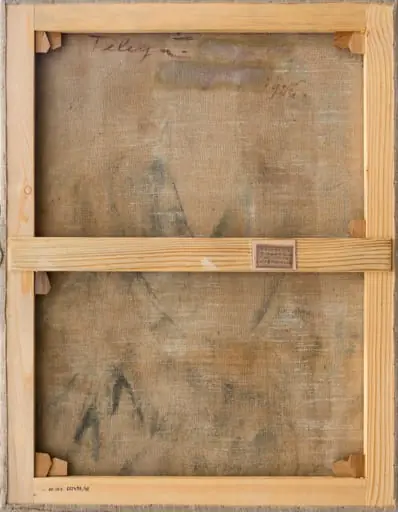
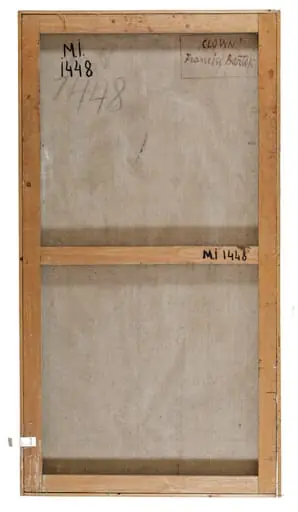
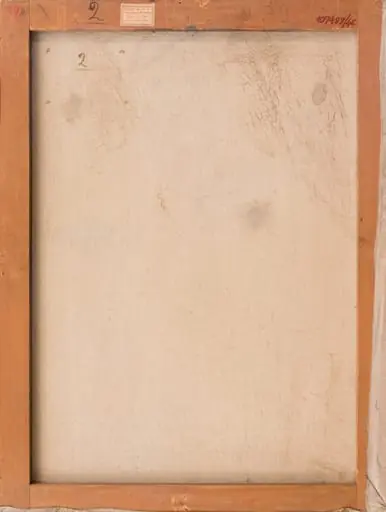
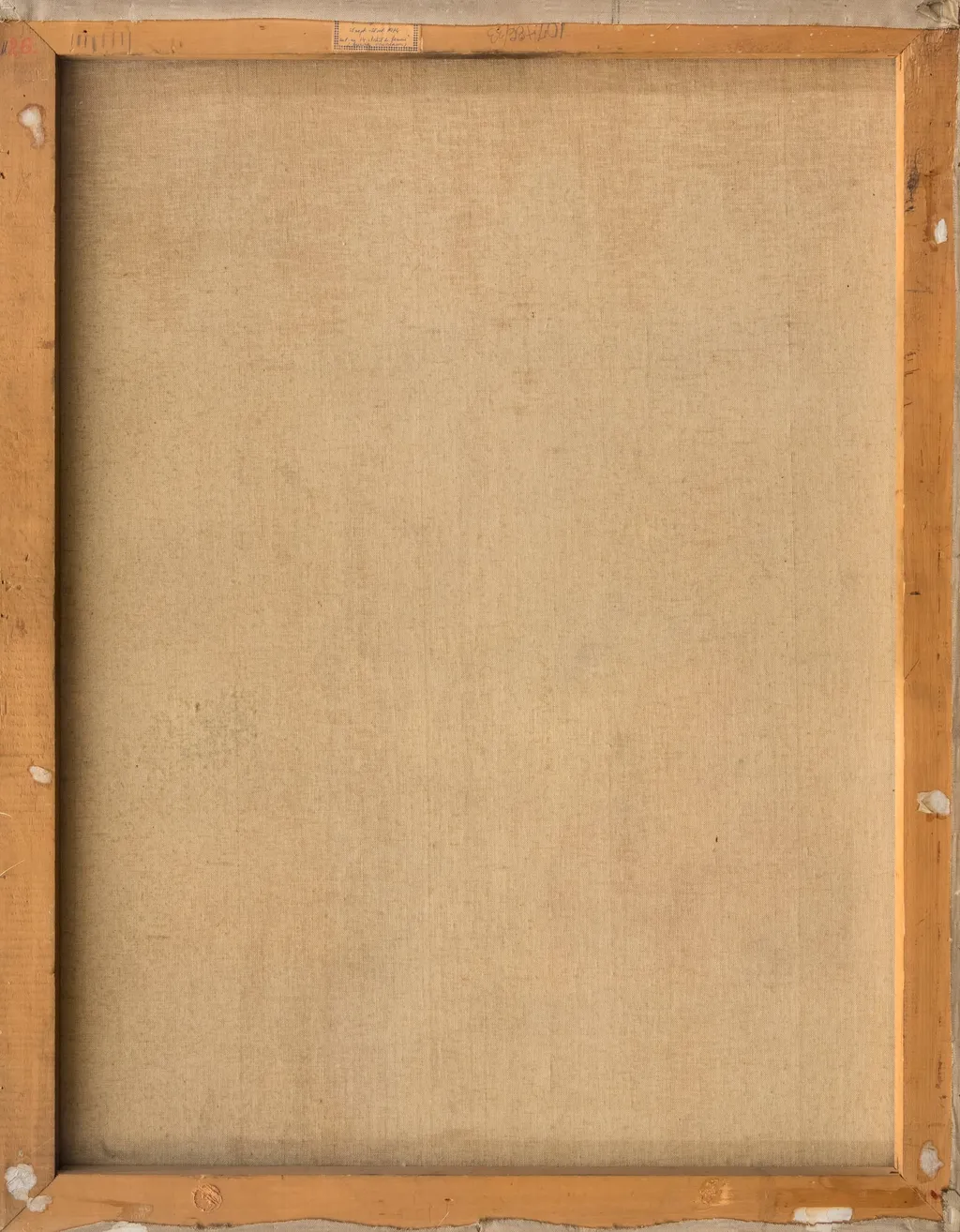
Alexandru Phoebus’s 1933 work titled *Portretul Aurelii Vorvorceanu* consists of an unadorned canvas set within a light‑brown wooden frame. The frame shows signs of age, including small chips, surface marks, and faded paper labels affixed to its rear. The canvas itself is a uniform, pale beige, lacking any discernible brushwork or imagery, suggesting an unfinished state.
Subject & Meaning
The title indicates an intended portrait of a figure named Aurelia Vorvorceanu, yet the absence of any painted likeness leaves the identity and narrative unresolved. This deliberate incompleteness may reflect the artist’s interrupted plans, a conceptual commentary on representation, or simply a work halted before execution, inviting viewers to contemplate the gap between intention and realization.
Technique & Style
Although the piece contains no visible application of paint, its construction aligns with traditional portrait framing practices of the early 20th century. The wooden frame’s modest finish and the plain canvas surface contrast with the chiaroscuro techniques prevalent among Phoebus’s contemporaries, highlighting the work’s departure from conventional modeling of light and shadow.
History & Provenance
Created in 1933, the canvas has remained within its original frame, preserving the period‑specific hardware and the faint paper labels that once identified its contents. Documentation of its ownership is limited, but the presence of these labels suggests it was catalogued or displayed in a collection that recorded its intended subject.
Context
The early 1930s in Romania saw artists navigating modernist influences while maintaining classical portrait conventions. Phoebus’s decision to leave *Portretul Aurelii Vorvorceanu* incomplete situates the piece within a broader discourse on artistic process, where unfinished works were sometimes exhibited to emphasize the act of creation itself.
Artist & collection