Artwork
J.J. Rousseau
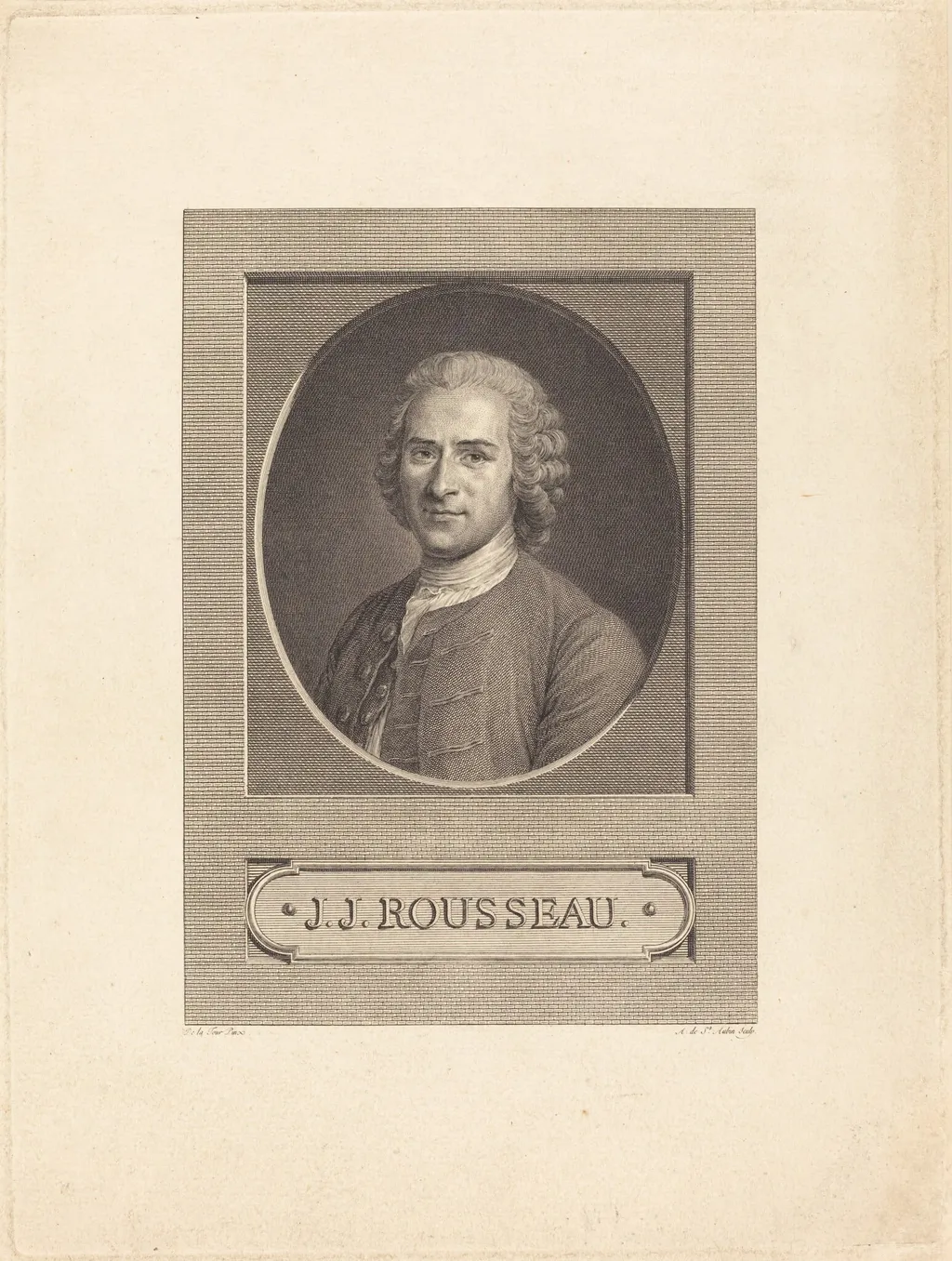
J.J. Rousseau is an ink print by the Romanticist artist Augustin de Saint-Aubin. It dates from 1777 and is held in the collection of the National Gallery of Art. J.
About this work
Overview
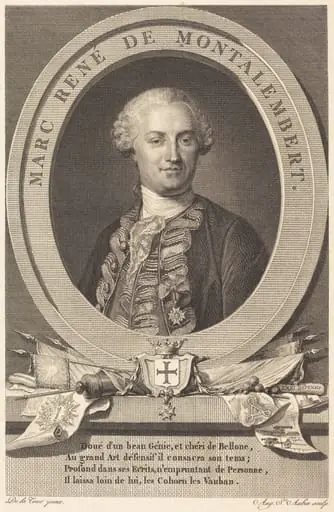
J.J. Rousseau is a black-and-white portrait print created by Augustin de Saint-Aubin in 1777, utilizing etching and engraving techniques. The work features a rounded, framed portrait of a man with curly hair and a high collar, identified as J.J. Rousseau in decorative text below.
Subject & Meaning
The subject of the portrait is J.J. Rousseau, a notable figure, though the work's specific context or the sitter's expression does not overtly convey particular themes beyond a straightforward representation.
Technique & Style
The print showcases Saint-Aubin's mastery of 18th-century French printmaking. Etching and engraving techniques allow for fine details, evident in the hair, collar, and frame designs. The artist's signature, though subtle, attests to the work's authenticity.
History & Provenance
Created in 1777 by Augustin de Saint-Aubin, a member of a prominent French family of designers and engravers, the work reflects the artist's training within French printmaking traditions of the time. Specific provenance details are not provided.
Context
The piece is characteristic of 18th-century French portraiture in print form, emphasizing detail and formal presentation. It aligns with the era's practices in both technique and the depiction of contemporary figures.
Legacy
While specific legacy or impact of *J.J. Rousseau* by Saint-Aubin is not detailed, it contributes to the broader legacy of French printmaking and the visual record of Rousseau's likeness in the late 18th century.
Artist & collection
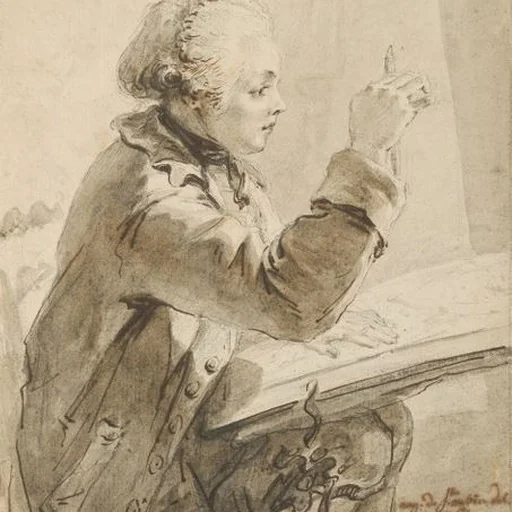
Artist
Augustin de Saint-Aubin sometimes styled Auguste de Saint-Aubin (3 January 1736 – 9 November 1807), belongs to an important dynasty of French designers and engravers.

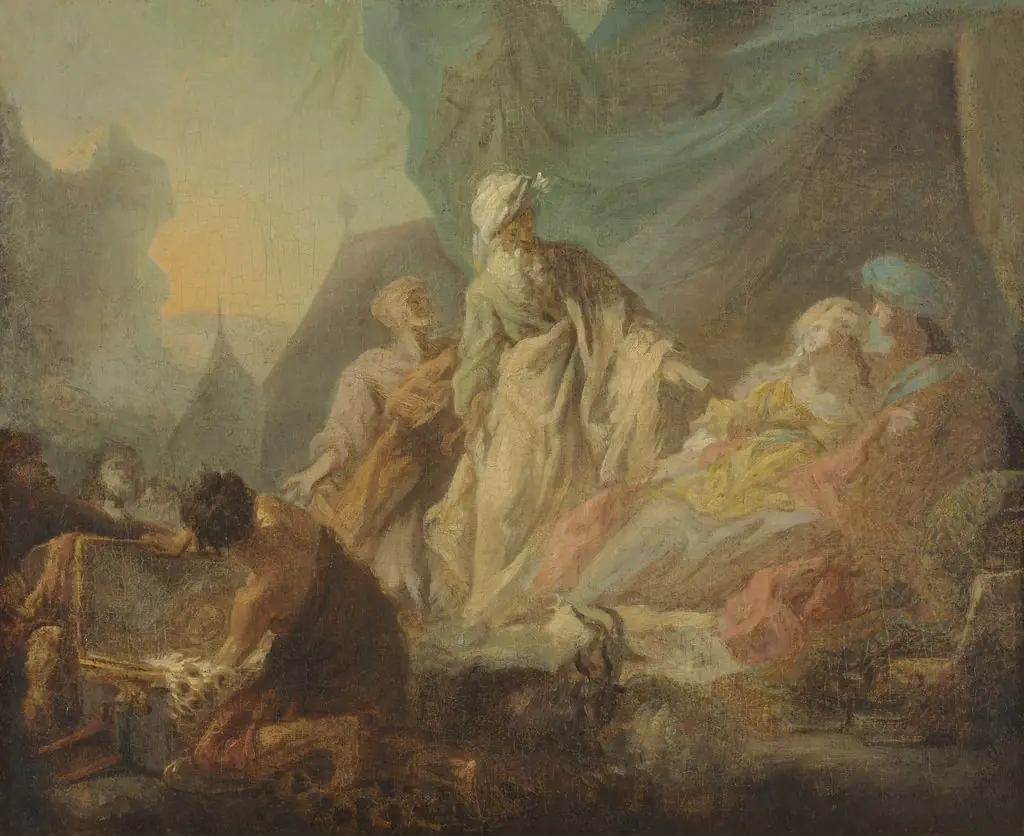 Laban Searching for His Stolen Gods
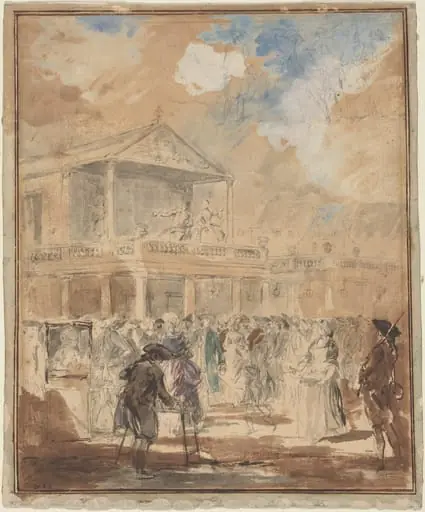 Parade (A Theatrical Procession in Paris)
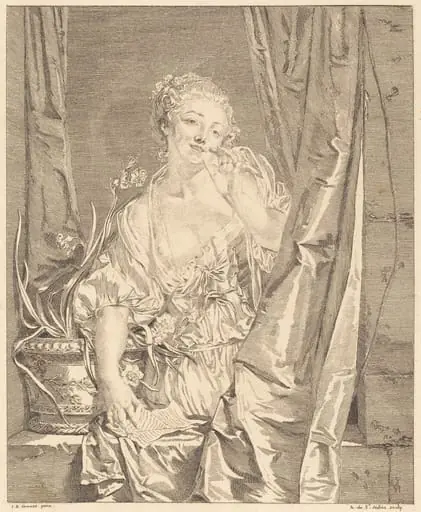 Le baiser envoyé
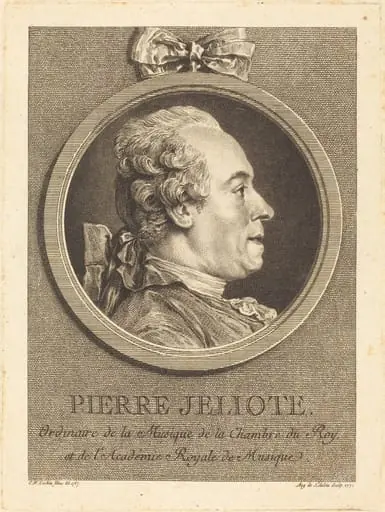 Pierre Jeliote
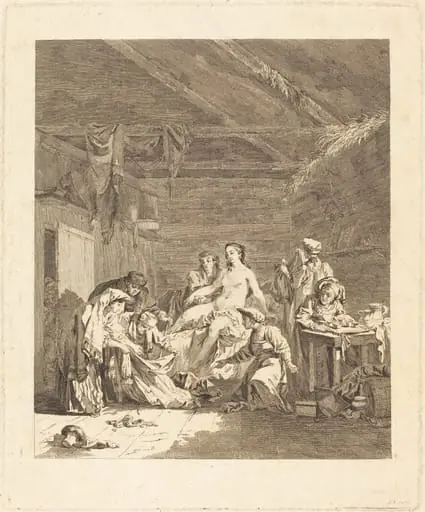 Le lever de la mariée russe (Custom of the Russians after the Marriage Ceremony and before the Wedding Feast)
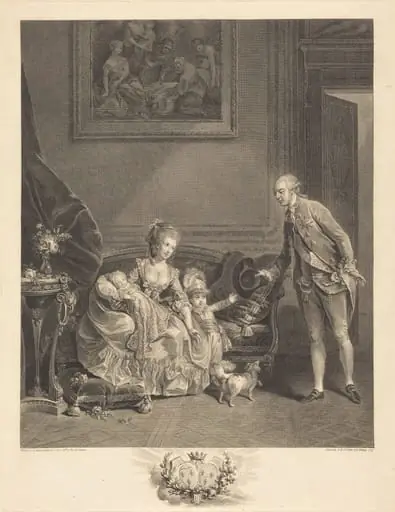 Le duc de Chartres, son epouse et ses enfants
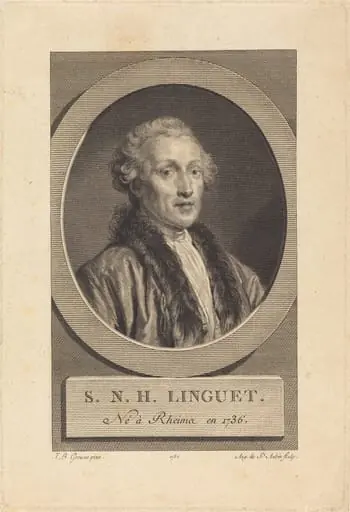 Simon-Nicolas-Henri Linguet
 Marc Rene de Montalembert