Artwork
Philip Gendron Prioleau
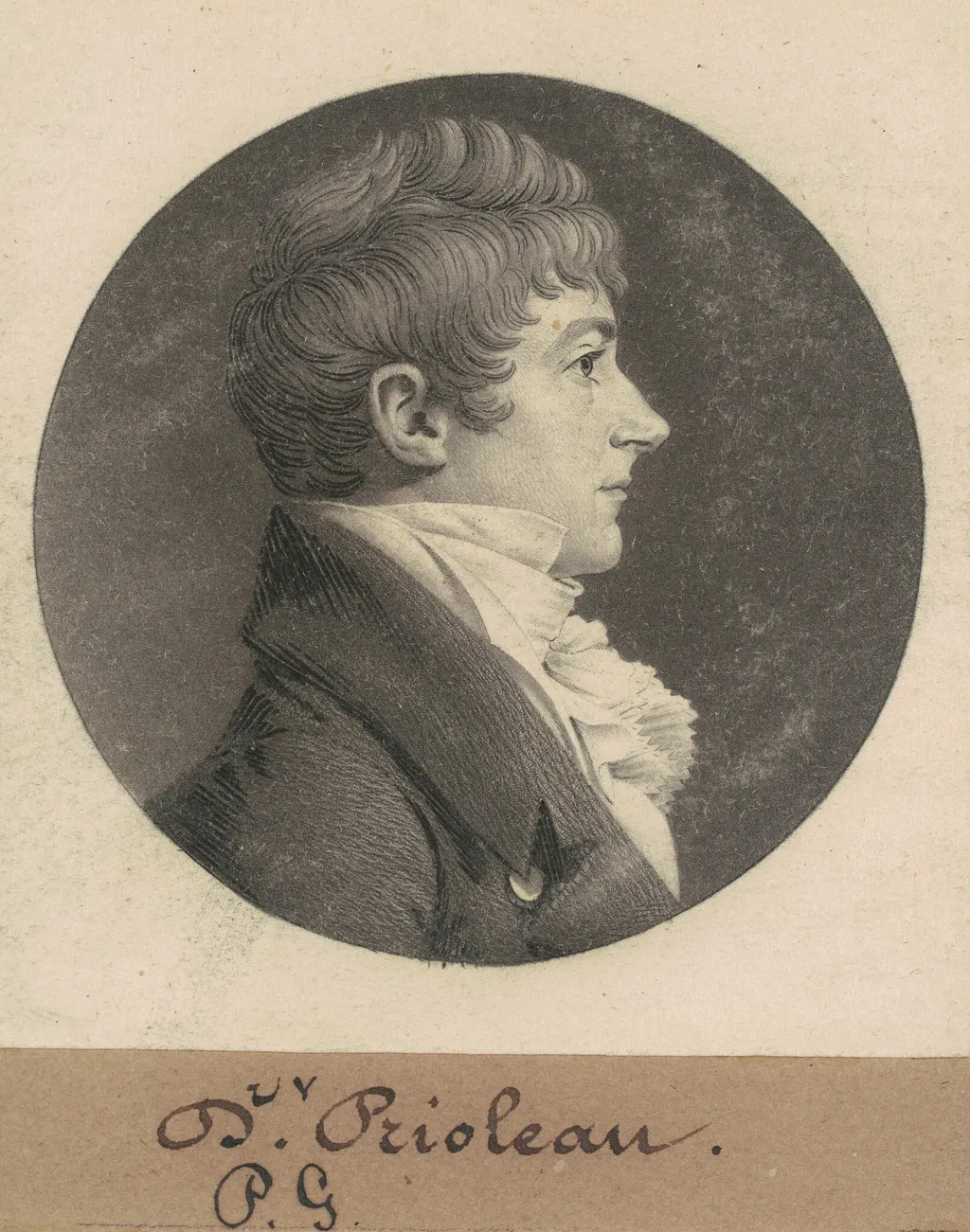
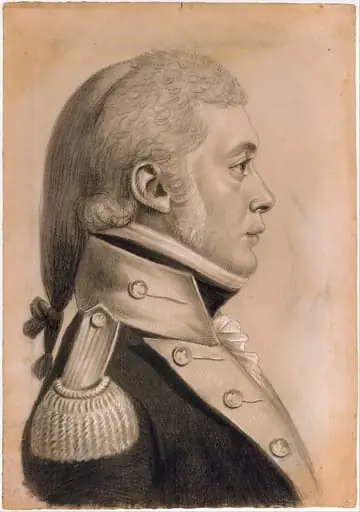
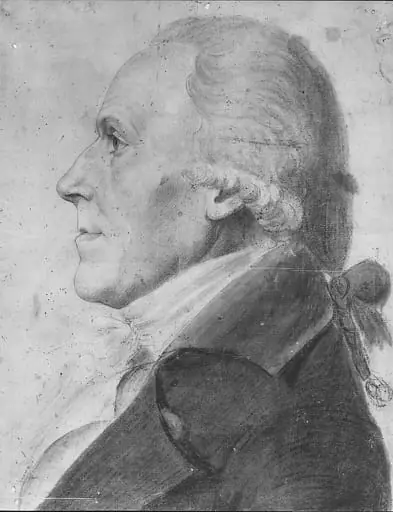
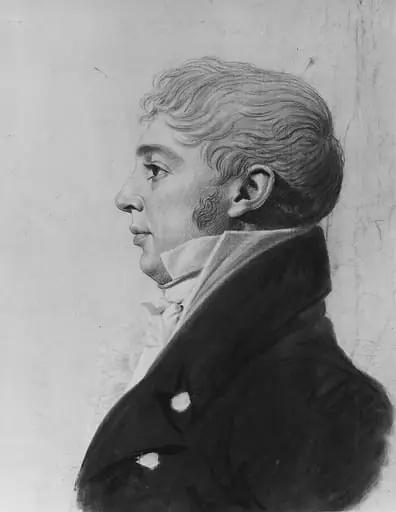
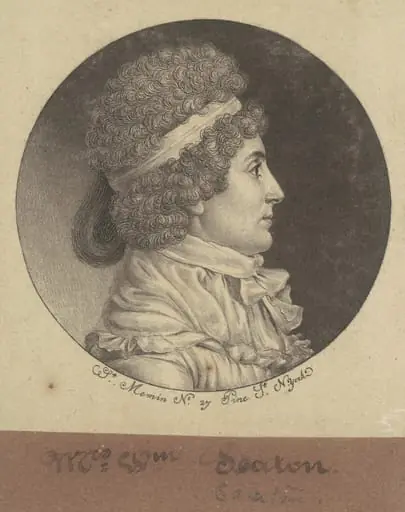
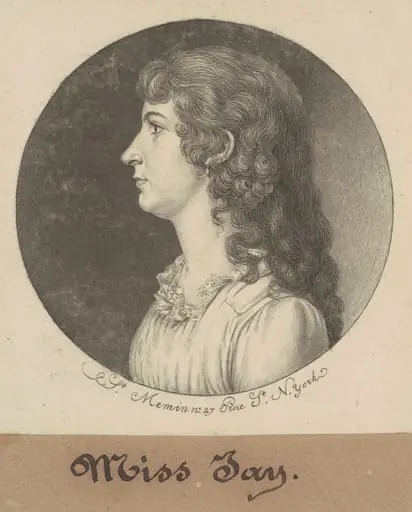
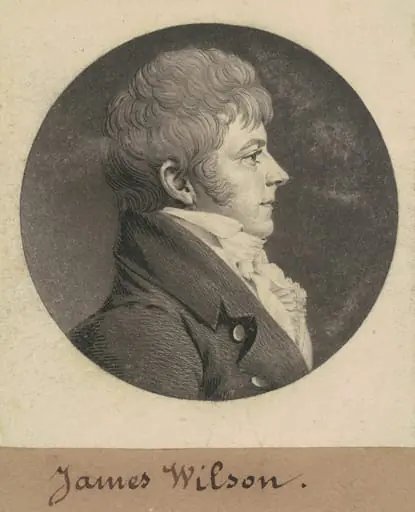
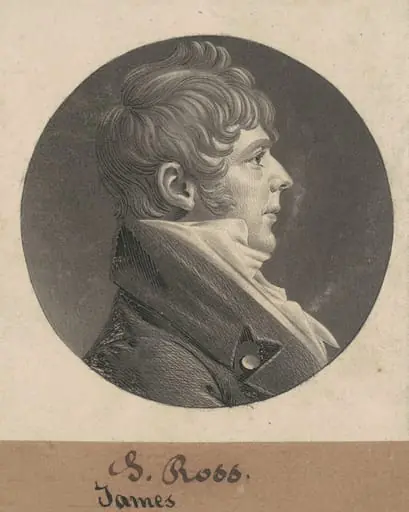
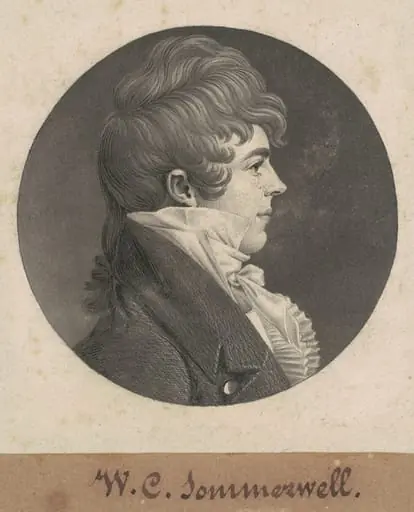
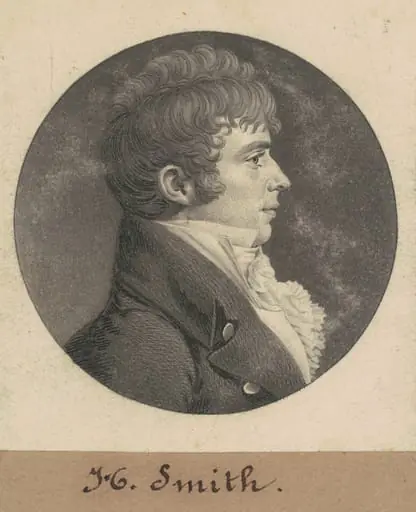
Philip Gendron Prioleau is an ink print by the Romanticist artist Charles Balthazar Julien Févret de Saint-Mémin. It dates from 1809 and is held in the collection of the National Gallery of Art. Created in 1809, this small print measures just under six centimeters on each side.
About this work
Overview
Created in 1809, this small print measures just under six centimeters on each side. Executed by Charles B. J. Févret de Saint‑Mémin, it combines mezzotint and engraving techniques on wove paper that has been mounted to a brown backing. The work depicts the likeness of Philip Genston Prioleau and forms part of the Corcoran Collection, a notable assemblage of early American art.
Subject & Meaning
The image presents a tightly rendered portrait of Philip Genston Prioleau, a figure whose identity is recorded only by name. The composition focuses on the sitter’s facial features, rendered with careful attention to expression and attire, suggesting an intention to preserve a faithful visual record rather than convey allegorical content.
Technique & Style
Saint‑Mémin employed the tonal richness of mezzotint alongside the linear precision of engraving, allowing for subtle gradations of dark and light within a compact format. The use of black ink on wove paper produces a crisp, high‑contrast surface, while the mounting on brown paper adds support and a muted border that frames the delicate details of the portrait.
History & Provenance
The print entered the Corcoran Collection, an institution renowned for its holdings of American artworks from the eighteenth and nineteenth centuries. Its inclusion reflects the collector’s interest in works that document prominent individuals through the medium of print, and it remains catalogued as part of the museum’s historic print holdings.
Artist & collection

Artist
Charles Balthazar Julien Févret de Saint-Mémin
Charles Balthazar Julien Févret de Saint-Mémin (French pronunciation: ; 1770–1852) was a French portrait painter and museum director.