Artwork
Benjamin Harrison VII
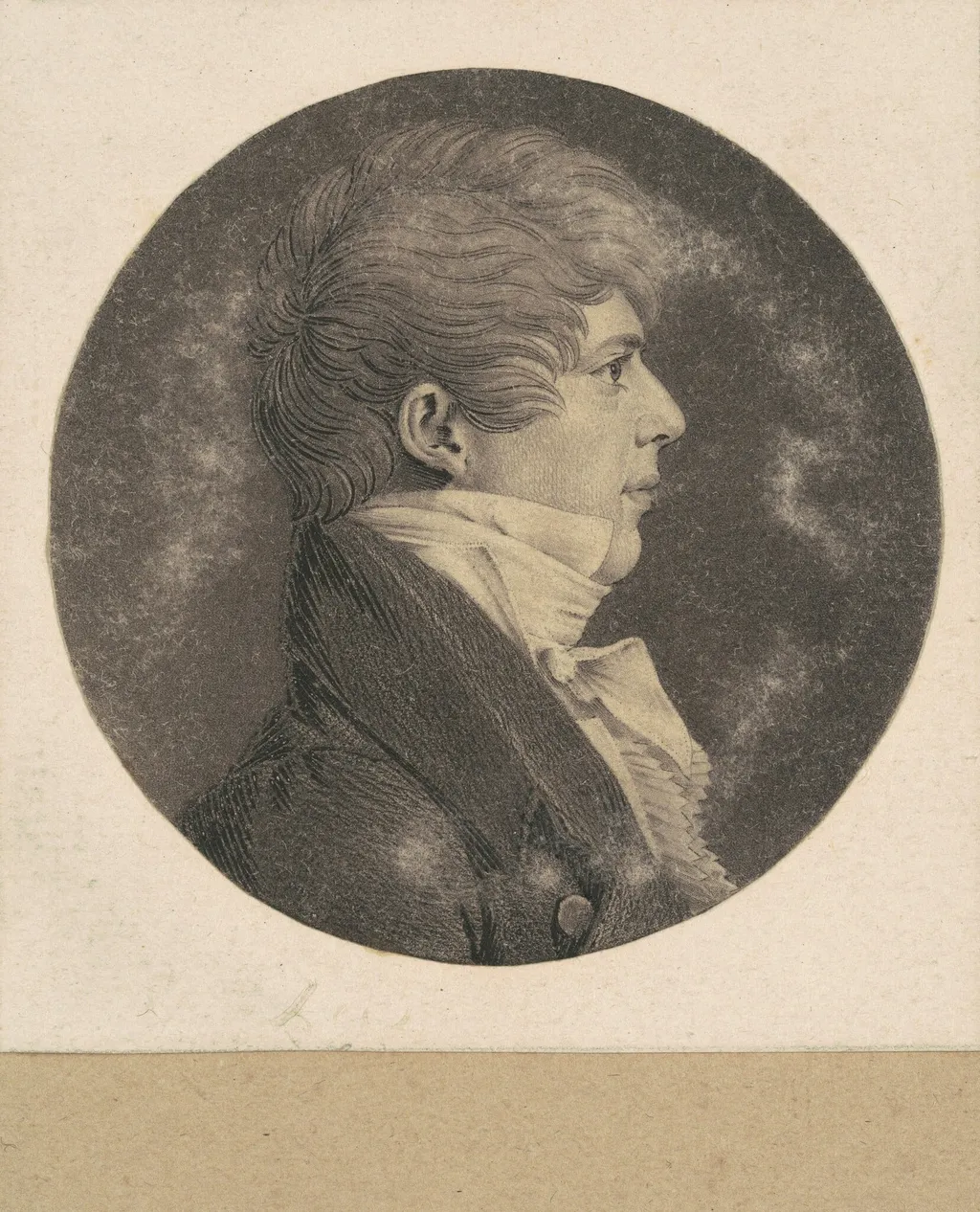
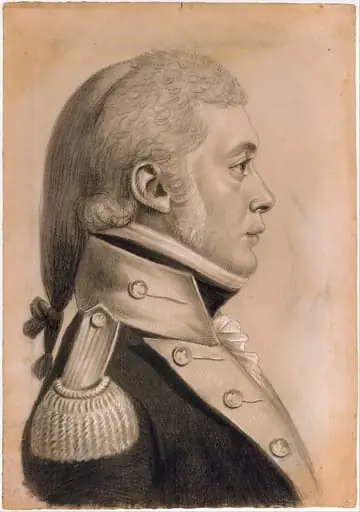
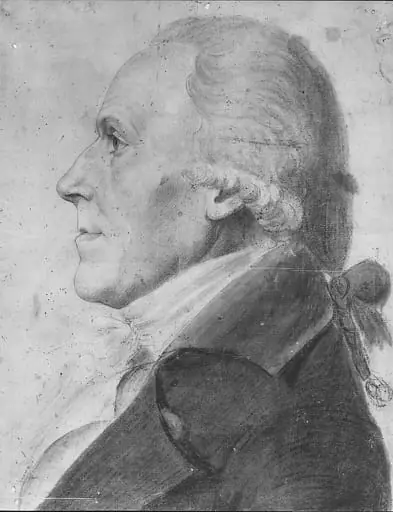
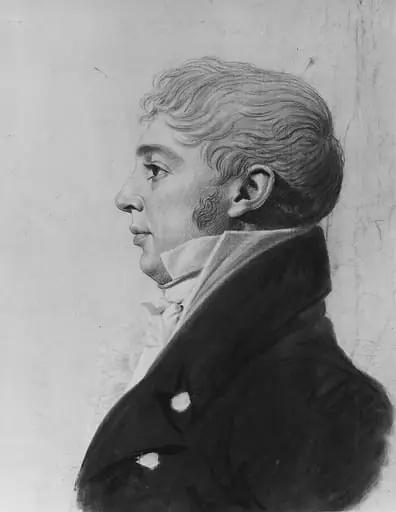
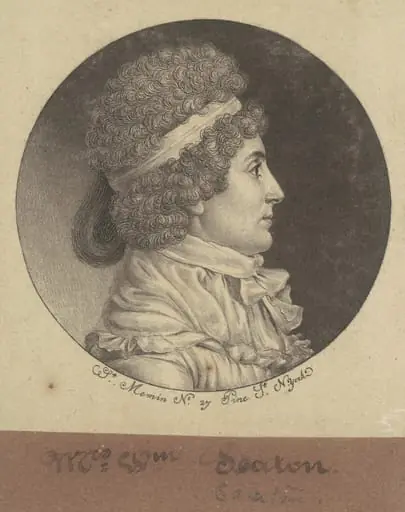
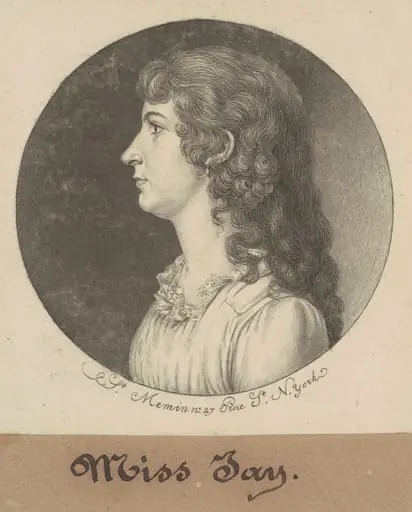
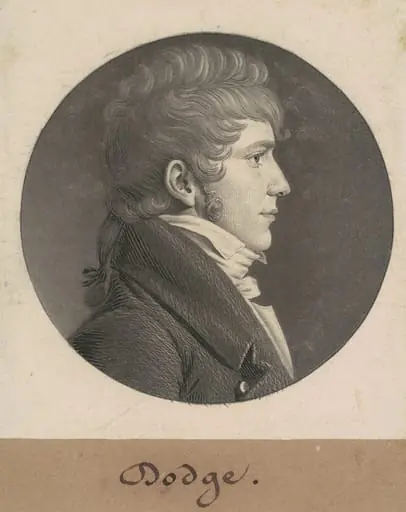
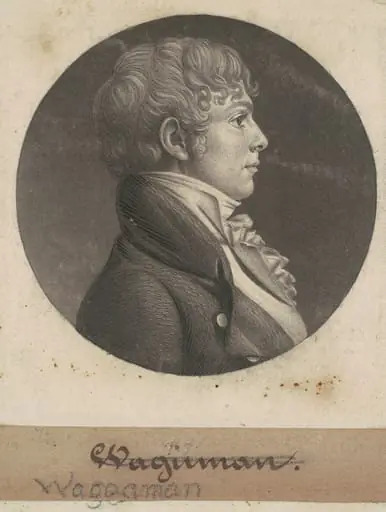
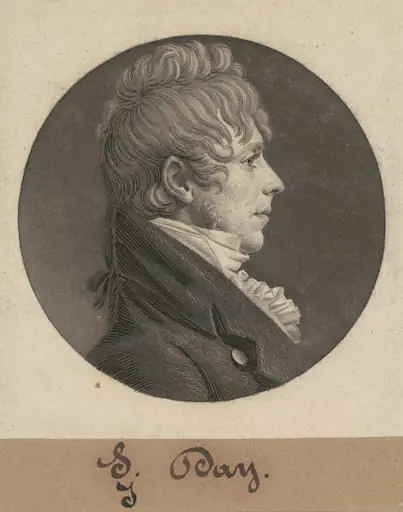
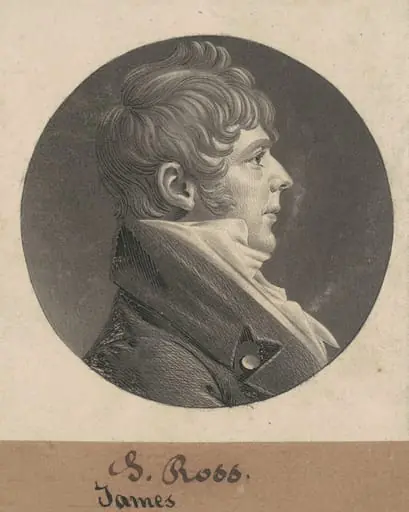
Benjamin Harrison VII is an ink print by the Romanticist artist Charles Balthazar Julien Févret de Saint-Mémin. It dates from 1808 and is held in the collection of the National Gallery of Art. Created around 1808 by Charles B.
About this work
You can learn more about this technique by looking up the work of artist: Saint-Mémin, Charles B.
This painting shows a portrait of Benjamin Harrison VII.
He's looking straight at us with a serious face.
The artist used a lot of details to make him look real.
The artist, Saint-Mémin, made this portrait around 1808.
It's a small piece, only about 5 inches wide.
The details in the portrait are impressive, considering its size.
You can learn more about this technique by looking up the work of artist: Saint-Mémin, Charles B. J. Févret de.
Overview
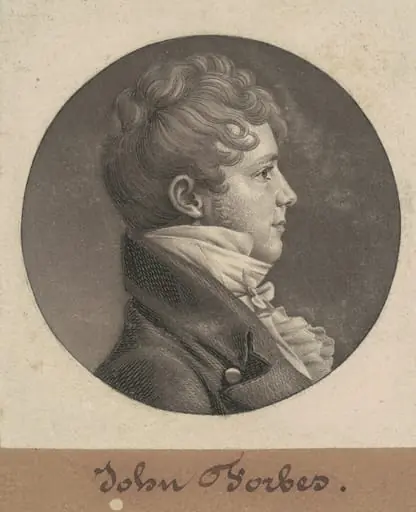
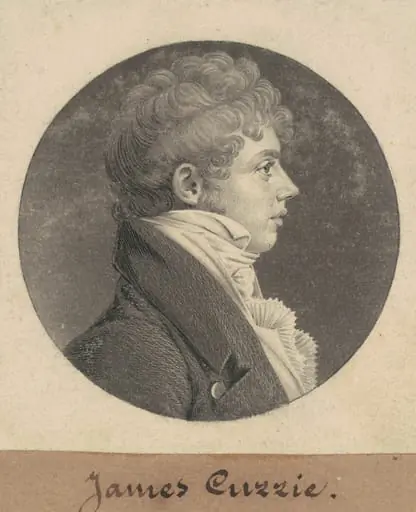
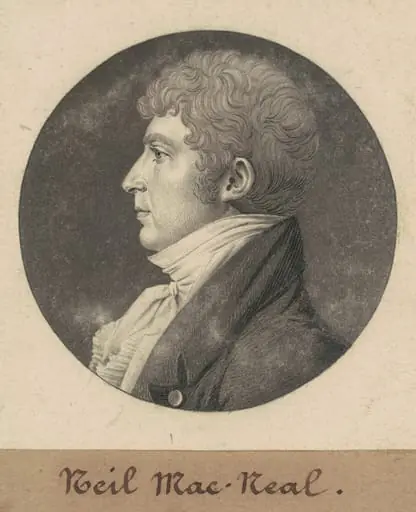
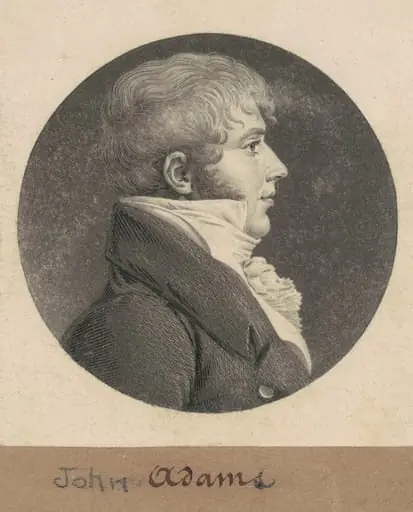
Created around 1808 by Charles B. J. Févret de Saint-Mémin, this small portrait of Benjamin Harrison VII is a mezzotint and engraving on wove paper, mounted to a brown wove support. Measuring approximately 5.7 by 5.6 centimeters, it belongs to the Corcoran Collection. The work exemplifies Saint-Mémin’s skill in translating three-dimensional likenesses into intricate black-and-white prints, using fine lines and tonal gradations to capture subtle facial structure.
Subject & Meaning
Benjamin Harrison VII, a Virginia planter and descendant of early colonial leaders, is depicted with direct eye contact and a composed expression. The portrait conveys dignity and restraint, typical of elite American portraiture of the early 19th century. No symbolic elements are present; the focus remains on the sitter’s presence, reflecting a cultural emphasis on individual character and lineage rather than status markers.
Technique & Style
Saint-Mémin employed mezzotint to achieve rich tonal depth, combined with fine engraving for sharp facial contours and texture. Despite the miniature scale, the rendering of hair, skin, and fabric shows remarkable precision. The monochrome palette enhances the sculptural quality of the face, while the paper’s slight texture adds subtle contrast. This technique allowed for detailed reproduction, making such portraits accessible beyond oil painting commissions.
History & Provenance
The print was produced during Saint-Mémin’s time in the United States, when he specialized in portrait miniatures for prominent families. It entered the Corcoran Collection in the 19th century and later became part of the National Gallery of Art’s holdings following the Corcoran’s dissolution. Its small size suggests it may have been intended for private circulation or inclusion in a family album rather than public display.
Context
In the early 1800s, mezzotint portraiture was a favored medium for capturing likenesses of the American elite, especially where oil paintings were impractical. Saint-Mémin, a French émigré, adapted European techniques to American tastes, producing hundreds of such portraits. This work reflects a broader trend of documenting political and social figures through reproducible prints, bridging the gap between personal memory and public record.
Legacy
Saint-Mémin’s portraits, including this one, remain significant as early examples of American print portraiture. They offer insight into the visual culture of the post-Revolutionary generation and the role of print in shaping personal and familial identity. Though modest in scale, these works influenced later generations of American engravers and contributed to the democratization of portraiture in the young republic.
Artist & collection

Artist
Charles Balthazar Julien Févret de Saint-Mémin
Charles Balthazar Julien Févret de Saint-Mémin (French pronunciation: ; 1770–1852) was a French portrait painter and museum director.