Artwork
Neil MacNeal
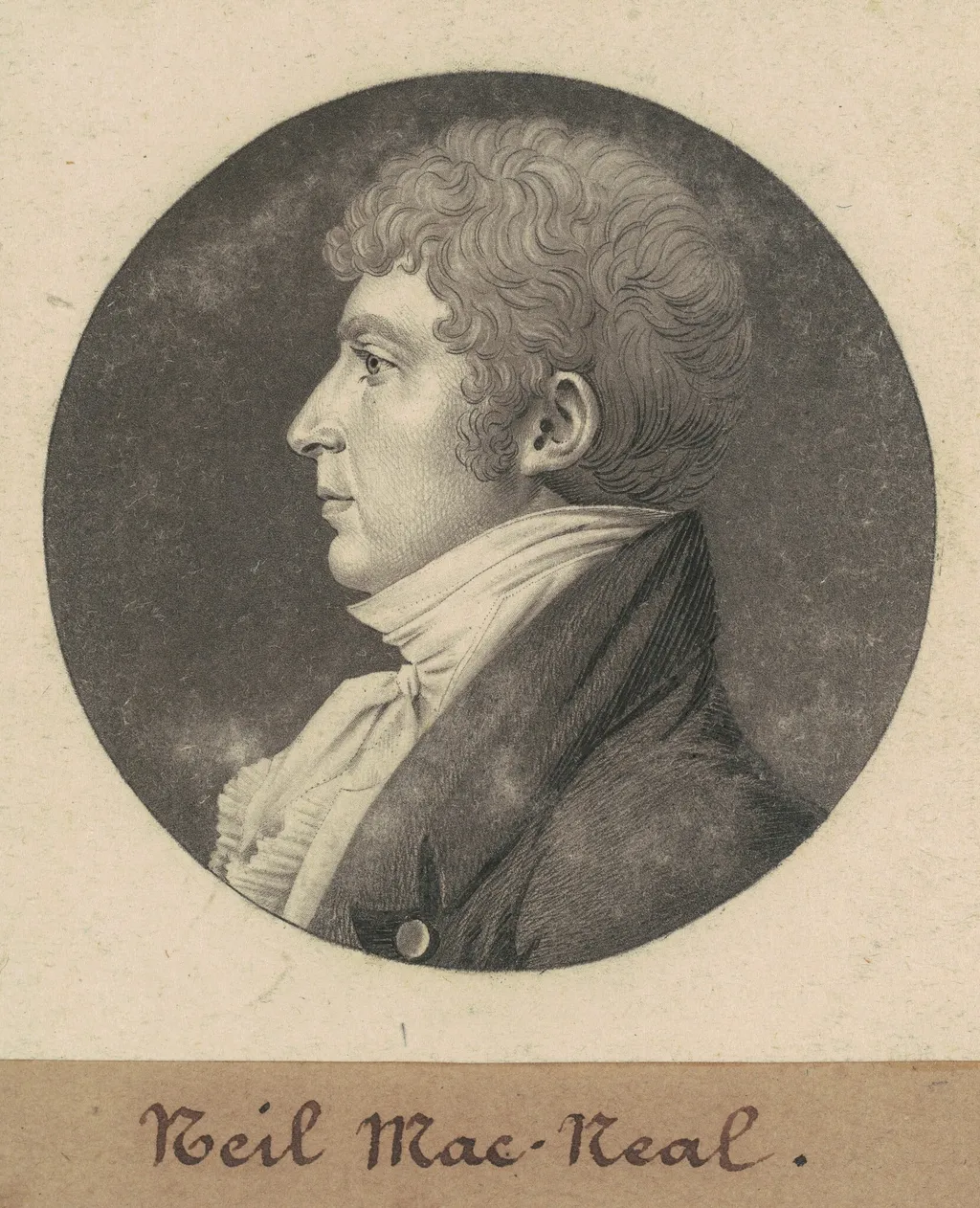
Neil MacNeal is an ink print by the Romanticist artist Charles Balthazar Julien Févret de Saint-Mémin. It dates from 1809 and is held in the collection of the National Gallery of Art. This 1809 print by Charles B.
About this work
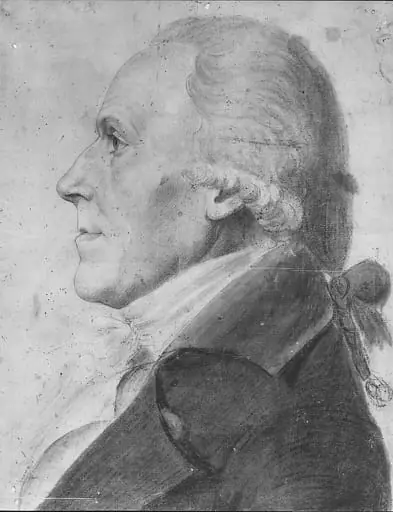
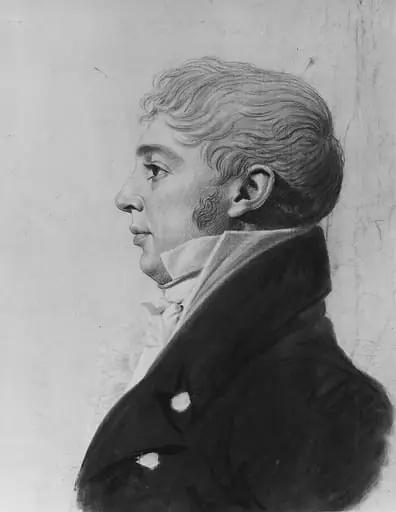
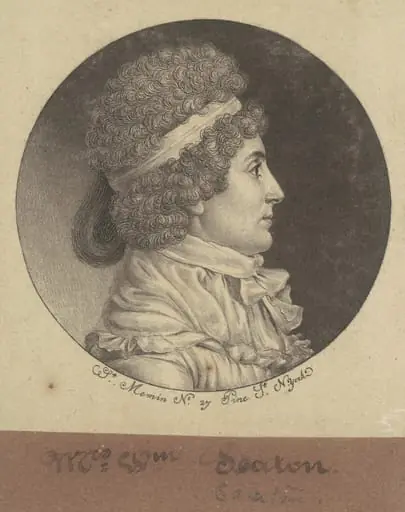
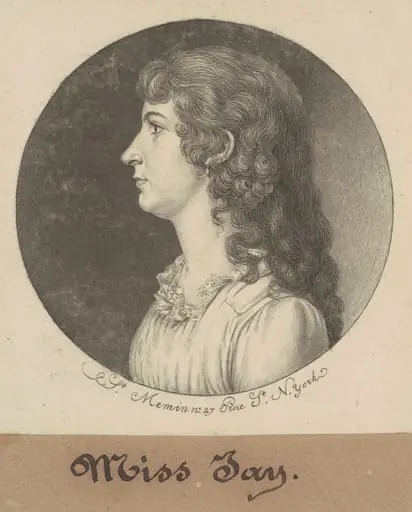
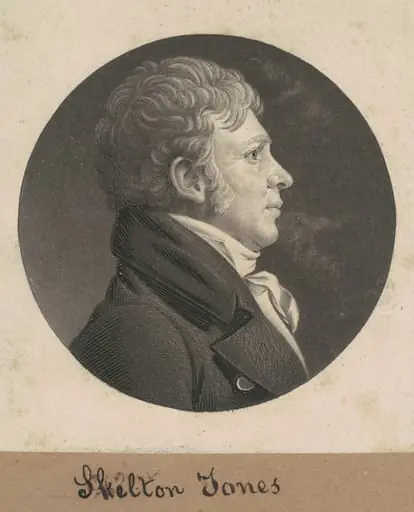
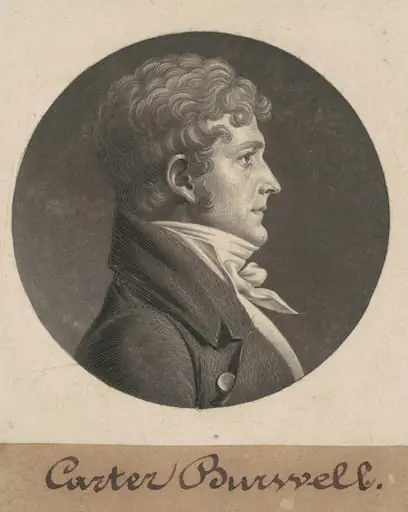
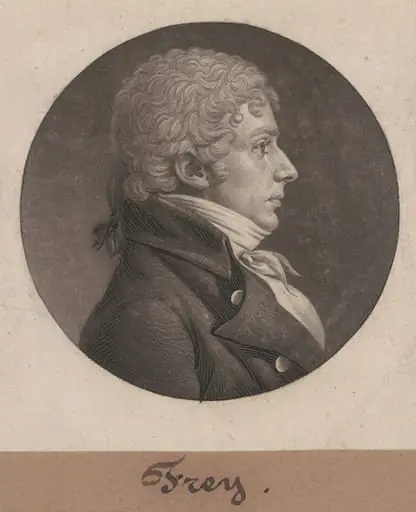
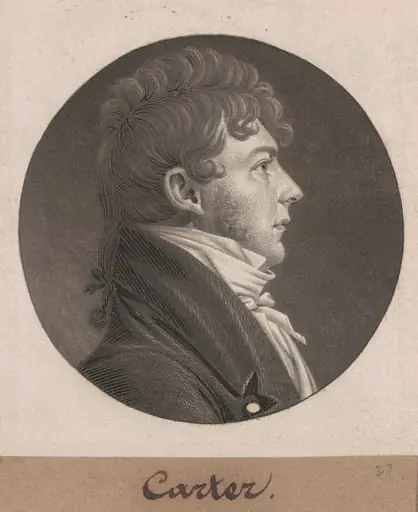
The artist used a lot of detail to show the folds in the man's clothes and the texture of his hair.
You see a man wearing a high-collared coat and a neatly arranged cravat.
He's set against a textured circular background with lighter outer areas.
The artist used a lot of detail to show the folds in the man's clothes and the texture of his hair.
The man in the picture is Neil MacNeal, and the artist made this portrait in 1809.
The way the artist used shadows and light to show the details of Neil's face is interesting.
Check out the work of artist: Saint-Mémin, Charles B. J. Févret de.
Overview
This 1809 print by Charles B. J. Févret de Saint-Mémin portrays Neil MacNeal in profile, rendered in mezzotint and engraving on wove paper. The image is mounted on brown wove paper, enhancing its tonal depth. The technique combines fine line work with rich gradations of black to capture subtle surface textures, typical of Saint-Mémin’s portraiture style during his American period.
Subject & Meaning
Neil MacNeal, a figure of modest historical record, is depicted with formal stillness, his high-collared coat and precisely folded cravat signaling social composure. The absence of contextual elements focuses attention on his demeanor, suggesting an intent to convey personal dignity rather than occupational or political identity. The circular frame reinforces the intimacy of the portrait, isolating the subject in quiet contemplation.
Technique & Style
Saint-Mémin employed mezzotint to achieve velvety shadows and delicate transitions of light across MacNeal’s face and clothing. Engraved lines define the crisp edges of the cravat and the texture of his hair, while the background’s gradated tone creates a sense of depth without distraction. The precision of the technique reflects the artist’s training in France and his adaptation to American portraiture demands.
History & Provenance
Created during Saint-Mémin’s time in the United States, the portrait was part of a series documenting prominent individuals of the early republic. It entered the Corcoran Collection in the 19th century and remained there until the collection’s dissolution in 2014, after which it was transferred to the National Gallery of Art in Washington, D.C.
Context
In the early 1800s, mezzotint was a favored medium for portrait reproduction in America due to its capacity for tonal nuance. Saint-Mémin, a French émigré, became known for his profile portraits of political and cultural figures, aligning with a broader trend of using printmaking to circulate likenesses beyond elite circles.
Legacy
Saint-Mémin’s portraits, including this one, represent a significant chapter in early American print culture. Though MacNeal himself is not widely remembered, the technical rigor and formal clarity of this work exemplify how printmaking served as a tool for documenting individual identity during a formative period in U.S. history.
Artist & collection

Artist
Charles Balthazar Julien Févret de Saint-Mémin
Charles Balthazar Julien Févret de Saint-Mémin (French pronunciation: ; 1770–1852) was a French portrait painter and museum director.