Artwork
Samuel Sitgreaves
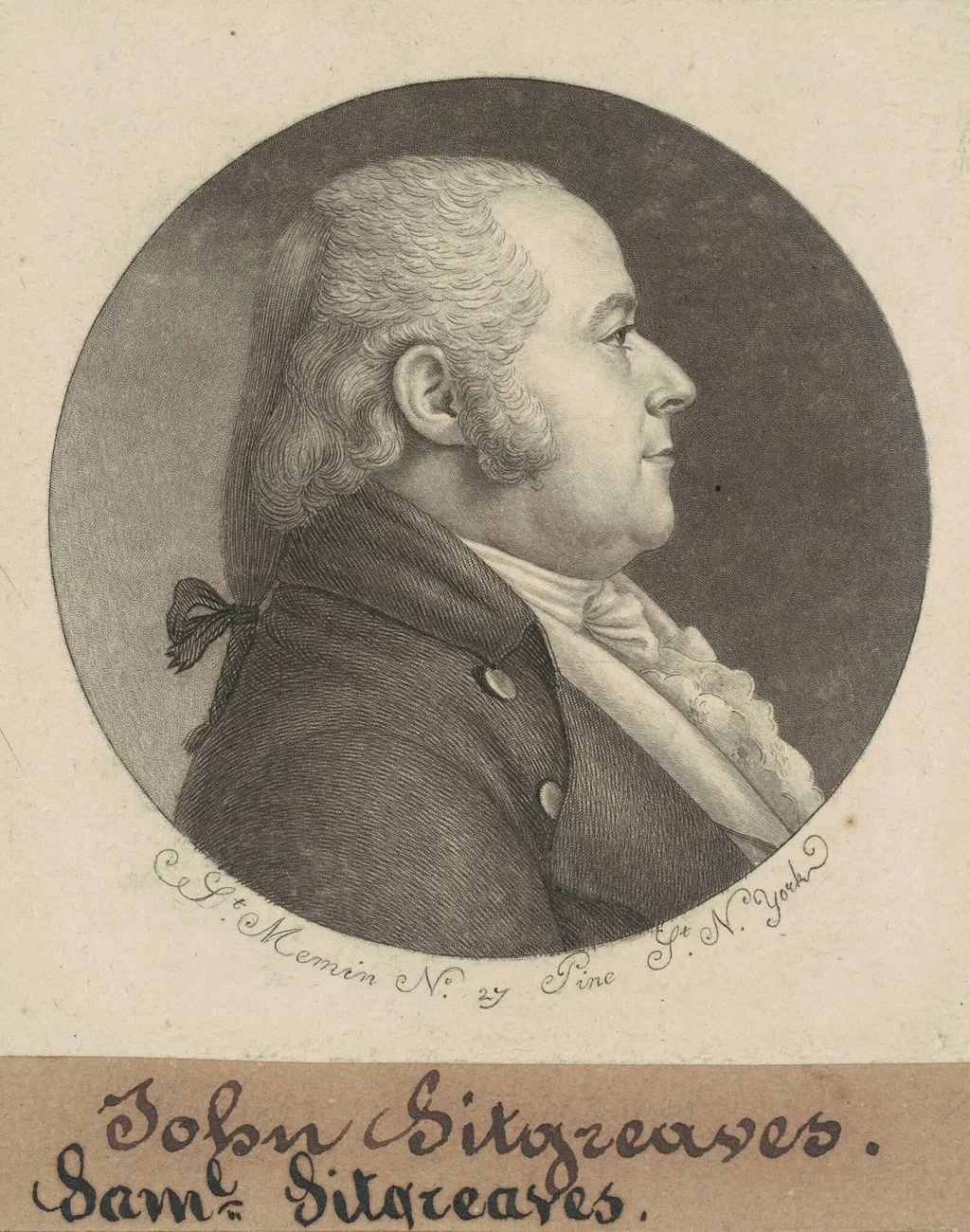
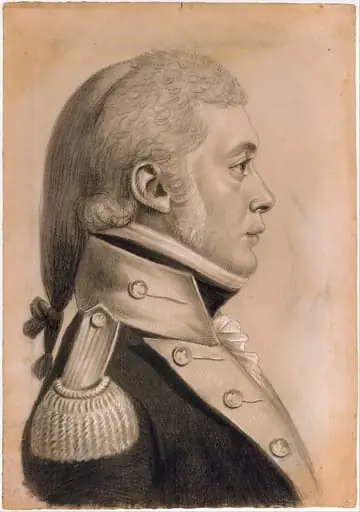
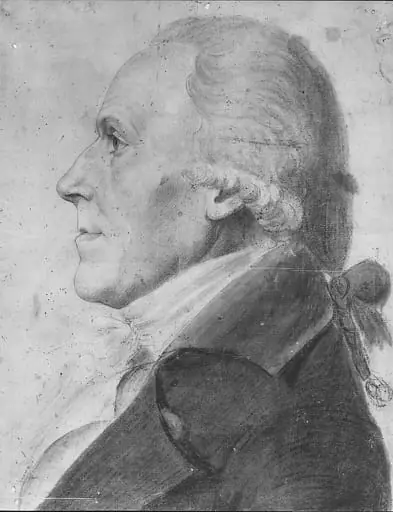
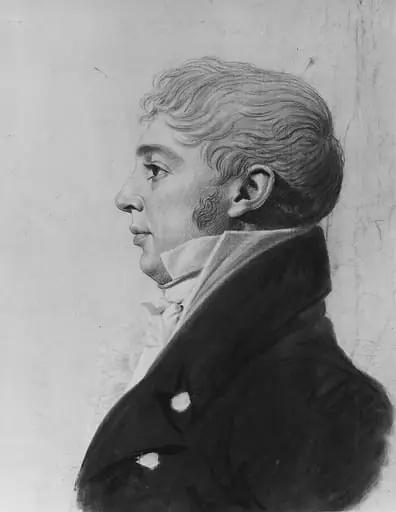
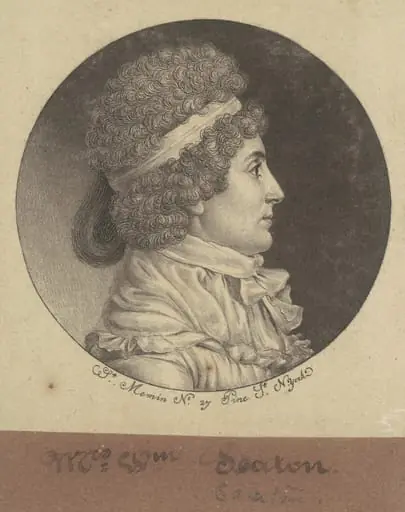
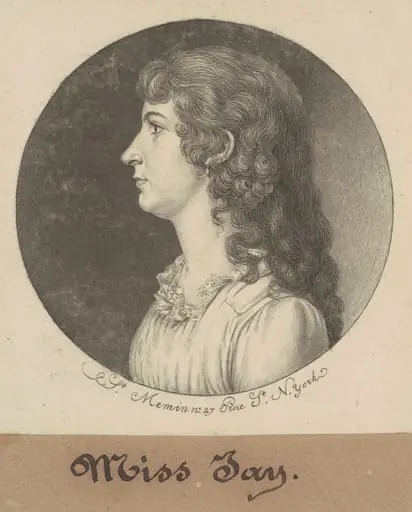
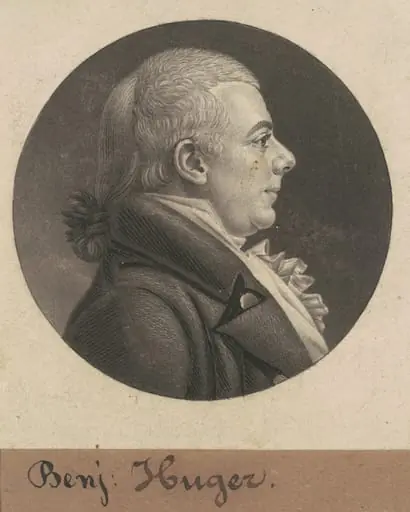
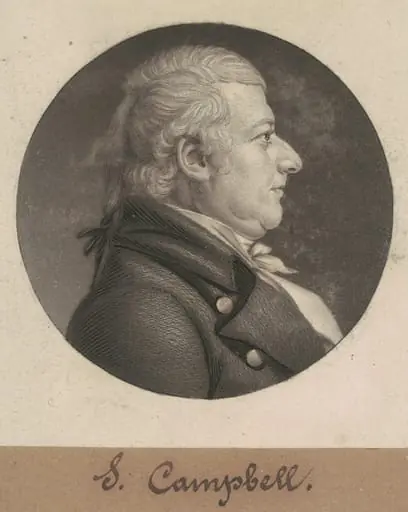
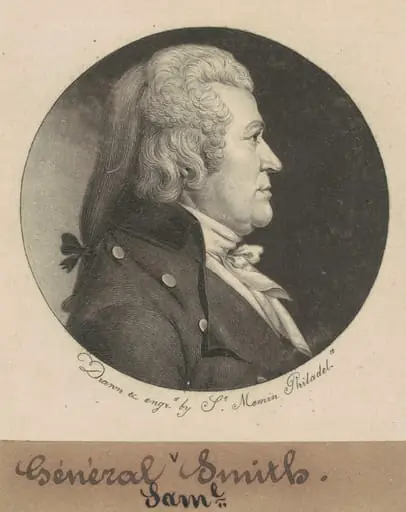
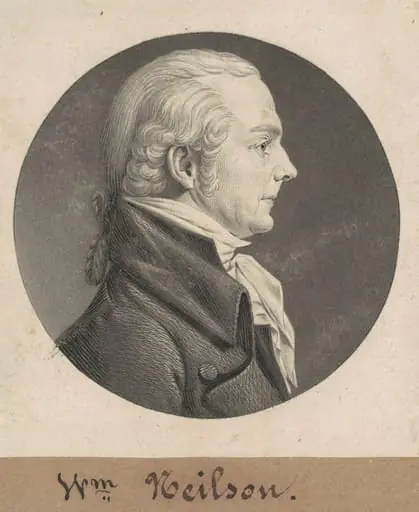
Samuel Sitgreaves is an ink print by the Romanticist artist Charles Balthazar Julien Févret de Saint-Mémin. It dates from 1798 and is held in the collection of the National Gallery of Art.
About this work
Overview
This print depicts Samuel Sitgreaves, a lawyer and public official, rendered in mezzotint and engraving on wove paper. The image is mounted on a brown wove paper support, a common practice for preserving delicate prints. Created by Charles B. J. Févret de Saint-Mémin, the work belongs to the Corcoran Collection, reflecting its historical significance in early American portraiture.
Subject & Meaning
Sitgreaves is portrayed with direct eye contact, conveying a sense of quiet authority. He wears a dark coat and a white stock, typical of formal attire in the early 19th century. The plain background isolates his figure, emphasizing his presence and social standing. The portrait serves as a record of a prominent civic figure, capturing his demeanor without embellishment.
Technique & Style
This method allowed for subtle transitions from deep shadow to soft highlights, giving the portrait a luminous, almost sculptural quality.
Saint-Mémin employed mezzotint, a technique involving a roughened metal plate scraped to create tonal gradations. This method allowed for subtle transitions from deep shadow to soft highlights, giving the portrait a luminous, almost sculptural quality. Engraving added fine linear detail to the face and clothing. The approach was relatively new in the United States at the time, prized for its ability to mimic the richness of oil portraits.
History & Provenance
The print was produced during Saint-Mémin’s active years in America, likely between 1796 and 1815, when he specialized in portrait prints of notable figures. It entered the Corcoran Collection, known for its focus on American art, and remained there until the collection’s dispersal. Its preservation on mounted paper suggests careful handling and institutional recognition of its value.
Context
In the early 1800s, mezzotint was one of the few print methods capable of reproducing the tonal depth of painted portraits. Saint-Mémin’s work filled a demand for accessible likenesses of political and intellectual leaders. This portrait reflects a broader trend of using printmaking to circulate images of public figures, bridging the gap between elite painting and broader public visibility.
Legacy
Saint-Mémin’s mezzotints, including this one, helped establish printmaking as a legitimate medium for portraiture in the United States. His technical precision and attention to detail influenced later American printmakers. Though not widely known today, these works remain important artifacts of early national identity, documenting the faces of those who shaped public life in the young republic.
Artist & collection

Artist
Charles Balthazar Julien Févret de Saint-Mémin
Charles Balthazar Julien Févret de Saint-Mémin (French pronunciation: ; 1770–1852) was a French portrait painter and museum director.