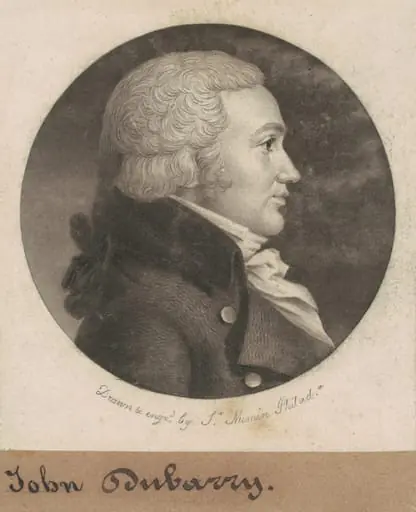
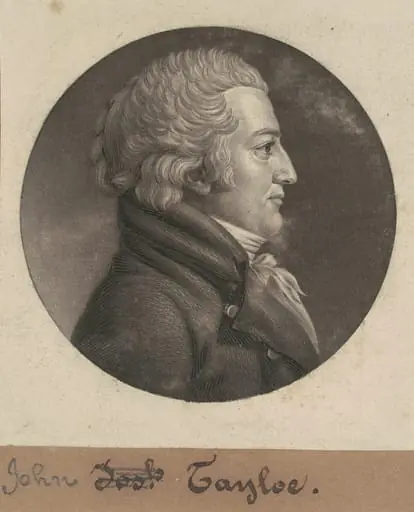
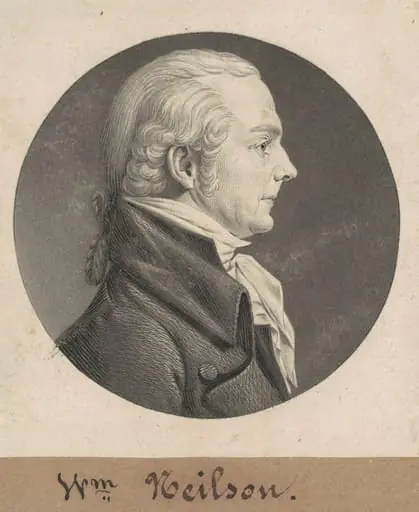
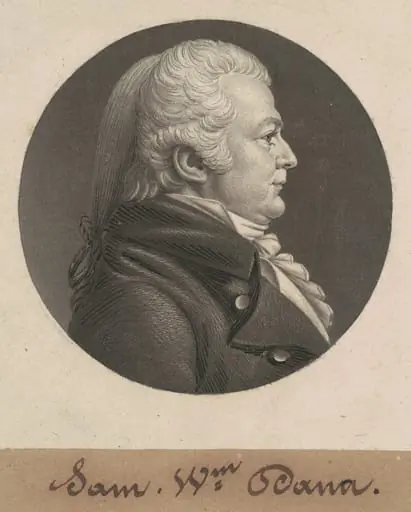
Artwork
Benjamin Smith Barton
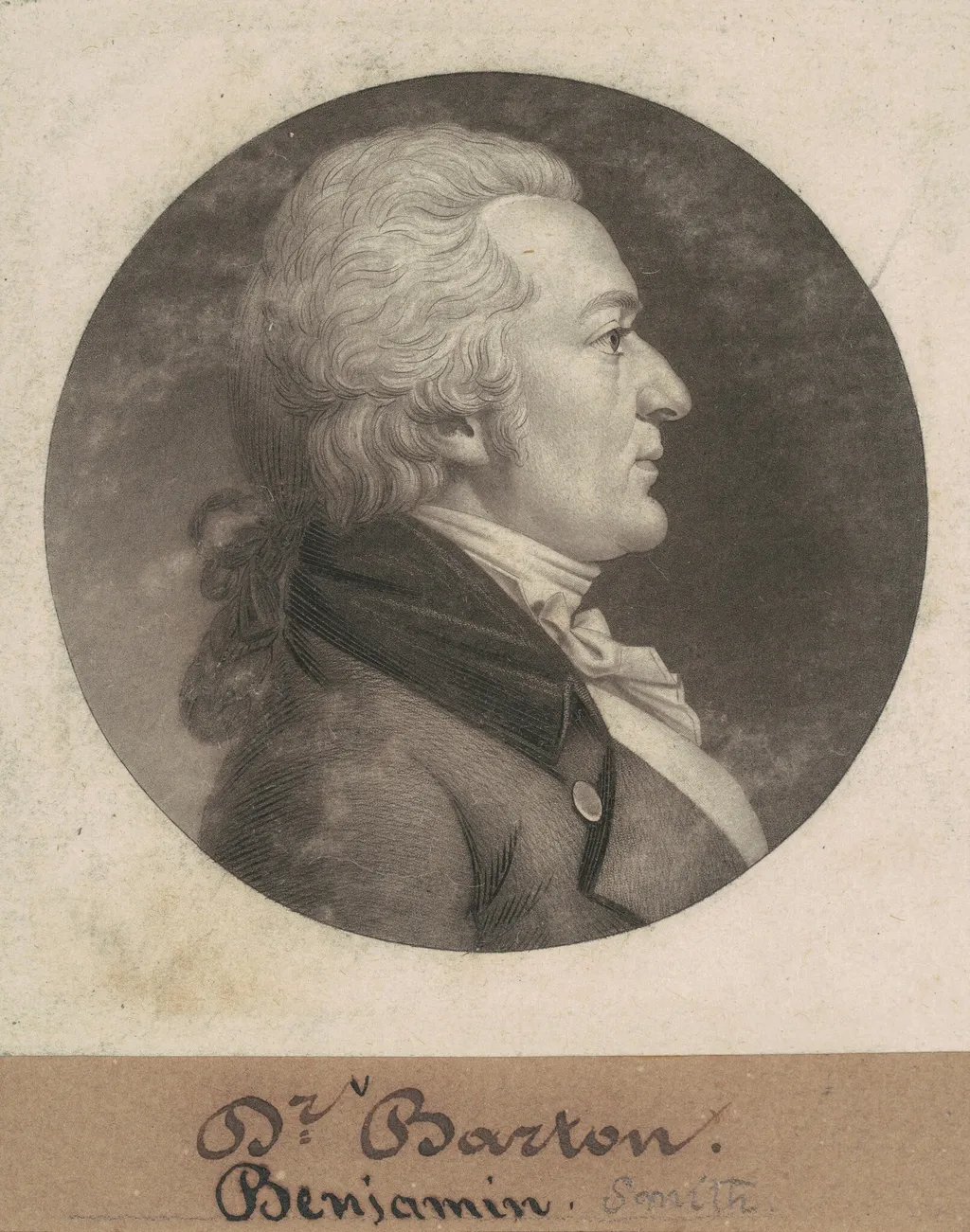
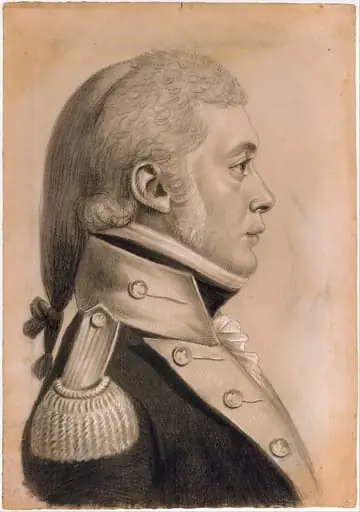
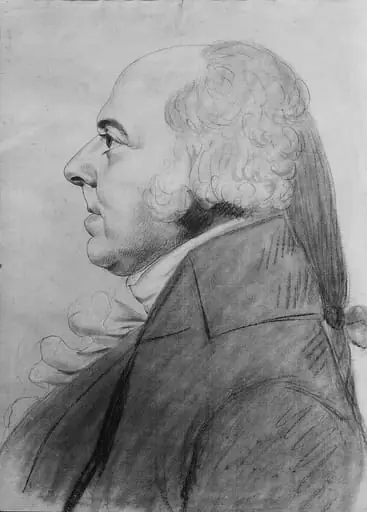
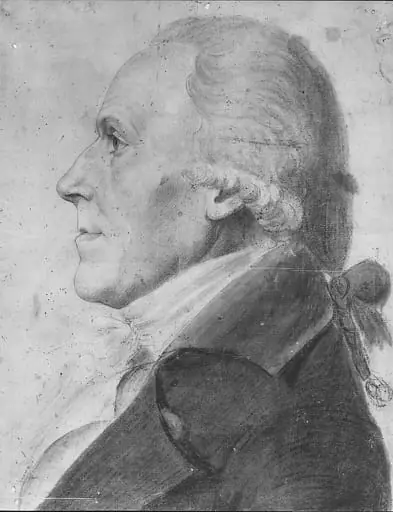
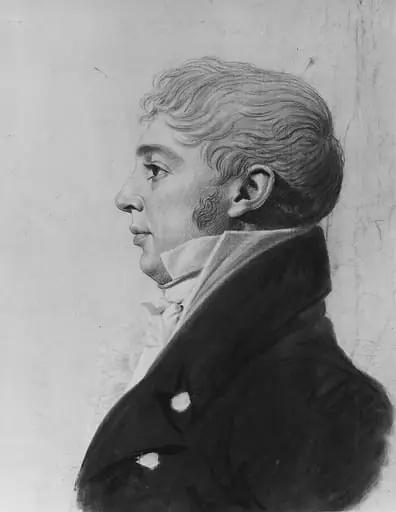
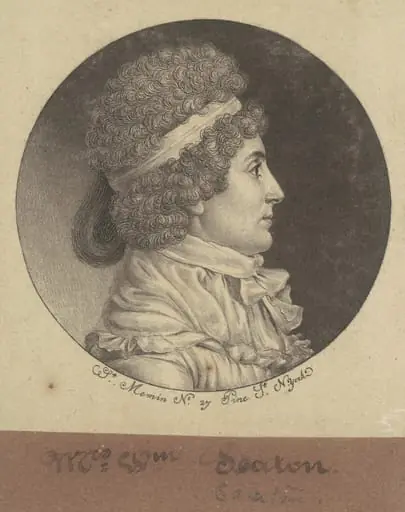
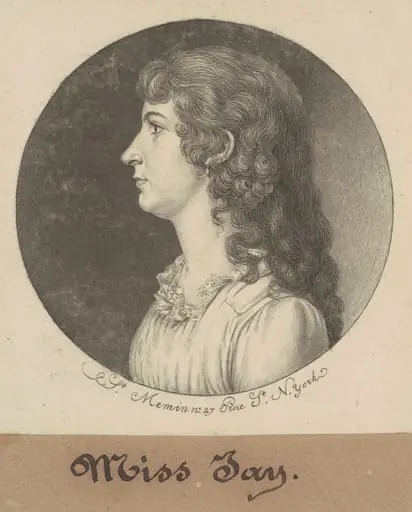
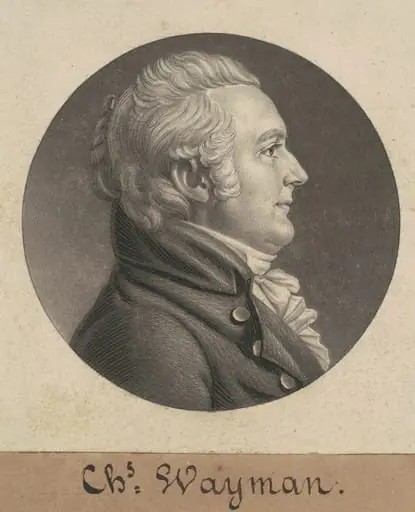
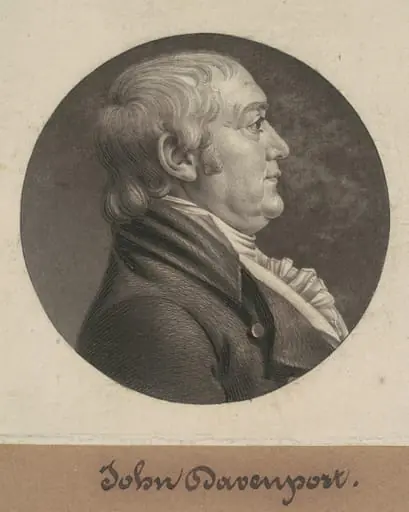
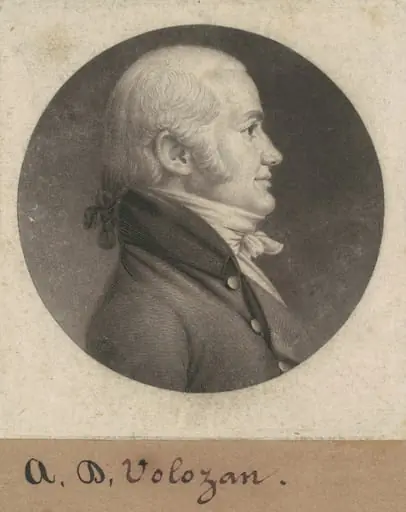
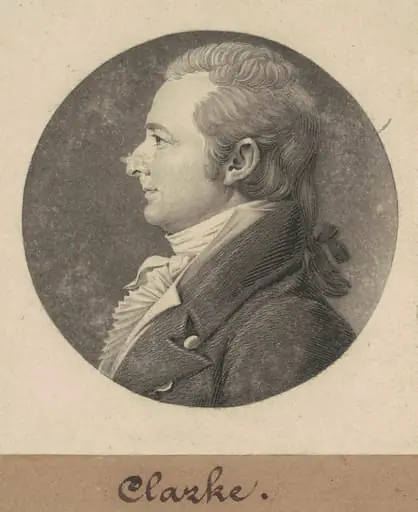
Benjamin Smith Barton is an ink print by the Romanticist artist Charles Balthazar Julien Févret de Saint-Mémin. It dates from 1802 and is held in the collection of the National Gallery of Art.
About this work
Overview
This early‑19th‑century print depicts Benjamin Smith Barton, a noted American physician and historian, in a formal 18th‑century coat and cravat. The figure is rendered with a neutral expression and set against a muted, oval‑shaped background that emphasizes the sitter without decorative distraction. The work is part of the National Portrait Gallery’s collection of American portraiture.
Subject & Meaning
Benjamin Smith Barton (1766–1812) is presented as a dignified scholar, his attire and composed demeanor reflecting his status in the early Republic. The lack of overt symbolism directs attention to his personal identity and professional reputation, typical of portraiture intended to record prominent individuals for posterity.
Technique & Style
The image was produced by a combination of mezzotint and engraving, executed in black ink on wove paper that has been mounted onto a brown‑toned sheet. Mezzotint provides subtle tonal gradations, while the engraved lines sharpen details in the face and clothing, illustrating the artist’s command of both intaglio processes.
History & Provenance
Created in the early 1800s, the print is attributed to Charles B. J. Févret de Saint‑Mémin, a French‑born engraver active in the United States. It entered the National Portrait Gallery’s holdings as part of its effort to document early American figures, and remains catalogued as a representative example of transatlantic portrait printmaking.
Context
During the post‑Revolutionary period, portrait prints served as a means of disseminating images of leading citizens across a young nation. The use of mezzotint, a technique prized for its rich tonal range, aligned with contemporary tastes for realistic yet refined likenesses, situating this work within broader trends of American visual culture.
Artist & collection

Artist
Charles Balthazar Julien Févret de Saint-Mémin
Charles Balthazar Julien Févret de Saint-Mémin (French pronunciation: ; 1770–1852) was a French portrait painter and museum director.