Artwork
Benjamin West
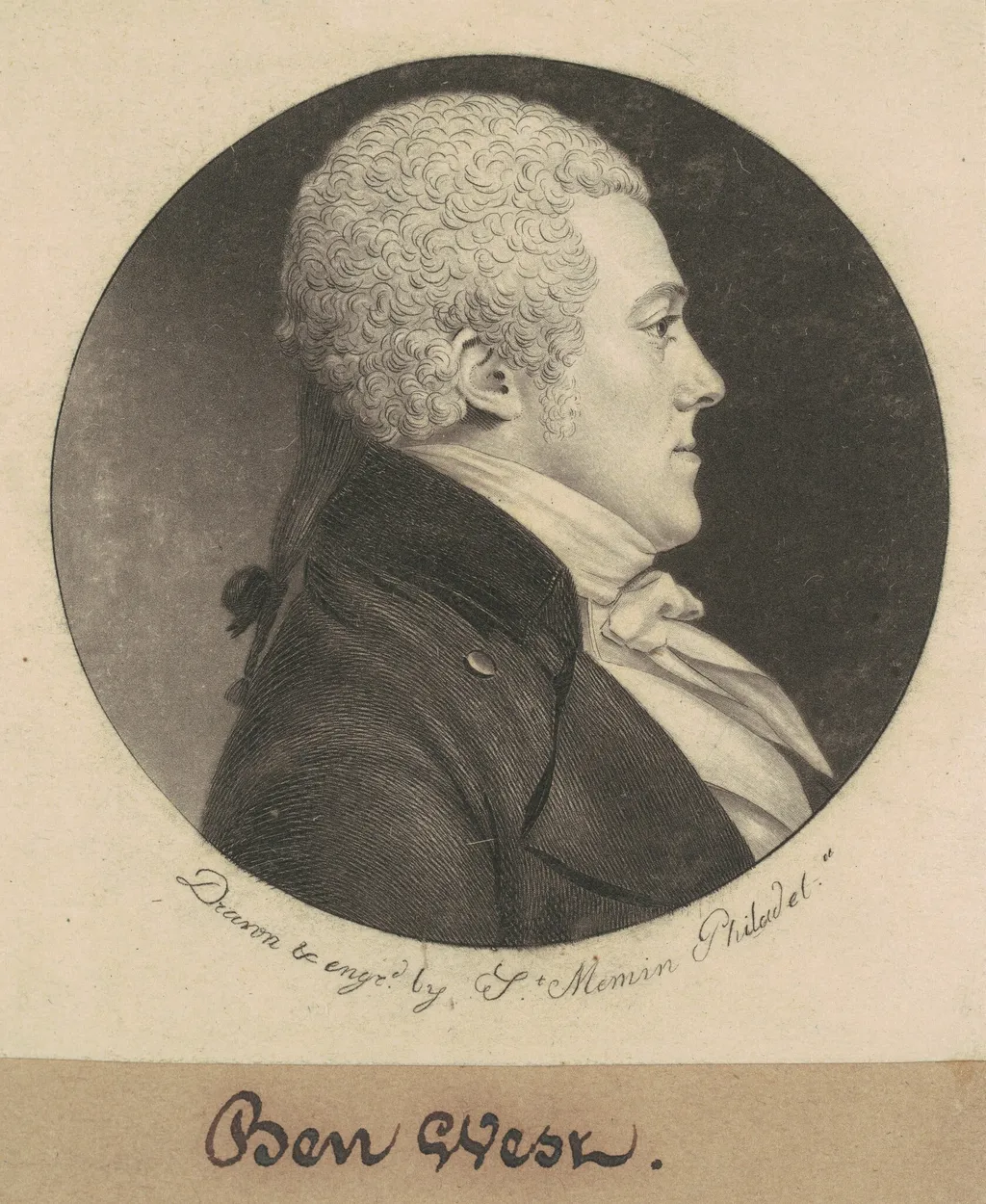
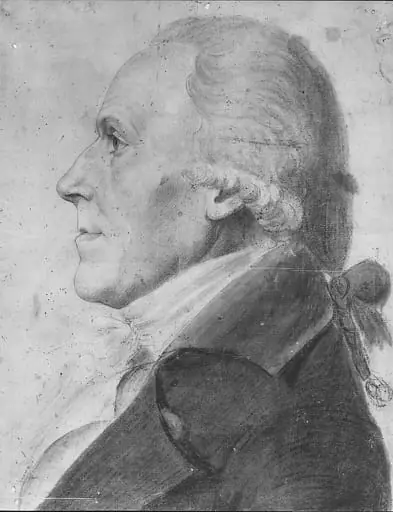
Benjamin West is an ink print by the Romanticist artist Charles Balthazar Julien Févret de Saint-Mémin. It dates from 1798 and is held in the collection of the National Gallery of Art. This 1798 print by Charles B.
About this work
The artist used a technique called mezzotint, where he carved shadows into metal plates for soft, rich tones.
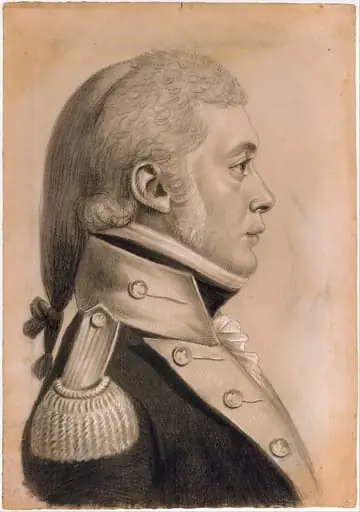
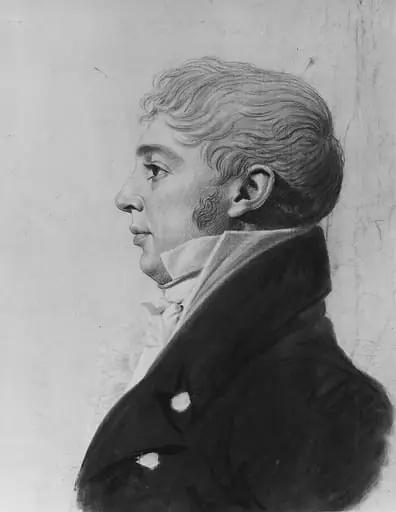
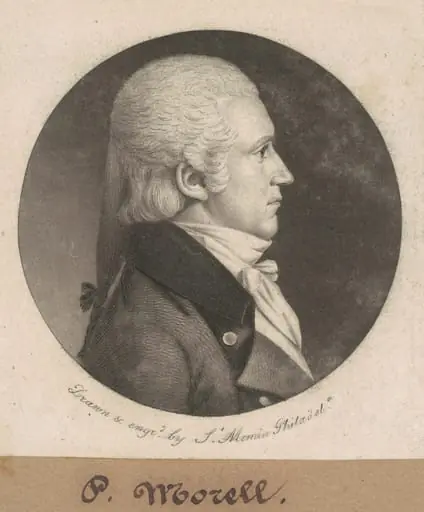
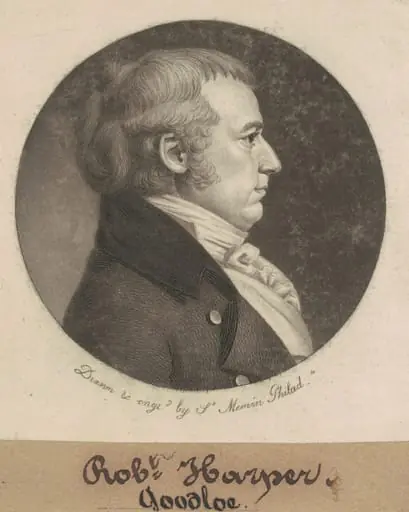
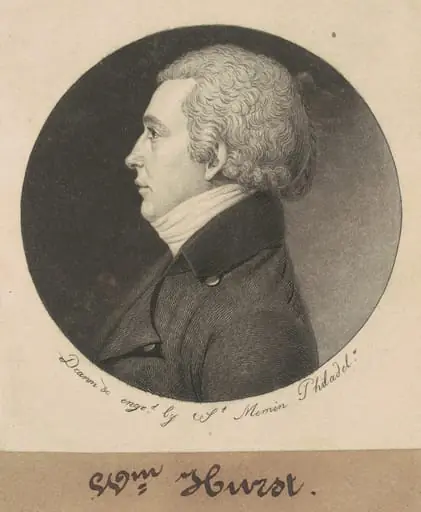
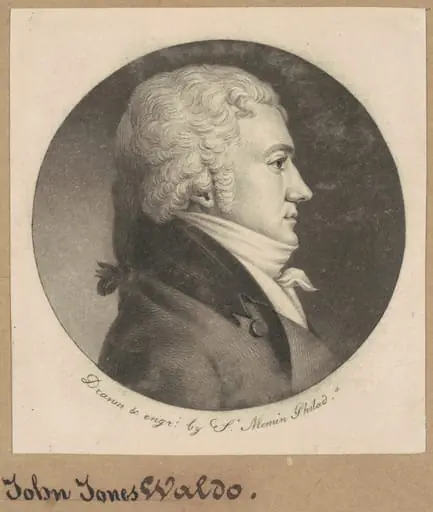
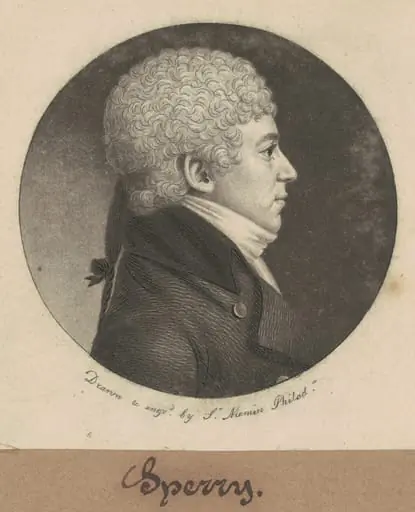
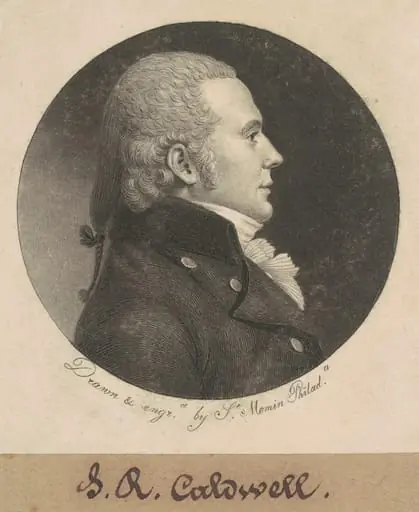
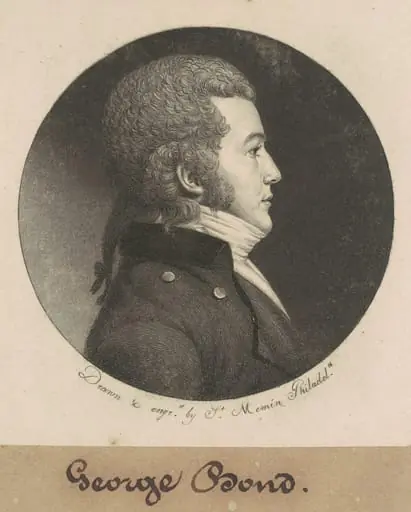
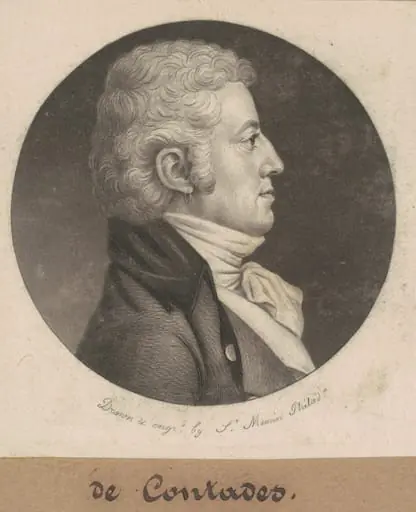
This small print shows a man in a dark coat with white collar points. His face is smooth, almost like marble. The background is plain white—no fancy details.
This is a print made in 1798. It copies a painting by Benjamin West. The artist used a technique called mezzotint, where he carved shadows into metal plates for soft, rich tones.
Look up Saint-Mémin, Charles B. J. Févret de for his other portraits.
Overview
This 1798 print by Charles B. J. Févret de Saint-Mémin depicts the American painter Benjamin West in profile. Executed in mezzotint and engraving on wove paper, the small portrait measures just over five centimeters square. Mounted on brown paper, it was produced as part of a series of engraved portraits and derives from a painted original by West himself.
Subject & Meaning
Benjamin West, a prominent historical painter and president of the Royal Academy, is portrayed with quiet dignity. His dark coat and crisp white collar emphasize formality, while the smooth, sculpted rendering of his face suggests idealized composure. The absence of background detail focuses attention on his presence, reflecting the portrait’s function as a dignified likeness rather than a narrative scene.
Technique & Style
Saint-Mémin employed mezzotint to achieve subtle gradations of tone, using a rocker to texture the metal plate and then scraping away areas to create highlights. Combined with fine engraving lines, this method rendered the portrait’s soft shadows and smooth skin with remarkable delicacy. The restrained style aligns with late 18th-century portraiture conventions, prioritizing clarity and refinement over dramatic effect.
History & Provenance
The print was produced in 1798 as part of Saint-Mémin’s series of American and European figures. It entered the Corcoran Collection in Washington, D.C., and remains part of its holdings following the collection’s transfer to the National Gallery of Art. Its small scale suggests it was intended for private circulation or as a collectible likeness rather than public display.
Context
Saint-Mémin, a French émigré artist, specialized in portrait engravings during his time in the United States. His practice often involved translating painted portraits into small, reproducible prints for a growing middle-class audience. This work reflects the era’s interest in documenting cultural figures through accessible media, bridging fine art and print culture.
Legacy
As one of many portraits Saint-Mémin produced of notable figures, this print contributes to a broader visual archive of late 18th-century intellectual and artistic life. While not widely exhibited, it remains a precise example of mezzotint technique and a tangible link between West’s painted legacy and the dissemination of his image through print.
Artist & collection

Artist
Charles Balthazar Julien Févret de Saint-Mémin
Charles Balthazar Julien Févret de Saint-Mémin (French pronunciation: ; 1770–1852) was a French portrait painter and museum director.