Artwork
de Contades
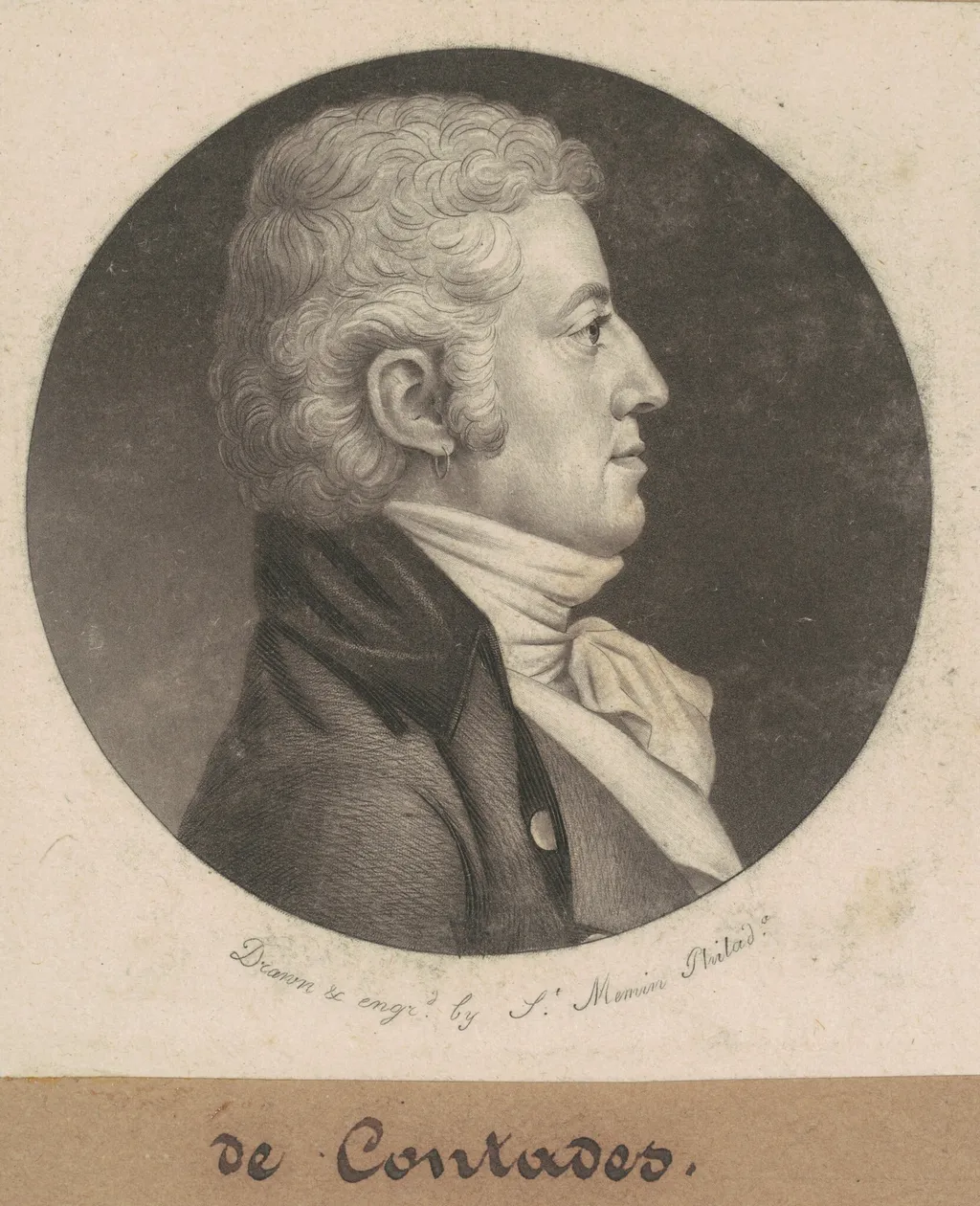
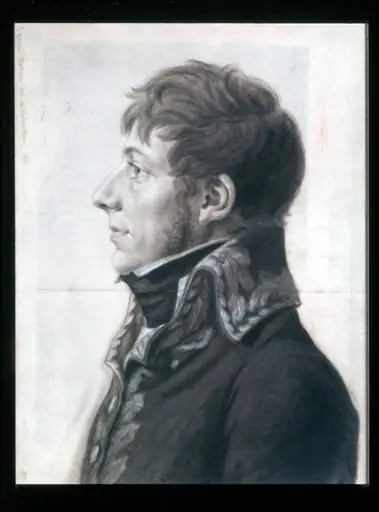
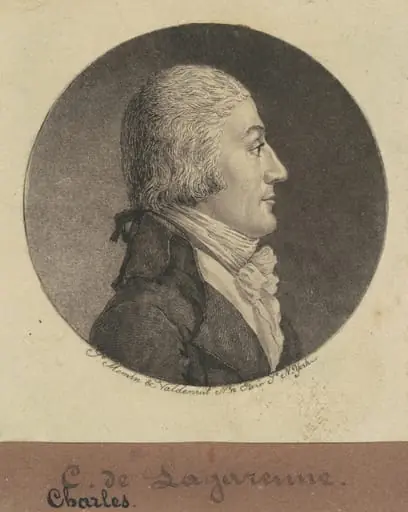
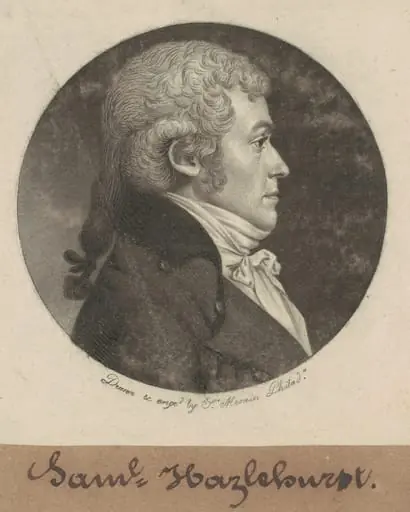
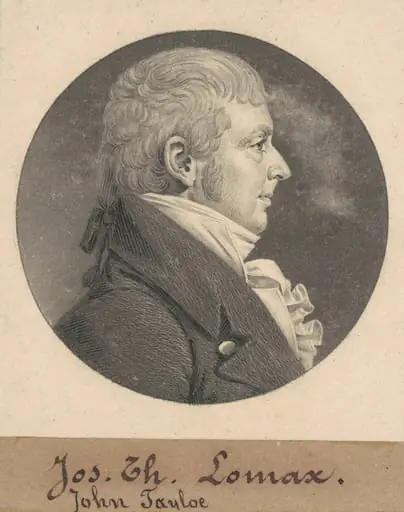
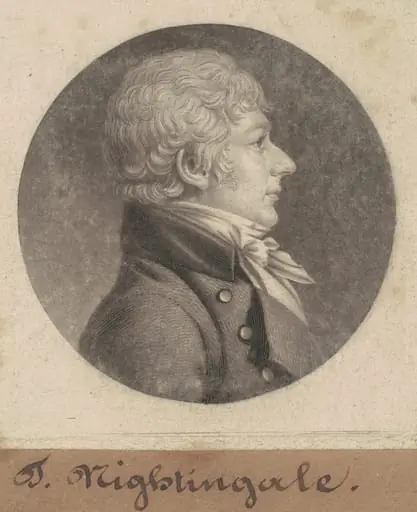
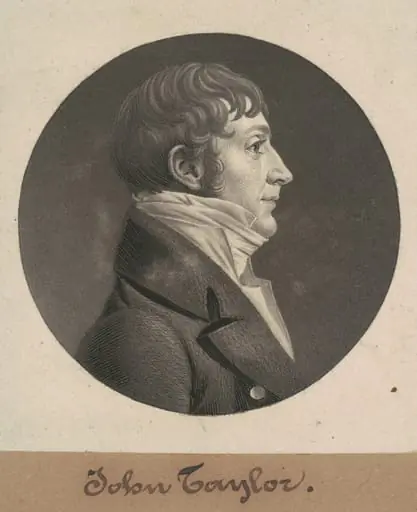
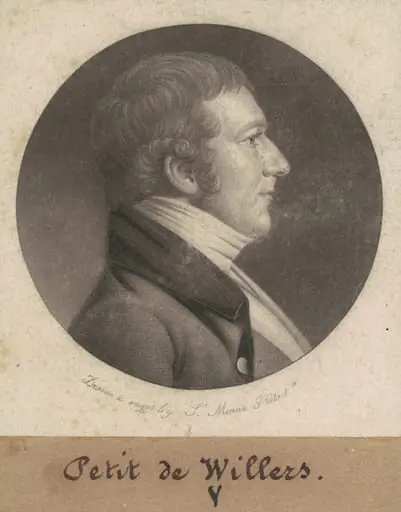
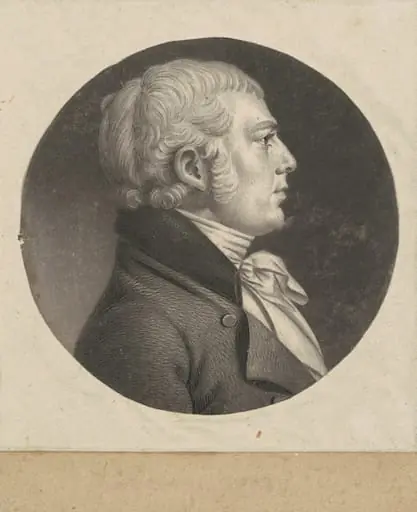
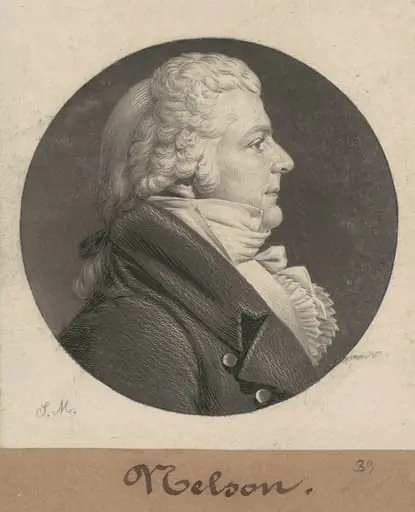
de Contades is an ink print by the Romanticist artist Charles Balthazar Julien Févret de Saint-Mémin. It dates from 1801 and is held in the collection of the National Gallery of Art. Created in 1801 by Charles B.
About this work
This painting shows a portrait of de Contades.
It's made using mezzotint and engraving techniques. The artist, Charles B. J. Févret de Saint-Mémin, created this work in 1801.
The detail in this portrait is interesting because it was part of the Corcoran Collection.
You can learn more about the artist's style by looking at the work of Saint-Mémin, Charles B. J. Févret de.
Overview
Created in 1801 by Charles B. J. Févret de Saint-Mémin, this print depicts the French nobleman de Contades. Executed in mezzotint and engraving on wove paper, it was later mounted on brown wove paper. The work belongs to the Corcoran Collection, now held by the National Gallery of Art. Its irregular dimensions reflect the handmade nature of early 19th-century print production.
Subject & Meaning
The portrait captures de Contades, a French aristocrat and military officer, in formal attire. Saint-Mémin rendered him with restrained dignity, typical of portraiture for European elites of the period. The image serves as a record of social status rather than a narrative scene, emphasizing lineage and composure over emotional expression.
Technique & Style
The work’s monochrome palette and meticulous rendering reflect his training in France and adaptation to American artistic demands after his emigration.
Saint-Mémin employed mezzotint to achieve subtle tonal gradations in the sitter’s face and clothing, while fine engraving defined sharp details like lace and hair. The combination allowed for both soft shadows and crisp lines, characteristic of his portraiture. The work’s monochrome palette and meticulous rendering reflect his training in France and adaptation to American artistic demands after his emigration.
History & Provenance
The print was produced during Saint-Mémin’s time in the United States, where he made portraits of prominent figures. It entered the Corcoran Collection in the 19th century and was transferred to the National Gallery of Art following the Corcoran’s dissolution. Its preservation in institutional hands underscores its role as a historical document rather than a commercial product.
Context
In early 1800s America, mezzotint portraiture was a favored medium for documenting the elite, especially among French émigrés and their American patrons. Saint-Mémin’s practice bridged European techniques with New World clientele, creating a distinct genre of civic portraiture. This work reflects the transatlantic cultural exchanges shaping American visual culture after the Revolution.
Legacy
Saint-Mémin’s portraits, including this one, remain key examples of early American printmaking. His method influenced later artists working in mezzotint and helped establish portraiture as a respected print genre in the U.S. The work’s survival in a major national collection affirms its value as a material artifact of early republican-era identity and representation.
Artist & collection

Artist
Charles Balthazar Julien Févret de Saint-Mémin
Charles Balthazar Julien Févret de Saint-Mémin (French pronunciation: ; 1770–1852) was a French portrait painter and museum director.