Artwork
Jonathan Harvey Hurst
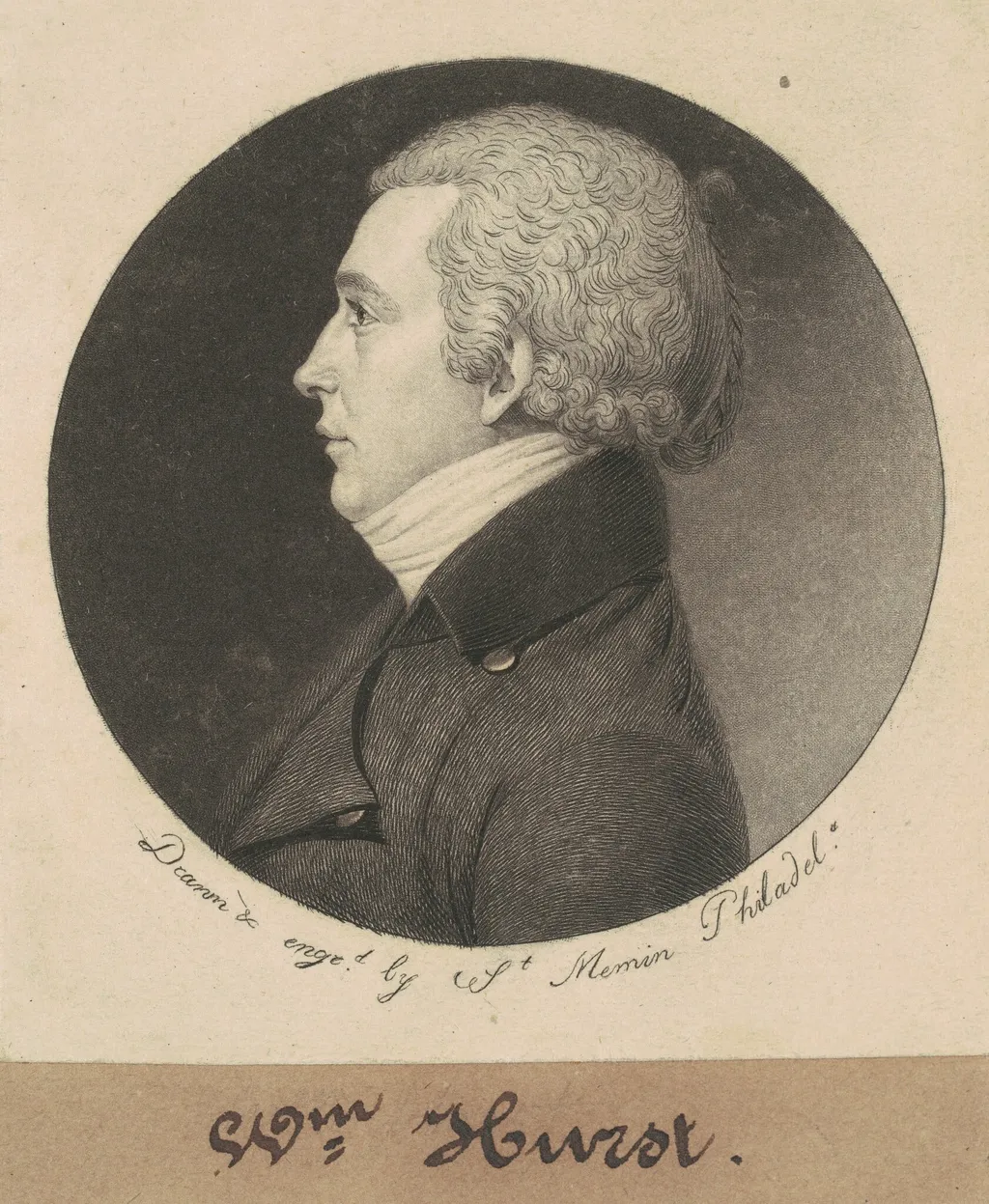
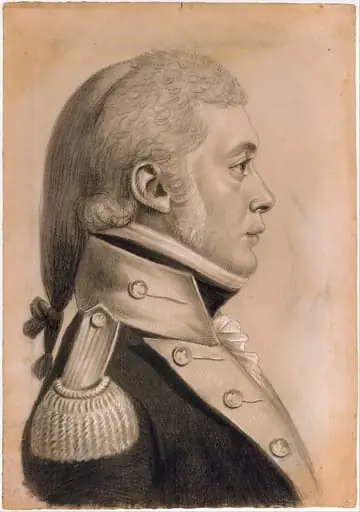
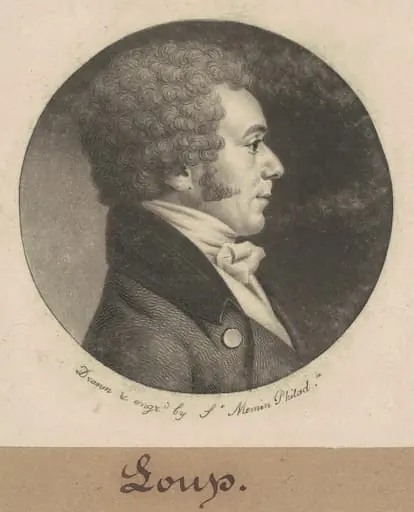
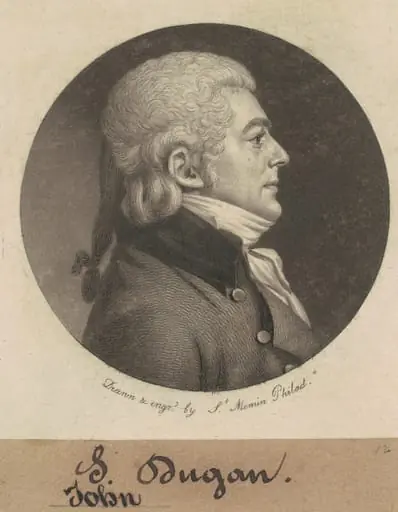
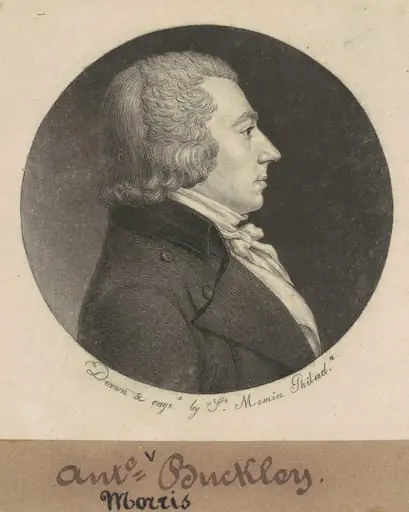
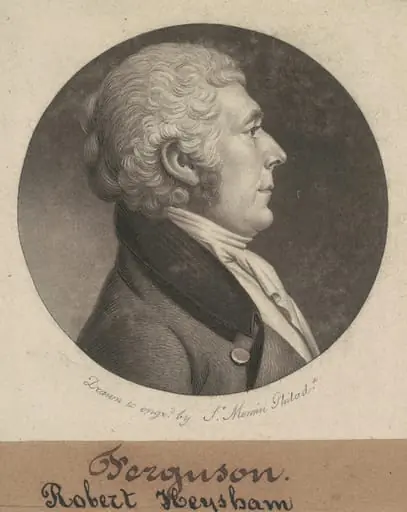
Jonathan Harvey Hurst is an ink print by the Romanticist artist Charles Balthazar Julien Févret de Saint-Mémin. It dates from 1798 and is held in the collection of the National Gallery of Art. Created in 1798, this small print measures just over five and a half centimeters on each side.
About this work
Overview
Created in 1798, this small print measures just over five and a half centimeters on each side. Executed in mezzotint and engraving on wove paper that has been mounted to a brown backing, the work is catalogued in the Corcoran Collection. Its compact dimensions suggest it was intended for personal ownership rather than public display.
Subject & Meaning
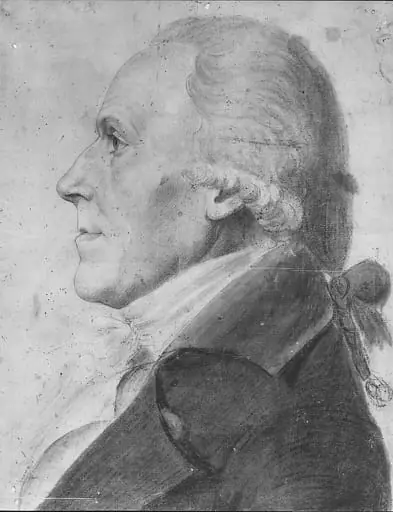
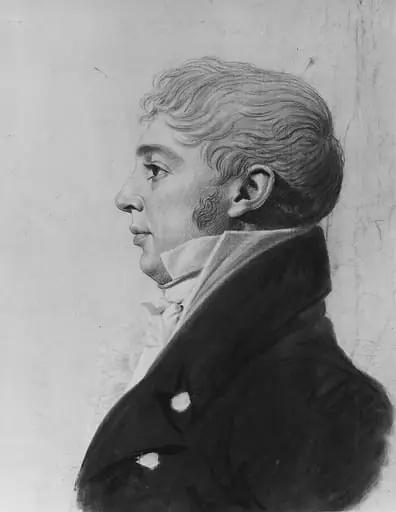
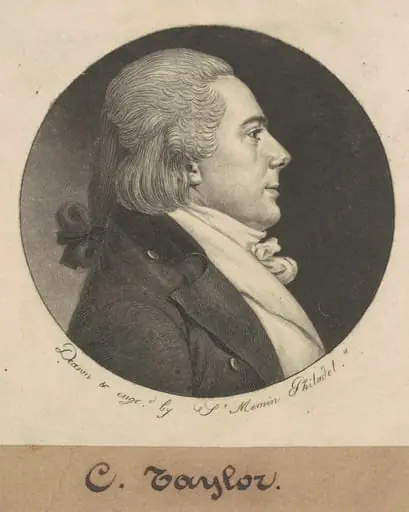
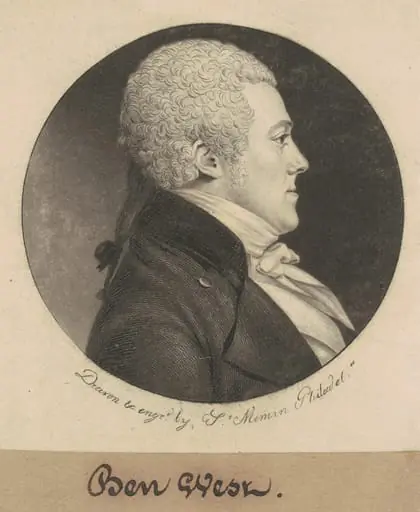
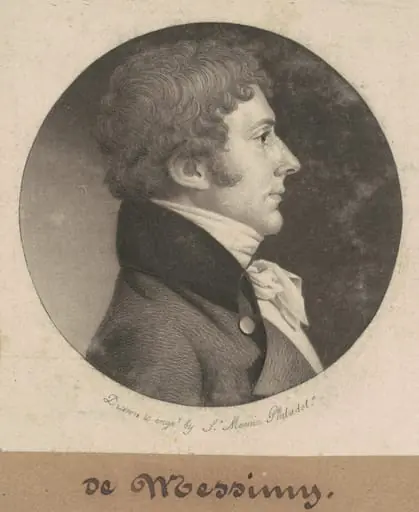
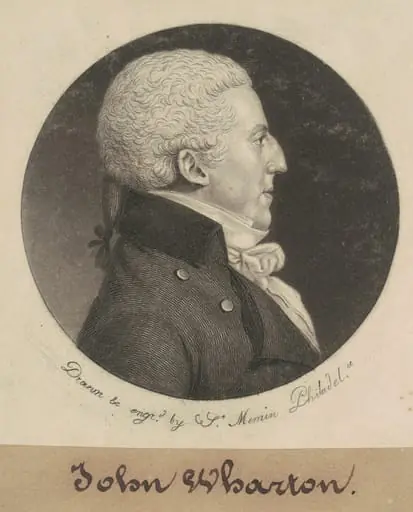
The image presents a solitary male figure turned toward the left, dressed in a dark coat with a sharply defined collar that catches the light. The portrait’s focus on attire and posture reflects the early American emphasis on personal dignity and social standing, conveying a quiet confidence typical of the period’s private portraiture.
Technique & Style
The artist combined the tonal richness of mezzotint with the linear precision of engraving, producing a monochrome rendering that balances deep shadows with fine detail. This hybrid approach yields a texture reminiscent of painted portraiture, echoing the bold brushwork of contemporaneous painters while remaining within the graphic medium.
History & Provenance
Attributed to Charles B. J. Févret de Saint‑Mémin, a French‑born engraver active in the United States, the print entered the Corcoran Collection, a major repository of American art. Its survival in a museum setting underscores its value as a representative example of early American printmaking.
Context
During the late eighteenth century, American patrons often sought European‑style portraiture to signal refinement. Saint‑Mémin’s work catered to this taste, offering the polished appearance of oil paintings through the more affordable medium of print, thereby making high‑style portraiture accessible to a broader clientele.
Artist & collection

Artist
Charles Balthazar Julien Févret de Saint-Mémin
Charles Balthazar Julien Févret de Saint-Mémin (French pronunciation: ; 1770–1852) was a French portrait painter and museum director.