Artwork
Caroline Lewis
Caroline Lewis is an ink print by the Romanticist artist Charles Balthazar Julien Févret de Saint-Mémin. It dates from 1808 and is held in the collection of the National Gallery of Art.
About this work
Overview
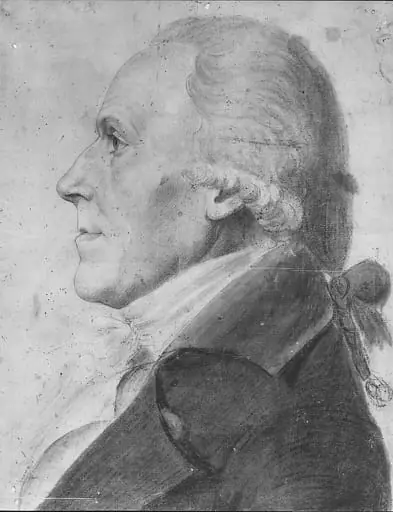
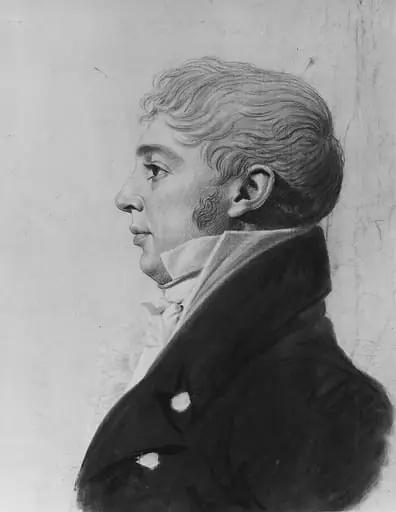
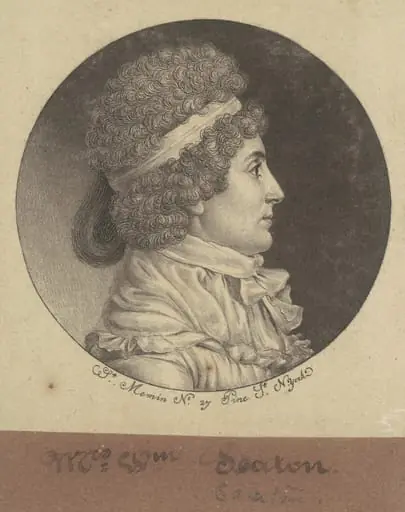
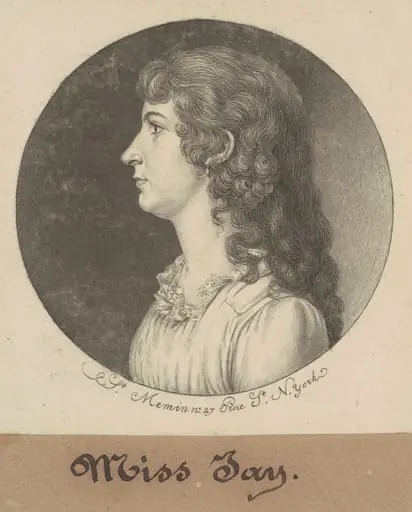
The work captures a single sitter with precision, reflecting the era’s interest in documenting individual identity through refined graphic techniques.
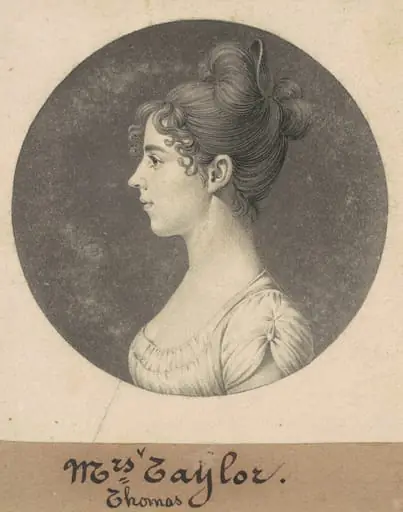
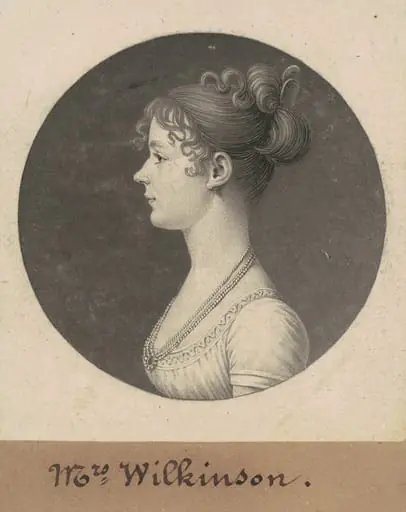
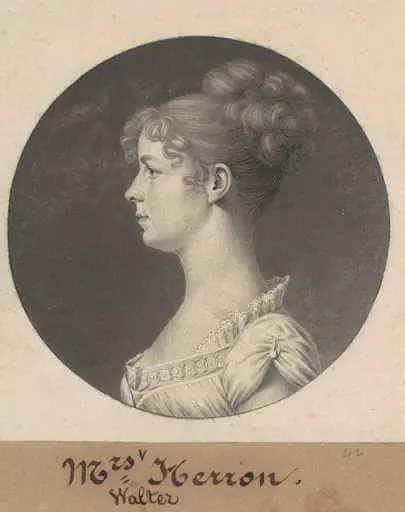
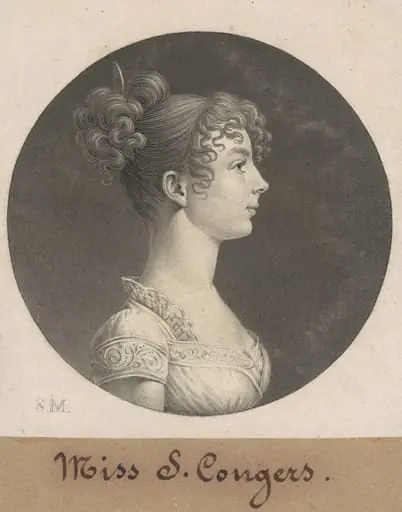
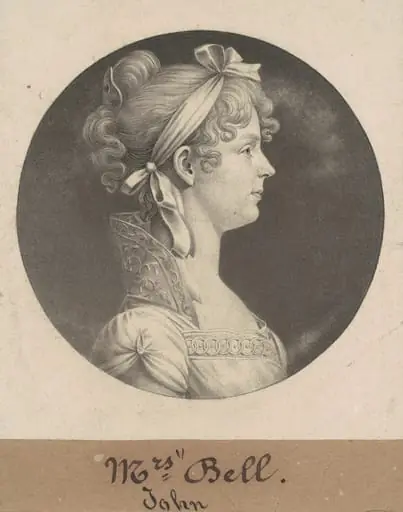
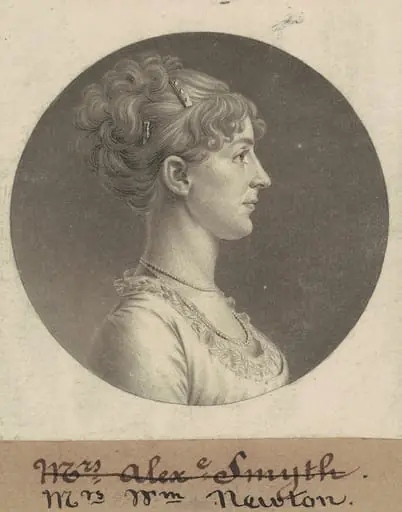
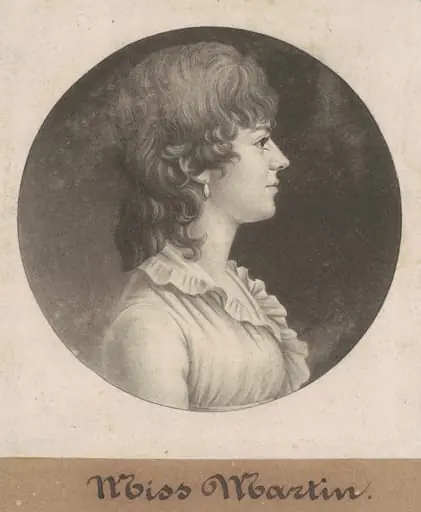
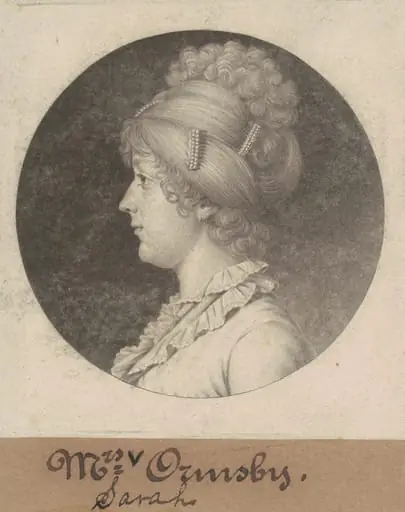
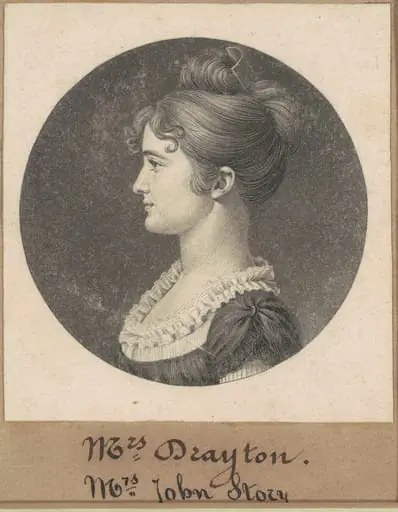
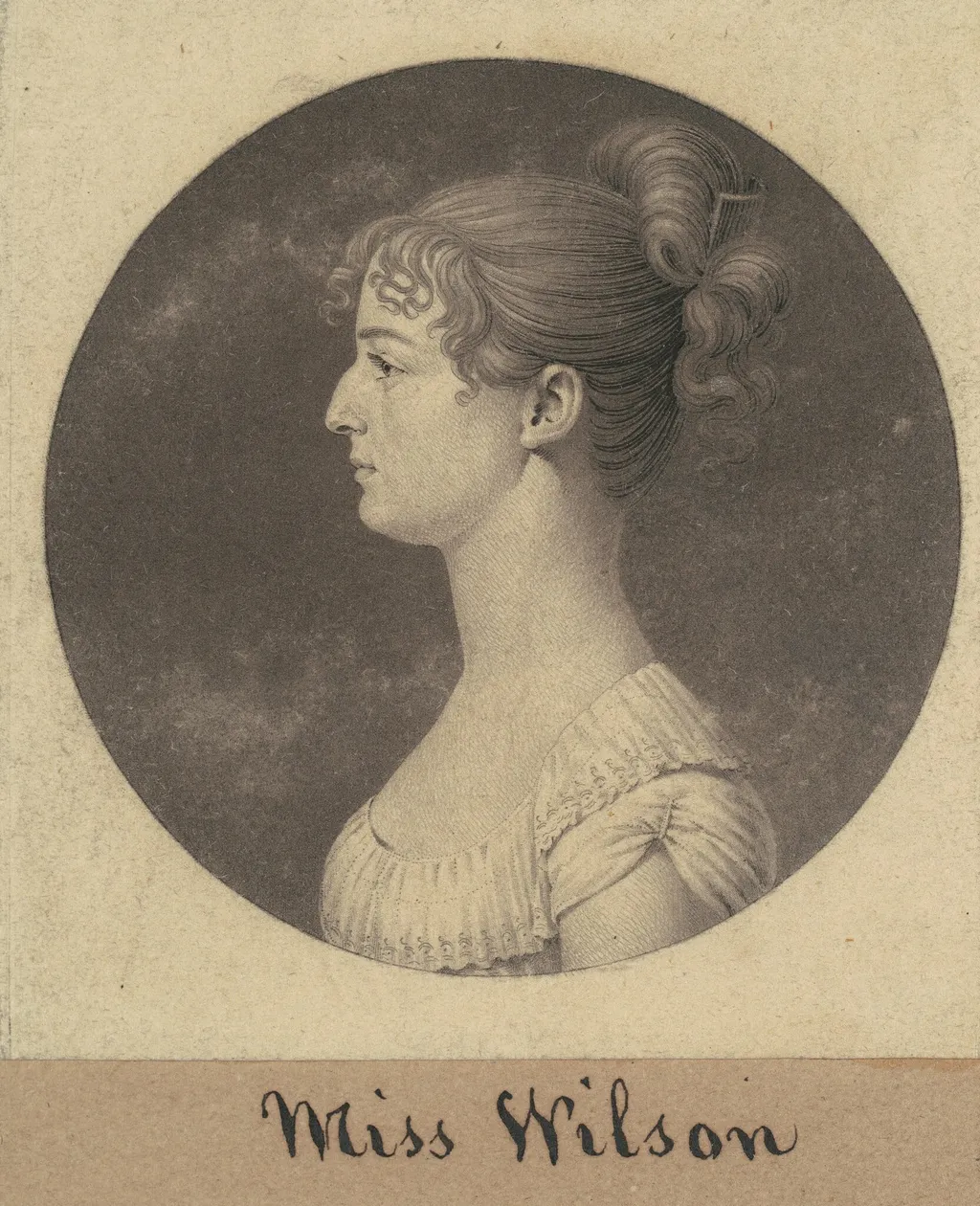
This 1803 print, titled Caroline Lewis, is a mezzotint and engraving by Charles B. J. Févret de Saint-Mémin, executed in black ink on wove paper and mounted to a brown wove support. It belongs to the Corcoran Collection and exemplifies the portrait practice common among early American artists trained in France. The work captures a single sitter with precision, reflecting the era’s interest in documenting individual identity through refined graphic techniques.
Subject & Meaning
The subject, Caroline Lewis, is portrayed in quiet repose, her posture composed and gaze directed slightly away from the viewer. Her attire—typical of early 19th-century American fashion—includes a high-waisted dress and modest headwear, suggesting middle- or upper-class status. The absence of symbolic elements or elaborate setting emphasizes personal presence over narrative, aligning with the era’s preference for dignified, unadorned portraiture.
Technique & Style
Saint-Mémin employed mezzotint and engraving to achieve subtle tonal gradations and fine linear detail. The mezzotint process, known for its velvety blacks, was combined with precise engraving to define textures in fabric and hair. The result is a restrained, almost monochromatic image that conveys volume and softness without color, reflecting the artist’s technical mastery and the aesthetic values of neoclassical portraiture.
History & Provenance
Created during Saint-Mémin’s time in the United States, the portrait was likely commissioned by the sitter’s family or an acquaintance. It entered the Corcoran Collection in the 19th century and remained part of its holdings until the collection’s dispersal. The work’s survival and preservation reflect its value as a document of early American social history and the transatlantic exchange of artistic methods.
Context
In the early 1800s, portrait prints like this one served as affordable alternatives to painted likenesses, especially among the emerging American elite. Saint-Mémin, a French émigré, became a leading practitioner of this medium in the U.S., blending European engraving traditions with local tastes. His portraits of prominent figures helped establish a visual record of the nation’s early civic and social figures.
Legacy
This print contributes to a broader corpus of early American graphic portraiture that documented individuals beyond the political elite. Its technical precision and restrained composition influenced later printmakers working in the same medium. Today, it remains a reference for understanding how identity, class, and artistic technique intersected in the formative years of the United States.
Artist & collection

Artist
Charles Balthazar Julien Févret de Saint-Mémin
Charles Balthazar Julien Févret de Saint-Mémin (French pronunciation: ; 1770–1852) was a French portrait painter and museum director.