Artwork
Jane Barr Stuart Newton
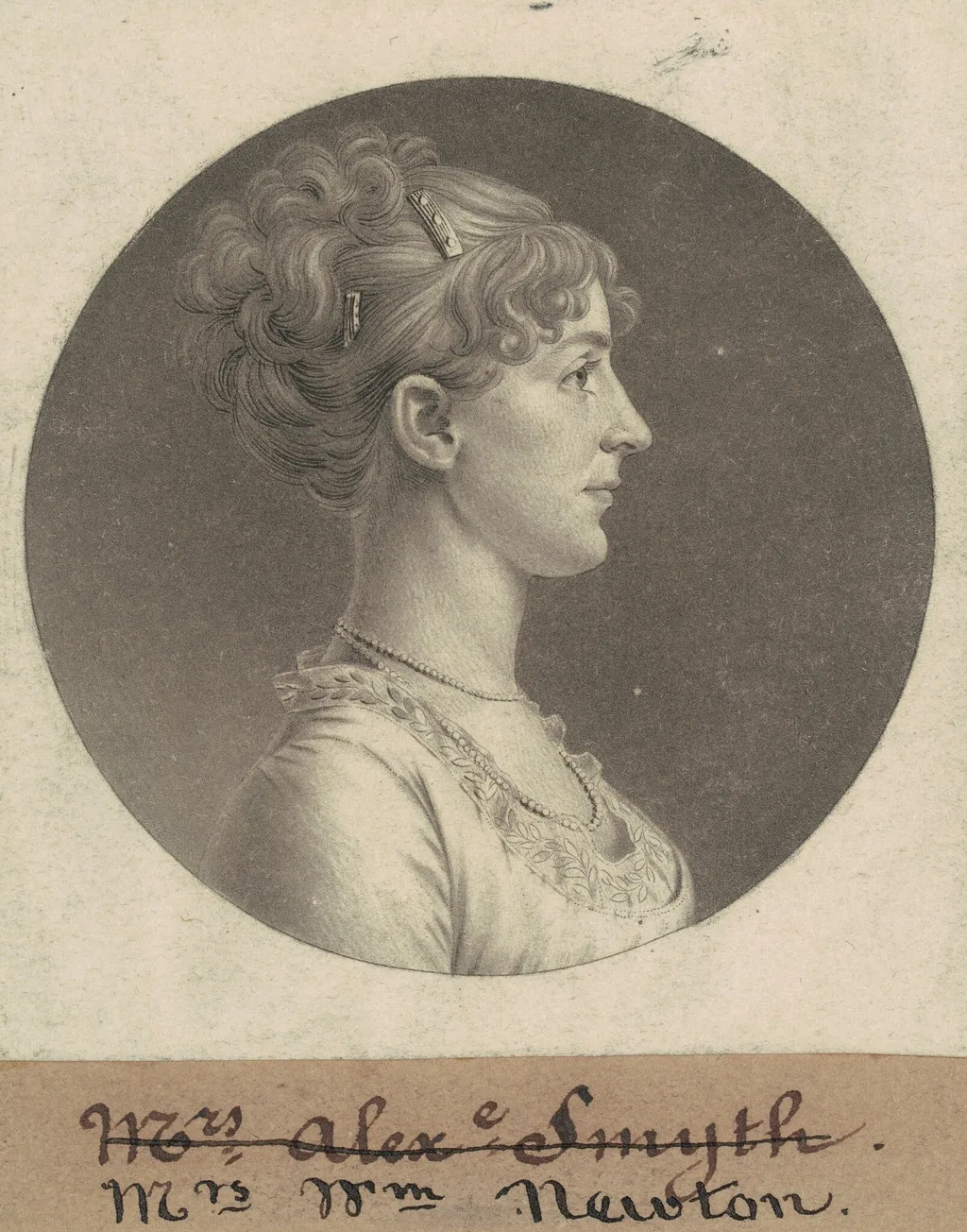
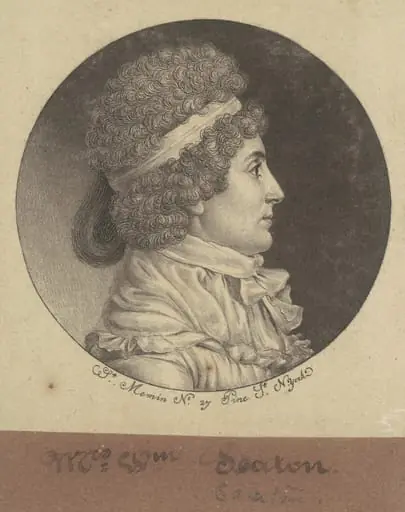
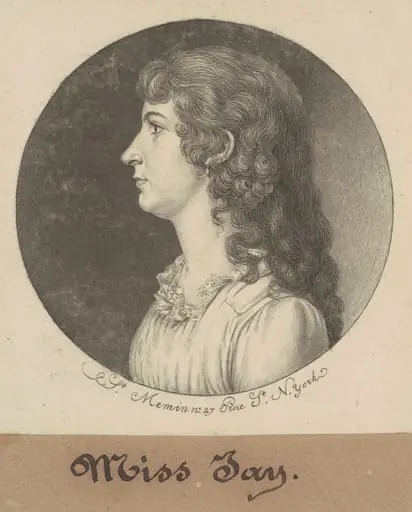
Jane Barr Stuart Newton is an ink print by the Romanticist artist Charles Balthazar Julien Févret de Saint-Mémin. It dates from 1805 and is held in the collection of the National Gallery of Art.
About this work
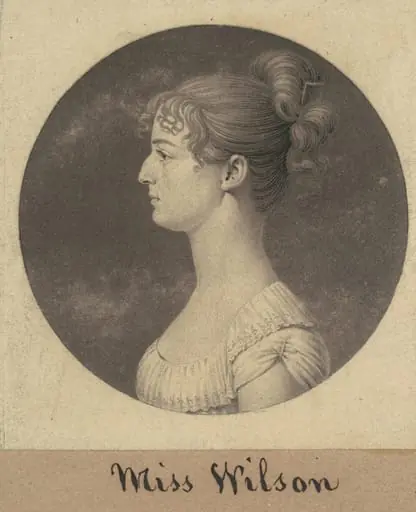
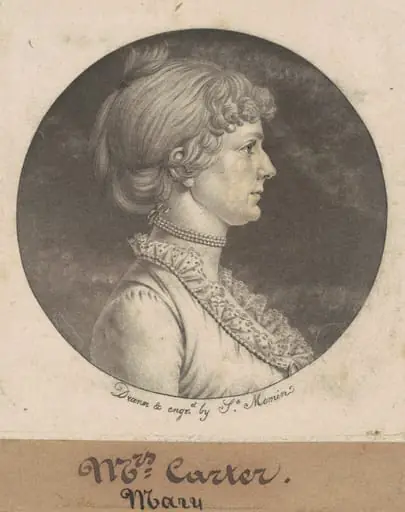
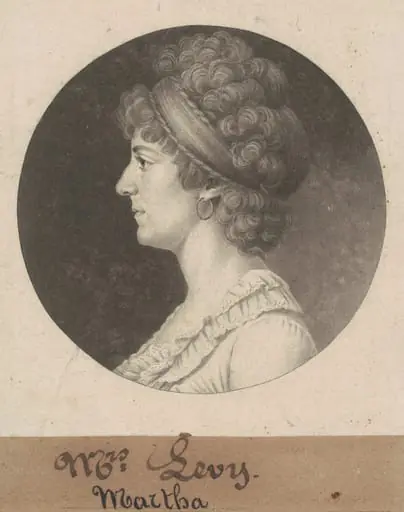
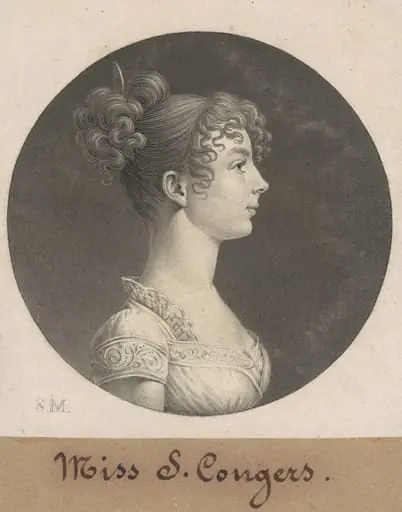
You see a woman in a simple dark dress with a white collar. Her hair is pulled back in loose waves. The artist used fine lines to show her face and clothes.
This print is from 1805. It’s not a painting—it’s an engraving and mezzotint made on paper. The artist worked the metal plate to create soft shadows on her skin and collar.
Look up Saint-Mémin, Charles B. J. Févret de for his other portraits.
Overview
Jane Barr Stuart Newton is a portrait print created in 1805 by French artist Charles Balthazar Julien Févret de Saint‑Mémin. Executed as a combination of mezzotint and engraving, the image appears on wove paper that has been mounted to a brown‑toned backing. The work is held in the Corcoran Collection and exemplifies early‑19th‑century printmaking practices.
Subject & Meaning
The composition depicts a seated woman dressed in a plain dark gown with a contrasting white collar. Her hair is arranged in loose, pulled‑back waves, and the expression is rendered with delicate line work. The restrained attire and modest pose suggest a private, domestic portrait rather than a formal or allegorical representation.
Technique & Style
The juxtaposition of these methods yields a nuanced, almost painterly surface within the constraints of print media.
Saint‑Mémin employed both mezzotint and engraving on a single metal plate, allowing for a range of tonal effects. The mezzotint process creates soft, velvety shadows that model the sitter’s skin and fabric, while fine engraved lines define facial features and the texture of the clothing. The juxtaposition of these methods yields a nuanced, almost painterly surface within the constraints of print media.
History & Provenance
Produced in the early years of the 19th century, the print entered the Corcoran Collection, a major American art institution. Its attribution to Saint‑Mémin aligns with his known oeuvre of portraiture, which includes numerous likenesses rendered in similar mixed techniques. The work remains a documented example of his transatlantic activity during the post‑Revolutionary period.
Artist & collection

Artist
Charles Balthazar Julien Févret de Saint-Mémin
Charles Balthazar Julien Févret de Saint-Mémin (French pronunciation: ; 1770–1852) was a French portrait painter and museum director.