Artwork
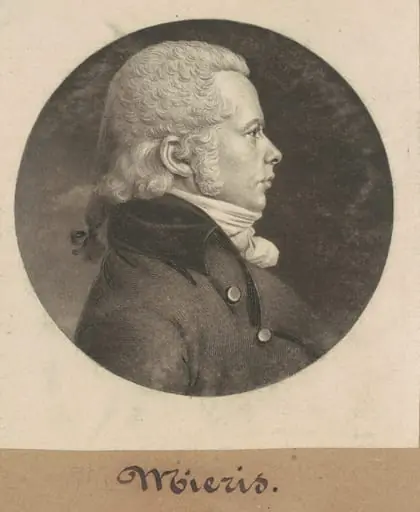
Champneis
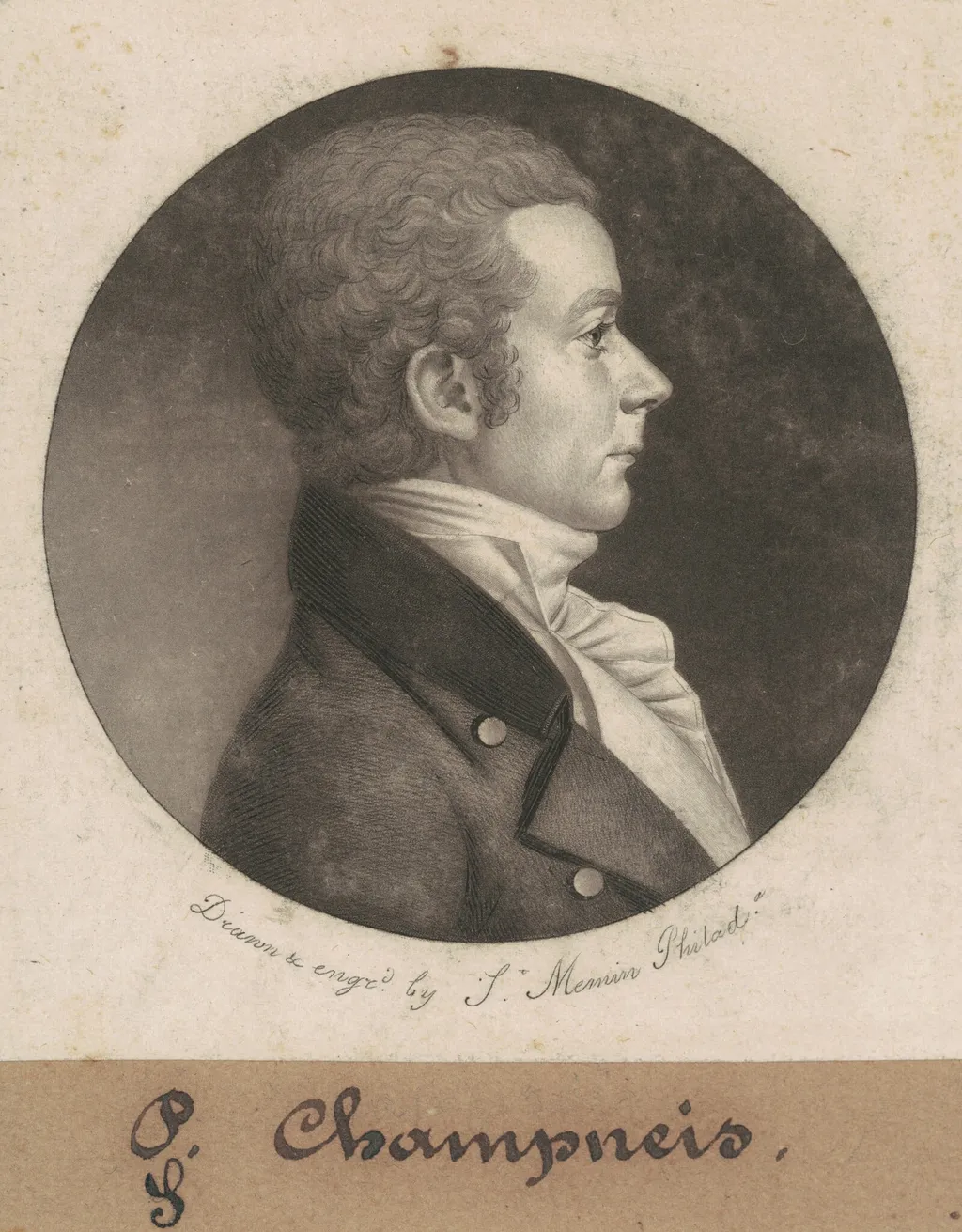
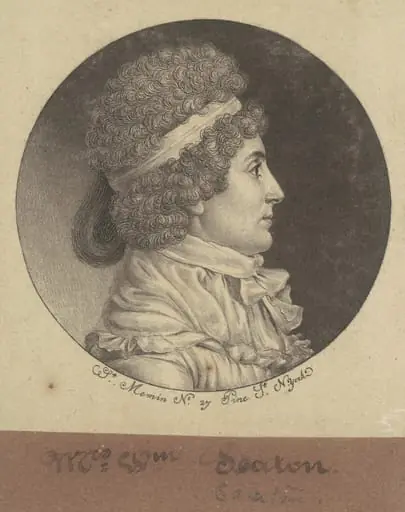
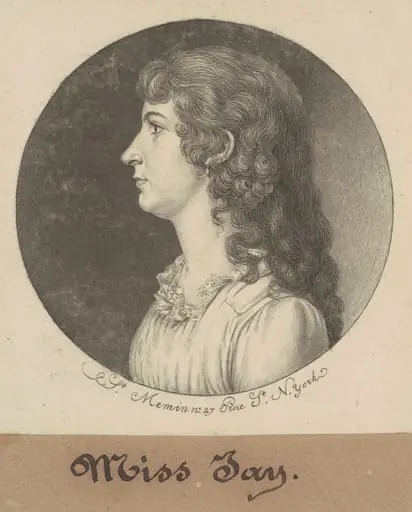
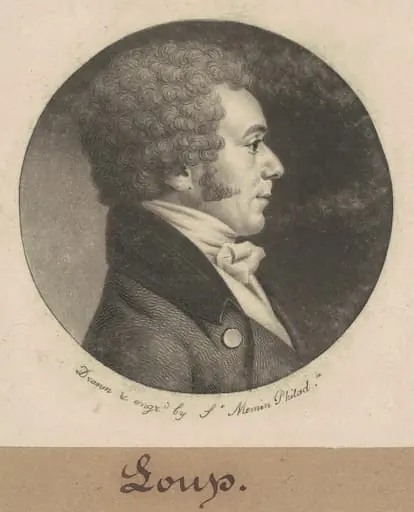
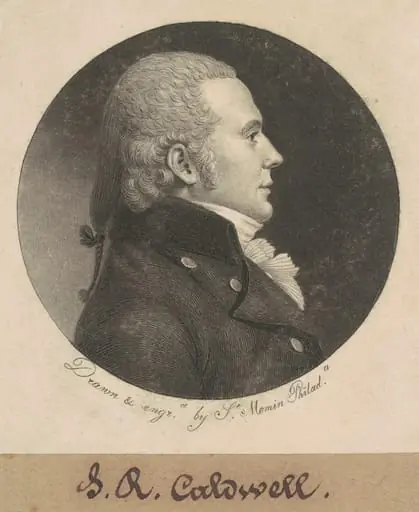
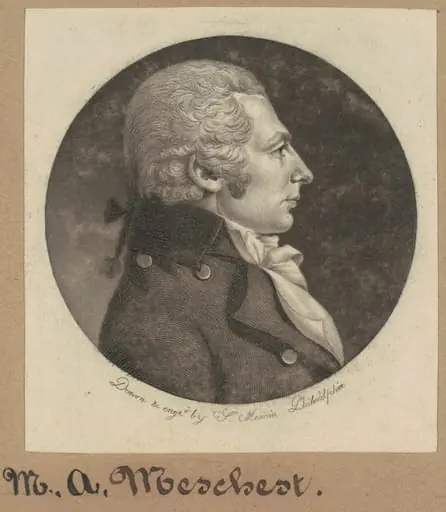
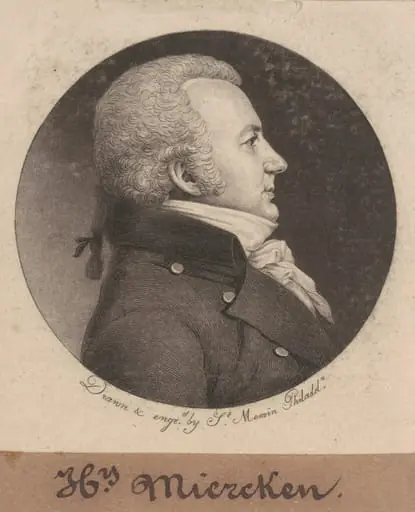
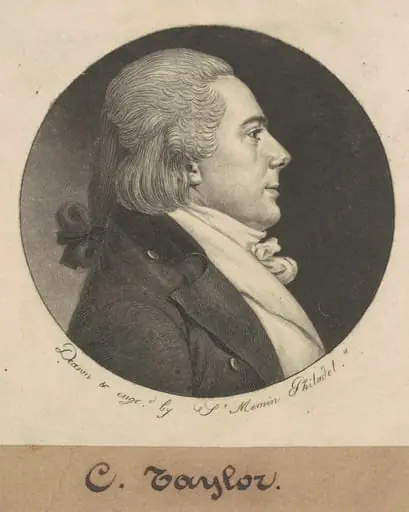
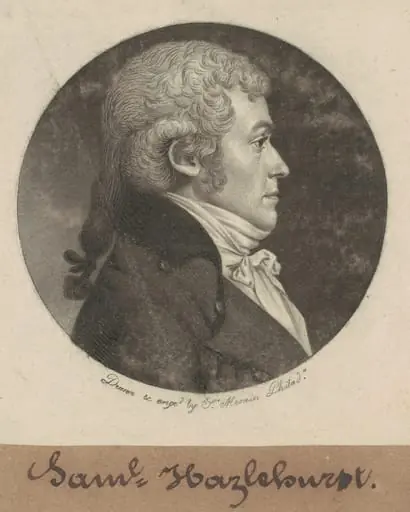
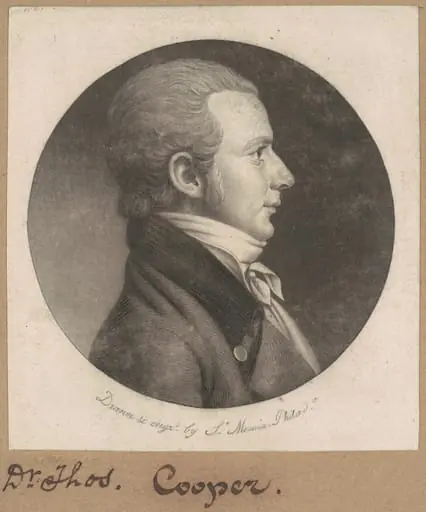
Champneis is an ink print by the Romanticist artist Charles Balthazar Julien Févret de Saint-Mémin. It dates from 1802 and is held in the collection of the National Gallery of Art. Created in 1802, this small black-and-white print measures 5.
About this work
Overview
Created in 1802, this small black-and-white print measures 5.56 × 5.56 cm. Executed in mezzotint and engraving on wove paper, it is mounted on a brown wove backing. The work portrays a modest village scene in Normandy, France, rendered with fine detail despite its diminutive size.
Subject & Meaning
The image captures a tranquil moment in a typical Norman hamlet, emphasizing everyday architecture and landscape. By focusing on ordinary structures and a quiet atmosphere, the artist offers a documentary glimpse of rural life at the turn of the 19th century.
Technique & Style
Combining mezzotint’s tonal richness with the linear precision of engraving, the print achieves a nuanced range of shadows and textures. The artist’s meticulous incising allows intricate representation of buildings and terrain within the limited format, showcasing the capabilities of early 19th‑century printmaking.
History & Provenance
Attributed to Charles Balthazar Julien Févret de Saint‑MÉmin, a French draughtsman known for portraiture and topographical works, the piece reflects his interest in documenting French locales. It is catalogued in digital collections such as Google Arts & Culture, indicating its inclusion in public archives.
Artist & collection

Artist
Charles Balthazar Julien Févret de Saint-Mémin
Charles Balthazar Julien Févret de Saint-Mémin (French pronunciation: ; 1770–1852) was a French portrait painter and museum director.