Artwork
Henry Miercken
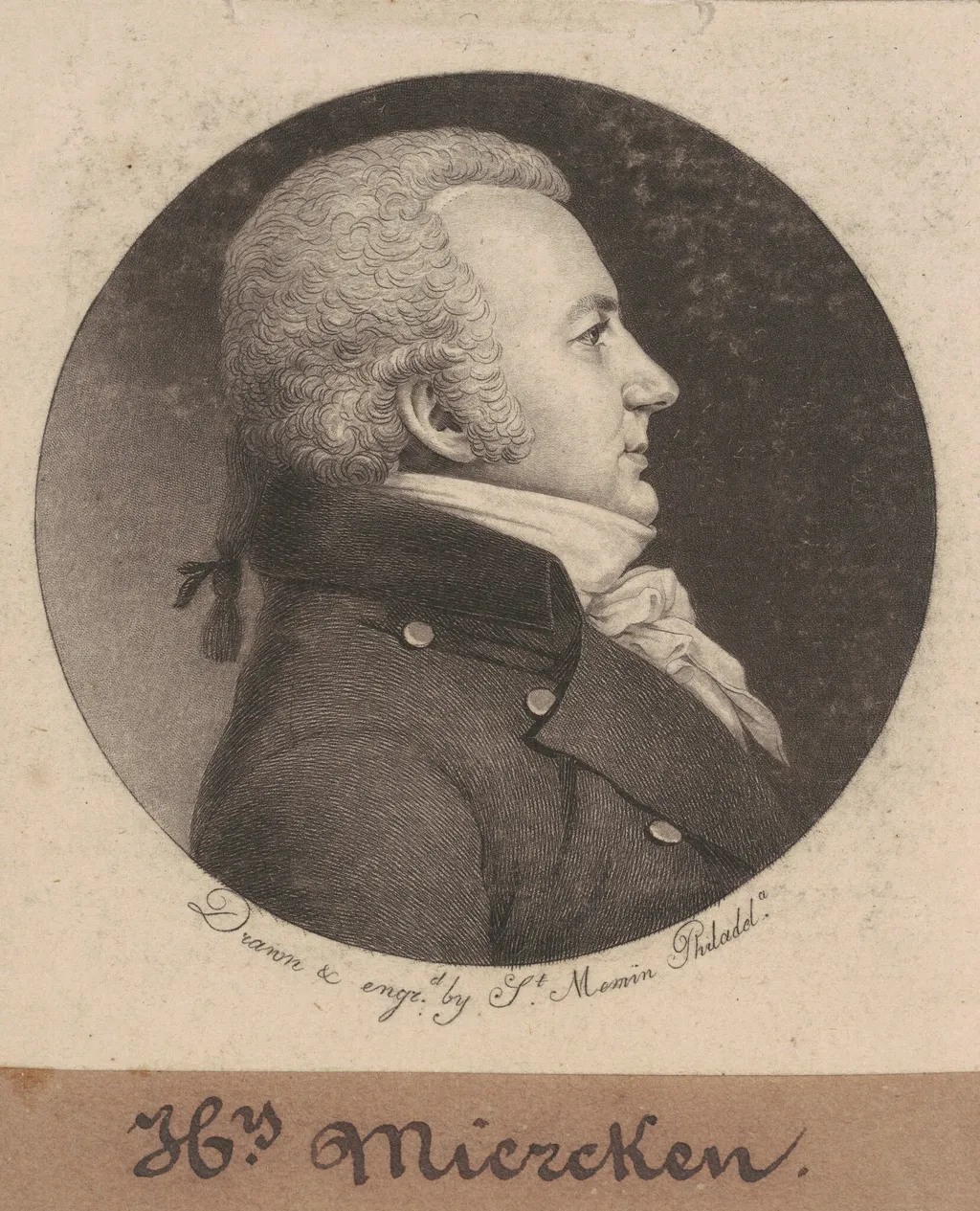
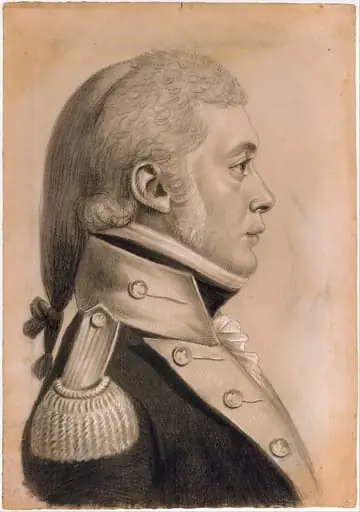
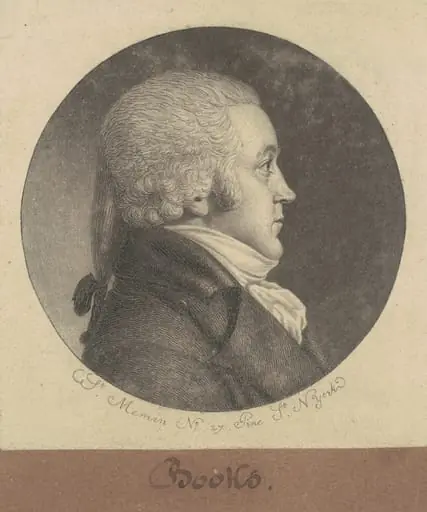
Henry Miercken is an ink print by the Romanticist artist Charles Balthazar Julien Févret de Saint-Mémin. It dates from 1800 and is held in the collection of the National Gallery of Art.
About this work
Overview
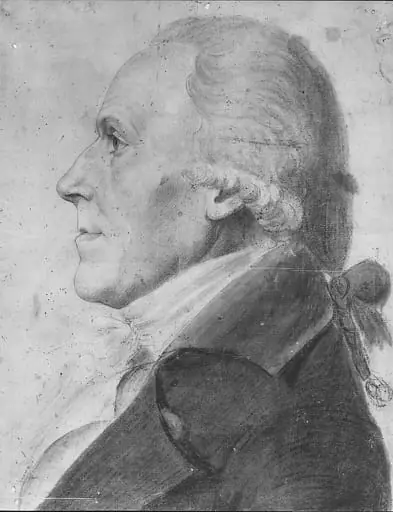
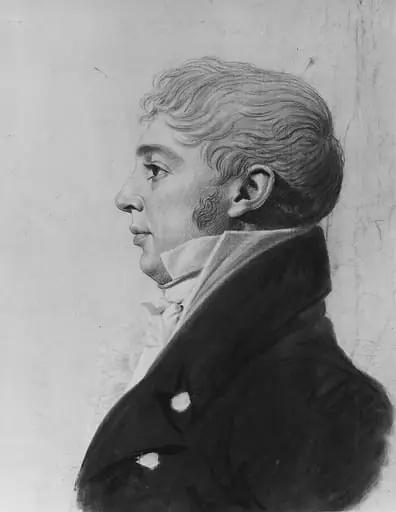
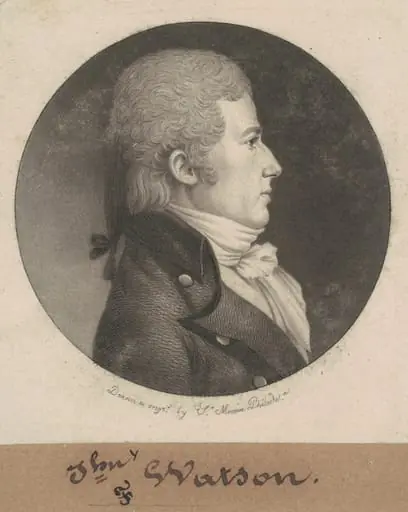
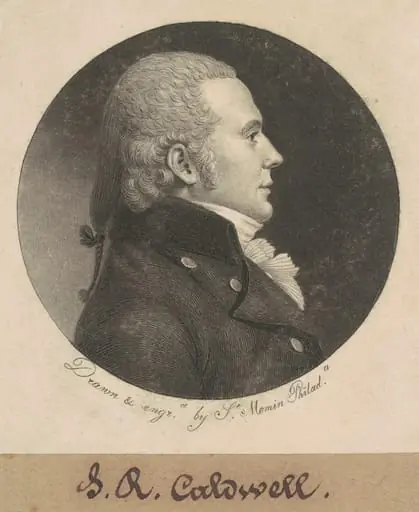
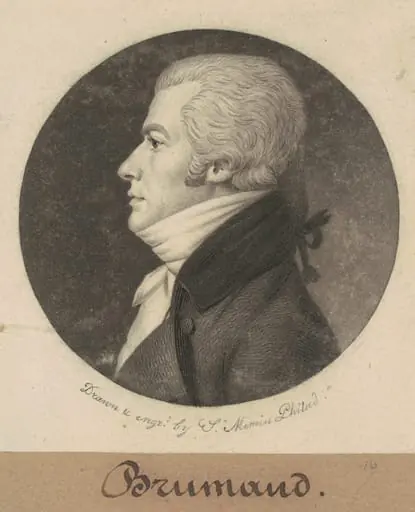
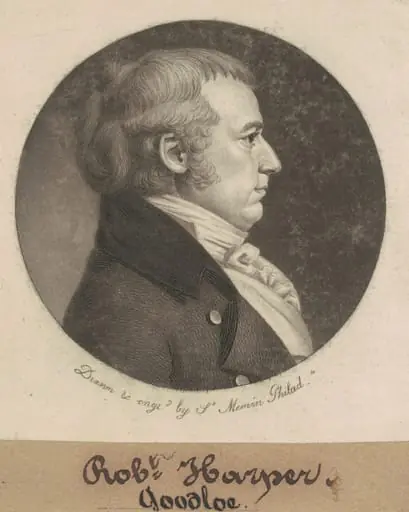
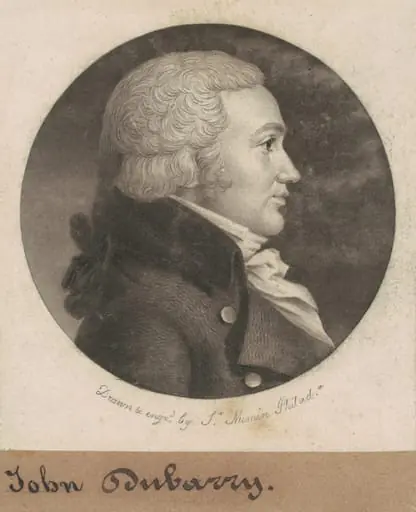
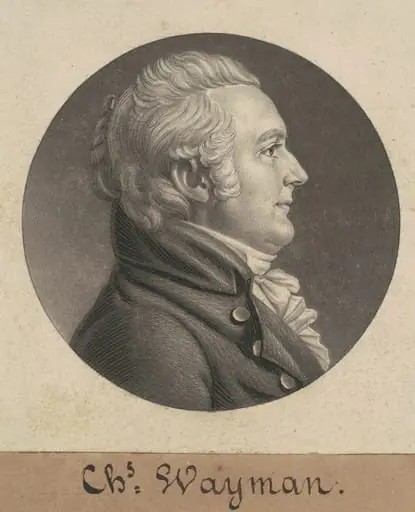
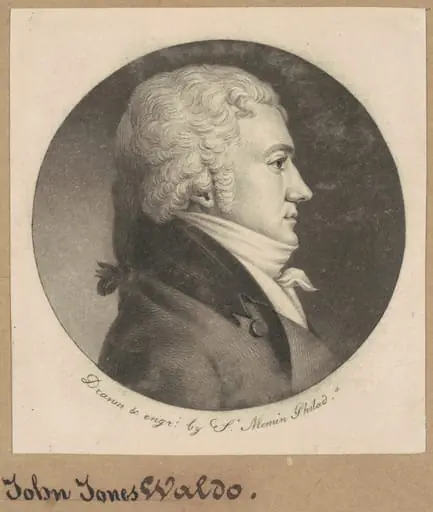
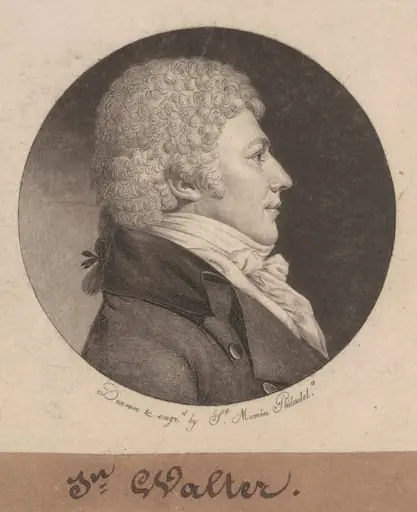
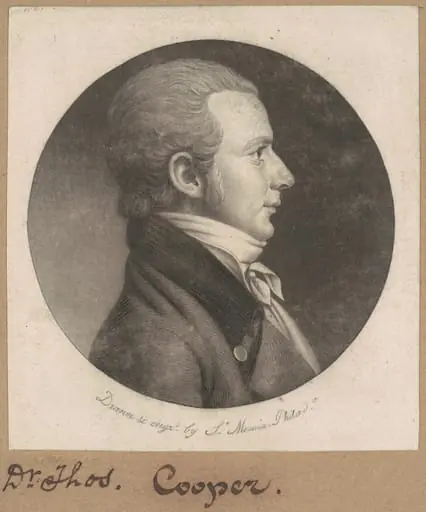
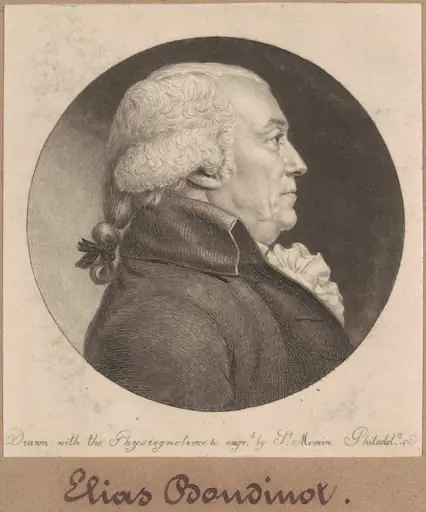
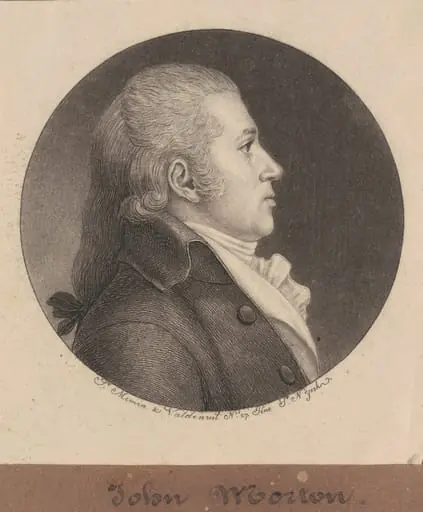
Henry Miercken's mezzotint and engraving portrait presents a finely detailed, profile view of a man with distinctive facial features, including a prominent nose and rounded face, set against a backdrop of formal, Neoclassical attire.
Subject & Meaning
The subject, a man of refined appearance, is dressed in a high-collared cravat and formal wear, embodying the elegance and refinement associated with early 19th-century Neoclassical portraiture, suggesting a person of stature or sophistication from that era.
Technique & Style
Executed in mezzotint and engraving on wove paper, the work showcases meticulous detail, characteristic of the artist's careful craftsmanship. The Neoclassical style is evident in both the subject's attire and the portrait's overall composition, reflecting the era's aesthetic values.
History & Provenance
While specific historical context about the subject's identity or the artwork's creation is not provided, the style and medium place it within early 19th-century European or American artistic practices, with potential comparisons to contemporaries like Saint-Mémin.
Context
The artwork reflects the broader early 19th-century cultural penchant for Neoclassical ideals, where formal portraiture served to convey social status, intellectual pursuits, or political allegiance through adherence to classical norms of beauty and dress.
Legacy
As a detailed example of early 19th-century mezzotint and engraving, the portrait contributes to the understanding of printmaking techniques and Neoclassical aesthetics of the time, offering a glimpse into the era's artistic and social values.
Artist & collection

Artist
Charles Balthazar Julien Févret de Saint-Mémin
Charles Balthazar Julien Févret de Saint-Mémin (French pronunciation: ; 1770–1852) was a French portrait painter and museum director.