Artwork
Chanceaume
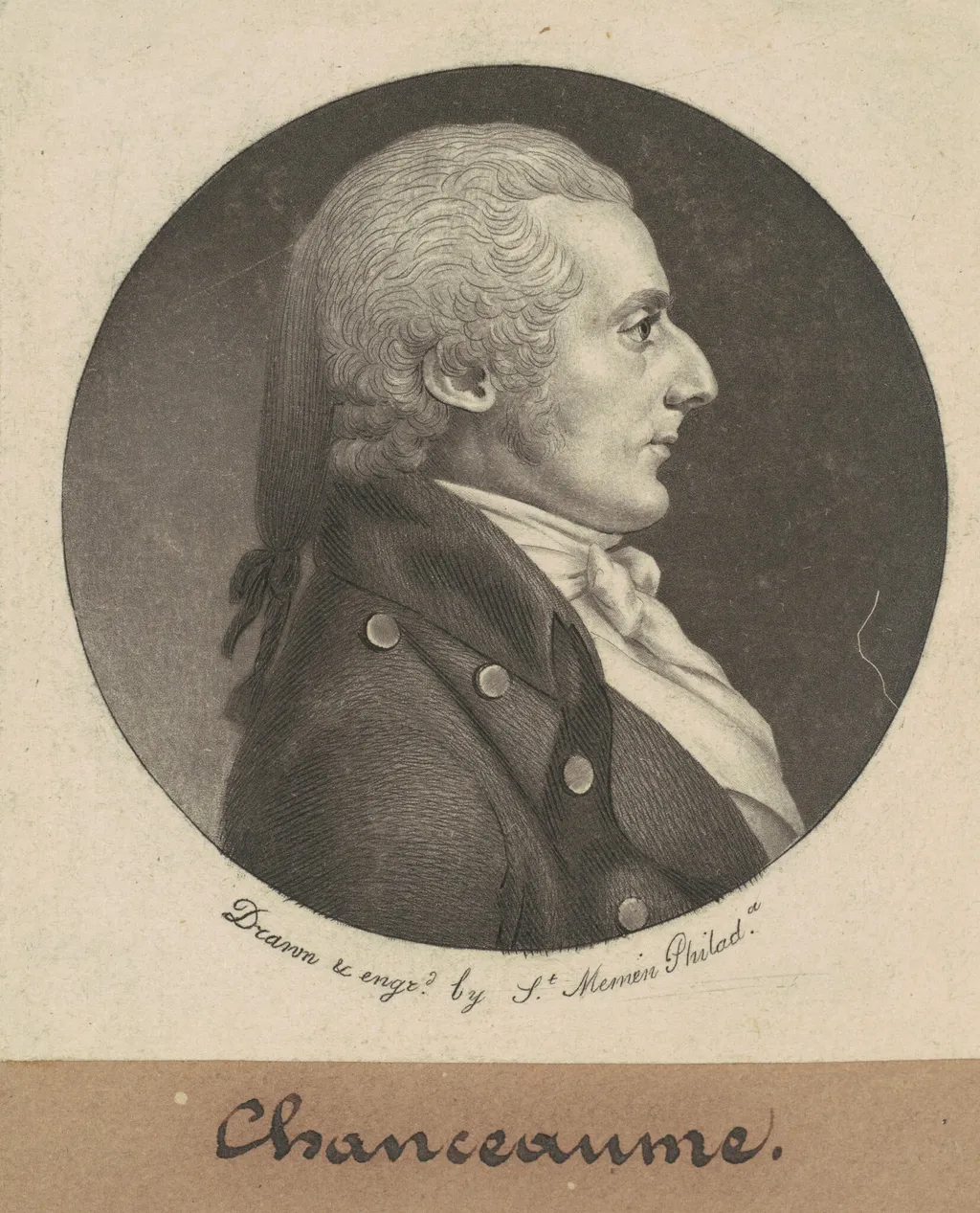
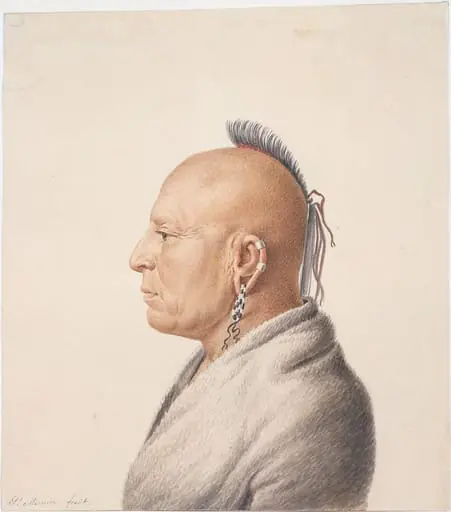
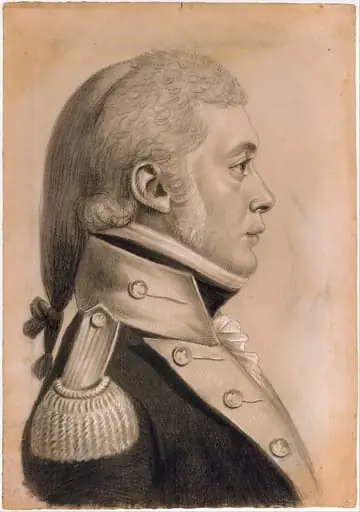
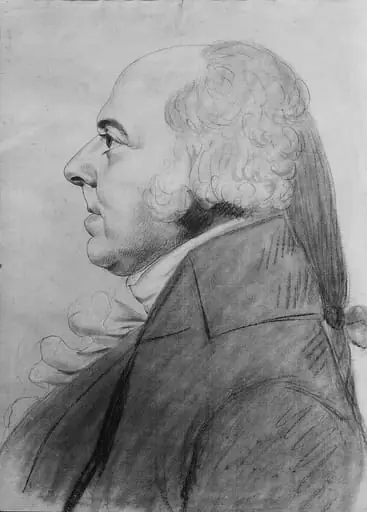
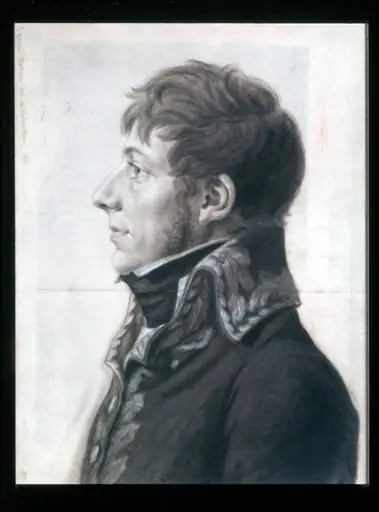
Chanceaume is an ink print by the Romanticist artist Charles Balthazar Julien Févret de Saint-Mémin. It dates from 1801 and is held in the collection of the National Gallery of Art.
About this work
Overview
Executed in mezzotint and engraving on wove paper, it was later mounted on brown wove paper to stabilize the image.
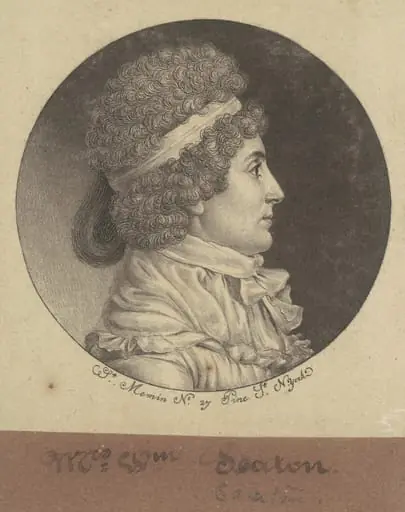
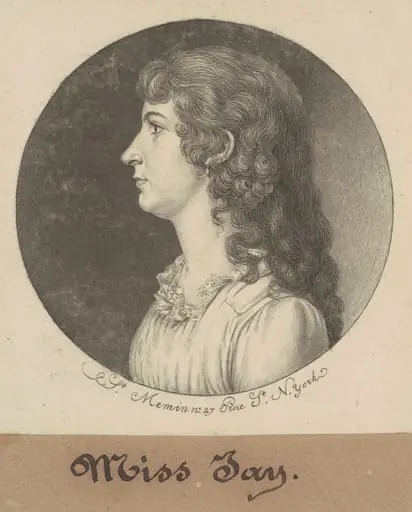
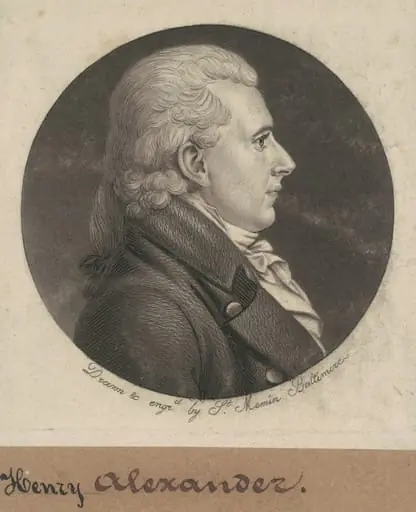
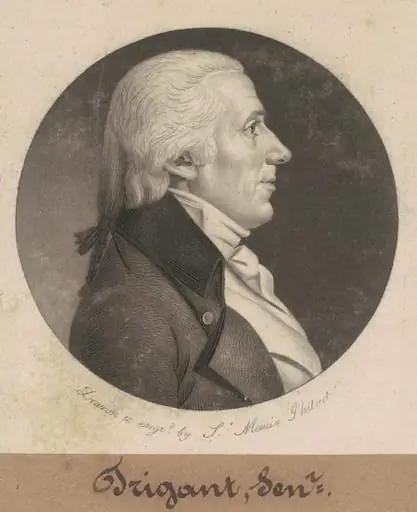
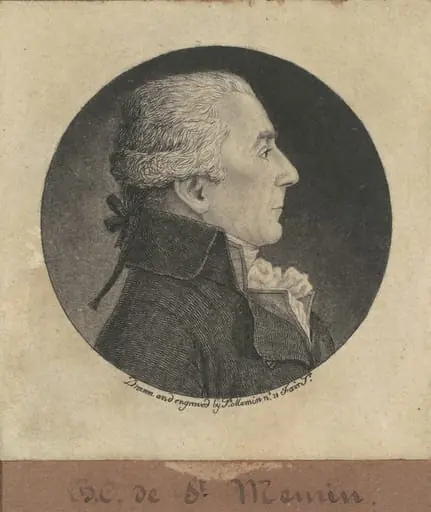
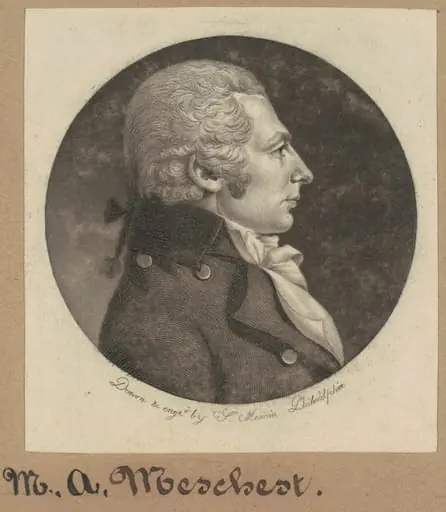
Chanceaume is a portrait print created in 1801 by Charles B. J. Févret de Saint-Mémin. Executed in mezzotint and engraving on wove paper, it was later mounted on brown wove paper to stabilize the image. The work belongs to the Corcoran Collection, now held by the National Gallery of Art in Washington, D.C., and represents one of many likenesses the artist produced during his time in the United States.
Subject & Meaning
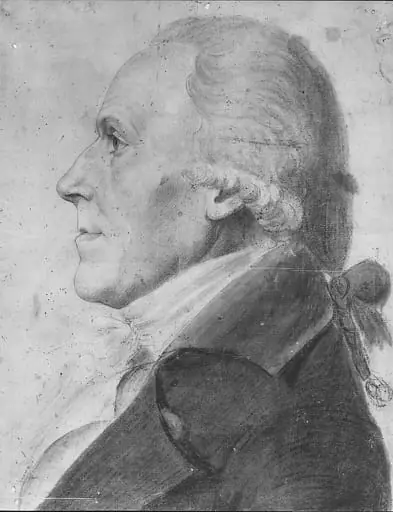
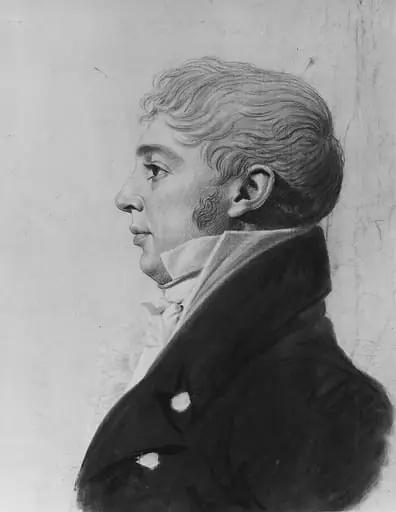
The subject is a young man identified only as Chanceaume, depicted in plain attire with a direct, unadorned gaze. His expression is calm and neutral, suggesting a focus on individual presence rather than social status. The portrait’s simplicity reflects the artist’s interest in capturing personal identity without embellishment, aligning with early American portraiture’s shift toward realism.
Technique & Style
Févret de Saint-Mémin employed mezzotint to achieve subtle gradations of tone, enhanced by fine engraving lines for detail in the face and collar. The combination allowed for rich chiaroscuro effects despite the monochrome medium. The precision of the technique, unusual for its time in American printmaking, reveals the artist’s European training and commitment to technical rigor in portraiture.
History & Provenance
Created during the artist’s residency in the United States, the print was part of a series of portraits commissioned by American patrons. It entered the Corcoran Gallery’s collection in the late 19th century and was transferred to the National Gallery of Art in 1990 following the Corcoran’s dissolution. Its preservation reflects early American interest in high-quality reproductive portraiture.
Context
In early 19th-century America, portrait prints were valued as accessible alternatives to painted likenesses. Févret de Saint-Mémin, a French émigré, helped popularize mezzotint among U.S. collectors. His work bridged European engraving traditions and the emerging American demand for individualized, detailed portraiture, particularly among the educated middle class.
Legacy
Chanceaume exemplifies the technical sophistication Févret de Saint-Mémin brought to American printmaking. Though little is known of the sitter, the portrait endures as a reference for the period’s shift toward intimate, unidealized representation. It remains a key example of how European techniques were adapted to serve new cultural priorities in the young republic.
Artist & collection

Artist
Charles Balthazar Julien Févret de Saint-Mémin
Charles Balthazar Julien Févret de Saint-Mémin (French pronunciation: ; 1770–1852) was a French portrait painter and museum director.