Artwork
Charles Braestler
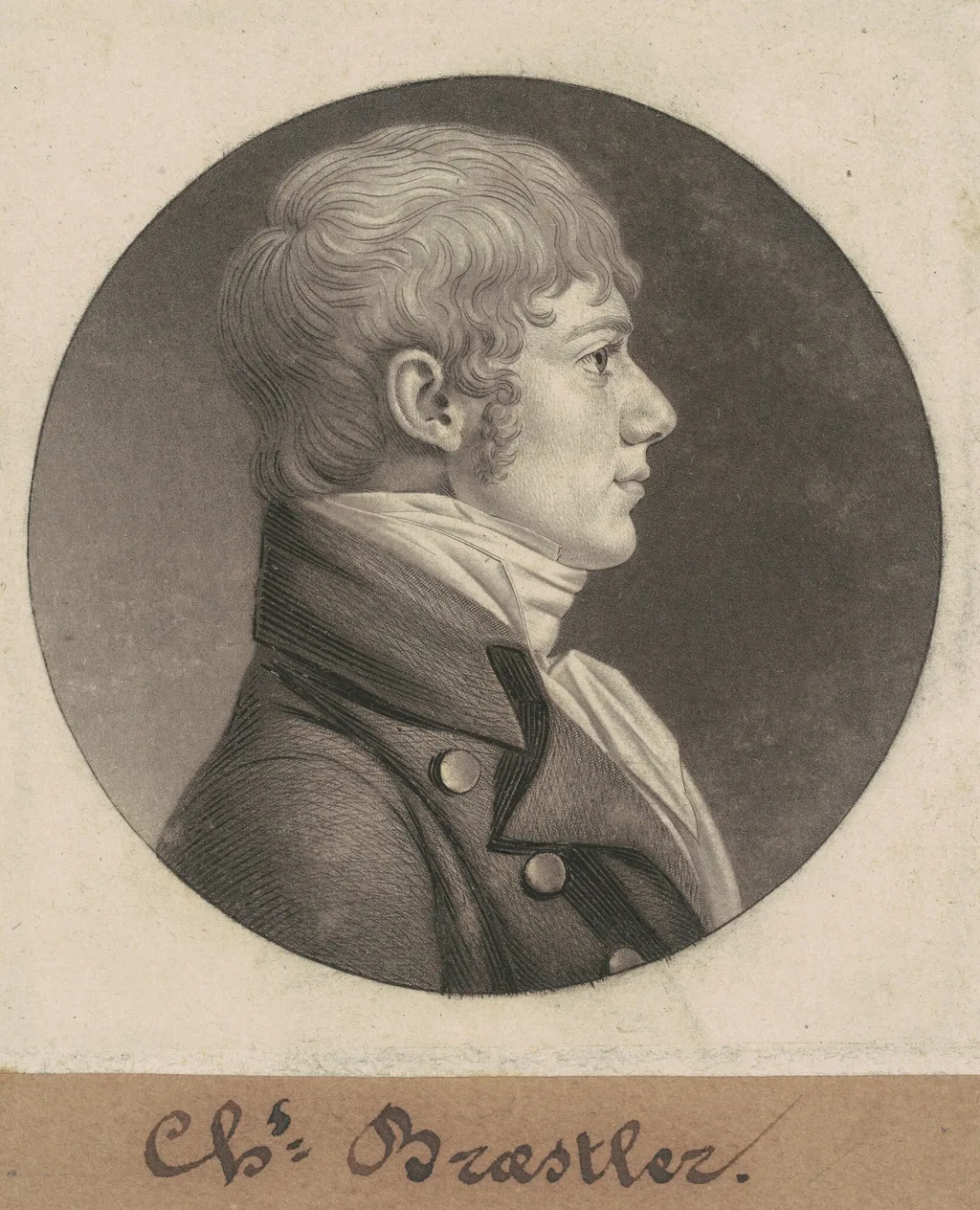
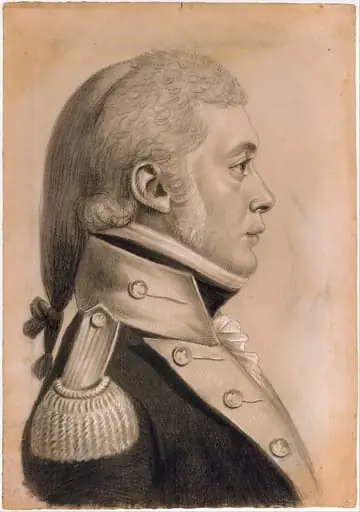
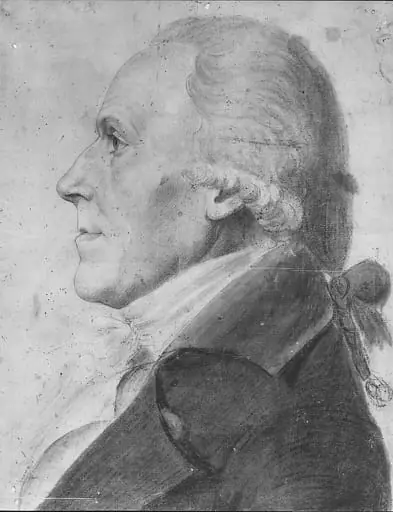
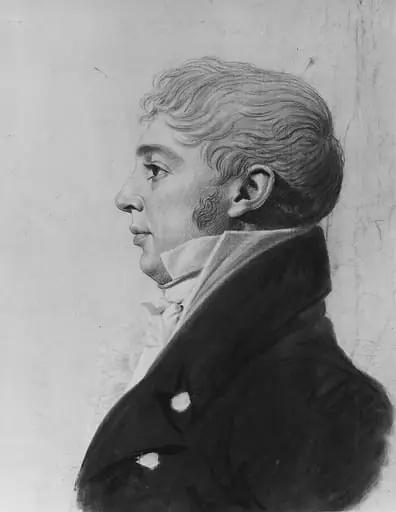
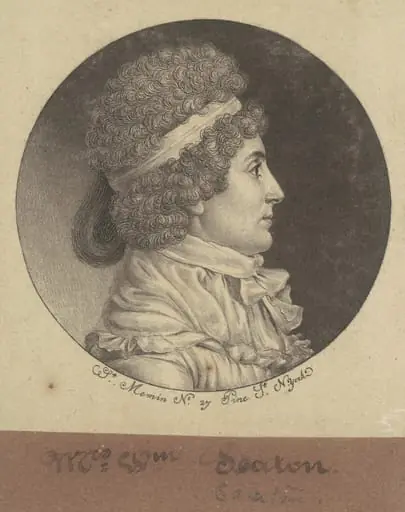
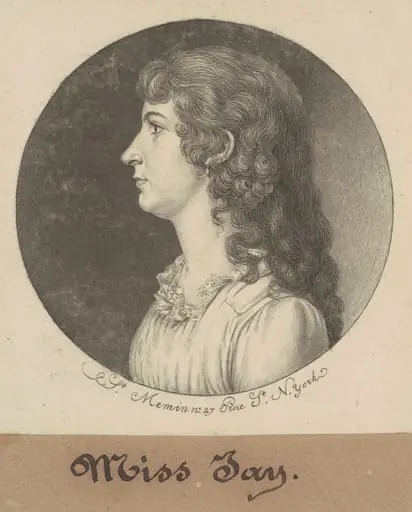
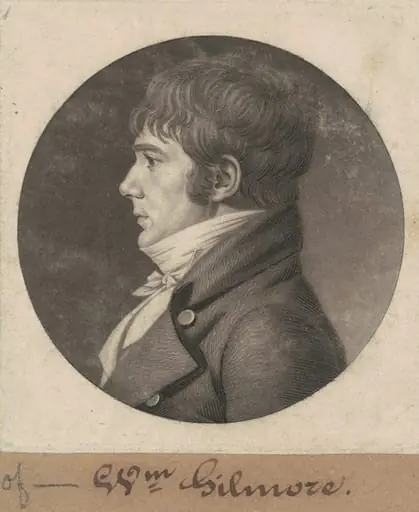
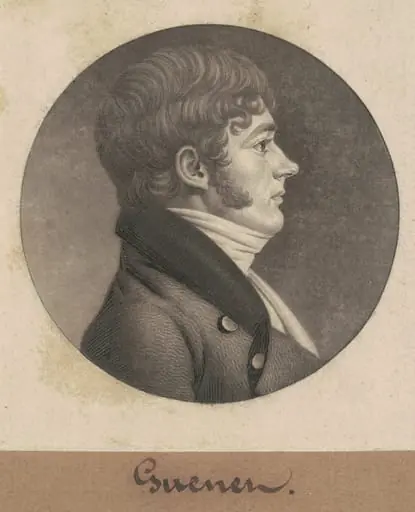
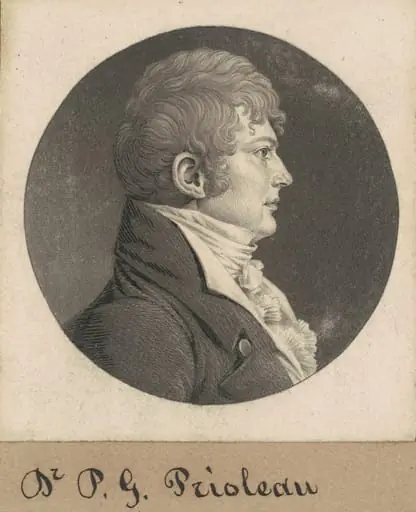
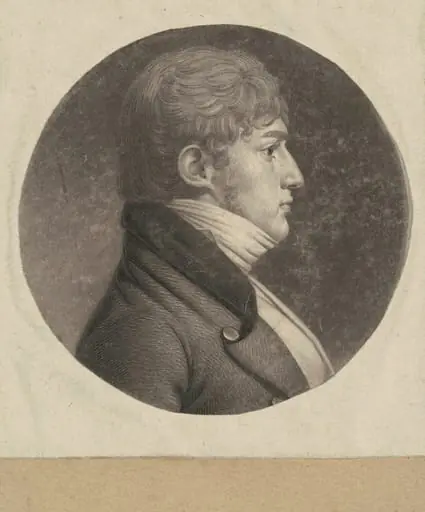
Charles Braestler is an ink print by the Romanticist artist Charles Balthazar Julien Févret de Saint-Mémin. It dates from 1803 and is held in the collection of the National Gallery of Art.
About this work
Overview
This print is a mezzotint and engraving on wove paper, mounted to brown wove paper, created by Charles Balthazar Julien Févret de Saint-Mémin in 1807. It depicts Charles Braestler, a subject of the artist’s portraiture series. The work measures 17.78 by 12.54 cm and is rendered entirely in black ink, emphasizing tonal gradation and fine linear detail characteristic of the mezzotint process.
Subject & Meaning
The portrait presents Charles Braestler in attire suggesting an earlier era, possibly evoking historical or aristocratic identity.
The portrait presents Charles Braestler in attire suggesting an earlier era, possibly evoking historical or aristocratic identity. The composition centers his face, with careful attention to facial structure and expression, indicating an intent to capture individual character rather than mere likeness. The choice of dress may reflect contemporary interest in historical nostalgia or personal identity through costume.
Technique & Style
Saint-Mémin employed mezzotint, a labor-intensive method that achieves rich tonal ranges by roughening a metal plate with a rocker tool, then smoothing areas for lighter tones. Combined with fine engraving, the technique allowed precise rendering of texture and shadow. The result is a highly detailed image with subtle gradations, showcasing the artist’s command over light and form in black-and-white printmaking.
History & Provenance
Created in 1807, this print belongs to a series of portraits Saint-Mémin produced during his time in the United States, where he documented prominent figures through mezzotint. The work was likely made for private circulation or as part of a commissioned collection. Its mounting on brown wove paper suggests careful preservation, consistent with the value placed on such portraits in early 19th-century American intellectual circles.
Context
Saint-Mémin was among the first to introduce mezzotint portraiture to the United States, adapting a European technique to document American elites. His work emerged during a period when visual records of individuals were rare and valued for their permanence. The portrait of Braestler reflects broader cultural trends favoring detailed, lifelike representation and the use of print to disseminate images of notable persons.
Legacy
Saint-Mémin’s mezzotints, including this portrait, established a precedent for precision portraiture in American printmaking. His technical rigor influenced later artists working in engraved and etched portraiture. Though not widely known today, his body of work remains a significant record of early American society, preserved in institutional collections for its historical and technical merit.
Artist & collection

Artist
Charles Balthazar Julien Févret de Saint-Mémin
Charles Balthazar Julien Févret de Saint-Mémin (French pronunciation: ; 1770–1852) was a French portrait painter and museum director.