Artwork
Charles Turner
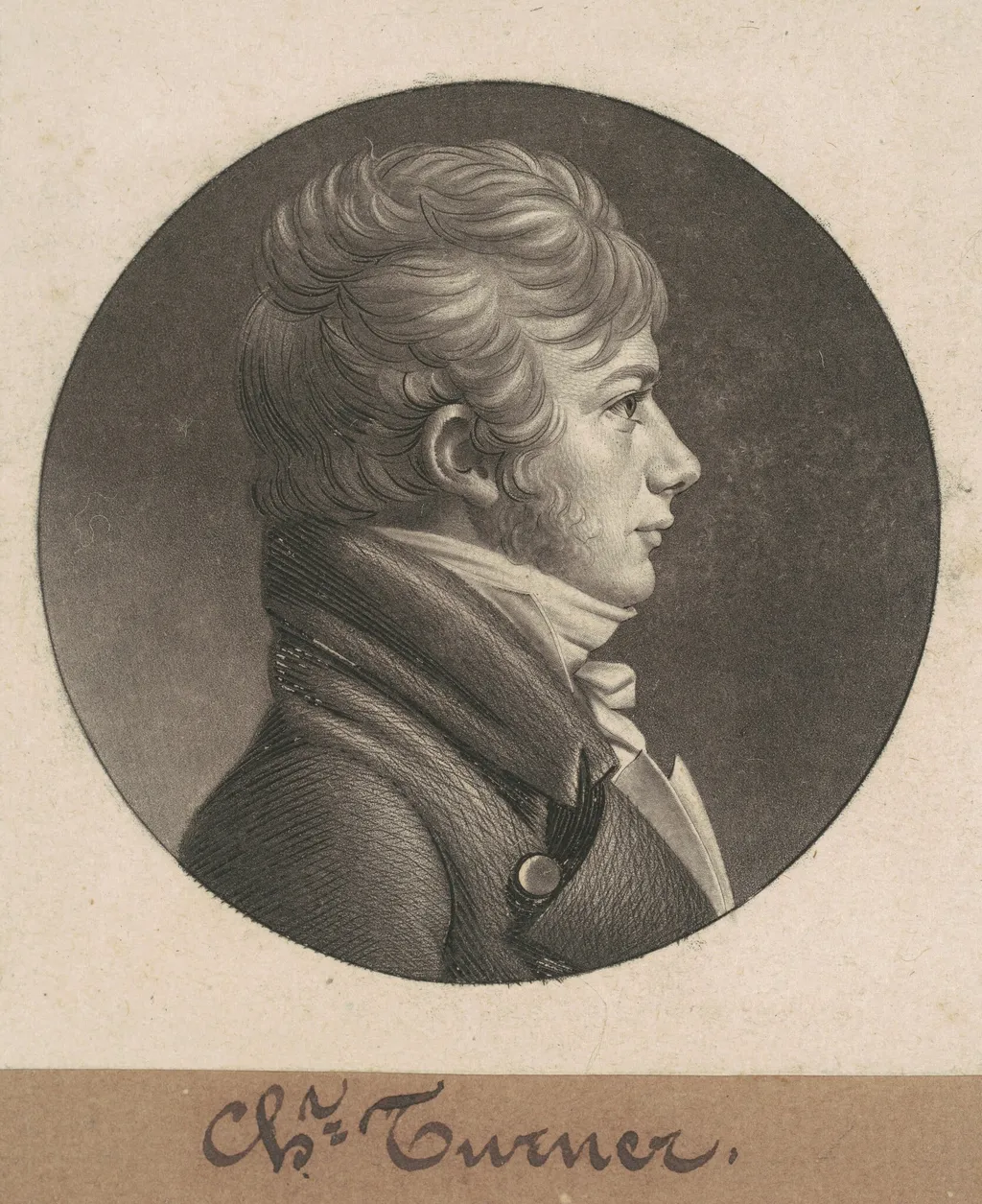
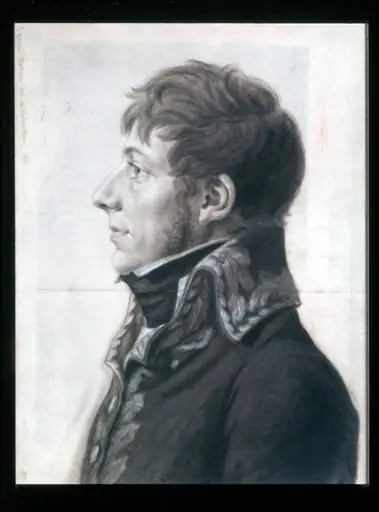
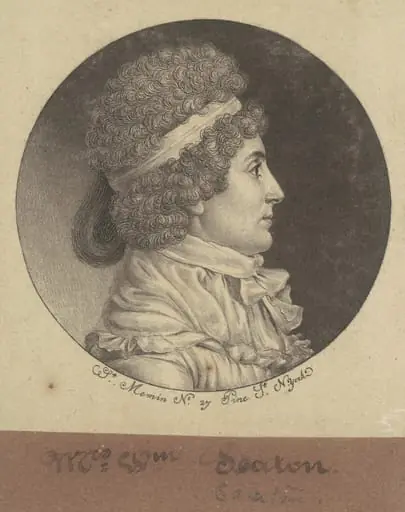
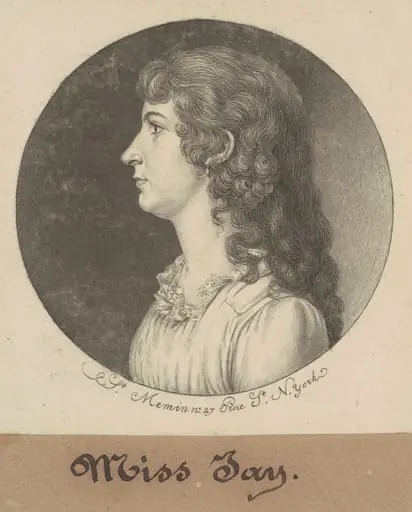
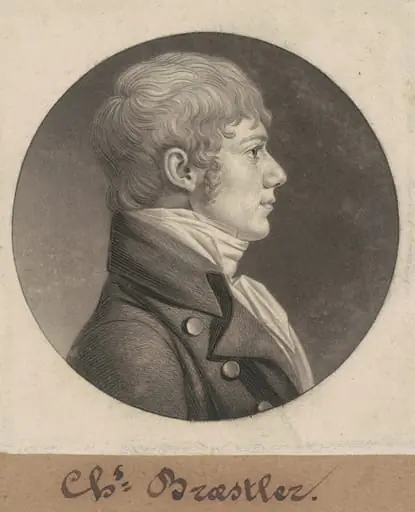
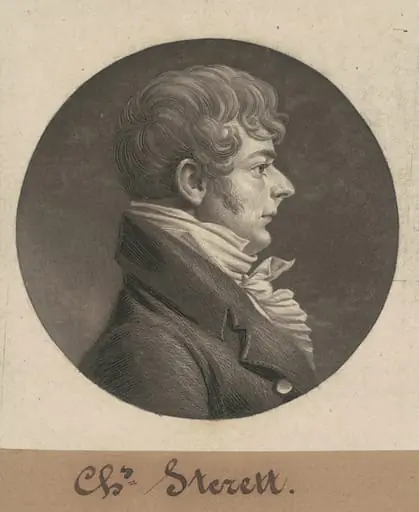
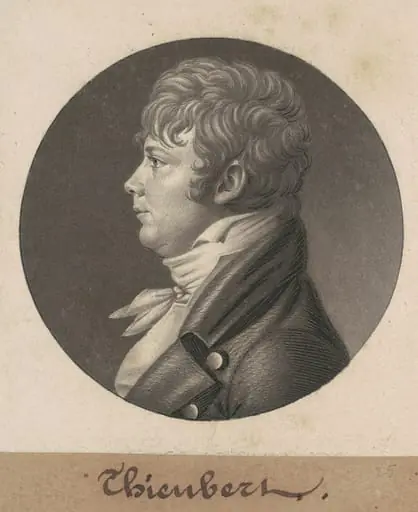
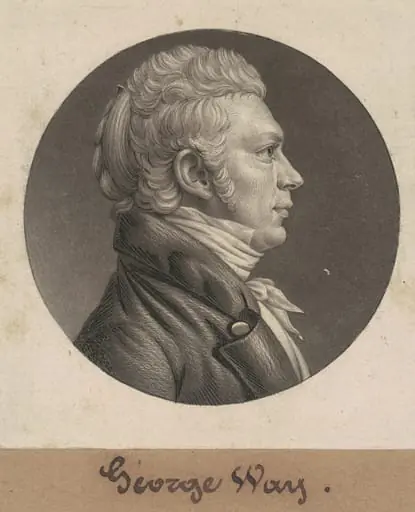
Charles Turner is an ink print by the Romanticist artist Charles Balthazar Julien Févret de Saint-Mémin. It dates from 1807 and is held in the collection of the National Gallery of Art. This print is a mezzotint and engraving on wove paper, mounted to a brown wove support.
About this work
Overview
Its monochrome palette and restrained composition reflect the era’s preference for dignified portraiture in reproductive media.
This print is a mezzotint and engraving on wove paper, mounted to a brown wove support. Created by Charles B. J. Févret de Saint-Mémin, it depicts Charles Turner, a figure identified through historical attribution. The work exemplifies the precision of early 19th-century American printmaking, emphasizing tonal gradation over line. Its monochrome palette and restrained composition reflect the era’s preference for dignified portraiture in reproductive media.
Subject & Meaning
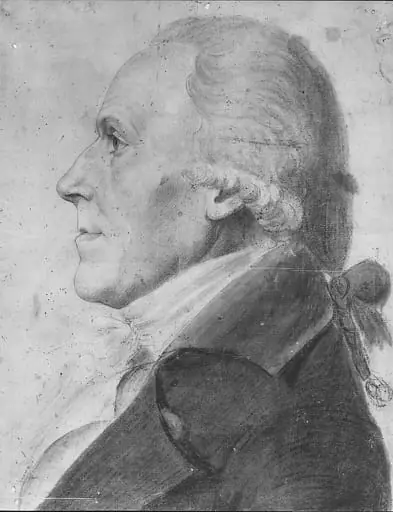
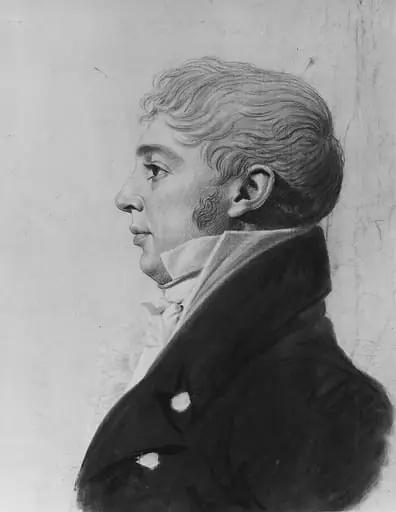
The subject, Charles Turner, is rendered with quiet solemnity. His face emerges from deep shadow, illuminated along the cheekbone and forehead, suggesting introspection rather than theatricality. The absence of contextual elements—no clothing details, no background—focuses attention on the individual’s presence. The portrait functions as a record of identity, typical of prints made to circulate likenesses among educated audiences before photography.
Technique & Style
Saint-Mémin employed mezzotint to achieve subtle transitions between light and dark, scraping the copper plate to refine highlights and preserve velvety blacks. Engraved lines define finer details like the collar and hair. The technique’s capacity for soft modeling gives the face a sculptural depth, contrasting with the flat, unmodulated background. This method required meticulous handwork, distinguishing it from faster, less nuanced reproductive processes of the time.
History & Provenance
The print originates from Saint-Mémin’s series of American portraits produced between 1796 and 1814, during his tenure in the United States. It was likely made as part of a project to document prominent individuals through engraved portraiture. The work’s survival in original mounting suggests it was preserved as a discrete object, possibly commissioned or collected by someone connected to Turner or the artist’s circle.
Context
In the early 1800s, mezzotint was a favored medium for portraiture in America due to its ability to mimic the tonal richness of oil paintings. Saint-Mémin, trained in France, brought European techniques to a young republic eager for visual records of its leaders and citizens. His prints filled a cultural gap before the rise of photography, serving both as personal mementos and public documents of status.
Legacy
Saint-Mémin’s prints, including this one, remain important for understanding the development of American graphic arts. They represent a bridge between European craftsmanship and emerging American identity. While not widely known today, these works are studied for their technical rigor and historical value, offering insight into how individuals were visually documented in a pre-photographic age.
Artist & collection

Artist
Charles Balthazar Julien Févret de Saint-Mémin
Charles Balthazar Julien Févret de Saint-Mémin (French pronunciation: ; 1770–1852) was a French portrait painter and museum director.