Artwork
Claude Amable Brasier
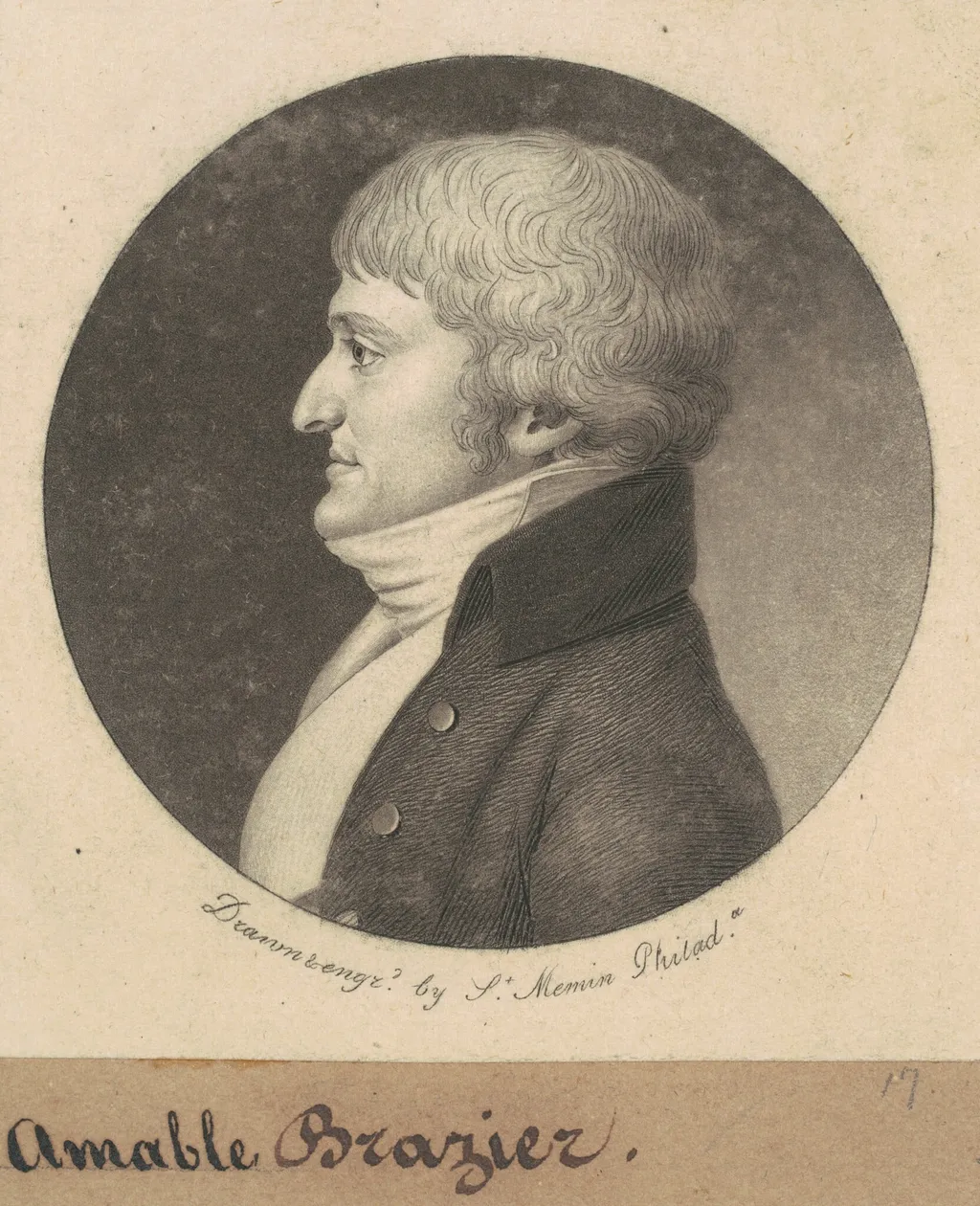
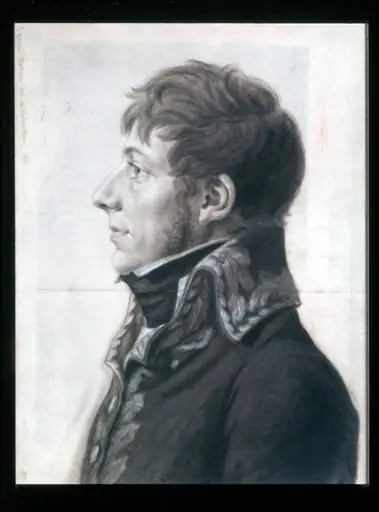
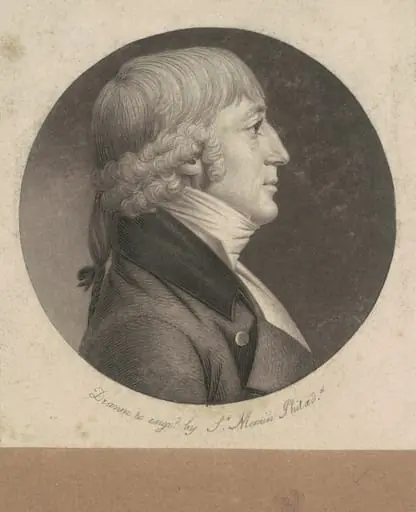
Claude Amable Brasier is an ink print by the Romanticist artist Charles Balthazar Julien Févret de Saint-Mémin. It dates from 1800 and is held in the collection of the National Gallery of Art.
About this work
Overview
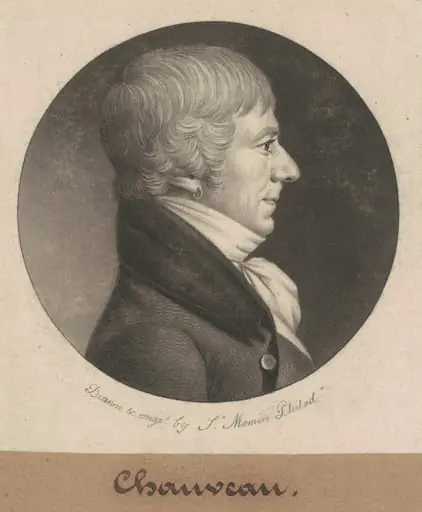
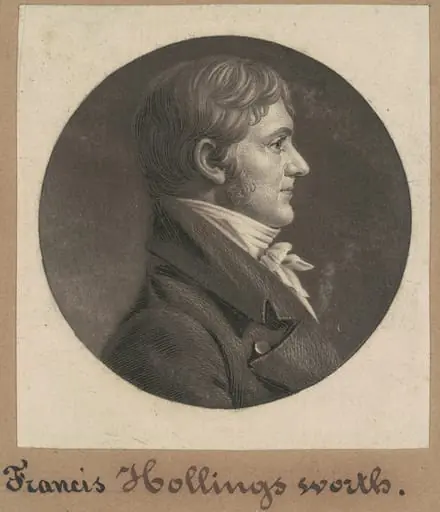
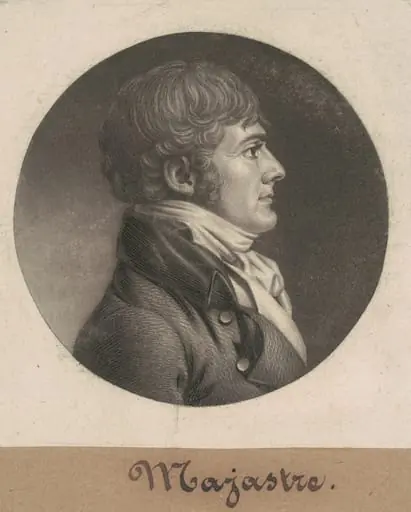
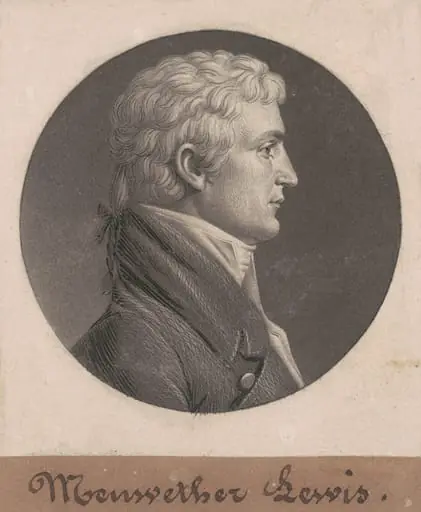
This small print, measuring just over five and a half centimeters square, presents a profile view of Claude Amable Brasier. Executed in black mezzotint and engraving on wove paper, the image is mounted on a second sheet of brown wove paper, giving it a modest, tactile presence despite its diminutive size.
Subject & Meaning
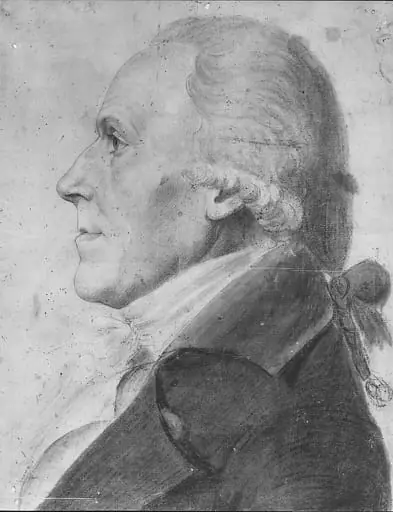
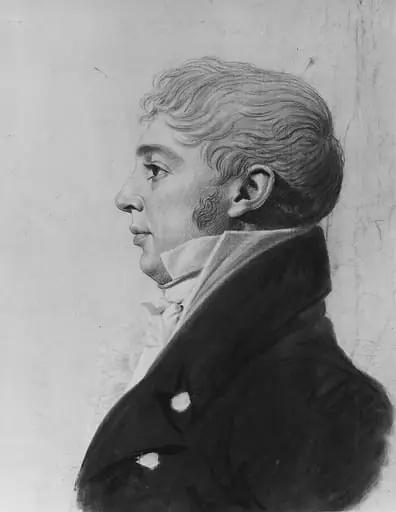
The portrait captures Brasier’s facial features with emphasis: a pronounced nose, sharply defined cheekbones, and light‑colored curls that suggest a refined, perhaps aristocratic, appearance. The composition, limited to a single side view, focuses attention on his individual character rather than narrative context, typical of early‑19th‑century personal likenesses.
Technique & Style
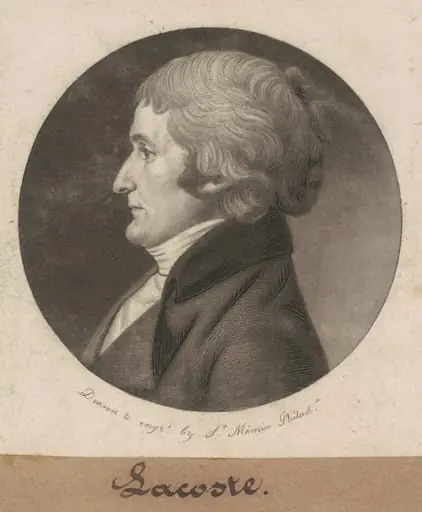
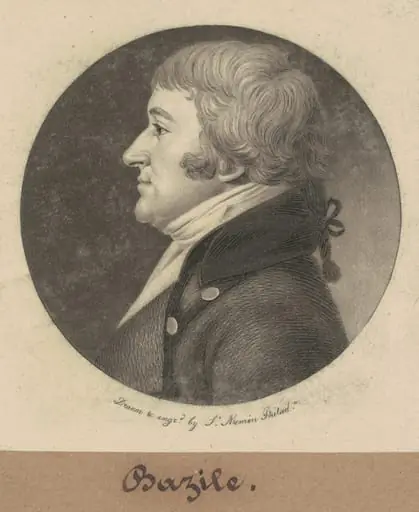
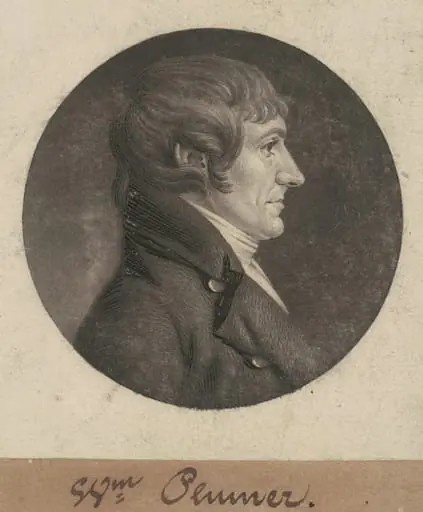
Charles B.J. Févret de Saint‑Mémin employed hand‑engraved lines in metal, a process that combines the deep tonal range of mezzotint with the precise line work of engraving. The fine detailing of the coat’s fabric and the smooth gradations of shadow demonstrate his skill in rendering texture within a very compact format.
History & Provenance
Created in 1800, the print reflects Saint‑Mémin’s activity during the post‑Revolutionary period, when portrait prints were a common means of disseminating images of notable individuals. The work’s survival on mounted wove paper indicates it was likely intended for private collection rather than public exhibition.
Context
Saint‑Mémin, a French artist trained in both painting and printmaking, was known for his portrait mezzotints that catered to a clientele seeking affordable yet high‑quality likenesses. This piece aligns with his broader output, which often featured prominent figures of the era rendered in a restrained, classical aesthetic.
Legacy
While modest in scale, the print exemplifies the technical proficiency of early‑19th‑century French engraving and contributes to the visual documentation of contemporary personalities. It remains a representative example of Saint‑Mémin’s contribution to portrait print culture, preserving the visage of Claude Amable Brasier for posterity.
Artist & collection

Artist
Charles Balthazar Julien Févret de Saint-Mémin
Charles Balthazar Julien Févret de Saint-Mémin (French pronunciation: ; 1770–1852) was a French portrait painter and museum director.