Artwork
Bazile
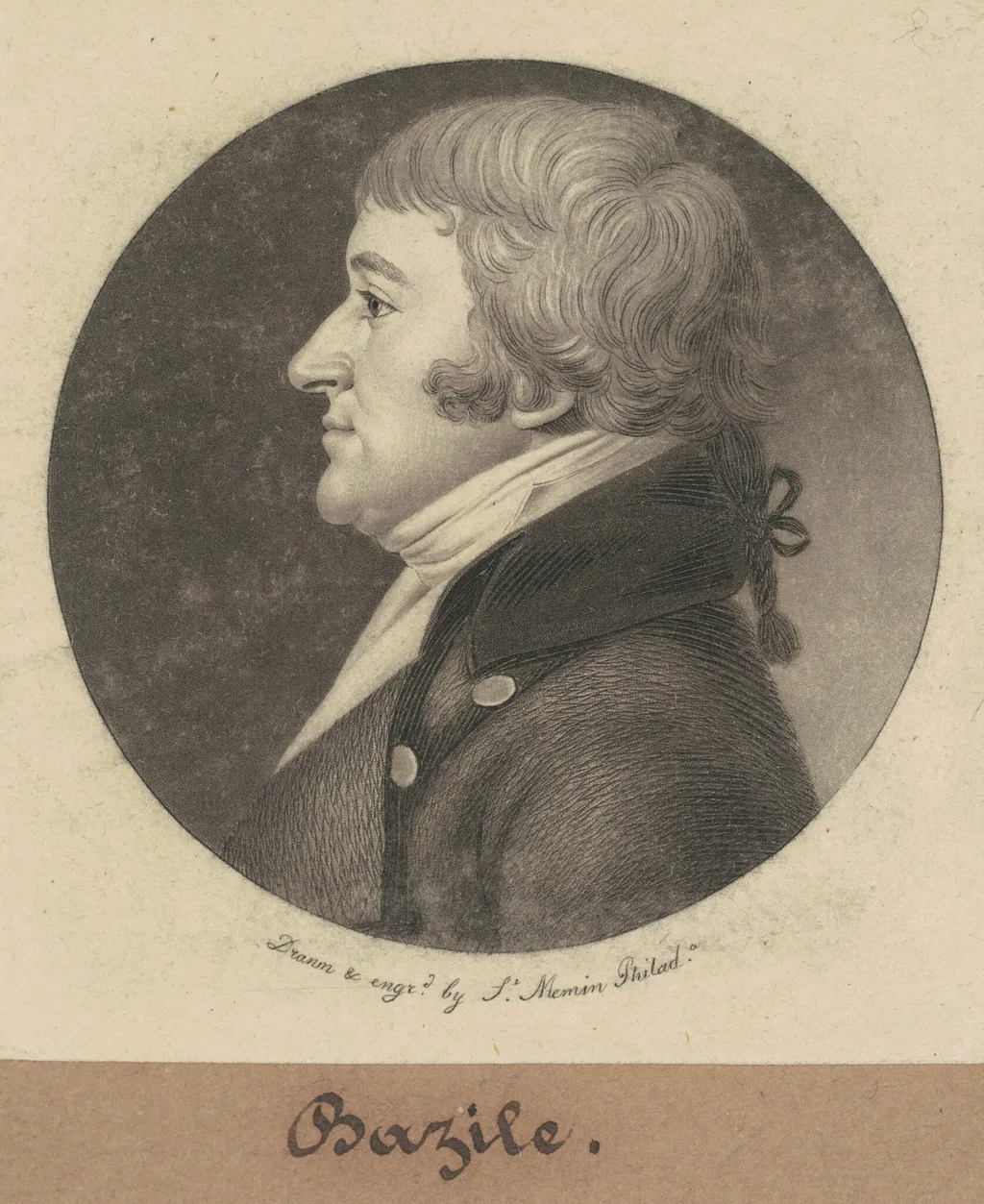
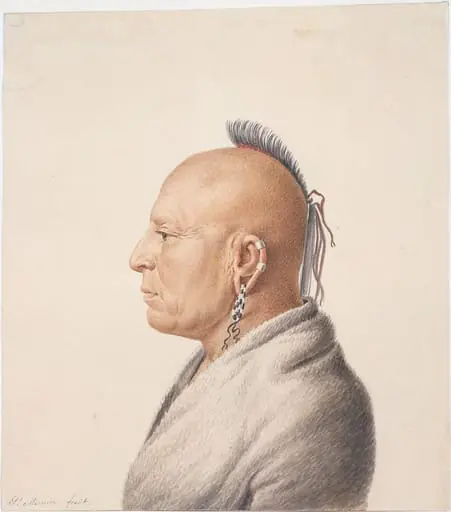
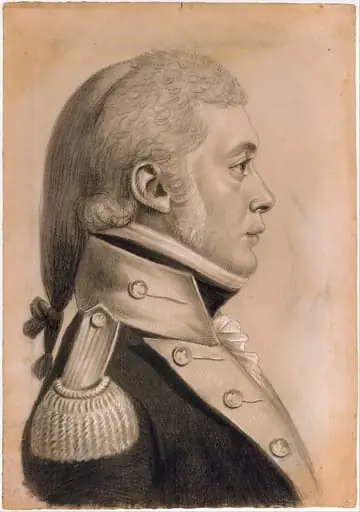
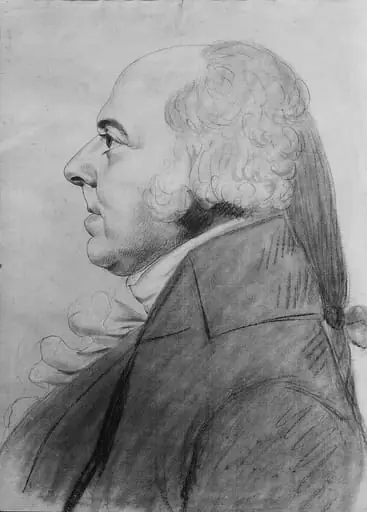
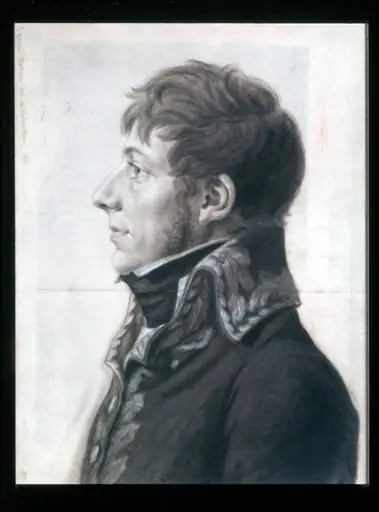
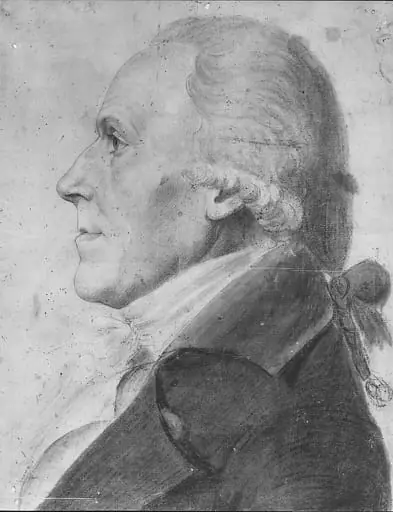
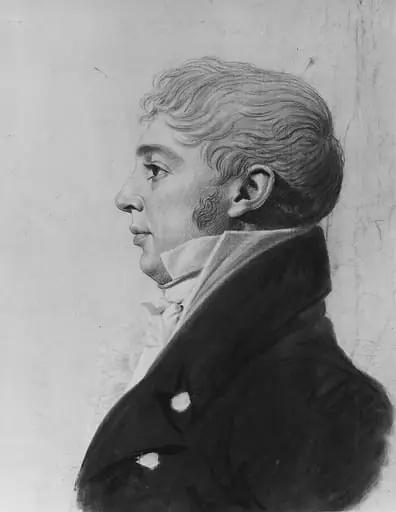
Bazile is an ink print by the Romanticist artist Charles Balthazar Julien Févret de Saint-Mémin. It dates from 1801 and is held in the collection of the National Gallery of Art. This small black-and-white print, created in 1801 by Charles B.
About this work
Overview
It belongs to the National Gallery of Art’s collection as part of a series of portrait studies produced during Saint-Mémin’s time in the United States.
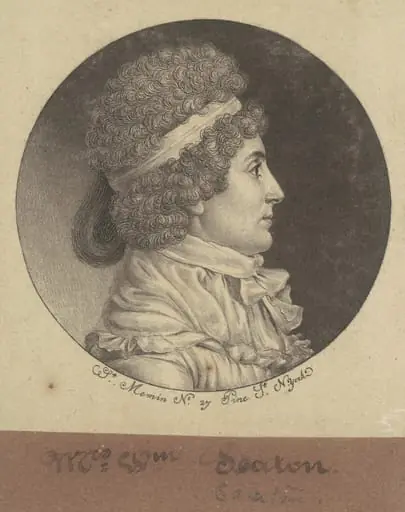
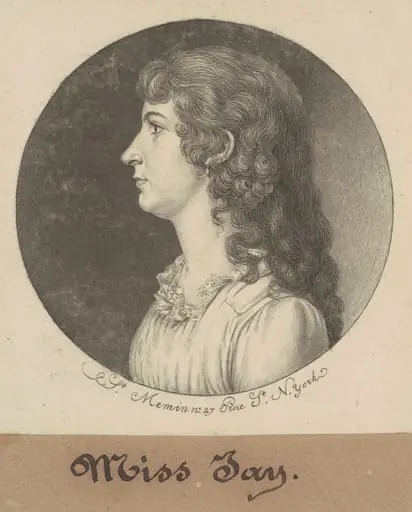
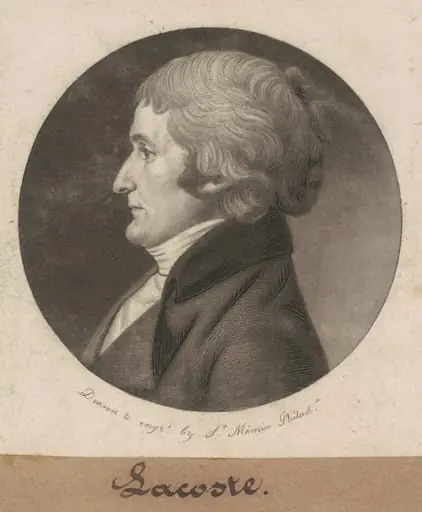
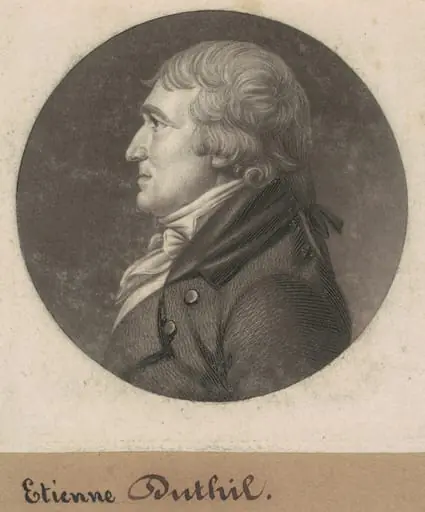
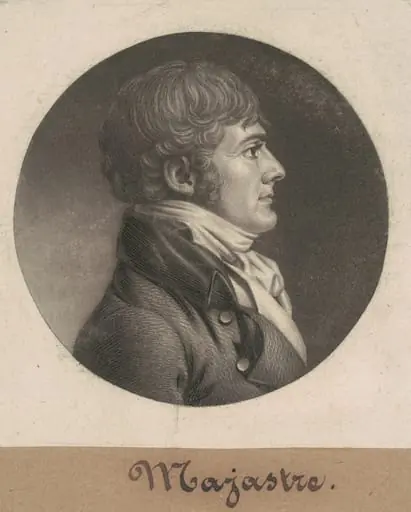
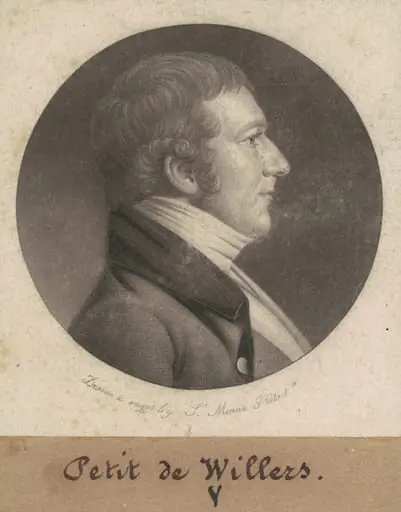
This small black-and-white print, created in 1801 by Charles B. J. Févret de Saint-Mémin, depicts a man named Bazile in strict profile. Executed in mezzotint and engraving on wove paper, it measures just over five centimeters square. The work is mounted on a slightly darker brown paper, enhancing its tonal contrast. It belongs to the National Gallery of Art’s collection as part of a series of portrait studies produced during Saint-Mémin’s time in the United States.
Subject & Meaning
The sitter, Bazile, is rendered without identifying attributes beyond his physical features—prominent nose, tightly curled hair, and a high-collared coat. His expression is neutral, suggesting a focus on likeness rather than personality. The portrait functions as a record of an individual, likely a member of the urban elite or professional class in early 19th-century America, reflecting the era’s interest in documenting personal identity through precise visual documentation.
Technique & Style
Saint-Mémin employed mezzotint to achieve subtle gradations of tone, using a rocker to texture the plate and then refining details with engraving tools. Cross-hatching builds volume in the face, with fine, overlapping lines softening toward the edges to suggest shadow and contour. The absence of color and the limited palette emphasize form through line and texture alone, showcasing the artist’s mastery of monochromatic portraiture.
History & Provenance
Created during Saint-Mémin’s residence in the United States, this portrait is one of many he produced between 1793 and 1815, often commissioned by affluent families. The work entered the National Gallery of Art’s collection through established institutional acquisitions, preserving its place within a broader archive of early American portraiture. Its small scale suggests it may have been intended for private circulation or album compilation.
Context
In the early 1800s, portrait prints like this one served as affordable alternatives to painted likenesses, particularly among the rising middle class. Saint-Mémin, a French émigré, adapted European engraving traditions to American tastes, producing hundreds of profile portraits that documented the faces of political figures, merchants, and professionals. His work reflects a cultural moment when visual identity was becoming increasingly valued in public and private spheres.
Legacy
Saint-Mémin’s portraits, including this one of Bazile, remain significant as historical documents of early American society. His technical precision and consistent format established a recognizable style in American printmaking. Though not widely known today, his body of work provides a visual census of a generation, offering insight into how identity, status, and representation were negotiated in the young republic.
Artist & collection

Artist
Charles Balthazar Julien Févret de Saint-Mémin
Charles Balthazar Julien Févret de Saint-Mémin (French pronunciation: ; 1770–1852) was a French portrait painter and museum director.