Artwork
Majastre
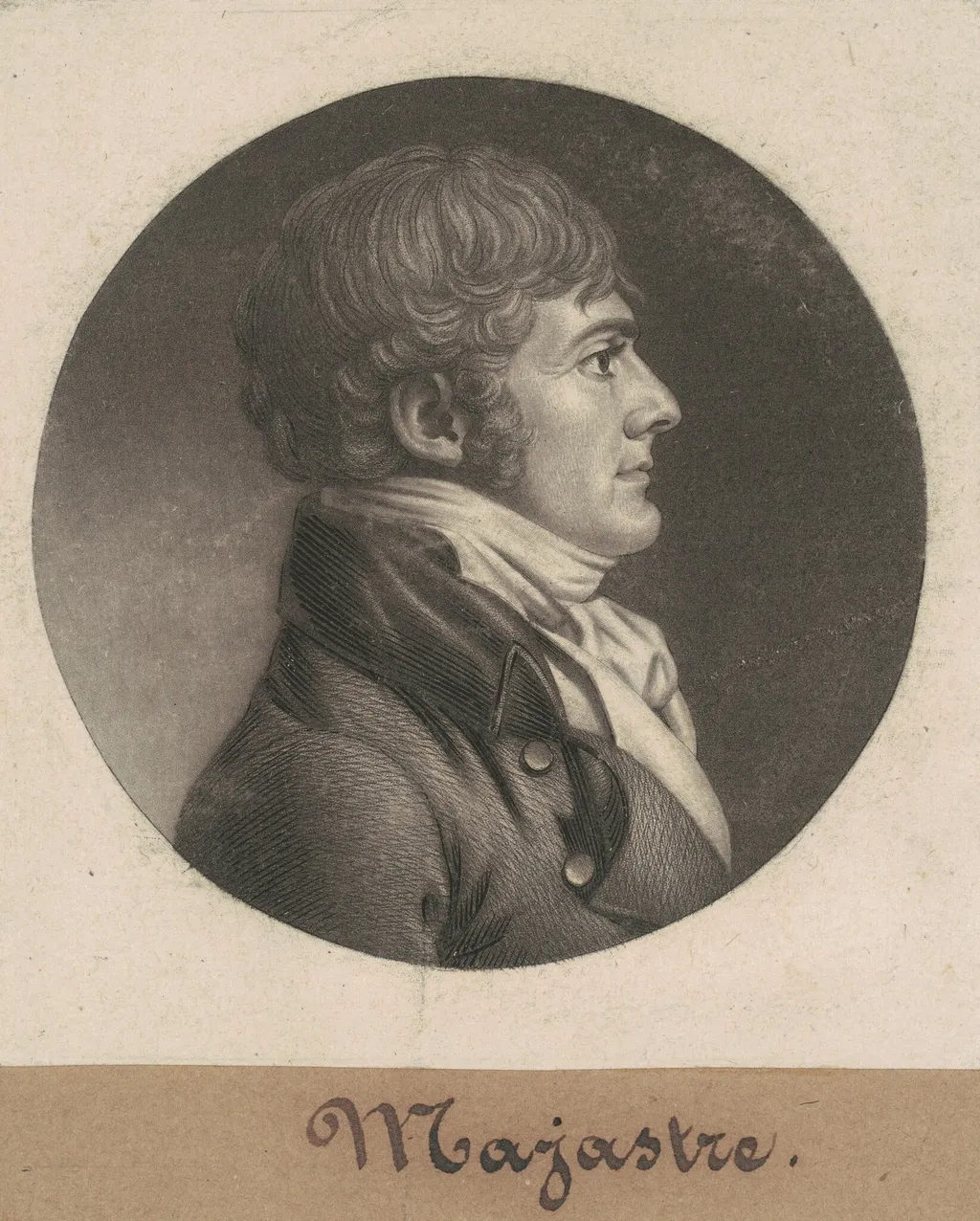
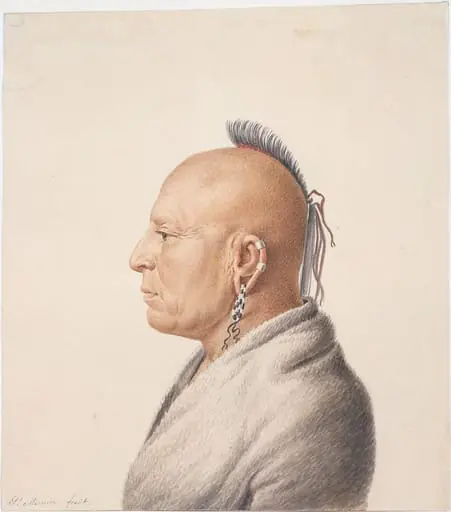
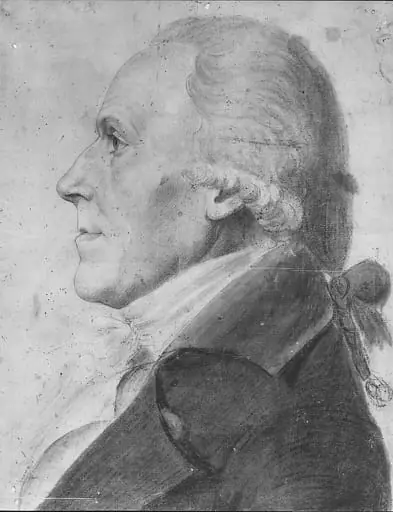
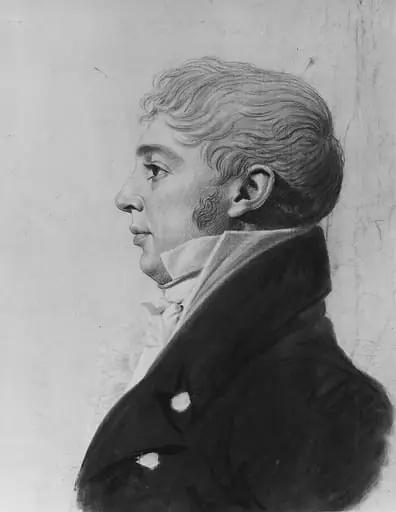
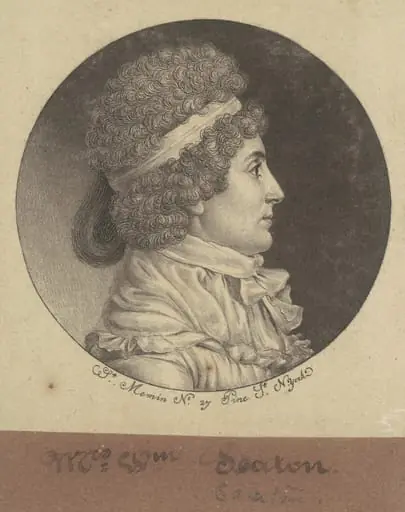
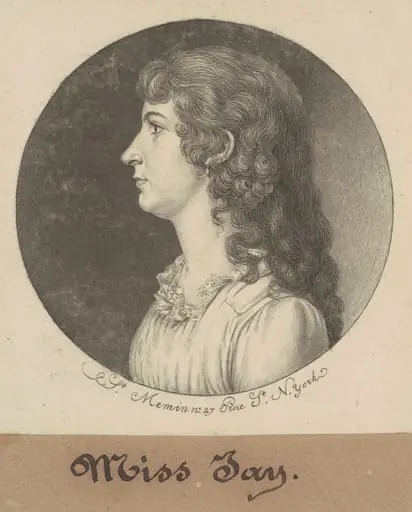
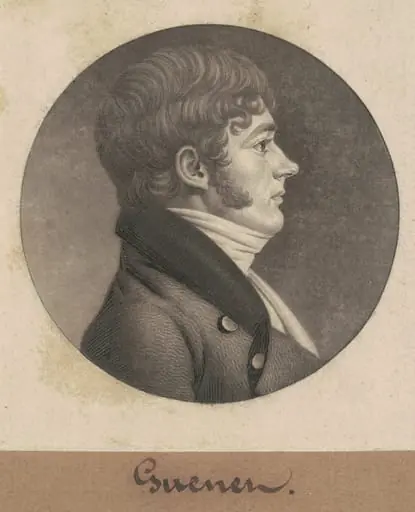
Majastre is an ink print by the Romanticist artist Charles Balthazar Julien Févret de Saint-Mémin. It dates from 1807 and is held in the collection of the National Gallery of Art.
About this work
Overview
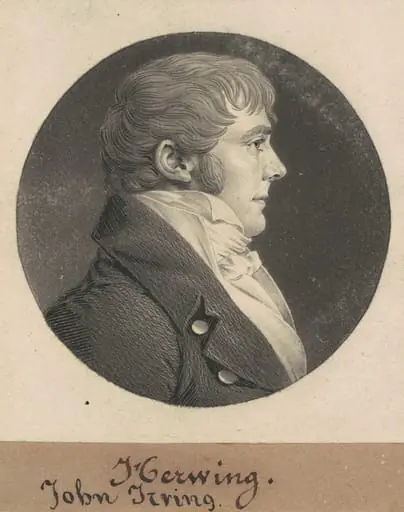
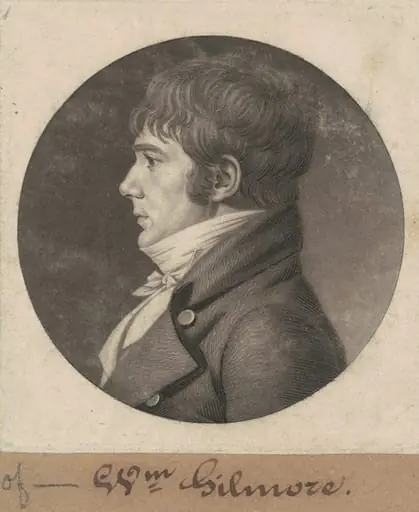
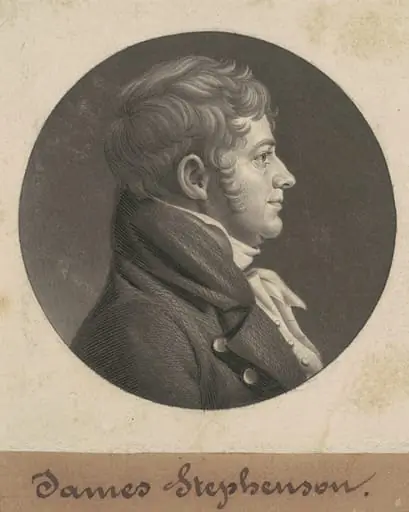
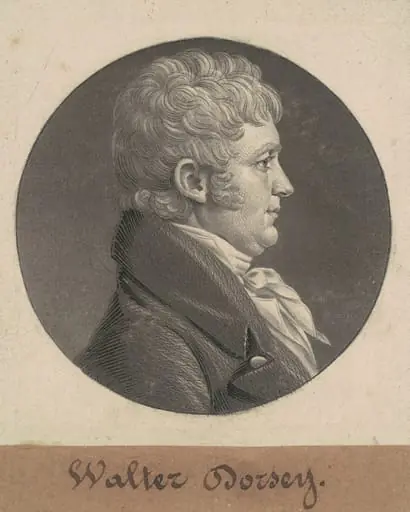
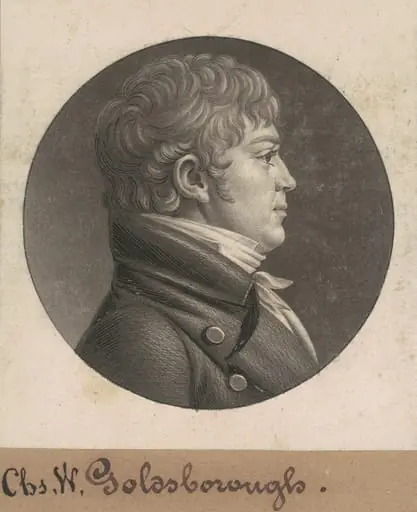
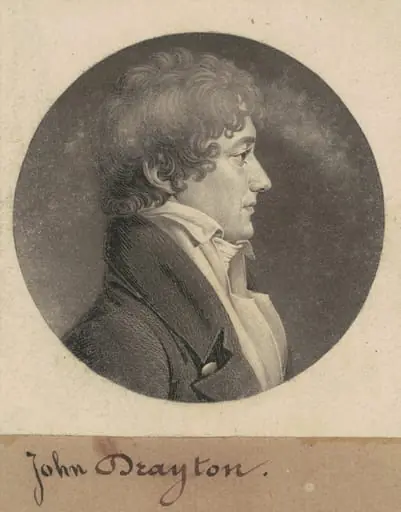
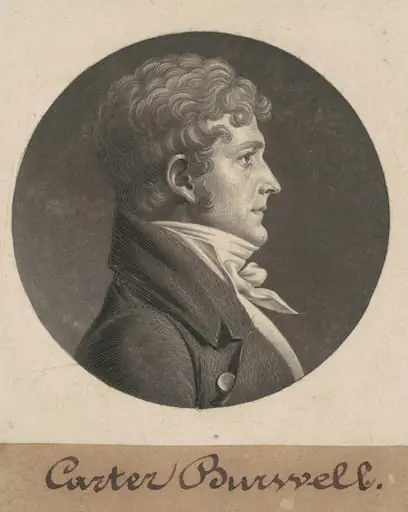
Majastre is a small print created in 1807 by Charles B. J. Févret de Saint-Mémin. Executed in mezzotint and engraving, it is rendered in black ink on wove paper, mounted to a brown wove paper support. The work measures just over five and a half centimeters square, reflecting the intimate scale typical of portrait miniatures produced during the early 19th century.
Subject & Meaning
The subject of Majastre is not definitively identified in surviving records, but the title suggests a personal or localized reference, possibly a portrait of an individual known to the artist. Saint-Mémin often depicted prominent figures of his time, and this piece may represent a private commission or a study of a sitter within his social circle, emphasizing character over public recognition.
Technique & Style
The small format demanded exceptional control, showcasing the artist’s mastery of a labor-intensive process common in portrait reproduction of the era.
Saint-Mémin employed mezzotint and engraving on a copper plate to achieve subtle tonal gradations and fine linear detail. Mezzotint, known for its velvety blacks and delicate transitions, was combined with precise engraving to define facial features and texture. The small format demanded exceptional control, showcasing the artist’s mastery of a labor-intensive process common in portrait reproduction of the era.
History & Provenance
Created in 1807, Majastre emerged during Saint-Mémin’s active years in the United States, where he produced numerous portrait prints for elite patrons. While its early ownership is undocumented, the work survives as part of a broader corpus of his engraved portraits, preserved in institutional collections and reflecting his role in disseminating likenesses through print media.
Context
In the early 1800s, mezzotint was widely used for portrait reproduction, particularly among those seeking affordable, detailed images of notable individuals. Saint-Mémin, trained in France and active in America, bridged European techniques with American demand for personal portraiture. His small-scale prints like Majastre catered to collectors who valued intimacy and craftsmanship over large-scale paintings.
Legacy
Majastre exemplifies Saint-Mémin’s contribution to American print culture through technical precision and restrained aesthetic. Though not widely exhibited today, such works remain important for understanding how portraiture was reproduced and consumed in the early republic. His methods influenced subsequent generations of engravers working in the miniature portrait tradition.
Artist & collection

Artist
Charles Balthazar Julien Févret de Saint-Mémin
Charles Balthazar Julien Févret de Saint-Mémin (French pronunciation: ; 1770–1852) was a French portrait painter and museum director.