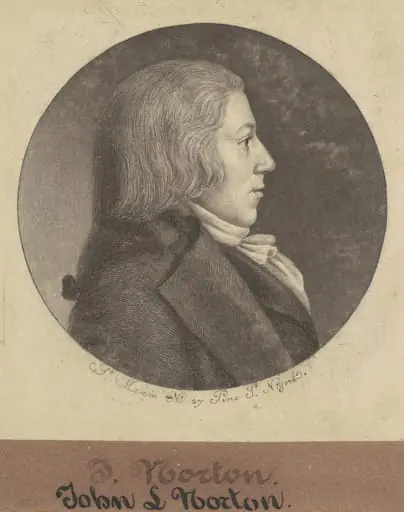
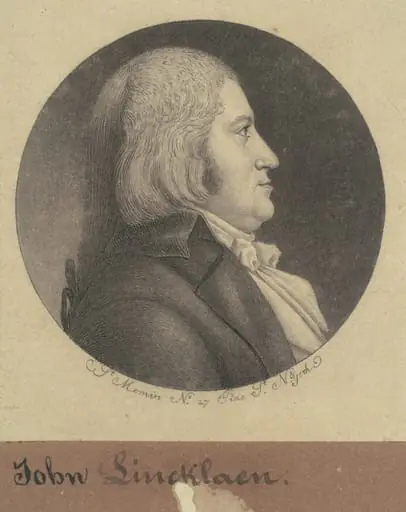
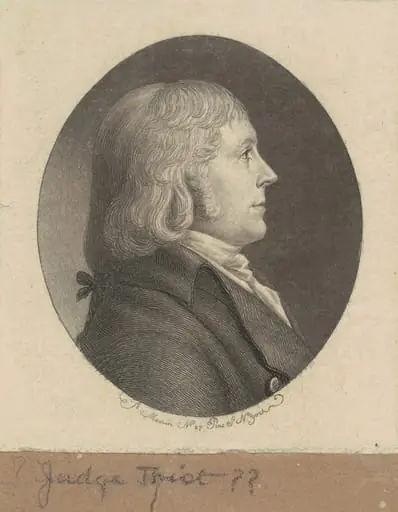
Artwork
Coddington
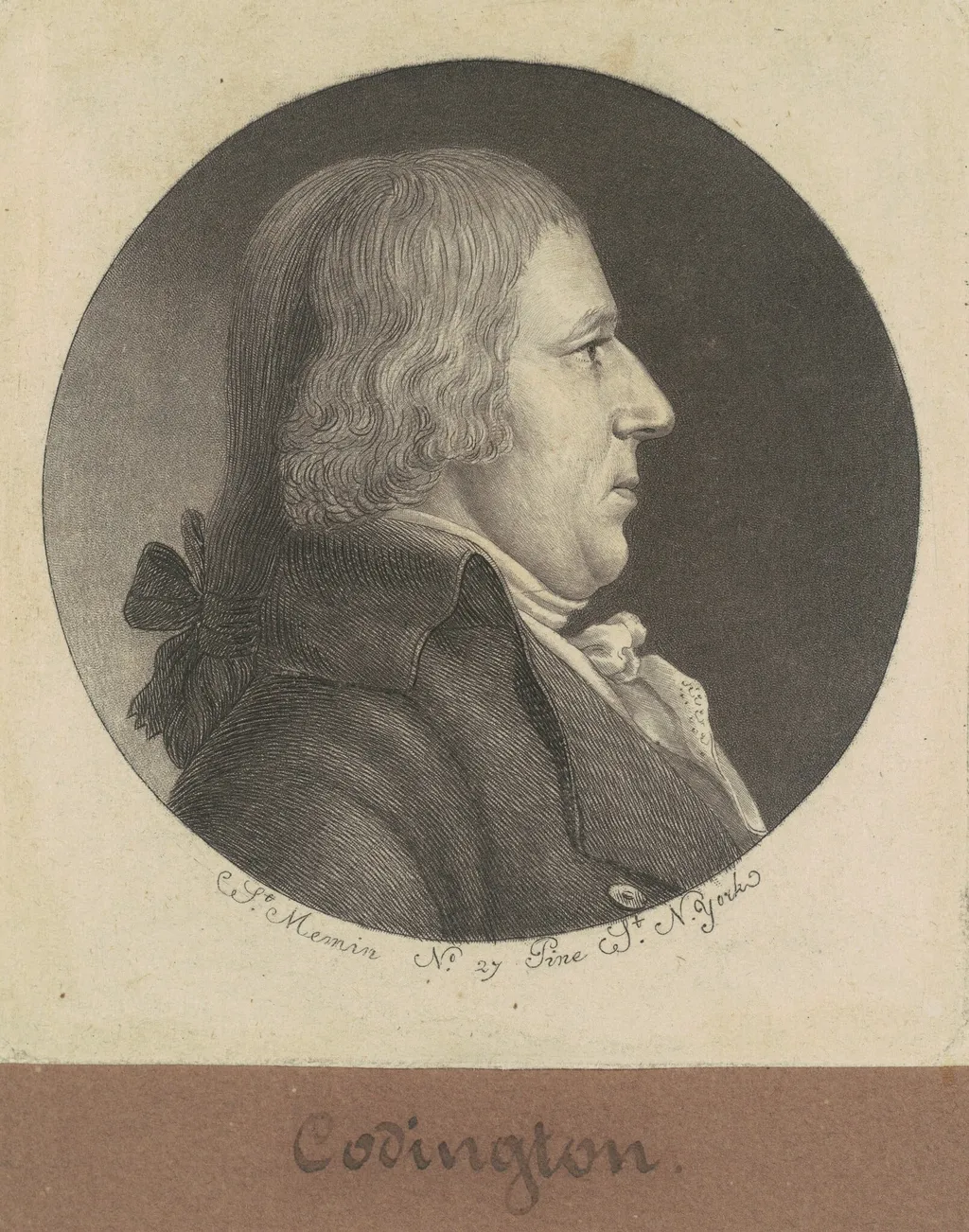
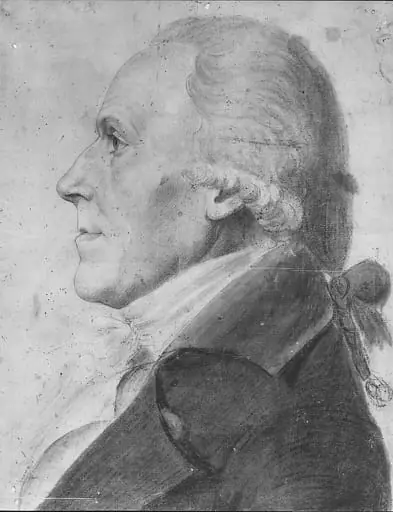
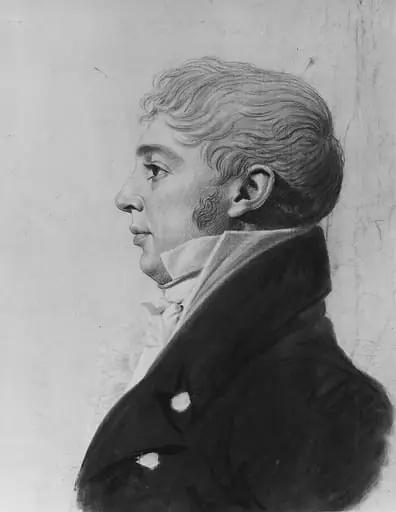
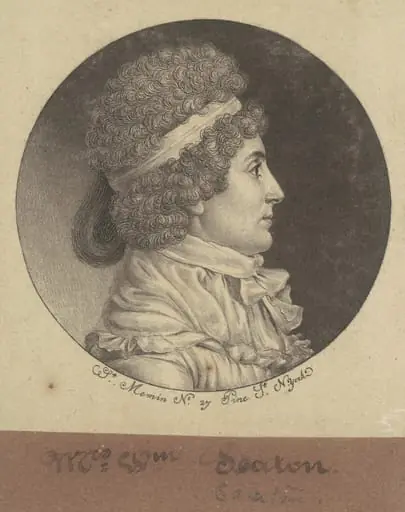
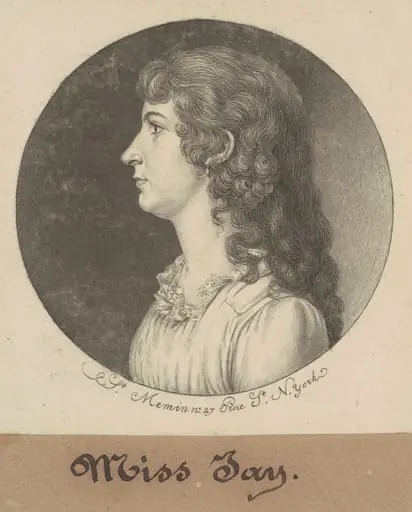
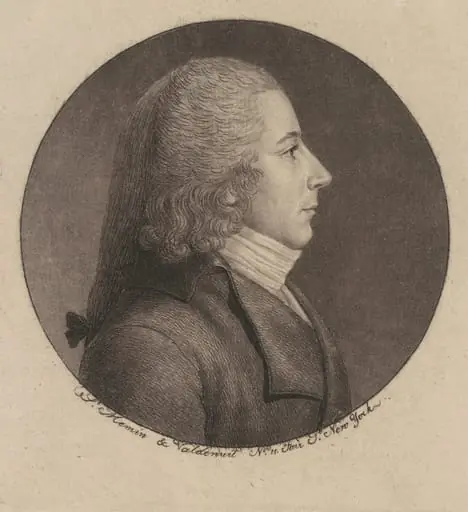
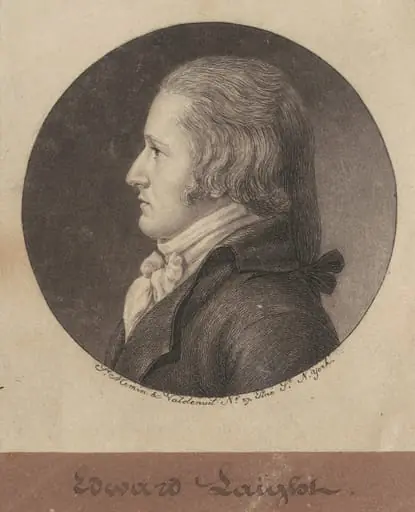
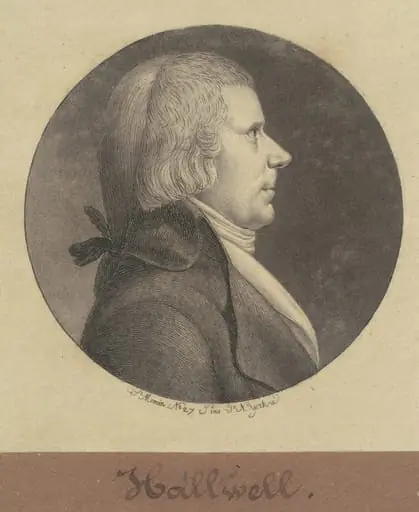
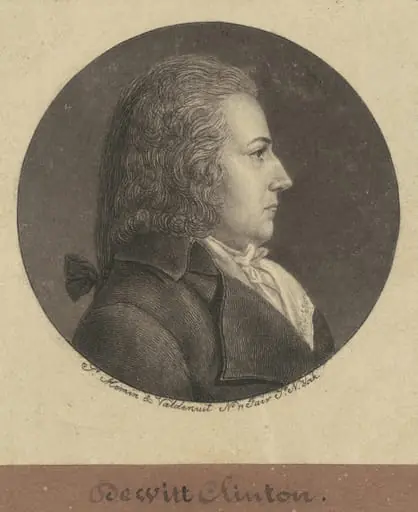
Coddington is an ink print by the Romanticist artist Charles Balthazar Julien Févret de Saint-Mémin. It dates from 1797 and is held in the collection of the National Gallery of Art.
About this work
Overview
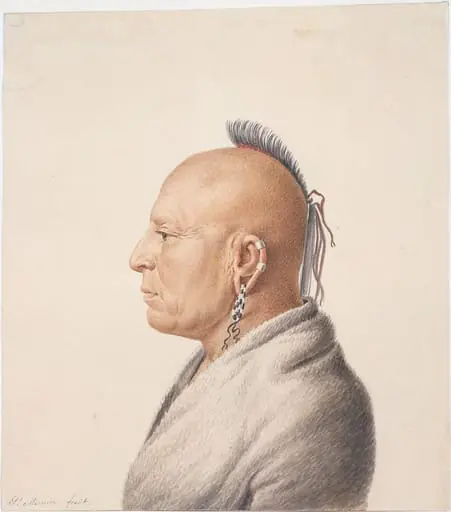
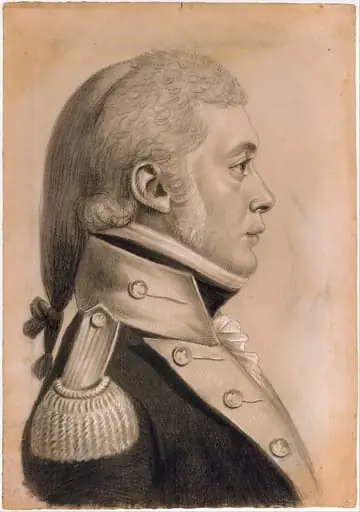
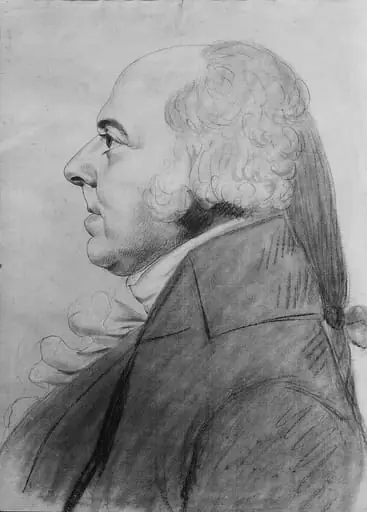
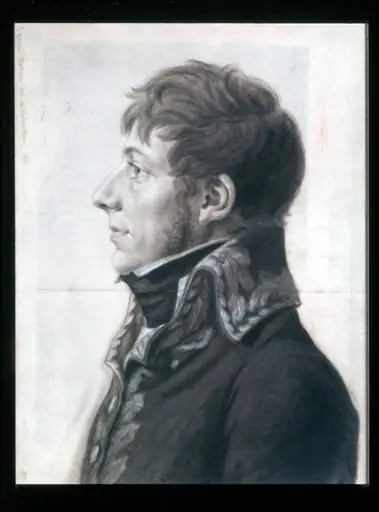
Created in 1797, this print titled “Coddington” is a mezzotint and engraving on wove paper, later mounted to a brown wove backing. The work is attributed to French artist Charles Balthazar Julien Févret de Saint‑Ménim and presents a single, profile view of a young woman rendered in black ink.
Subject & Meaning
The image captures the upper torso of a youthful female sitter, shown in profile. Her attire and coiffure correspond to late‑eighteenth‑century fashion, suggesting a contemporary portrait rather than an allegorical figure. The composition emphasizes the sitter’s facial outline and the delicate folds of her clothing.
Technique & Style
Saint‑Ménim employed a combination of mezzotint and line engraving, using dense cross‑hatching and fine incised lines to model texture and tonal variation. The technique, common in the 1790s, allows subtle gradations of shadow while preserving crisp detail in hair and fabric, demonstrating the artist’s command of the medium.
History & Provenance
The print bears the date 1797, placing it within the artist’s productive period after his emigration to the United States. While specific ownership records are scarce, the work is catalogued among Saint‑Ménim’s portrait series, which were often distributed to patrons and collectors in both Europe and America.
Context
During the late eighteenth century, mezzotint and engraving were favored for reproducing portraits with a high degree of realism. Saint‑Ménim, trained in France and later active in America, contributed to this tradition by blending French academic precision with the emerging American market for portrait prints.
Artist & collection

Artist
Charles Balthazar Julien Févret de Saint-Mémin
Charles Balthazar Julien Févret de Saint-Mémin (French pronunciation: ; 1770–1852) was a French portrait painter and museum director.