Artwork
John Leake Norton
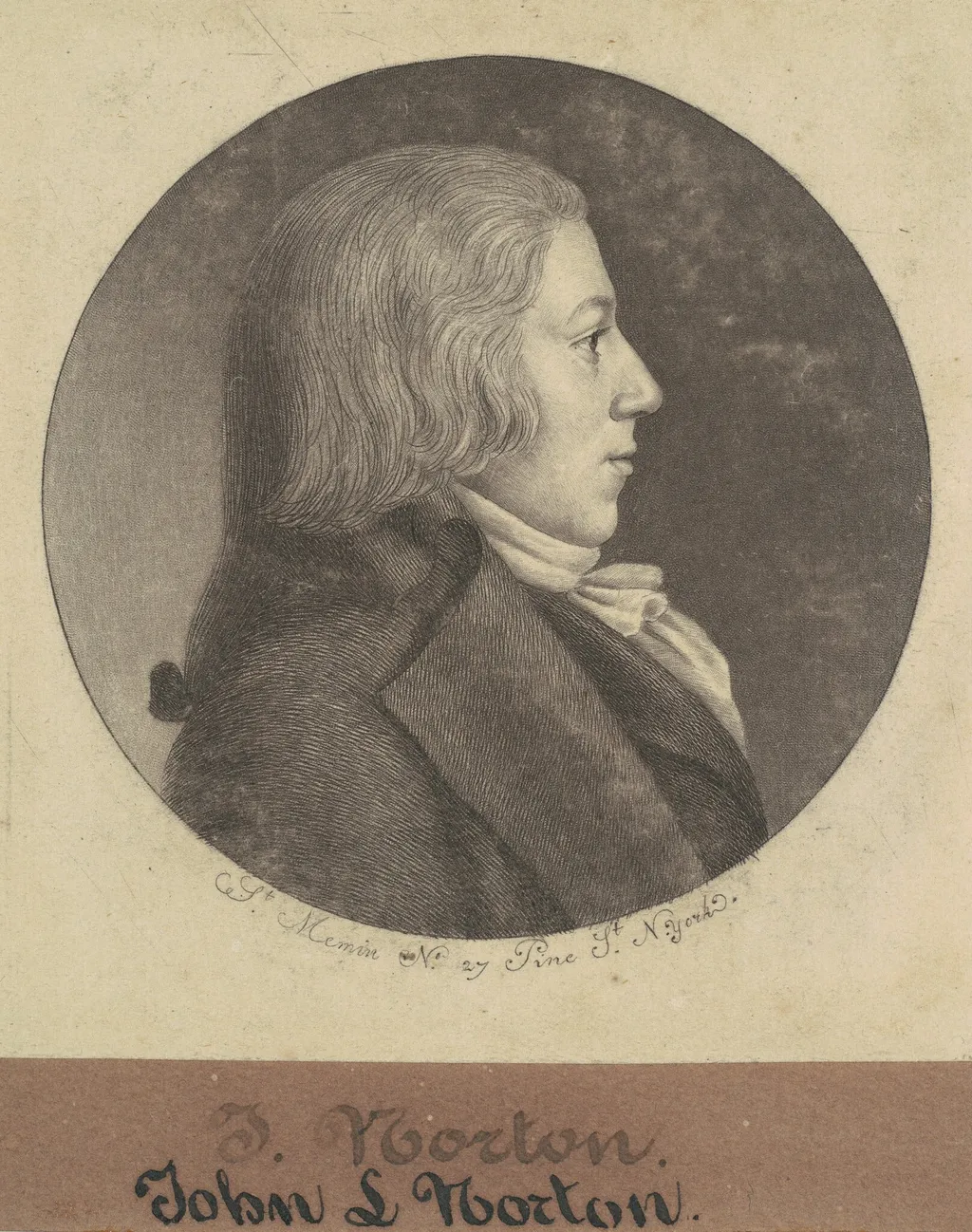
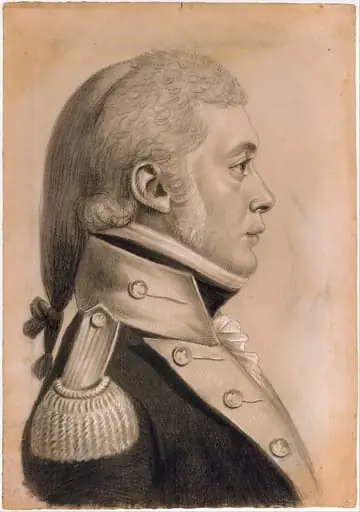
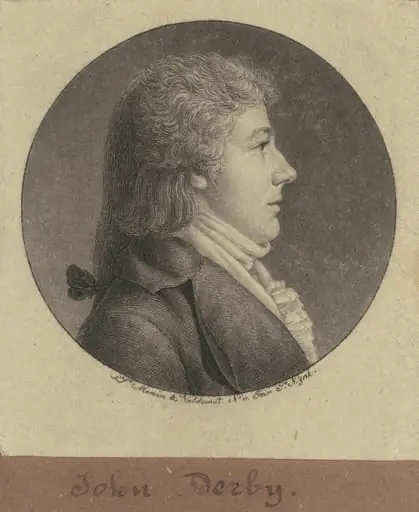
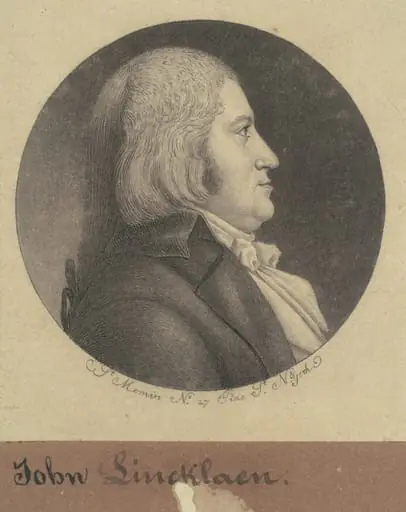
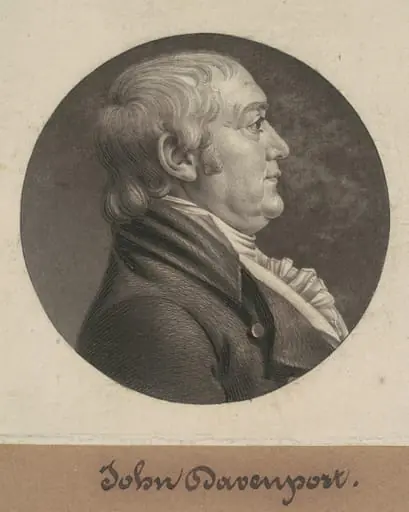
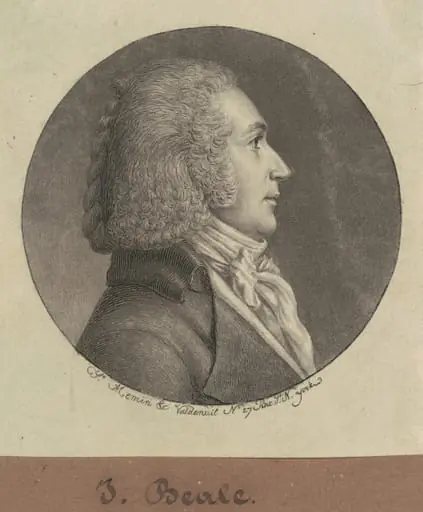
John Leake Norton is an ink print by the Romanticist artist Charles Balthazar Julien Févret de Saint-Mémin. It dates from 1797 and is held in the collection of the National Gallery of Art.
About this work
Overview
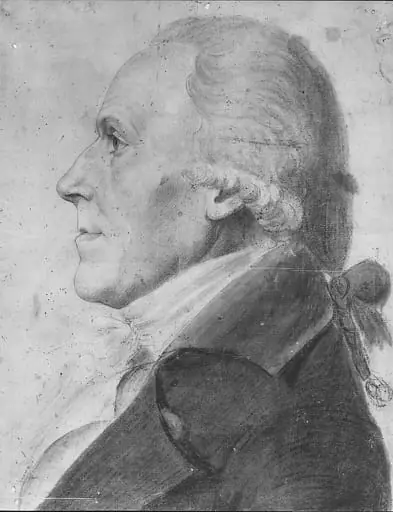
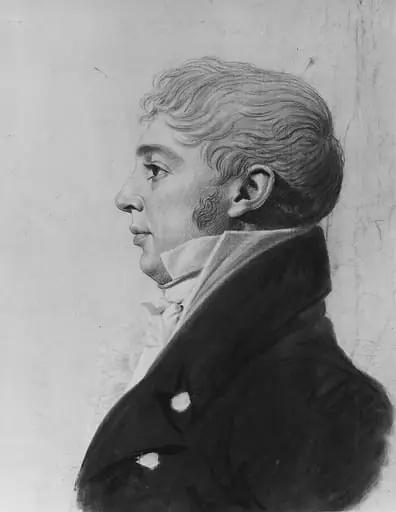
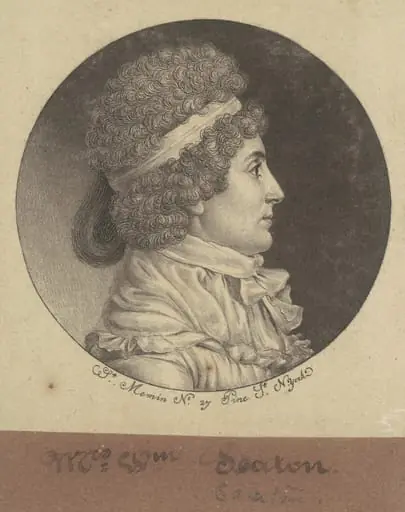
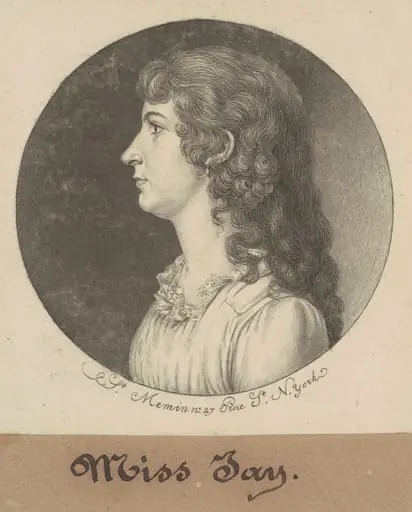
Created in 1797, this black-and-white print presents a likeness of John Leake Norton. Executed as a mezzotint combined with engraving on wove paper, the image is mounted on a brown wove backing. The portrait captures Norton in modest attire, his gaze directed straight ahead, and reflects the high level of detail achievable in printmaking at the close of the eighteenth century.
Subject & Meaning
The work focuses solely on Norton, depicting him without ornamental surroundings. His simple clothing and forward stare convey a straightforward, dignified presence, typical of portraiture intended to document personal identity rather than convey narrative drama. The restrained composition emphasizes the sitter’s character and social standing within the context of early American portraiture.
Technique & Style
Saint‑Mémin employed the mezzotint process, a labor‑intensive method that allows for subtle tonal gradations, alongside fine engraving lines to render textures such as fabric folds and facial features. This combination yields a rich, velvety surface and precise detail, illustrating the artist’s mastery of print techniques that were prized for their capacity to reproduce realistic likenesses before photography.
History & Provenance
The piece remains a documented example of his American oeuvre, reflecting both his technical skill and the transatlantic exchange of artistic practices.
The print was produced by Charles B. J. Févret de Saint‑Mémin, a French‑born engraver who settled in the United States and became a prolific portraitist during the post‑Revolutionary period. His output catered to an emerging American elite eager for accessible yet refined representations. The piece remains a documented example of his American oeuvre, reflecting both his technical skill and the transatlantic exchange of artistic practices.
Artist & collection

Artist
Charles Balthazar Julien Févret de Saint-Mémin
Charles Balthazar Julien Févret de Saint-Mémin (French pronunciation: ; 1770–1852) was a French portrait painter and museum director.