Artwork
T. Nightingale
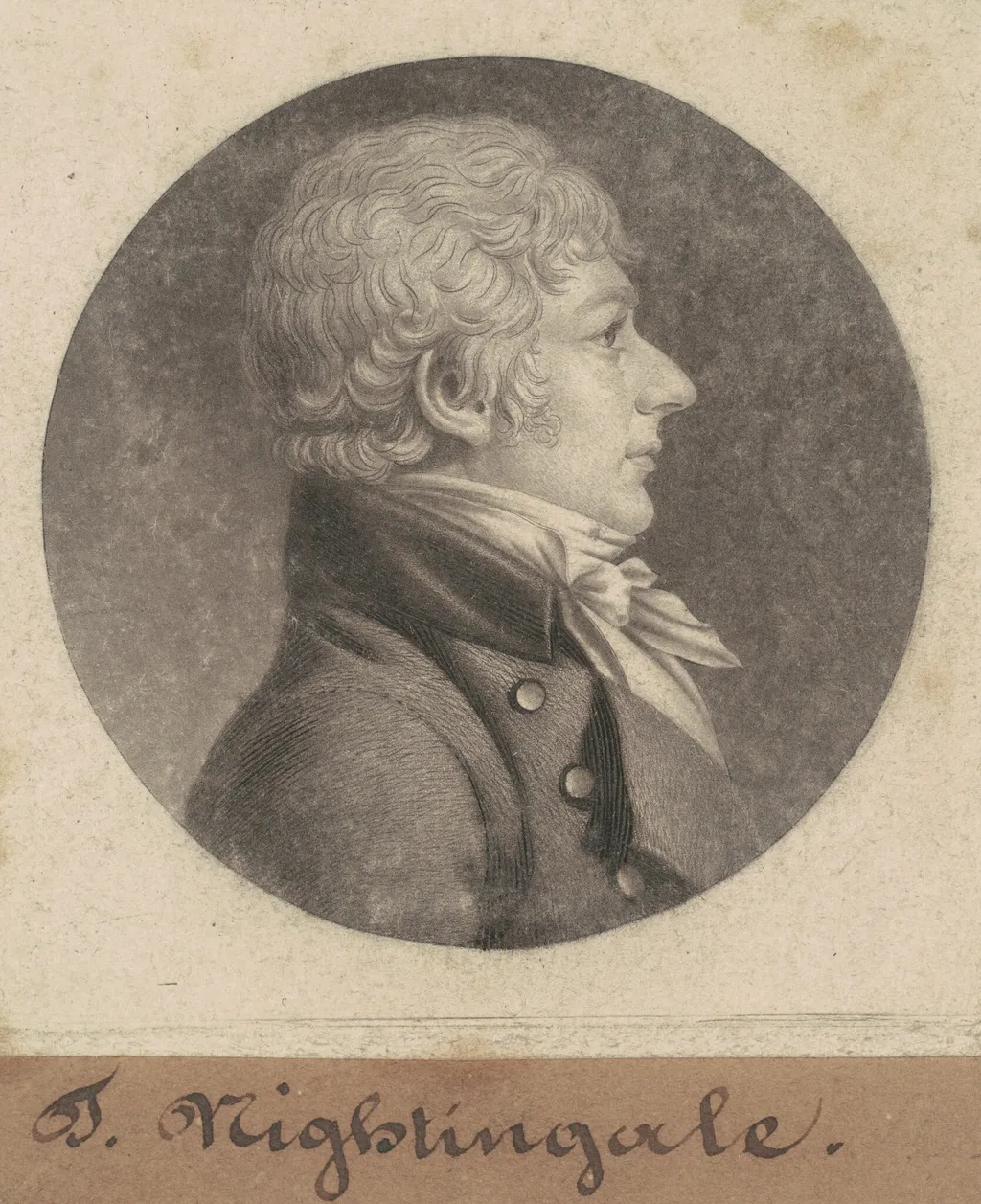
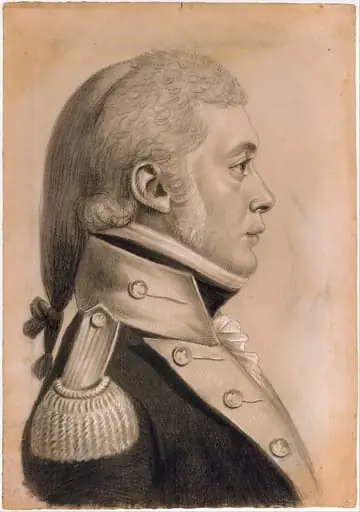
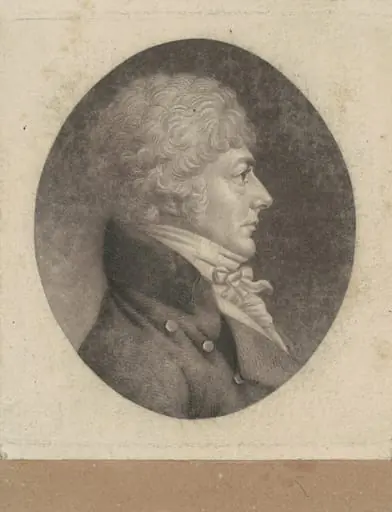
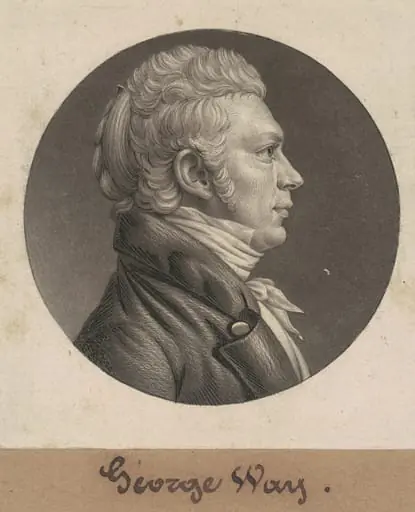
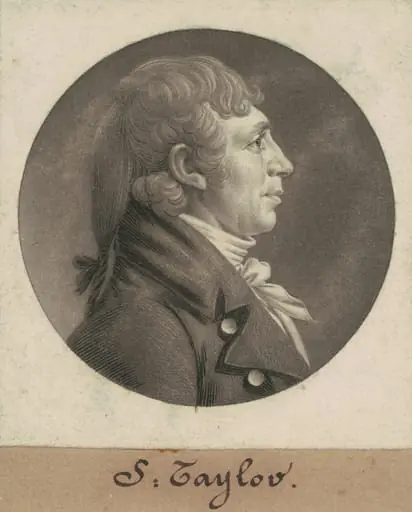
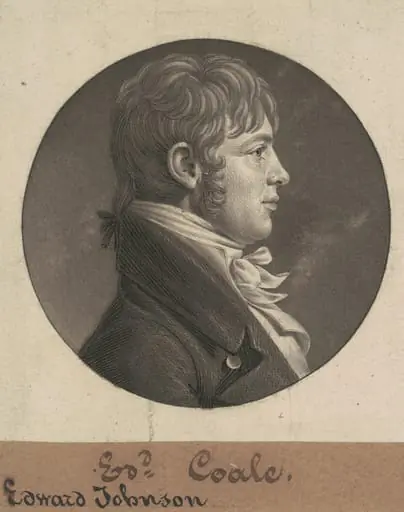
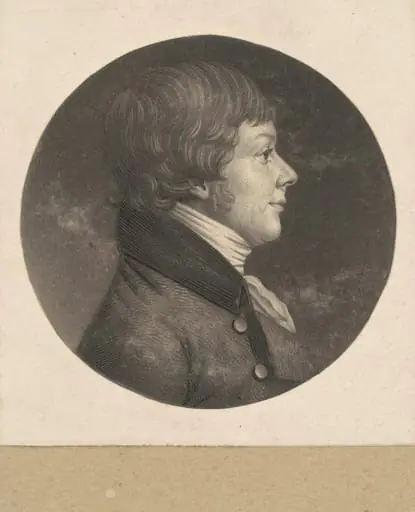
T. Nightingale is an ink print by the Romanticist artist Charles Balthazar Julien Févret de Saint-Mémin. It dates from 1801 and is held in the collection of the National Gallery of Art. Charles B.
About this work
Overview
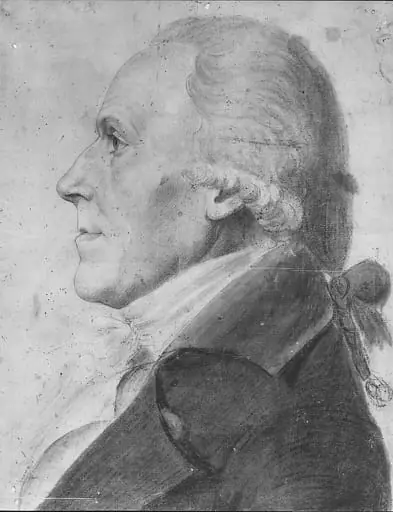
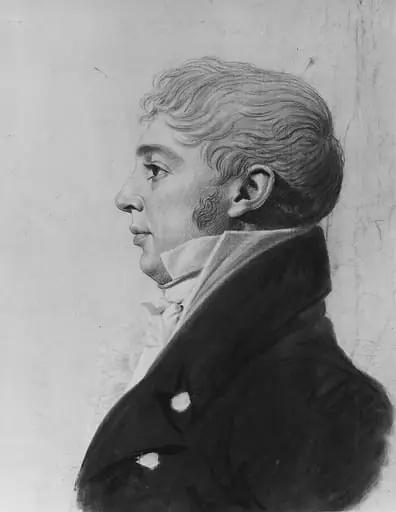
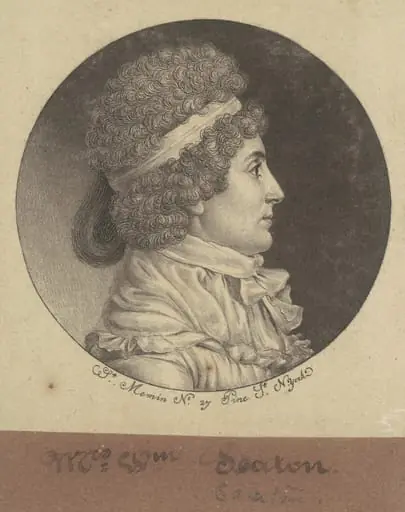
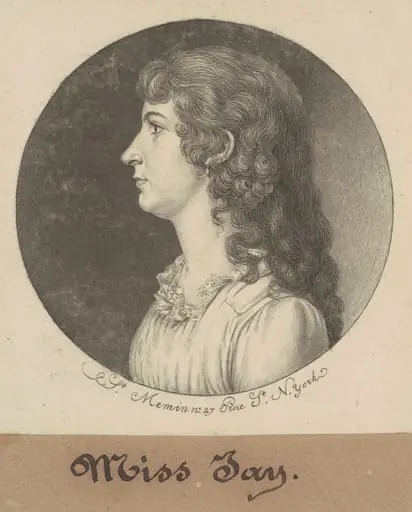
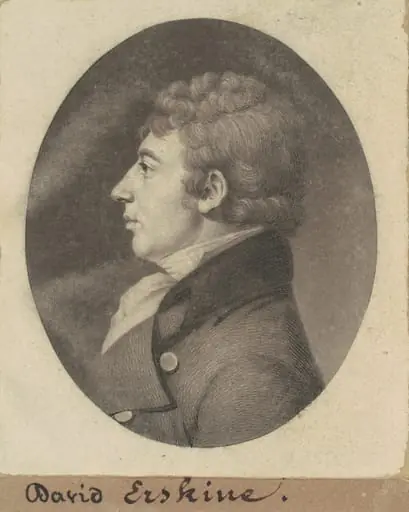
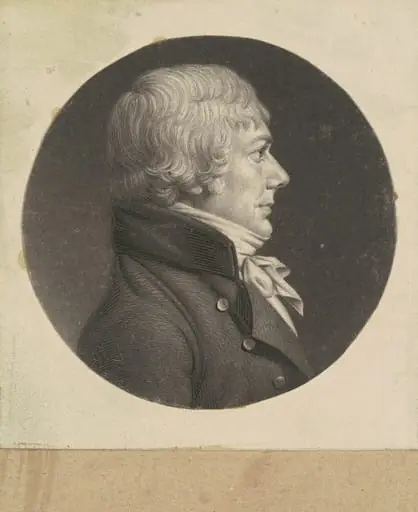
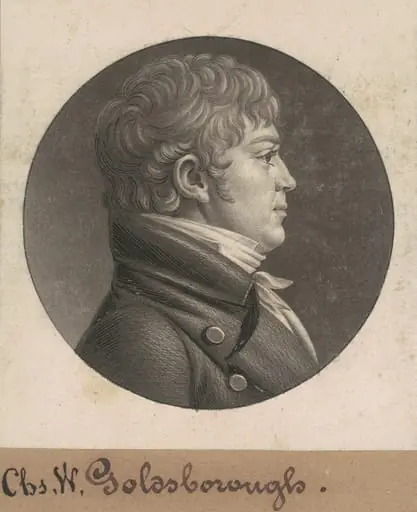
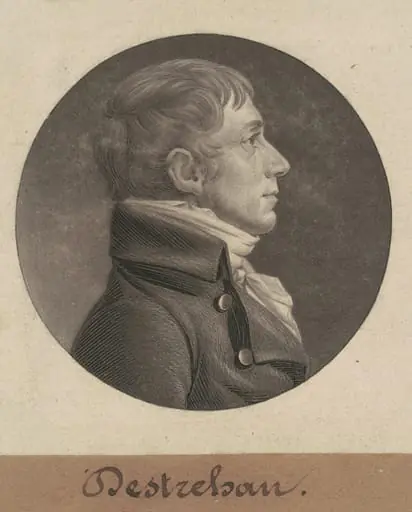
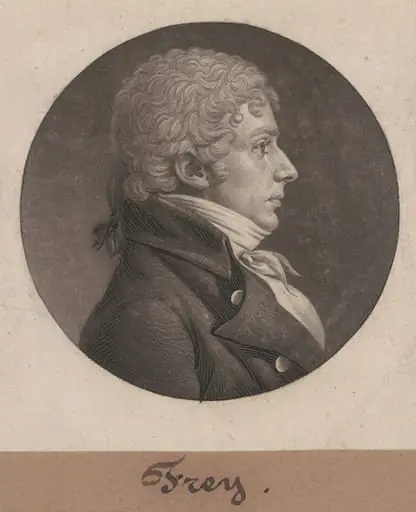
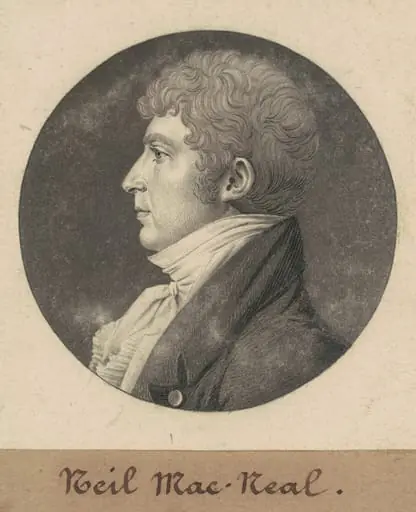
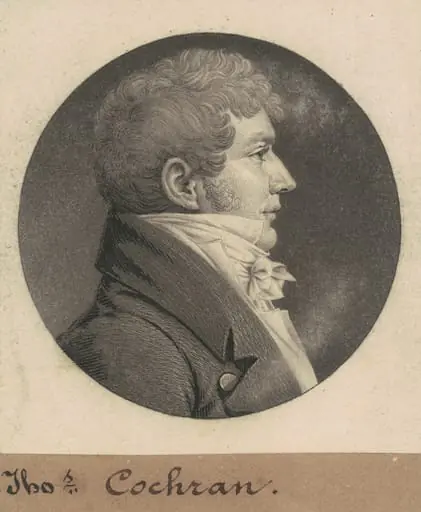
Charles B. J. Févret de Saint‑Mémin’s 1801 print titled “T. Nightingale” is a diminutive portrait measuring just 5.56 by 5.56 centimetres. Executed in black on wove paper that has been mounted to a brown‑toned wove support, the work combines mezzotint and engraving techniques to render a finely detailed likeness of its subject.
Subject & Meaning
The image presents a close‑up view of the individual identified as T. Nightingale, captured in a formal, seated pose typical of early‑nineteenth‑century portraiture. While the print offers no overt narrative, its focus on facial expression and attire suggests an intention to convey the sitter’s social standing and personal character through subtle tonal gradations.
Technique & Style
Saint‑Mémin employed a hybrid process: the mezzotint stage provided a rich, velvety tonal foundation, while subsequent engraving added precise line work for facial features and clothing details. This combination allows for a nuanced range of shadows within a compact format, demonstrating the artist’s skill in manipulating the medium to achieve depth on a small scale.
History & Provenance
Created in 1801, the print reflects the period’s interest in portable, reproducible portraiture for private collections. The paper support—black wove paper affixed to a brown backing—was a common practice for preserving delicate mezzotints. Documentation of its ownership trail is limited, but the work is catalogued among Saint‑Mémin’s early prints.
Context
During the turn of the nineteenth century, French engravers like Saint‑Mémin often produced intimate portrait prints for patrons and the emerging bourgeois market. The use of mezzotint, a technique introduced to France in the late eighteenth century, allowed artists to emulate the tonal richness of oil painting while maintaining the reproducibility of print media.
Artist & collection

Artist
Charles Balthazar Julien Févret de Saint-Mémin
Charles Balthazar Julien Févret de Saint-Mémin (French pronunciation: ; 1770–1852) was a French portrait painter and museum director.