Artwork
Unidentified Man
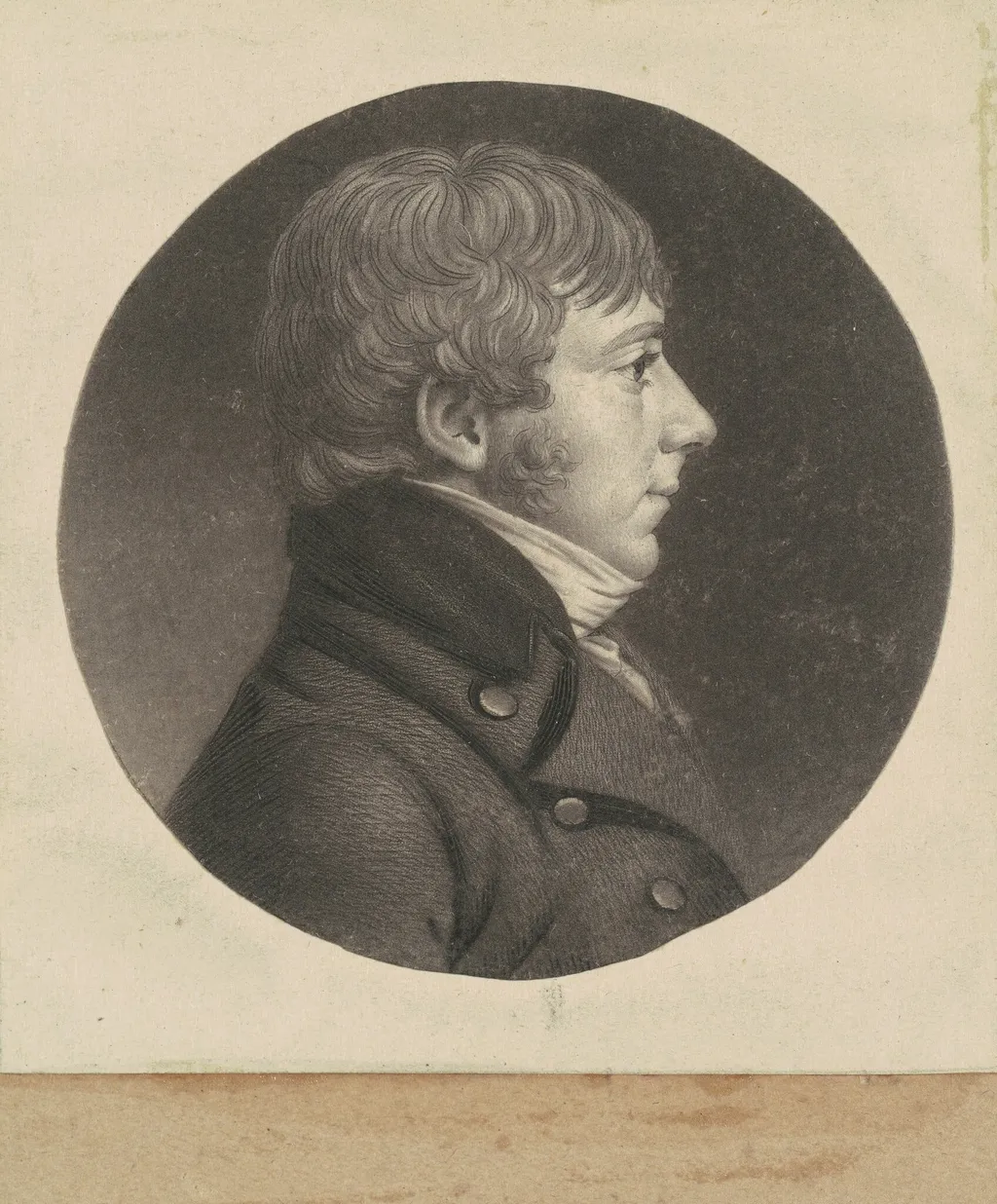
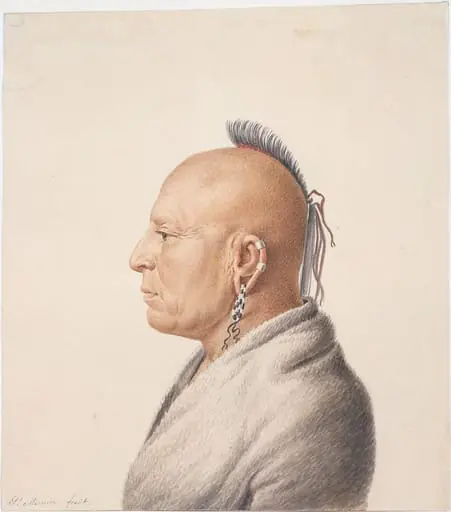
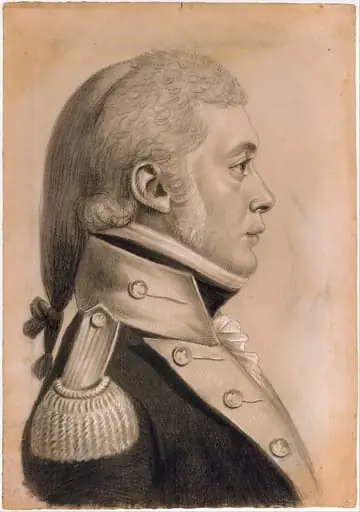
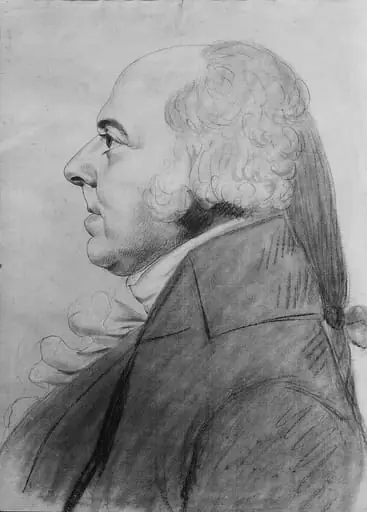
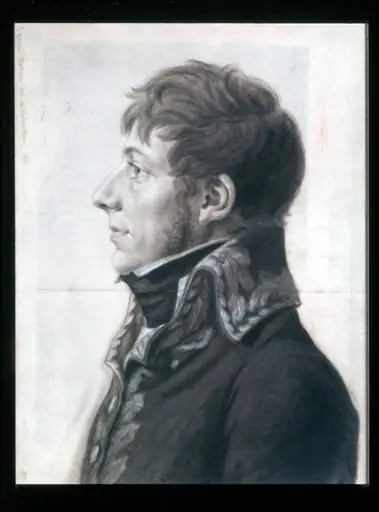
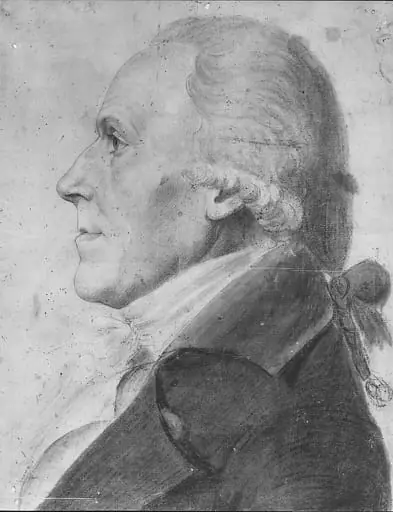
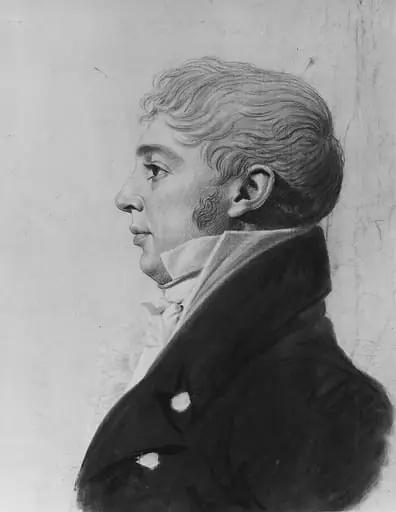
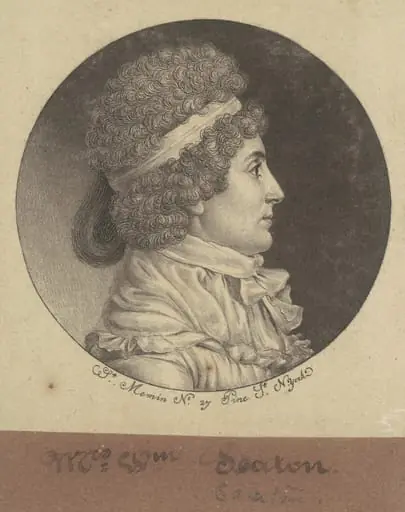
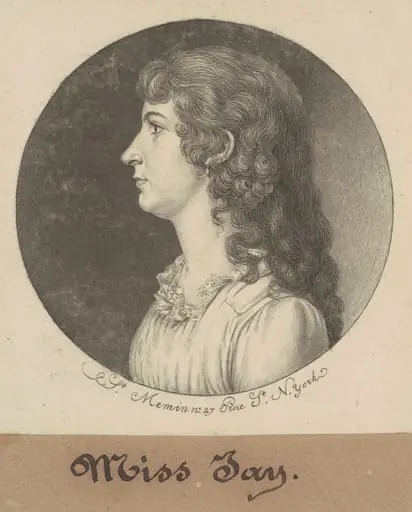
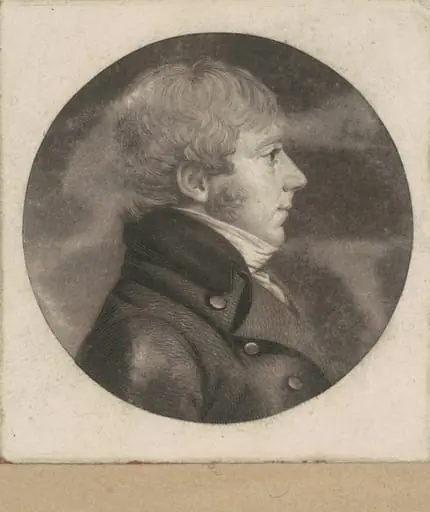
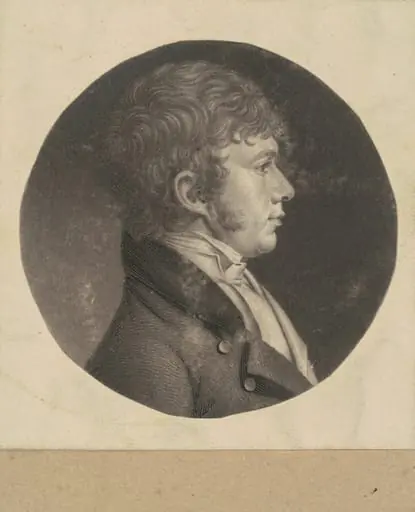
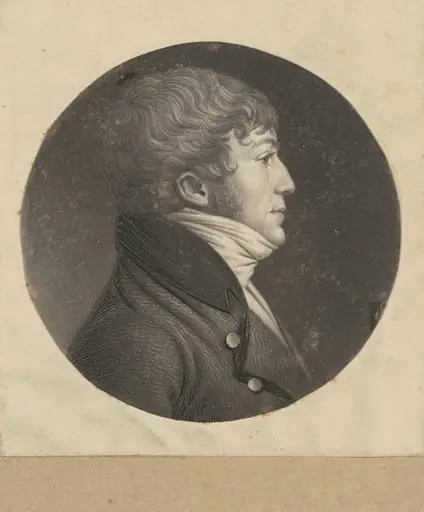
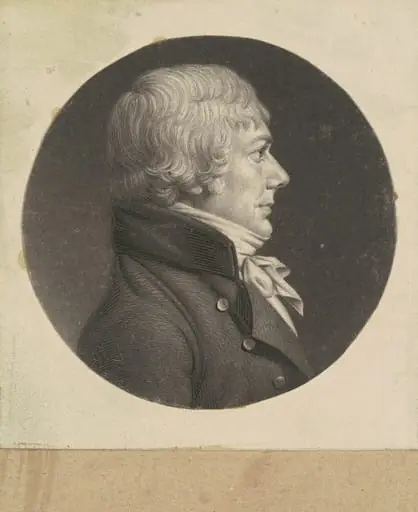
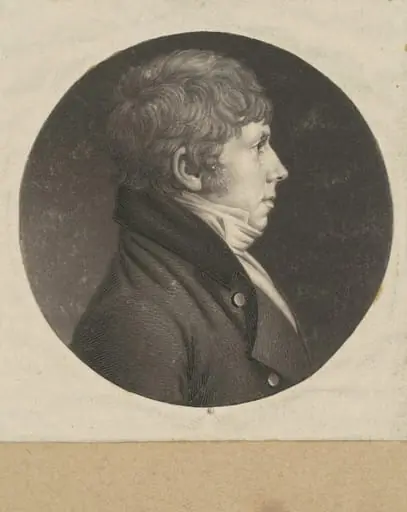
Unidentified Man is an ink print by the Romanticist artist Charles Balthazar Julien Févret de Saint-Mémin. It dates from 1800 and is held in the collection of the National Gallery of Art.
About this work
Overview
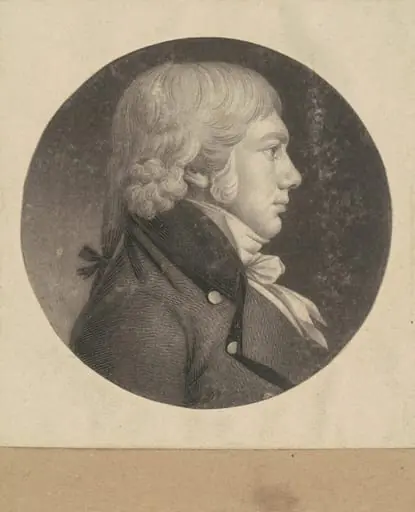
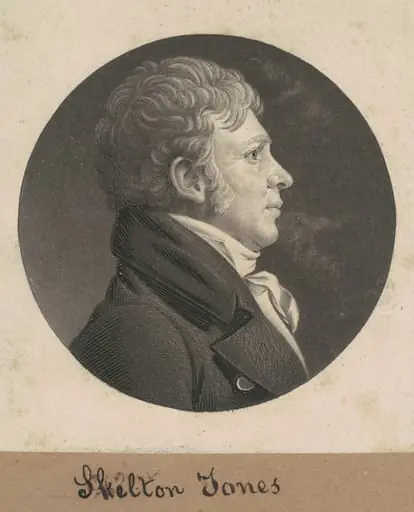
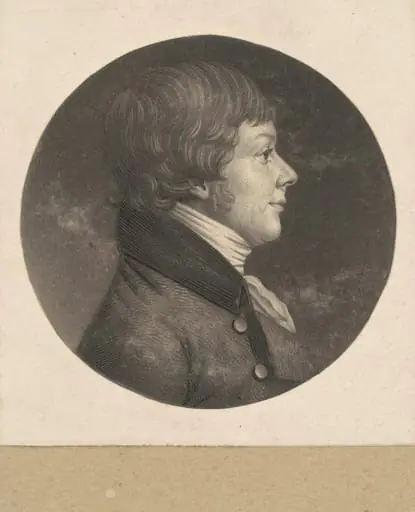
Unidentified Man is a small, circular print depicting a man's head and upper torso in profile, characterized by a dark coat and light cravat, created using mezzotint and engraving techniques on wove paper.
Subject & Meaning
The subject remains unidentified, suggesting the work may have been more about technical practice than portraiture of a notable figure. The formal attire indicates the sitter was likely of a certain social standing.
Technique & Style
Executed in mezzotint and engraving in black, the piece showcases a blend of tonal depth and linearity. The circular format was common in the artist's collection of similar portraits.
History & Provenance
Dating to circa 1800, the work is attributed to Charles B. J. Févret de Saint-Mémin. It is mounted on brown wove paper, a common practice for preservation and display at the time.
Context
Part of a larger collection of small circular portraits by the artist, it reflects 18th-century European portrait practices. For deeper insight into this style, resources are available at the National Gallery of Art, Washington.
Artist & collection

Artist
Charles Balthazar Julien Févret de Saint-Mémin
Charles Balthazar Julien Févret de Saint-Mémin (French pronunciation: ; 1770–1852) was a French portrait painter and museum director.