Artwork
Henry Walter Livingston
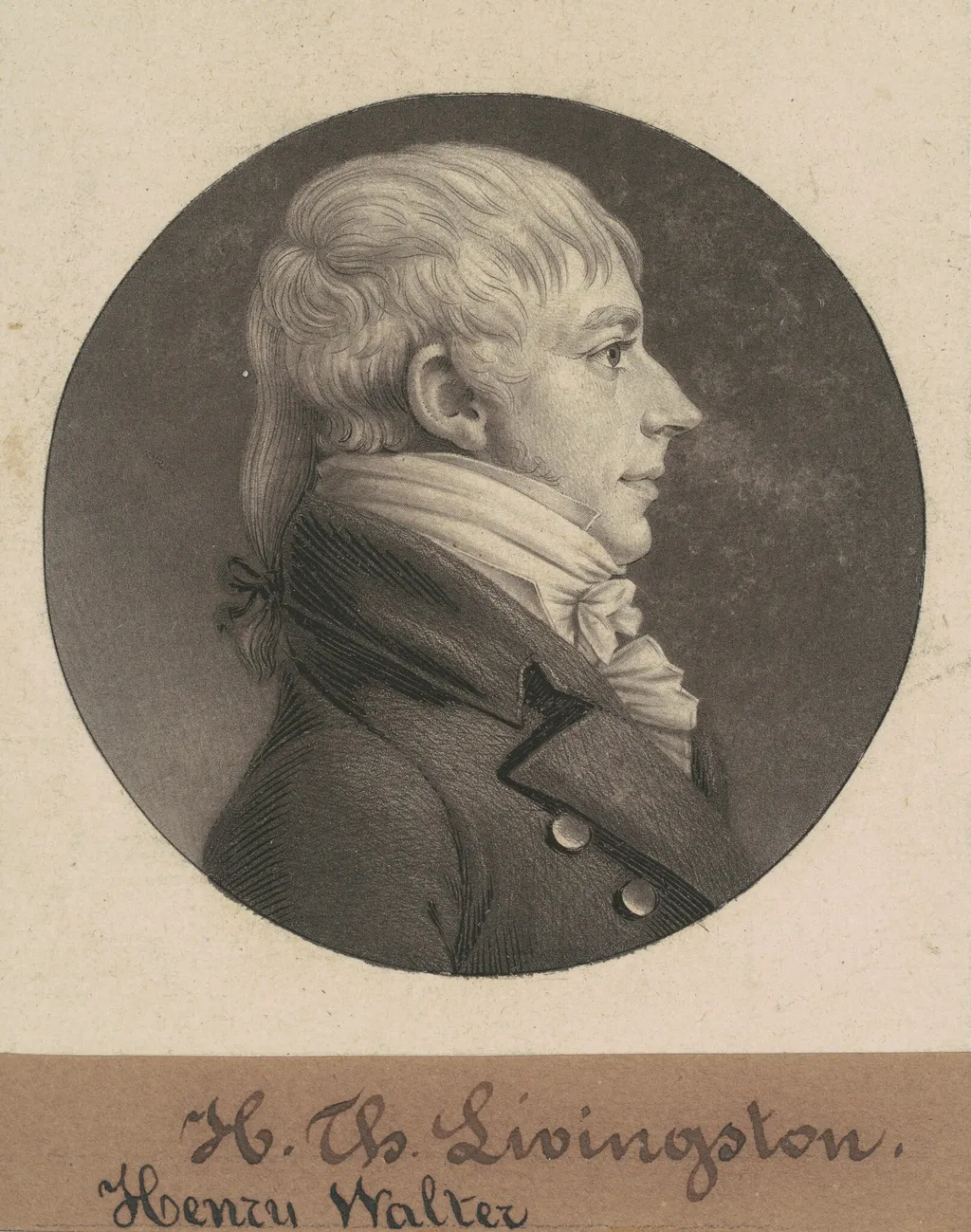
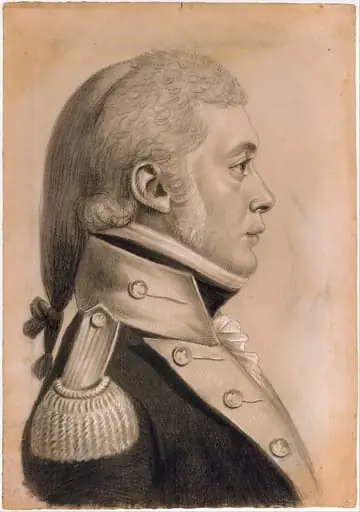
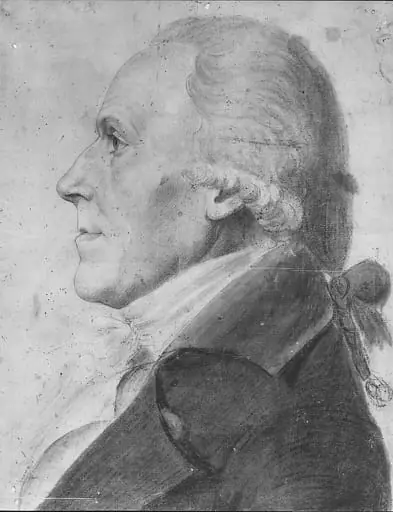
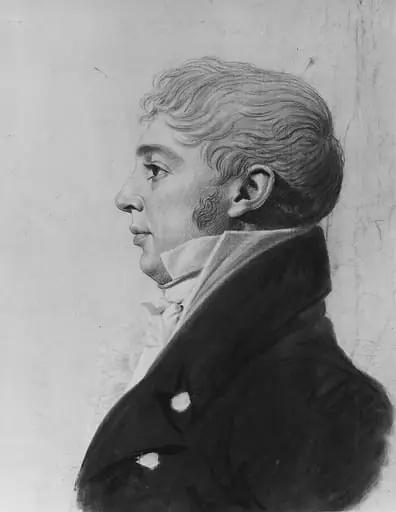
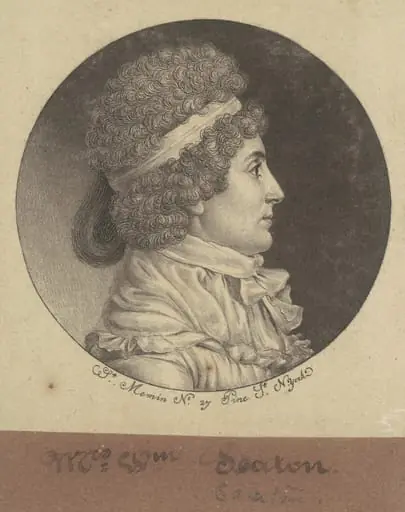
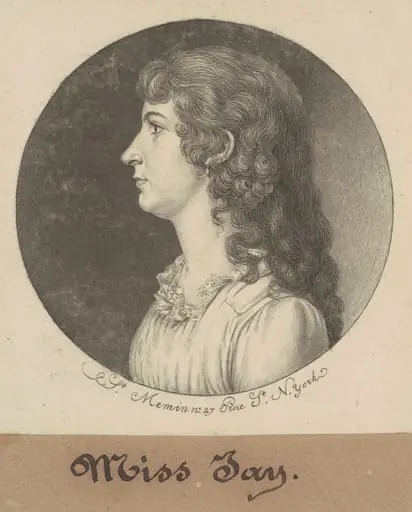
Henry Walter Livingston is an ink print by the Romanticist artist Charles Balthazar Julien Févret de Saint-Mémin. It dates from 1804 and is held in the collection of the National Gallery of Art.
About this work
Overview
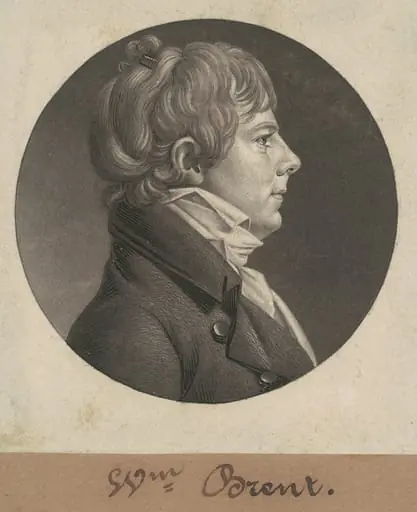
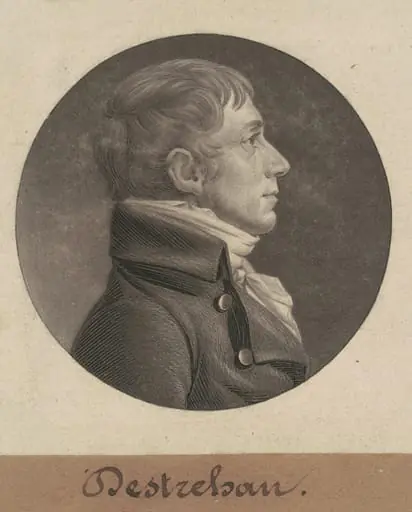
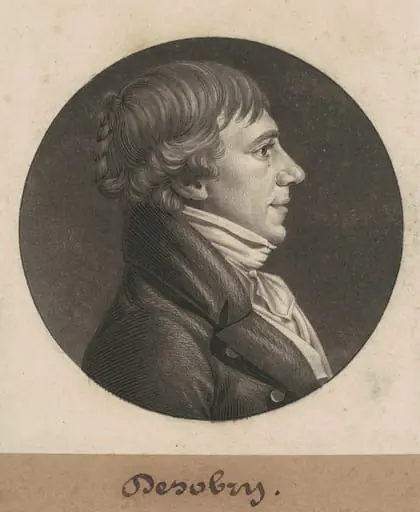
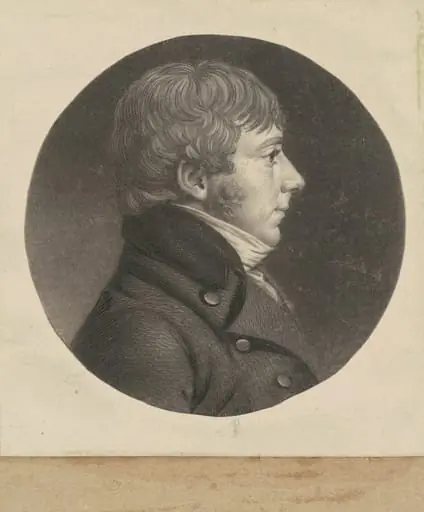
This early‑19th‑century print presents Henry Walter Livingston in a profile bust format. Executed in 1804, the image combines mezzotint and engraving techniques on wove paper that has been mounted to a second sheet of brown wove paper, resulting in a single‑tone, black composition.
Subject & Meaning
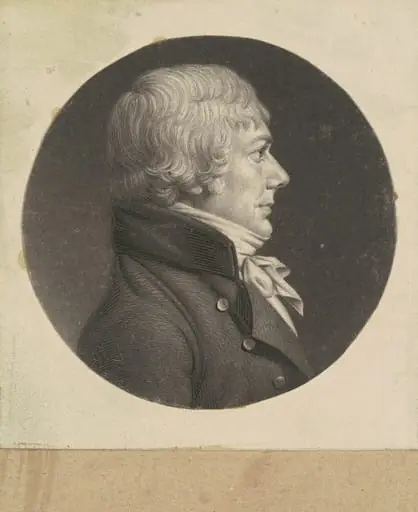
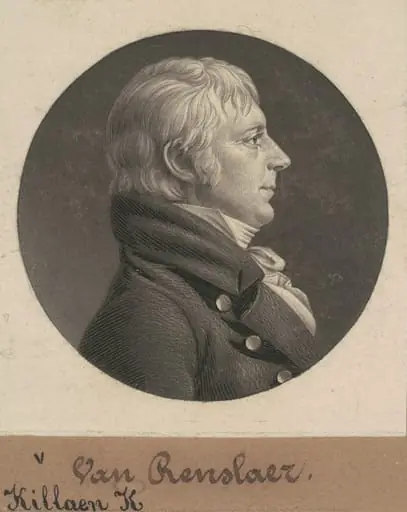
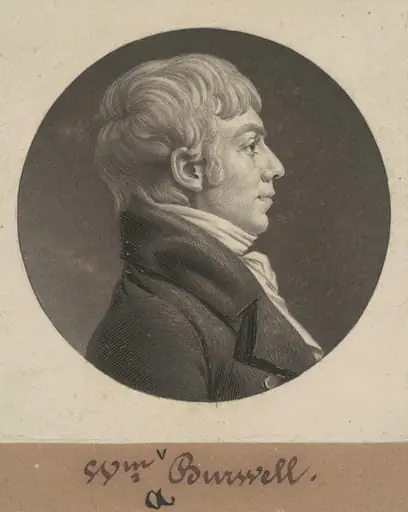
Livingston is rendered with a pronounced nose and a firm jawline, his hair styled in curls that are gathered and secured with a ribbon. He is attired in a white, high‑collared shirt, a cravat, and a double‑breasted coat, attire that reflects the fashion of a gentleman of his social standing during the period.
Technique & Style
The work merges mezzotint—a process that creates rich tonal gradations—with line engraving, allowing fine detail in facial features and clothing. The use of black ink on wove paper gives the portrait a uniform surface, while the mounting on brown paper adds structural support and a subtle visual border.
History & Provenance
Created by Charles B. J. Févret de Saint‑Mémin, a noted French‑American portraitist, the print was produced shortly after Livingston’s death in 1804. It circulated among collectors of American political figures and has since been retained in institutional collections documenting early United States portraiture.
Context
The portrait belongs to a broader tradition of neoclassical portraiture that emphasized clear lines and restrained elegance. In the early Republic, such prints served both as commemorative images and as a means of disseminating the likenesses of prominent citizens across a growing nation.
Artist & collection

Artist
Charles Balthazar Julien Févret de Saint-Mémin
Charles Balthazar Julien Févret de Saint-Mémin (French pronunciation: ; 1770–1852) was a French portrait painter and museum director.