Artwork
Ebenezer Dorr
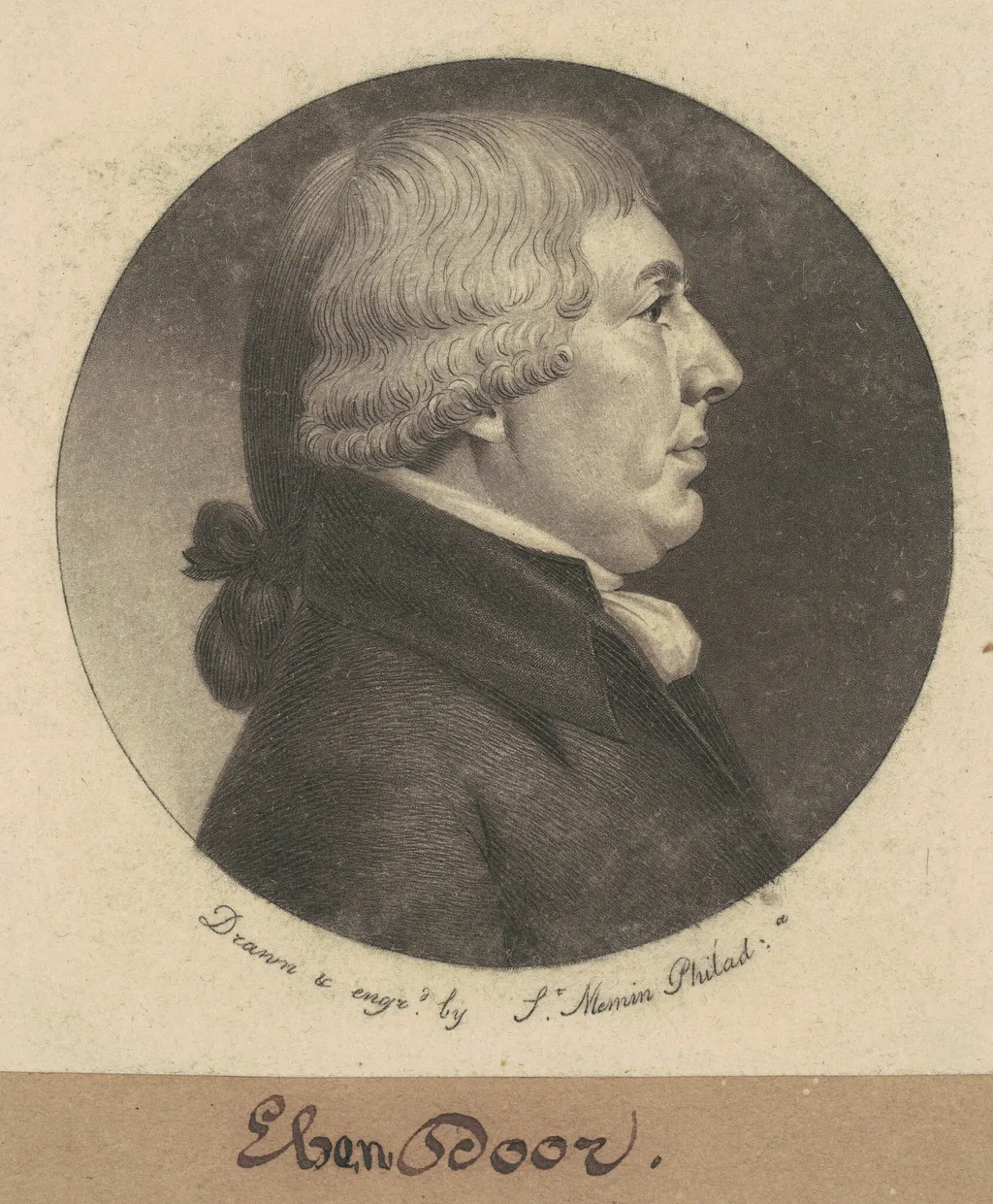
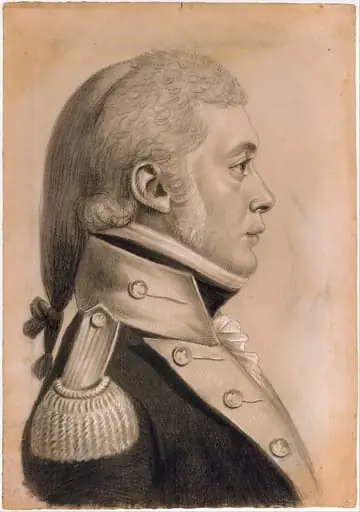
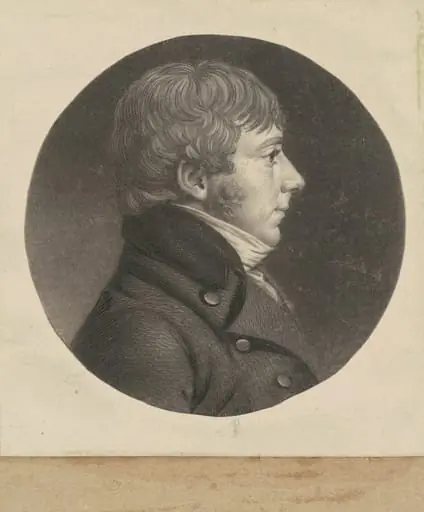
Ebenezer Dorr is an ink print by the Romanticist artist Charles Balthazar Julien Févret de Saint-Mémin. It dates from 1800 and is held in the collection of the National Gallery of Art. This 1800 print by Charles B.
About this work
You can learn more about this kind of art by looking at the work of the artist: Saint-Mémin, Charles B.
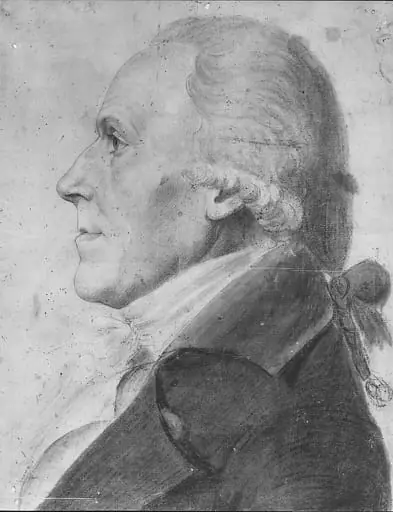
This portrait shows a man facing right with distinct facial features.
He's wearing old-fashioned clothes and has a serious look.
The artist used a lot of detail to make his face look real.
The man in the portrait is Ebenezer Dorr, a silversmith and engraver.
He was an American, and this portrait was made in 1800.
This was a time when portraits like this were very popular.
You can learn more about this kind of art by looking at the work of the artist: Saint-Mémin, Charles B. J. Févret de.
Overview
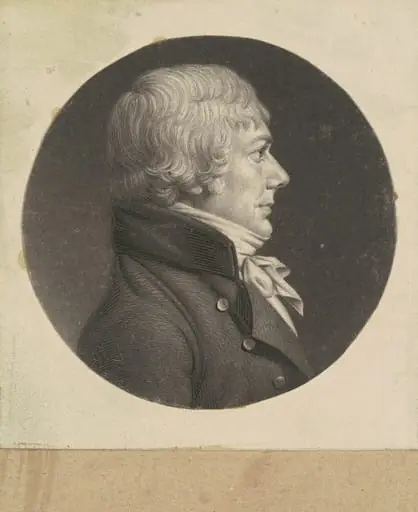
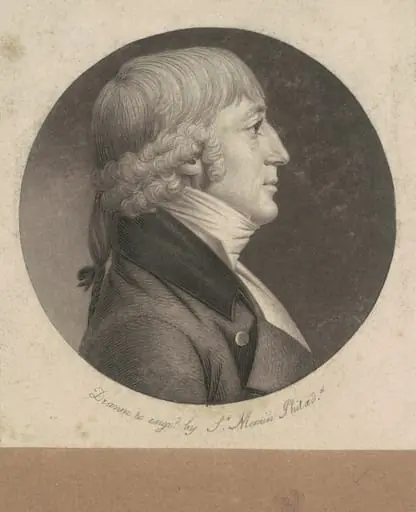
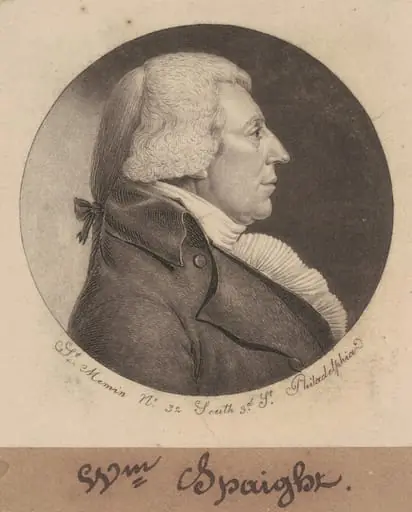
This 1800 print by Charles B. J. Févret de Saint-Mémin portrays Ebenezer Dorr, an American silversmith and engraver, in a profile view. Executed in mezzotint and engraving on wove paper, the image is mounted on a darker brown sheet. The technique emphasizes tonal gradations to render subtle facial contours, reflecting the precision favored in early American portraiture. The work belongs to a series of profile portraits Saint-Mémin produced during his time in the United States.
Subject & Meaning
Ebenezer Dorr was a skilled craftsman active in the late 18th and early 19th centuries, known for his work in silver and engraving. The portrait captures him in quiet solemnity, facing right with minimal expression, consistent with the era’s preference for dignified, restrained representation. His attire and posture suggest professional identity over personal display, aligning with the values of artisanal merit in post-revolutionary America.
Technique & Style
Saint-Mémin employed mezzotint to achieve rich, velvety shadows and fine engraving for crisp linear details, particularly in the texture of Dorr’s hair and collar. The monochrome palette enhances the sculptural quality of the face, while the mounting on brown paper adds depth and frames the subject with subtle contrast. This method, derived from European traditions, was adapted in America to produce clear, reproducible likenesses for a growing middle-class audience.
History & Provenance
Created during Saint-Mémin’s residency in the United States between 1793 and 1814, this portrait is part of a larger project documenting prominent American figures. Dorr’s inclusion suggests his standing within artisanal circles in New England. The print likely circulated among patrons or institutions interested in preserving the likenesses of skilled tradesmen, though its specific early ownership remains undocumented.
Context
In the early 1800s, profile portraits were widely produced as affordable alternatives to oil paintings, often commissioned by professionals seeking to record their status. Saint-Mémin’s method, combining mezzotint with engraving, allowed for multiple impressions and was favored for its clarity. This format reflected a cultural shift toward valuing individual identity in a young republic, where craftsmanship and civic contribution were increasingly celebrated.
Legacy
Saint-Mémin’s profile portraits, including this one, remain important records of American artisans and professionals from the Federal period. Though not widely exhibited today, they are held in institutional collections as examples of early American printmaking. The work contributes to understanding how identity was visually constructed outside elite portraiture, offering insight into the social fabric of early U.S. craft communities.
Artist & collection

Artist
Charles Balthazar Julien Févret de Saint-Mémin
Charles Balthazar Julien Févret de Saint-Mémin (French pronunciation: ; 1770–1852) was a French portrait painter and museum director.